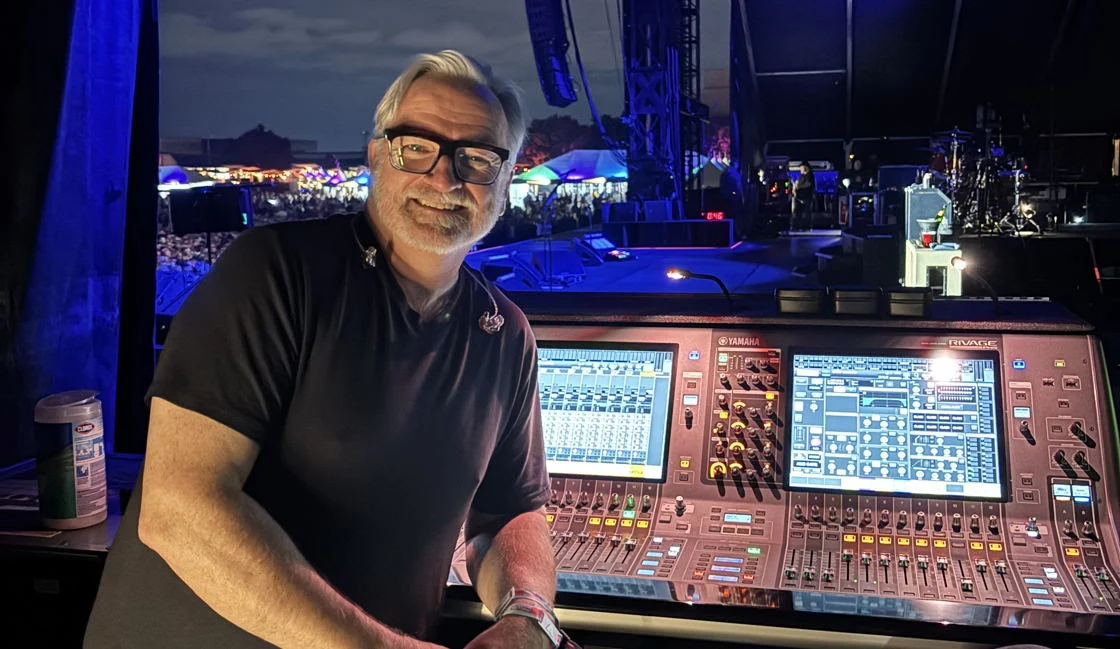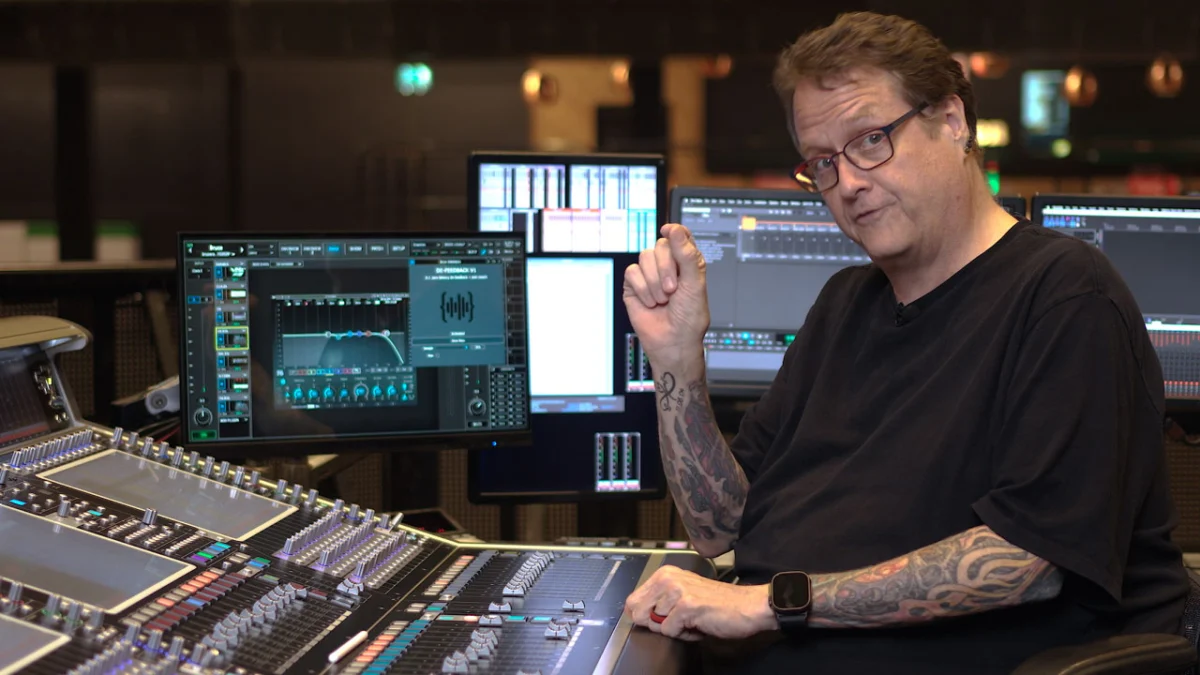
For nearly a decade, the massive, thundering wall of sound associated with Iron Maiden’s live performances has been meticulously crafted by FOH (Front of House) engineer Ken “Pooch” Van Druten. In the high-stakes world of arena rock, where technical failure is not an option and environmental variables change with every city, Van Druten has become a master of consistency. His secret weapon has long been the Waves SuperRack SoundGrid, a platform that has anchored his workflow.
However, in an industry that demands constant innovation, even the most seasoned veterans must evolve. This year, Van Druten expanded his digital arsenal by integrating the Waves LiveBox, a powerful addition that allows him to seamlessly run third-party VST3 plugins alongside his established Waves infrastructure. This integration marks a significant shift in how one of the world’s most iconic metal bands approaches live audio, blending high-end reliability with newfound creative flexibility.
The Pursuit of World-Class Consistency
To understand the significance of Van Druten’s new setup, one must first understand the philosophy behind his work. For an engineer of his stature, the goal is not merely to get the sound "loud enough," but to ensure that the audience receives an identical, high-fidelity experience regardless of the venue’s acoustics.
"To excel as an engineer means that you’re delivering the same product every night, regardless of whatever the venue throws at you—hard surfaces, glass on the walls, all the things that change every single day," Van Druten explains. "If you can deliver the same product to the audience in those situations, that’s what makes you world-class."
This pursuit of perfection requires gear that is not only powerful but also incredibly resilient. "In live sound, unlike making records, when something breaks, that’s a huge thing," he adds. "We spend a lot of time choosing gear that is consistent, doesn’t fail, and keeps going."
Chronology: Building the Modern Maiden Rig
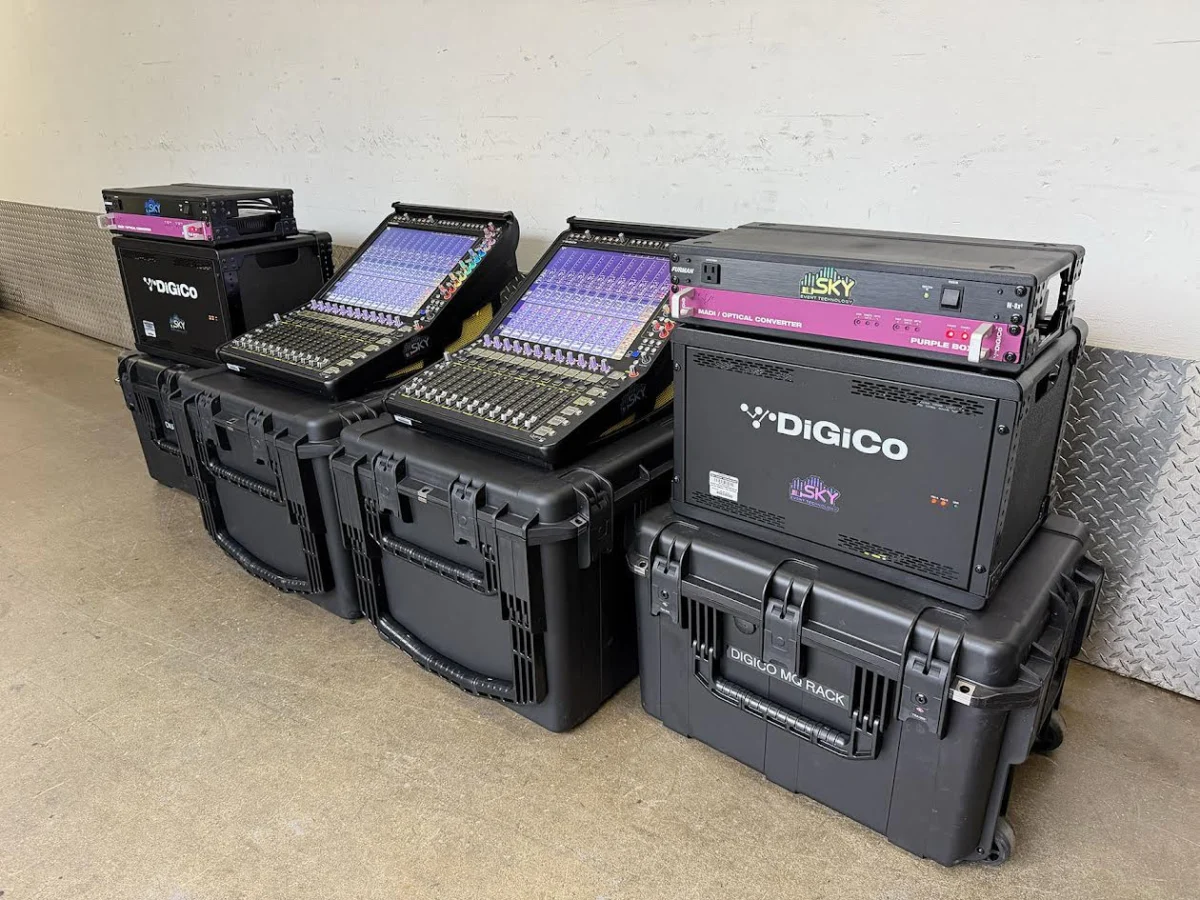
Van Druten’s relationship with Iron Maiden has been defined by a commitment to the DiGiCo Quantum 7 console. Over the last nine years, this desk has served as the command center for his mix. However, the introduction of the Waves LiveBox in early 2024 represents the most significant update to his workflow in recent history.
A New Layer of Processing
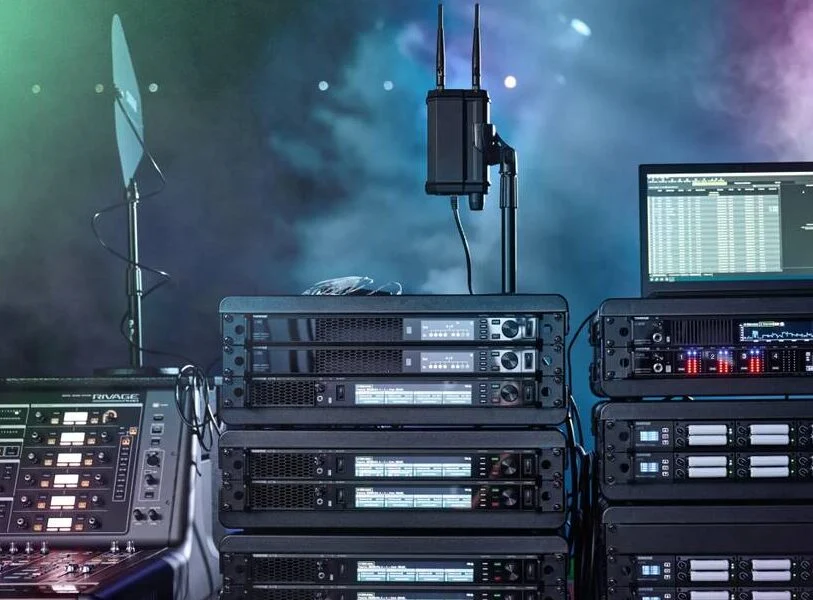
For years, the SuperRack SoundGrid served as the backbone of the mix, handling vocal dynamics, group bus processing, and tonal shaping. The addition of the LiveBox has allowed Van Druten to create a dual-network ecosystem. The SuperRack continues to manage the core Waves plugins, while the LiveBox operates on a separate, dedicated network.
The integration is elegant: the LiveBox functions as an all-internal unit where the networking is self-contained, outputting via Dante to a Dante 64 card installed directly into the console. This separation ensures that the two systems can operate independently, providing a layer of redundancy that is essential for a band of Iron Maiden’s magnitude.
Supporting Data: Technical Implementation and Workflow
The primary driver for the inclusion of the LiveBox was the desire to incorporate specific VST3 plugins from other manufacturers, most notably Alpha Labs’ DeFeedback.
Solving the "Ramp" Problem
Iron Maiden’s stage design features ramps on both the left and right sides, which place lead vocalist Bruce Dickinson directly in front of the PA system. This creates a notoriously difficult acoustic scenario for any FOH engineer.
"With Iron Maiden, there are ramps that come out on the right and left-hand side of the stage that put vocalist Bruce Dickinson almost in the PA. Those have always been pretty hard to deal with," Van Druten notes. By utilizing the LiveBox, he can run multiple instances of DeFeedback with zero latency issues or processing strain. "It’s really a game changer; it’s become a lot better now. I just can’t get the same amount of instances on DeFeedback without the Waves LiveBox, so this setup is important for me."
The Vocal Chain
The vocal processing remains a masterclass in controlled intensity. Van Druten’s chain is a testament to the power of layering:
- DeFeedback (via LiveBox): Handles primary feedback suppression.
- Waves CLA-2A: Provides overall vocal compression for smooth leveling.
- Waves C6 Multiband Compressor: Manages frequency-specific dynamics.
- Waves F6 Dynamic EQ: Used for surgical corrections, specifically as Dickinson transitions between his chest and belly voice.
- Waves SSL EQ: Serves as the primary tonal shaper.
- Waves X-Feedback: Reserved as a "failsafe" for extreme moments when Dickinson is positioned just feet from the speakers.
- Waves F6 (Final Stage): A subtle, 2dB global dynamic compression to glue the chain together.
The Bass Guitar Foundation
Steve Harris’s bass guitar is a defining element of the Iron Maiden sound, and it receives equally rigorous attention. Van Druten utilizes a multi-stage approach to ensure the instrument remains dominant and defined in the mix:
- CLA-76: Provides overall compression with a slow attack to preserve the natural transients of Harris’s playing style.
- Renaissance Bass: A crucial tool for "manufacturing" the low-end feel that the raw DI signal might lack, ensuring the bass remains fat and present.
- Magma BB Tubes: Adds the harmonic distortion necessary to make the bass cut through the dense wall of guitars.
- C6 Multiband: Provides "tickly" global compression to manage the bass guitar’s output.
On the bass group bus, Van Druten adds a layer of Waves Vitamin, another CLA-2A, and two instances of the F6 EQ. "I’m mixing into it," he explains. "It helps to manage when he’s playing really loud or playing very softly. That’s the reasoning behind having all these plugins."
Official Perspectives: The Value of Innovation
The transition to this hybrid setup has been seamless, according to Van Druten. Having used the LiveBox for six months on the road, he reports that the stability of the unit has been flawless. For an engineer who has spent his career mitigating the risks of touring, this consistency is the ultimate metric of success.
Waves, for its part, has positioned the LiveBox as a bridge between the reliability of the SoundGrid ecosystem and the vast, growing market of VST3 third-party developers. By providing a dedicated, robust environment for these plugins, they have enabled engineers like Van Druten to stop compromising on their creative choices due to hardware limitations.
Implications for the Future of Live Sound
The shift toward hybrid, multi-network processing environments like the one deployed by Van Druten suggests a broader trend in professional audio. As live productions become more complex and the expectations for "studio-quality" live sound continue to rise, the ability to integrate diverse software ecosystems will become a standard requirement for FOH engineers.
Van Druten’s success demonstrates that the "gold standard" of live sound is no longer about choosing between one ecosystem or another, but about creating a unified architecture that allows the best tools from every developer to coexist.
Ultimately, for Van Druten, the gear is a means to an end. "I love what I do," he reflects. "There’s no better feeling than to work on a mix, pushing a guitar solo, and having 80,000 people react to something you’ve done. It’s a high that the musicians get, and it’s a high that I get too. It gives me goosebumps, and that’s what I keep coming back for."
As Iron Maiden continues to tour, bringing their legendary performances to millions, they do so with an audio setup that is more agile, more reliable, and more sonically precise than ever before—proving that even in the world of heavy metal, the most powerful instrument on stage is the one managing the signal.