By Staff Reporters
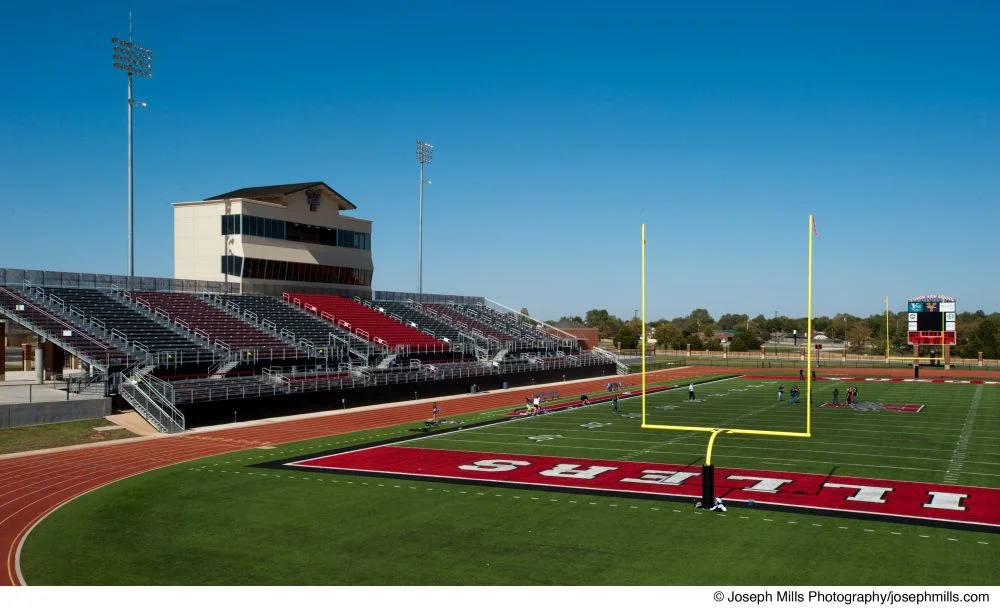
In the modern landscape of scholastic athletics, the stadium experience has evolved far beyond the gridiron. Today’s fan base expects a high-fidelity, immersive environment that rivals professional sports venues. Recognizing this, Yukon High School in Oklahoma recently completed a comprehensive audio infrastructure overhaul, designed to extend the excitement of game day to every corner of their sprawling sports complex. By partnering with Oklahoma City-based integration firm Video Reality, the district has successfully deployed a distributed audio network anchored by LEA Professional’s Connect Series amplifiers, setting a new benchmark for high school sports facilities.
The Core Objective: Expanding Coverage and Clarity
The primary driver for the project was a desire by Yukon Public Schools to eliminate "dead zones" within the stadium complex. While the main bowl of the stadium had serviceable audio, the surrounding areas—specifically the three concession stands, the visitor seating section, and the adjacent wellness building—suffered from inconsistent coverage and poor intelligibility.
For athletic directors and school administrators, these peripheral zones are critical for the overall fan experience. Concession areas are vital for revenue generation and congregating, while the wellness building serves as a multi-functional space for athletes and students alike. The goal was simple but technically demanding: provide a seamless, high-performance audio blanket that could carry announcements, game-day music, and emergency communications across the entire site without signal degradation.
The Technical Solution: A Dante-Enabled Ecosystem
Video Reality, tasked with the design and installation, determined that a decentralized approach was necessary to manage the wide geographical spread of the facility. The design team opted for an IP-based infrastructure, leveraging Dante networking to move audio signals across the campus with near-zero latency.
At the heart of this system are the LEA Professional Connect Series amplifiers. The choice was strategic, focusing on the CS702D and CS704D models. These units are not merely power amplifiers; they are IoT-enabled smart devices capable of deep integration into modern IT environments.
- CS702D (2-Channel): Providing 700 watts per channel, these units were deployed to manage localized zones such as the individual concession stands and specific pockets of the wellness building.
- CS704D (4-Channel): Delivering 700 watts per channel across four outputs, these units were tasked with the heavier lifting required for the visitor seating areas, where wider coverage patterns and higher SPL (Sound Pressure Level) requirements were necessitated.
The integration of Dante and AES67 connectivity allowed the installers to drastically reduce the amount of analog copper cabling required, simplifying the conduit infrastructure and significantly lowering the potential for ground loops and signal noise.

Chronology of the Project: From Planning to Kickoff
The transition from a fragmented audio setup to a cohesive, networked system was not an overnight endeavor. The project followed a methodical progression to ensure minimal disruption to school activities.
Phase 1: Needs Assessment and Site Survey
In the months leading up to the off-season, Video Reality conducted a comprehensive acoustic survey of the Yukon stadium complex. This involved mapping the physical distances between the main press box (the system hub) and the remote locations. The survey identified that standard analog distribution would be inefficient due to the distances involved, confirming the need for a networked Dante backbone.
Phase 2: Infrastructure Hardening
Before the amplifiers were installed, the team upgraded the network infrastructure connecting the press box, concession stands, and the wellness building. This required the installation of fiber-optic backbones to ensure high bandwidth and immunity to electromagnetic interference—a common challenge in large outdoor stadium environments.
Phase 3: Hardware Deployment and Programming
With the network in place, the installation team mounted the LEA amplifiers in climate-controlled, secure rack enclosures. A critical advantage of the LEA Connect Series here was the ease of configuration via the onboard Web UI. Technicians were able to program DSP settings, gain staging, and loudspeaker protection parameters remotely, significantly reducing the "time-on-ladder" for the installation crew.
Phase 4: Tuning and Commissioning
Following the physical installation, the system underwent a series of tuning procedures. Using real-time analyzers and measurement microphones, the team calibrated the system to ensure that the volume levels were balanced across all zones, ensuring that an announcement made from the press box was equally intelligible at the visitor stands as it was near the concession lines.
Supporting Data: Why LEA Professional?
The selection of LEA Professional was not incidental. In the professional AV industry, "smart" amplification has become a requirement rather than a luxury. The Connect Series offers several key advantages that make it particularly suited for educational and municipal projects:
- IoT Integration: The ability to monitor amplifier health, load status, and temperature via the cloud allows IT staff at Yukon Public Schools to diagnose potential issues before they cause downtime during a game.
- Dante/AES67 Compatibility: By utilizing standard networking protocols, the school has future-proofed its investment. Should they decide to add more zones or integrate with other network-based systems in the future, the foundation is already in place.
- High Power Density: Packing 700 watts per channel into a compact form factor reduces rack space requirements, allowing for smaller, less expensive enclosures in remote locations.
- Reliability: In an outdoor environment, thermal management is key. The Connect Series is engineered for high-efficiency operation, ensuring long-term stability even in the fluctuating temperatures of the Oklahoma climate.
Official Responses and Industry Implications
Chris Stephens, general manager at Video Reality, emphasized that the project was as much about logistics as it was about audio quality. "This was an upgrade and expansion to the current system, so maintaining reliability and simplifying deployment were both important factors," Stephens noted. "We needed a solution that could efficiently distribute audio to multiple locations throughout the stadium complex, and I knew LEA amplifiers were well-suited for the job."

For the integration industry, the Yukon High School project serves as a case study for the "Dante-fication" of scholastic facilities. Historically, schools were forced to rely on complex, high-voltage distributed line systems that were difficult to troubleshoot and lacked flexibility. The shift toward networked amplifiers controlled by software provides a level of granularity that was previously only accessible to major league stadiums.
Furthermore, the "ease of programming" cited by Stephens highlights a broader trend: the democratization of high-end audio technology. The user interface of the LEA system allows integrators to deploy complex signal processing without the need for proprietary training or convoluted software suites. This efficiency translates into lower labor costs for the end-user—a vital consideration for school district budgets.
Implications for the Future of Scholastic Athletics
The implications of this project extend beyond the immediate benefits of clear announcements and game-day music. By investing in a high-fidelity, network-ready audio backbone, Yukon Public Schools has created a platform that can support future expansions, such as video displays, emergency alert integration, and even streaming services for remote viewers.
As high school sports continue to grow in popularity and production value, the infrastructure supporting these events must keep pace. The integration at Yukon High School demonstrates that with the right combination of modern networking and smart power amplification, schools can achieve professional-grade results that enhance the community experience.
The success of this project confirms that the era of "set it and forget it" audio is coming to a close. Today’s facilities require intelligent, connected systems that offer real-time data and remote manageability. With the installation of the LEA Professional Connect Series, Yukon High School has ensured that for many seasons to come, their stadium will sound as good as it looks.
"LEA has long been a go-to amplifier line for us because of the flexibility in options, reliability, and ease of programming," Stephens concluded. "Bottom line is that we trust the company and its products."
This trust is well-founded. As the project concludes and the stadium enters its next phase of service, the audio system stands as a testament to the power of thoughtful, technology-driven design in the public sector. For other districts looking to upgrade their facilities, the Yukon model provides a clear, scalable roadmap to success.