In the world of high-end automotive audio, the pursuit of the perfect soundstage is a journey, not a destination. For enthusiast ThxOne, the latest project—dubbed "The Equinox That Rocks"—represents a meticulous blend of electrical engineering, acoustic theory, and practical DIY craftsmanship. Based on recent documentation from the enthusiast community, this build chronicles the transformation of a standard Chevrolet Equinox into a high-output mobile sound system capable of delivering serious decibel levels.
The Foundation: Starting with the Basics
Every great build begins with the fundamentals. Before diving into the heavy-duty power requirements of a high-wattage subwoofer system, ThxOne prioritized the aesthetics and efficiency of the vehicle’s lighting. A recurring theme in this build is the strategic use of 194-style LED bulbs. By replacing the five overhead interior lights and the dual license plate (tag) lights with high-efficiency white LEDs, the builder not only modernizes the vehicle’s appearance but also reduces the overall electrical load, albeit marginally, by moving away from power-hungry incandescent bulbs.

This initial phase served as a "holding pattern" while the builder planned the more complex logistical aspects of the audio installation. As is common in complex car audio builds, the planning phase involves careful consideration of space constraints, wiring paths, and the integration of secondary electrical components.
Chronology of the Build: From Concept to Component Mounting
The project gained significant momentum in late November 2024. The build process can be broken down into three critical phases: preparation, electrical planning, and physical integration.

Phase 1: Component Extraction and Space Mapping
By late November, the builder successfully transitioned the core components—specifically the subwoofers and amplifiers—from a previous vehicle, a Hyundai Elantra, into the Equinox. This transition highlighted the primary constraint of the project: the physical dimensions of the cargo area. With a maximum width of 37.5 inches, the installation team (in this case, the solo builder) had to rethink the enclosure design to maximize volume while maintaining structural integrity.
Phase 2: Structural Integration
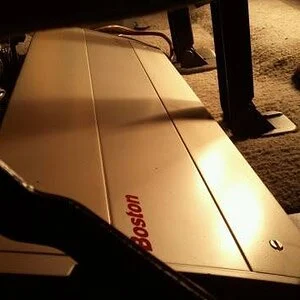
The amplifier rack was mounted directly to the top of the subwoofer enclosure using L-brackets and reinforced screws. This design choice is critical in SUV builds, where cargo space is at a premium. By mounting the amps directly to the enclosure, the builder creates a unified "bass module" that is easier to remove if the owner requires the full utility of the vehicle’s hatch.
Phase 3: Electrical Infrastructure
The most contentious and technical part of the build involves the power delivery. The Equinox currently operates on a factory alternator rated between 125 and 130 amperes. To support the planned dual-subwoofer setup and potential future amplifier additions, the builder is evaluating a transition to a high-output alternator (220A+) and the implementation of the "Big 3" electrical upgrade—a common practice of upgrading the alternator-to-battery ground, engine block ground, and chassis ground with high-gauge cabling to minimize voltage drop.
Supporting Data: Electrical and Acoustic Theory
One of the central debates in the "Equinox That Rocks" project is the routing of power cables. The builder initially proposed a direct run from the alternator to the rear of the vehicle, bypassing the primary battery for the main power feed to the amplifiers.

The Power Routing Debate
The community response to this proposal was swift and instructional. Experienced members of the car audio community pointed out that standard practice involves running power from the alternator to the primary battery, and then to the rear distribution blocks. The concern, voiced by fellow enthusiast "deez283," is that skipping the battery connection creates an unstable electrical environment. In a high-demand system, the battery acts as a crucial reservoir, smoothing out voltage spikes and dips. Without the battery in the primary circuit, the amplifiers may struggle with current delivery during heavy musical transients, potentially leading to equipment failure or clipping.
Acoustic Calculations and Subwoofer Choice
The builder is currently weighing the pros and cons of different subwoofer configurations:

- Dual 12-inch Subwoofers: Proposed configuration features the enclosure pushed against the rear seats, with subwoofers facing upward and the port facing the rear hatch. This orientation is intended to maximize "cabin gain," a phenomenon where the vehicle’s interior dimensions reinforce specific low-frequency wavelengths.
- Single 15-inch Subwoofer: A secondary option involves utilizing the spare tire well. By removing the factory subfloor foam, the builder identified enough volume to house a 15-inch driver, which could potentially offer deeper extension with a smaller total enclosure footprint.
The builder recalls past successes, specifically a setup in a Jeep Grand Cherokee featuring dual JBL P1224 subwoofers powered by a 1kW Alpine amplifier. That system, which achieved 145dB at 37Hz, serves as the benchmark for this current project.
Official Perspectives and Expert Insight
The discourse within the community provides a wealth of practical wisdom for the aspiring audio engineer. When the discussion turned to the potential addition of mid-bass speakers—specifically Def Bonce 6.5-inch drivers—the community engaged in a technical vetting process.

The Mid-Bass Challenge
The builder questioned the efficacy of Def Bonce mid-bass units. The expert consensus, provided by long-time enthusiast "spokey9," emphasized the importance of distinguishing between "mid-range" drivers and "dedicated mid-bass" drivers. A true mid-bass speaker must be capable of handling the 60Hz to 250Hz range with high excursion and minimal distortion. If a speaker is labeled as a "mid-bass" but lacks the necessary Xmax (maximum mechanical excursion), it will fail to provide the "punch" necessary to bridge the gap between the subwoofers and the high-frequency tweeters.
High-Output Alternator Considerations
The consensus on power is clear: the factory electrical system is the bottleneck of the entire project. While the builder is tempted to run 2/0 gauge cable directly to the rear to simplify the install, the community stresses that the "Big 3" upgrade is non-negotiable. Without a high-output alternator, any additional battery capacity is merely a temporary fix that will eventually be drained by the power-hungry amplifiers.
Implications for the Future of the Build
As "The Equinox That Rocks" continues to take shape, the implications for the owner are clear: this is a long-term investment in sound quality and electrical stability.
- System Reliability: By choosing to integrate the electrical upgrades (Big 3 and high-output alternator) before finishing the final wiring, the builder ensures that the system will not suffer from voltage-related issues during high-volume playback.
- Modular Design: The decision to mount the amps on a board atop the enclosure allows for future scalability. If the builder decides to transition to a single 15-inch subwoofer or add a second JP630 amplifier, the core infrastructure of the build will remain intact.
- Acoustic Tuning: The transition from 10-inch to 12-inch or 15-inch drivers will significantly alter the resonance of the vehicle. The builder’s willingness to experiment with port and subwoofer orientation suggests a commitment to tuning the system to the specific acoustics of the Equinox’s cabin.
Conclusion
The "Equinox That Rocks" project is more than just a hobbyist’s weekend repair; it is a complex installation that touches on the very core of modern automotive sound design. From the simple, effective replacement of interior bulbs to the nuanced debate over power routing and mid-bass frequency response, the project demonstrates the importance of research, community collaboration, and meticulous planning.

As the builder prepares to move into the final installation phase, the project stands as a testament to the dedication of car audio enthusiasts. By prioritizing electrical integrity and acoustic performance, ThxOne is building a system that is not only loud but also intelligently designed to withstand the rigors of high-power operation. Whether the final configuration utilizes a pair of hard-hitting 10s or a single, specialized 15-inch driver, one thing is certain: the Equinox is well on its way to becoming a formidable force in the world of mobile audio.