Overview: The Evolution of OEM Audio Integration
In the fast-evolving landscape of automotive electronics, the pursuit of high-fidelity sound remains a primary motivator for vehicle enthusiasts. A recent listing from a prominent automotive community highlights a significant trend: the shift from basic factory integration toward sophisticated, programmable Digital Signal Processing (DSP). As automotive manufacturers continue to standardize complex infotainment systems, the aftermarket sector is responding with hardware designed to bridge the gap between factory head units and professional-grade audio setups.
The recent offering of a pre-owned audio interface component—previously utilized in a 2020 Dodge Durango—serves as a case study for the current state of car audio modification. This transition, involving the removal of a standard integration interface in favor of an AudioControl DM-608 DSP, underscores the technical progression enthusiasts are taking to achieve superior frequency response and sound staging in modern vehicles.
Chronology of the Audio Modification
The timeline of this specific hardware transition reflects a common path for audiophiles upgrading modern vehicles.
Phase I: The Factory Baseline
The journey began with the owner of a 2020 Dodge Durango seeking to improve the vehicle’s stock output without discarding the factory head unit. Maintaining the OEM (Original Equipment Manufacturer) interface is a critical requirement for many modern drivers, as these units control climate, vehicle settings, and navigation. The initial setup utilized a standard integration module to capture signals from the factory system.
Phase II: Identifying Limitations
Over time, the user identified a ceiling in the audio performance. While the initial interface allowed for signal extraction, it lacked the granular control necessary to correct the specific frequency response curves often baked into factory-tuned amplifiers. The need for a more robust "range of frequencies" led the owner to seek a more comprehensive solution.

Phase III: The Upgrade Path
The owner opted to transition to an AudioControl DM-608 DSP. This device represents a step up in the hierarchy of audio components, offering 6-channel active speaker-level inputs and 8-channel output. By moving to this platform, the user transitioned from simple signal conversion to active sound field management.
Phase IV: Market Re-entry
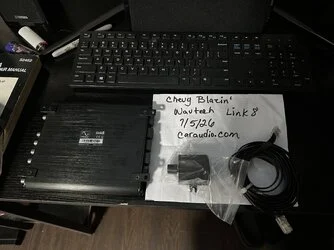
Following the successful installation of the DSP, the previously used integration hardware became surplus. On July 5, 2026, the user listed the component for sale at a price point of $190, inclusive of shipping within the United States. The unit includes the requisite control knob and cabling, marking the completion of the modification cycle.
Supporting Data: Understanding DSP Integration
To understand why an enthusiast would prioritize a DSP over a standard converter, one must look at the technical requirements of modern vehicle acoustics.
The Role of the DSP
A Digital Signal Processor acts as the "brain" of an audio system. Unlike a standard converter, which simply passes a signal from the head unit to an amplifier, a DSP:
- Corrects Factory EQ: Many modern vehicles come with aggressive factory equalization (EQ) designed to make low-quality speakers sound "better" at low volumes. A DSP allows the user to flatten these curves, providing a clean slate for aftermarket speakers.
- Time Alignment: This is the most critical feature for sound quality. By delaying sound output to specific speakers by milliseconds, the DSP ensures that audio from all drivers reaches the listener’s ears simultaneously, creating a "center stage" effect.
- Crossover Management: A DSP allows for precise control over which frequencies reach which speakers, preventing distortion and protecting high-frequency drivers from low-frequency stress.
The Hardware Value Proposition
The listing price of $190 for a used, condition-8 component suggests a strong secondary market for mid-to-high-tier audio integration tools. For buyers, purchasing pre-owned hardware from established enthusiasts offers a cost-effective way to bypass the expensive "new-in-box" retail pricing while acquiring equipment that has been tested in a real-world, high-traffic vehicle environment.

Professional Perspectives and Technical Implications
The shift toward more complex DSP integration has significant implications for both DIY installers and professional shops.
The "OEM Headunit" Dilemma
As infotainment systems become increasingly integrated into the vehicle’s CAN-bus (Controller Area Network), replacing the head unit has become nearly impossible. Consequently, the industry has seen a massive surge in the development of "high-level" integration modules. Experts note that the trend is no longer just about volume or bass; it is about fidelity.
"The goal is transparency," says one industry analyst. "When you integrate with a modern Dodge or Jeep infotainment system, the biggest challenge isn’t power; it’s signal cleanliness. The transition from a basic interface to a unit like the AudioControl DM-608 signifies that the user has moved from a ‘loudness’ mindset to a ‘sound stage’ mindset."
Impact on Vehicle Resale and Longevity
Modifying the electrical system of a 2020-era vehicle requires precision. The fact that the user retained the factory head unit is a vital point for vehicle longevity. By using non-destructive integration methods, owners can revert their vehicles to stock configurations before sale, preserving the value of the infotainment system while enjoying a premium audio experience during their ownership period.
Broader Implications for the Automotive Industry
The Rise of the Prosumer Installer
The listing in question highlights the rise of the "prosumer"—an enthusiast who possesses the technical knowledge to install, tune, and maintain professional-grade audio equipment. This demographic is driving innovation in the aftermarket space, pushing manufacturers to release more user-friendly software interfaces for their DSPs.

Sustainability through Second-Hand Markets
The secondary market for audio components is a vital part of the automotive circular economy. By selling the displaced hardware, the original owner subsidizes their next upgrade while providing a more affordable entry point for other enthusiasts. This cycle of "upgrade and re-list" keeps high-quality hardware in circulation, reducing the environmental impact of electronic waste.
Future Trends in Audio Integration
As we look toward 2027 and beyond, the integration of wireless high-resolution audio and AI-driven acoustic tuning will likely dominate the conversation. However, the foundational hardware—the DSP—will remain the centerpiece. Whether it is a luxury SUV or a standard commuter vehicle, the demand for high-fidelity sound remains a constant.
The sale of this specific component is more than just a simple transaction; it is a microcosm of the larger enthusiast hobby. It reflects the meticulous nature of the modern driver who values both the convenience of factory technology and the uncompromising quality of professional audio.
Conclusion
The modification journey documented by this specific Dodge Durango owner illustrates a broader trend in automotive customization. The transition from basic signal integration to advanced Digital Signal Processing is no longer a niche pursuit reserved for professional competition vehicles; it has become the standard path for any serious enthusiast looking to unlock the potential of modern factory infotainment systems.
With the hardware listed for $190, it remains an accessible entry point for those looking to replicate this high-fidelity experience. As vehicle technology continues to advance, the symbiotic relationship between complex factory electronics and aftermarket audio solutions will continue to drive innovation, ensuring that the quest for the "perfect sound" remains a cornerstone of the automotive experience. For the buyer, this represents an opportunity to acquire proven, effective hardware that has already been vetted in a high-demand, modern vehicle environment.