In the golden era of the 1970s and 80s, Japanese engineering became the gold standard for the high-fidelity movement. Companies like Onkyo were not merely manufacturers of audio equipment; they were curators of sonic landscapes, balancing exquisite aesthetic design with a musicality that resonated deeply within the audiophile community. As Onkyo celebrates its 80th anniversary, the company has looked to its own illustrious past to inform its future. The result is the new "Icon Series," anchored by the P-80 Network Preamplifier and the M-80 Power Amplifier—a duo that seeks to bridge the gap between vintage analog soul and the clinical precision of modern digital streaming.
Main Facts: The New Standard of High-Value Fidelity
The Onkyo Icon Series P-80 and M-80 are designed for the modern listener who refuses to compromise on quality but desires a streamlined, manageable system. At a price point that defies the "diminishing returns" curve often seen in high-end audio, this duo offers a robust suite of features that accommodate both the legacy vinyl enthusiast and the modern Roon-ready streaming devotee.

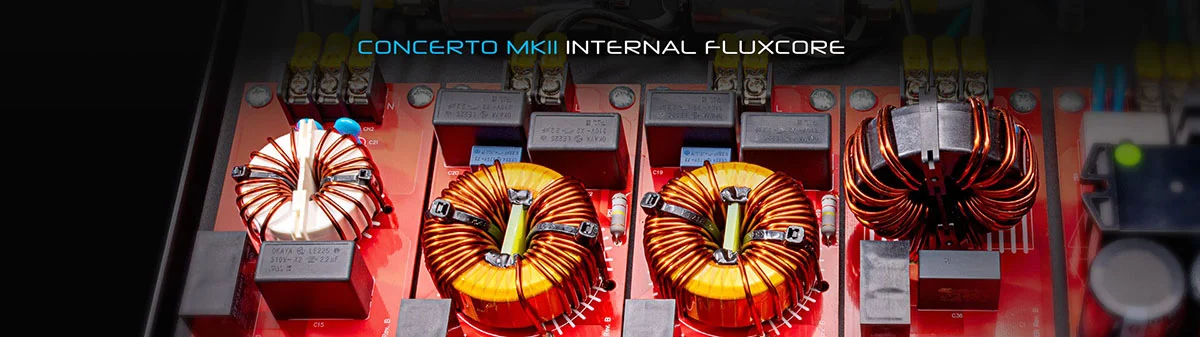
The M-80 Power Amplifier is a Class AB workhorse, delivering a stable 130 watts per channel into 8 ohms, and a muscular 200 watts per channel into 4 ohms. Its architecture is built around a three-stage Inverted Darlington circuit, a design choice specifically selected for its low output impedance and its ability to handle complex, low-impedance loudspeaker loads.
The P-80 Network Preamplifier, meanwhile, serves as the "brain" of the operation. It features an AKM AK4452 "Velvet Sound" DAC, integration for major streaming platforms like Qobuz, TIDAL, and Spotify, and a surprisingly high-performance phono stage capable of handling both Moving Magnet (MM) and Moving Coil (MC) cartridges. Most significantly, it incorporates Dirac Live Room Correction, a feature that brings sophisticated, computer-aided acoustic tuning to a traditional stereo setup.

A Chronology of Innovation: From Tradition to Connectivity
The development of the Icon Series was not a hurried endeavor. Rather, it represents a multi-year effort to refine Onkyo’s proprietary technologies.
The process began with the re-evaluation of the Dynamic Intermodulation Distortion Reduction Circuitry (DIDRC). Originally developed to give digital signals the "life" and fluidity of analog recordings, the current iteration of DIDRC has been refined and applied not just to the DAC, but throughout the phono amplifier circuit and the driver stage of the M-80.

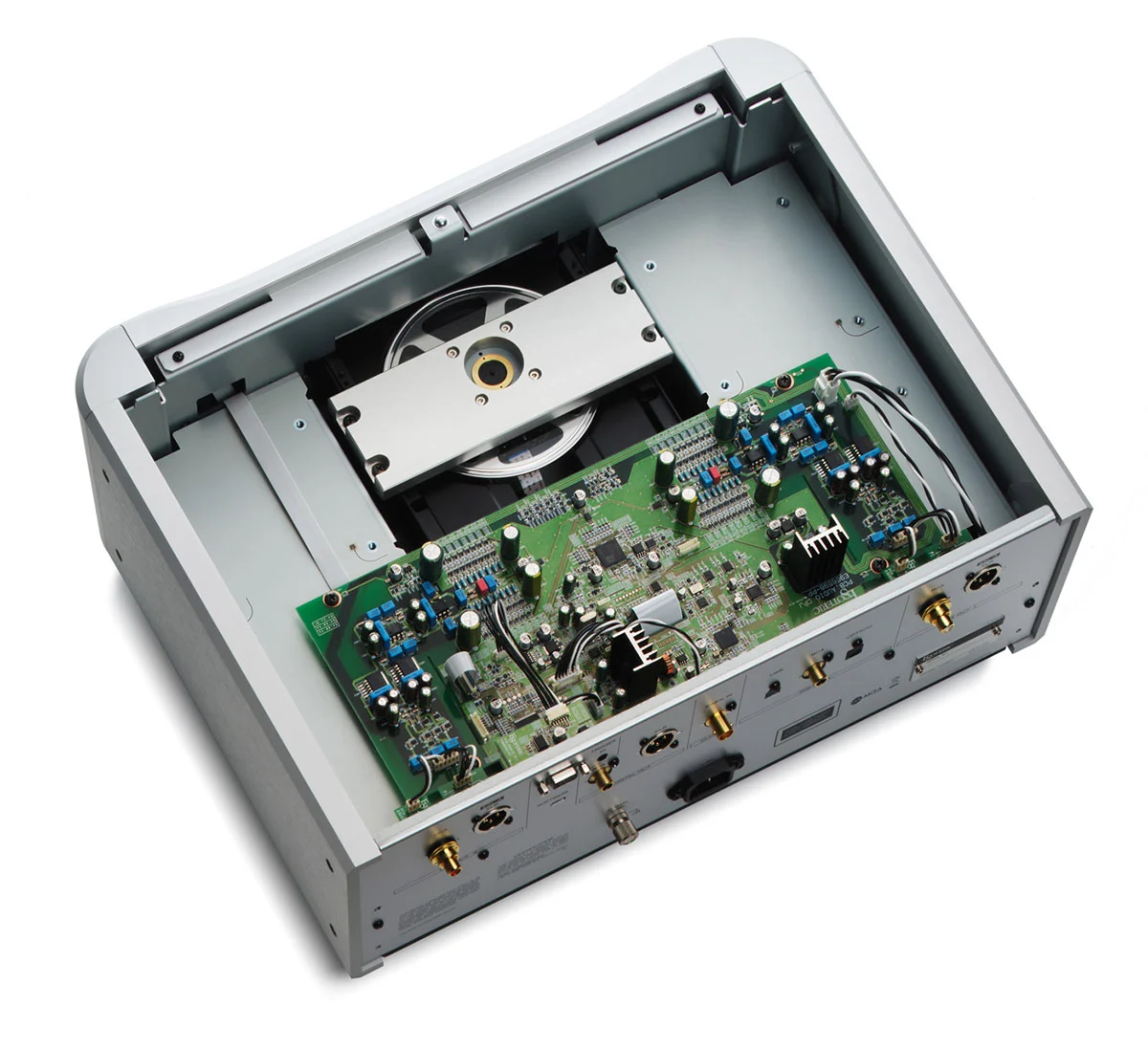
Following the conceptual design phase, the engineering team focused on chassis rigidity. Moving away from standard construction, the P-80 and M-80 utilize a three-piece housing system consisting of thick aluminum side panels and a reinforced steel top. By incorporating "oval press lines" on the chassis bottom, Onkyo successfully created a structural framework that disperses mechanical vibrations, ensuring that the internal components remain isolated from seismic interference.
The final stage of the rollout—the integration of the network and room correction software—required a shift in user experience. Recognizing that modern users expect app-based control, Onkyo developed the Onkyo Controller app. This allows for seamless firmware updates and network management, ensuring the hardware remains relevant as streaming standards evolve.

Supporting Data and Technical Specifications
The performance of the Icon Series is grounded in uncompromising specifications. The M-80’s power supply, anchored by custom-made 10,000uF capacitors, provides the instantaneous current necessary for high-dynamic-range recordings. The frequency response—a wide 5 Hz to 100 kHz—ensures that the amplifiers handle high-resolution audio with ease, capturing the subtle micro-details of a performance.
Onkyo M-80 Power Amplifier Highlights:
- Output Power: 130W (8 ohms), 200W (4 ohms)
- Amplifier Type: Class AB
- Total Harmonic Distortion: 0.08%
- Inputs: Balanced XLR and Unbalanced RCA
- Construction: Extruded aluminum heat sinks, copper bus bars, and high-current power supply
Onkyo P-80 Network Preamplifier Highlights:
- DAC Chipset: AKM AK4452 (Velvet Sound Architecture)
- Streaming Compatibility: Roon Ready, TIDAL Connect, Spotify Connect, AirPlay 2, Chromecast
- Room Calibration: Dirac Live Room Correction Suite (Stereo)
- Phono Stage: Discrete circuit for MM/MC cartridges
- Bass Management: Independent dual-subwoofer outputs with support for Dirac Live Bass Control
Official Perspectives: The Philosophy of the "Icon"
Onkyo’s engineering team has made it clear that the goal of the Icon Series is not to create a "clinical" or "sterile" sound. Instead, the focus is on "neutral, center-ground musicality."

"Our objective," stated a company representative during the launch, "was to remove the barrier between the listener and the intent of the artist." By utilizing the Velvet Sound DAC chipset and the high-slew-rate design of the DIDRC, Onkyo has successfully moved away from the digital harshness that often plagued mid-range equipment in the early 2000s.
The decision to include the Dirac Live Room Correction suite is perhaps the most significant "official" acknowledgment that the room, not the amplifier, is often the weakest link in a high-end system. By providing the user with tools to correct standing waves and frequency dips in the 20 Hz to 500 Hz range, Onkyo is acknowledging that modern high-fidelity is a collaborative effort between the hardware and the environment.

Implications for the Audiophile Market
The arrival of the Icon Series has sent ripples through the audiophile community, particularly among those who have spent decades loyal to vacuum tube technology. In rigorous testing, including direct comparisons against high-end tube monoblocks, the Onkyo P-80 and M-80 proved that solid-state equipment has evolved to a point where the "warmth" of tubes is no longer the only path to musicality.
1. The Death of the "Expensive-Only" Paradigm
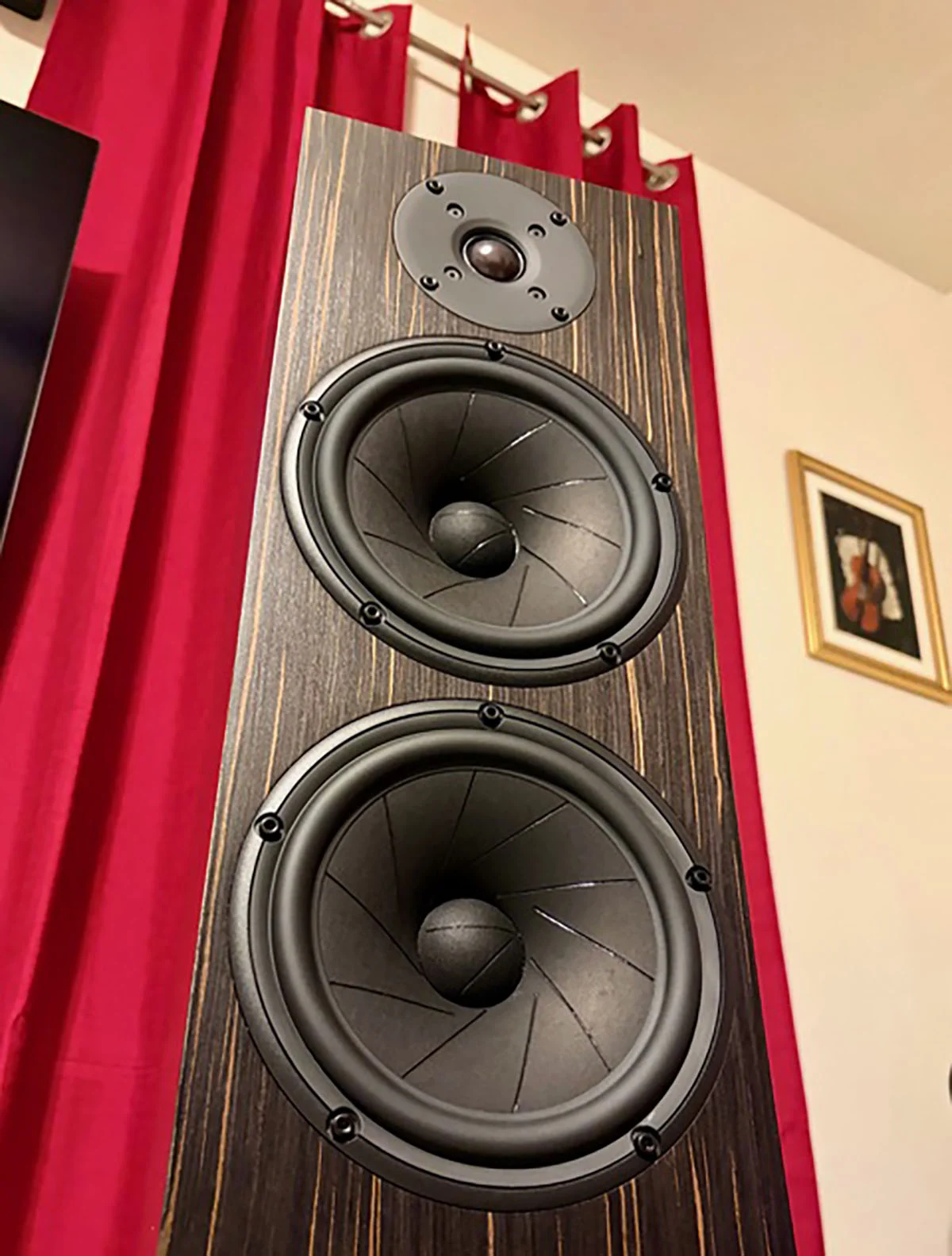
Perhaps the most profound implication is the shift in value-to-performance expectations. For many years, an amplifier set capable of driving challenging speakers—such as the B&W 801 Nautilus—with "iron-fist control" would have commanded a price tag well into the five-figure range. The Icon Series, priced competitively in the under-$8,000 bracket, challenges the necessity of such expenditures. It forces consumers to ask: "Do I need to spend more to get more?"

2. The Integration of Digital and Analog
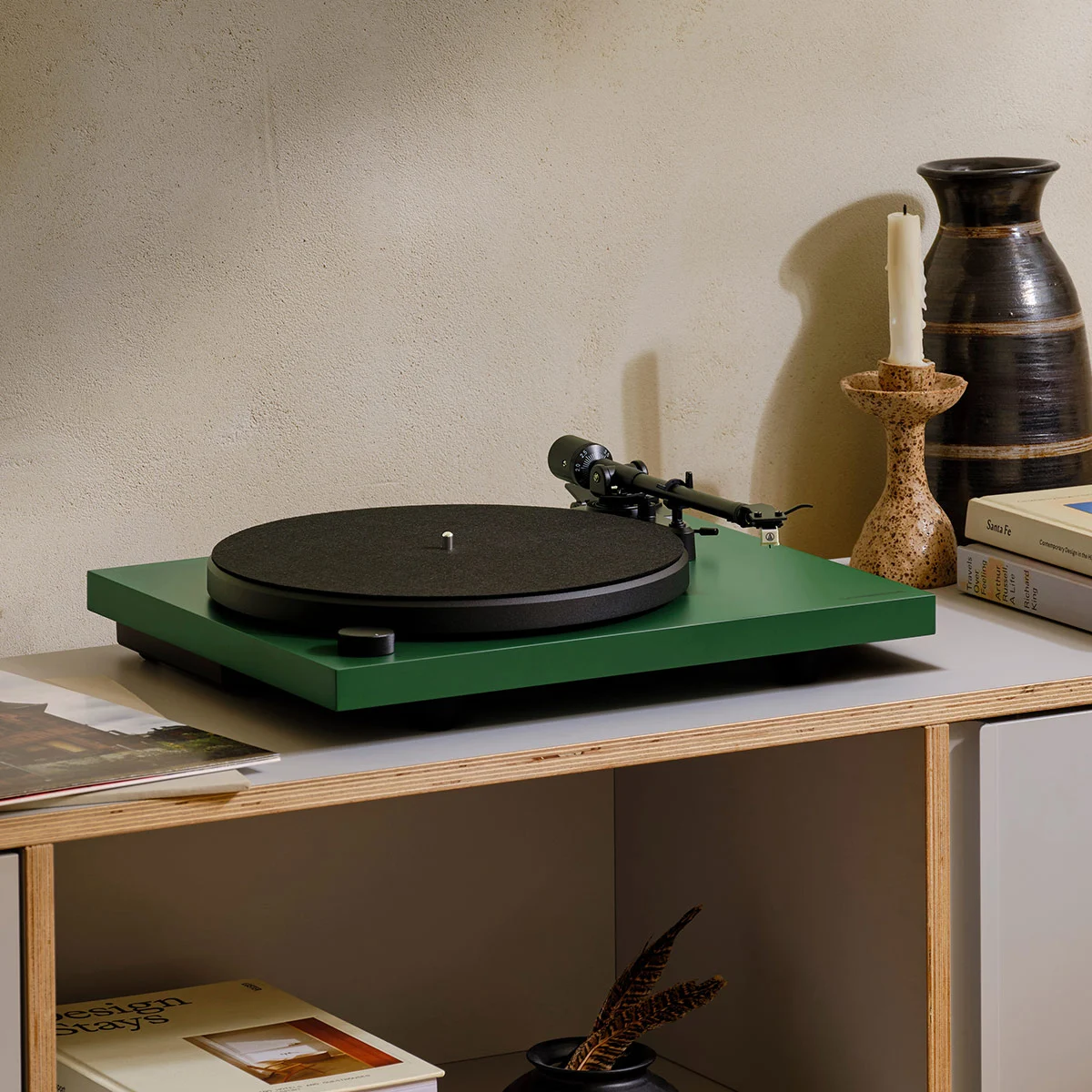
The P-80 represents a successful hybrid approach. By housing a high-quality MM/MC phono stage alongside an advanced network streamer, Onkyo has recognized that today’s audiophile is likely to own both a vintage turntable and a Roon library. The ability to switch seamlessly between a delicate vinyl playback and a high-resolution 24-bit/192kHz digital stream—without losing the "soul" of the music—is a technical feat that many manufacturers have failed to achieve.
3. Future-Proofing through Software
Finally, the reliance on the Onkyo Controller app and Dirac Live firmware signifies a shift toward "software-defined hardware." Unlike the static amplifiers of the 80s, the P-80 is a living component. As streaming services update their protocols or as Dirac releases new algorithms for bass management, the user can upgrade their system performance without replacing the hardware.

Final Verdict: A Must-Audition Duo
For the listener who values precision, authority, and the convenience of modern connectivity, the Onkyo Icon Series P-80 and M-80 are not just optional upgrades—they are essential components. They manage the difficult task of being both technically perfect and emotionally engaging. Whether it is the blistering pace of a Chinese Pipa solo or the subtle decay of a piano note in a medieval church, the Icon Series reproduces the event with a level of fidelity that belies its cost.
As the industry continues to push toward increasingly complex and expensive solutions, Onkyo has done the exact opposite: they have refined the essentials, embraced the future of room acoustics, and delivered a product that makes high-end audio accessible once more. For those who have been waiting for a reason to reinvest in a dedicated 2-channel setup, the wait is over. The Icon Series is, quite simply, a triumph of 80 years of engineering prowess.