In the digital landscape, user interface (UI) design is typically governed by a delicate balance: provide enough guidance to improve functionality without crossing the line into harassment. Most social media platforms opt for subtle nudges—a soft glow on a button, a gentle notification badge, or an unobtrusive prompt. However, as of late October 2026, X (formerly Twitter) has abandoned subtlety in favor of a jarring, almost visceral user experience intervention that has left its user base bewildered and, in some cases, genuinely spooked.
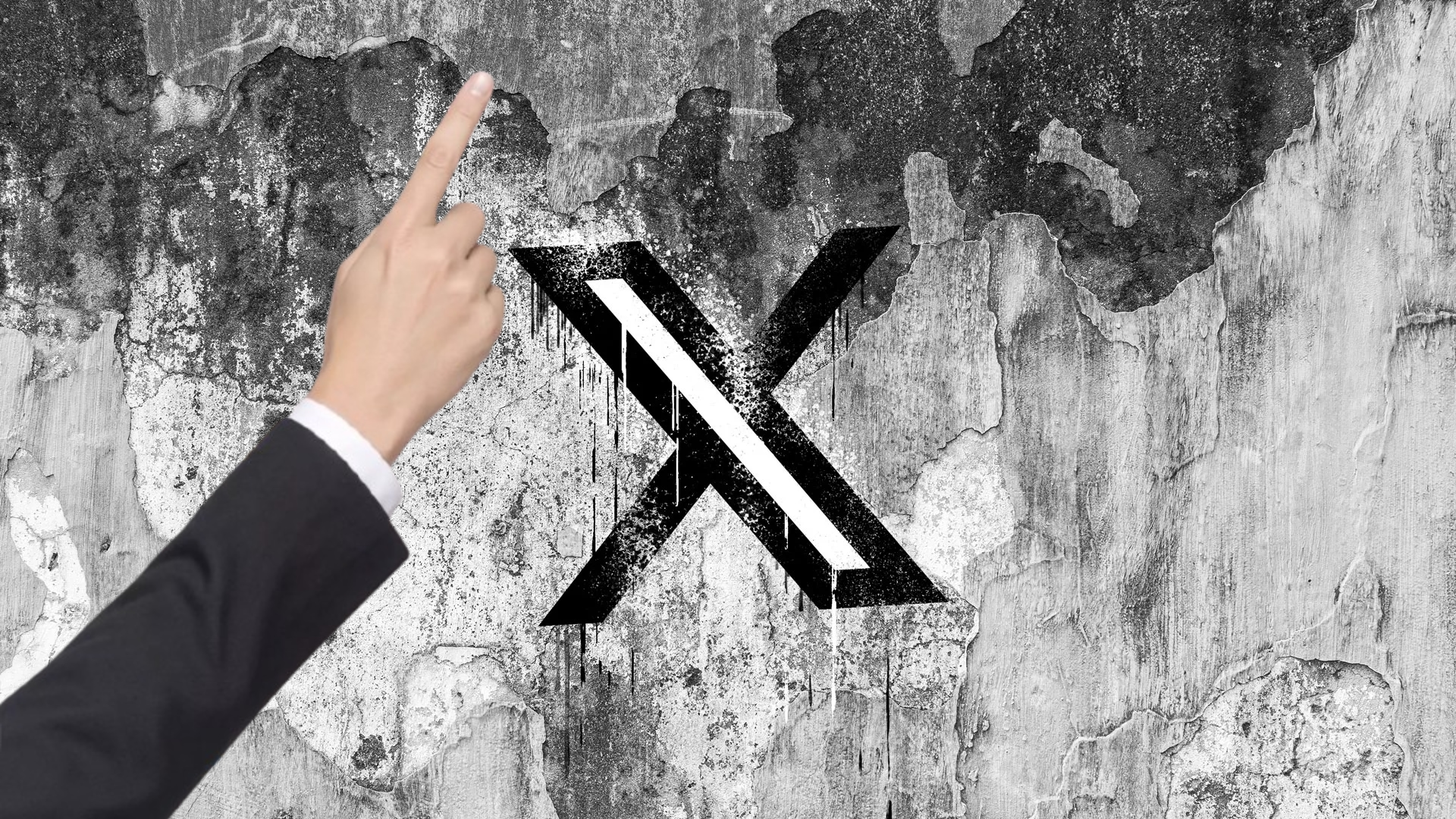
Over the last 24 hours, users composing posts on the platform have reported the sudden appearance of a graphic, disembodied hand pointing directly at the “Promote” button. The animation, which appears mid-composition, has been widely criticized as an aggressive, “in-your-face” growth tactic that disrupts the sanctity of the writing experience.
Main Facts: The Anatomy of a Disruption
The phenomenon began appearing on user screens globally on October 26, 2026. According to reports from frustrated users, the animation triggers specifically when a user is in the process of drafting a post. Without warning, a large, stylized hand reaches into the interface to physically gesture toward the “Promote” button—a feature designed to allow users to pay for increased reach for their content.
The intrusion is not merely a static UI element; it is a high-visibility, attention-grabbing animation that effectively obstructs the user’s focus. For many, the sudden appearance of the hand serves as a "jump scare," a term usually reserved for horror cinema rather than microblogging platforms. The timing appears to be somewhat randomized, though users have noted it can appear during moments of high engagement or while typing specific keywords, suggesting a sophisticated, if polarizing, algorithmic trigger.
Chronology: From Feature Rollout to Community Backlash
The rollout of this feature occurred in the immediate aftermath of a significant leadership transition at X.
- August 2026: Nikita Bier, the former head of product who was widely associated with high-growth, high-retention design tactics, stepped down from his position at X after nearly a year of service.
- October 26, 2026: Peter Sellis, formerly of Snap and Discord, officially announced his tenure as the new head of product at X. In his announcement, Sellis hinted at a bold vision for the platform, famously stating his desire to "make shitposting multiplanetary."
- October 26–27, 2026: Almost simultaneously with the announcement of the new leadership, users began reporting the appearance of the “pointing hand” animation. By the evening of October 26, social media threads were flooded with screenshots and videos of the feature in action, with users comparing it to everything from a "dark pattern" to a Halloween-themed prank gone wrong.
The rapid deployment of such a controversial UI element during a transition of power has led many to speculate whether the hand is the first signature "growth hack" of the Sellis era, or perhaps a lingering remnant of the previous product team’s final projects.
Supporting Data and User Sentiment
The reaction to the "pointing hand" has been overwhelmingly negative, characterized by frustration rather than genuine interest in the "Promote" feature. On the platform itself, users have expressed a spectrum of annoyance.
Ershad Kaleebullah, a prominent user, voiced his disdain, noting: "WTF @elonmusk, if I wanted jump scares I would’ve watched a horror movie instead." His tweet, which highlighted the irony of the hand appearing while he was writing about "engagement farming," went viral, accumulating thousands of interactions as other users chimed in with similar experiences.
Dylan Abruscato, president of the TBPN podcast, categorized the tactic as "the most Nikita-coded thing I’ve ever seen." This label serves as a shorthand for a specific style of product design—one that prioritizes aggressive user funneling and immediate, albeit intrusive, conversion metrics over long-term user satisfaction. While some industry analysts argue that such "obstructive" design is undeniably effective at forcing the "Promote" button into the user’s consciousness, the prevailing sentiment is that it degrades the quality of the platform.
The Philosophical Shift in Product Design
The implementation of the pointing hand marks a departure from standard design heuristics. Jakob Nielsen’s famous "10 Usability Heuristics for User Interface Design" emphasize that systems should speak the users’ language and be minimalist in design. A large, intrusive hand pointing at a monetization feature violates the principle of "aesthetic and minimalist design," as it clutters the interface with irrelevant, non-functional visual noise.
However, modern growth hacking often ignores these traditional rules in favor of behavioral psychology. By utilizing an animation that mimics a human gesture, X is attempting to trigger a primal "look here" reflex. The psychological intent is to reduce the cognitive friction of the "Promote" button; if the user doesn’t have to look for the button, they are theoretically more likely to click it.
Yet, the risk is a phenomenon known as "UI fatigue." When a platform constantly nags its users with high-intensity visual cues, the users begin to develop a defensive mechanism, tuning out not just the invasive ads but the platform’s core functionality as well. If X’s goal is to turn "shitposting into a multiplanetary" endeavor, they must determine if the annoyance generated by these tactics outweighs the marginal increase in ad revenue.
Official Responses and Corporate Silence
As of the time of writing, X has maintained a policy of silence regarding the "pointing hand." The company’s press office has not issued a statement confirming whether this is a permanent feature, a limited-time A/B test, or an early-onset Halloween stunt.
The appointment of Peter Sellis as head of product has left industry observers looking to him for answers. Sellis has a track record of implementing user-centric features at platforms like Discord, which makes the introduction of such an aggressive, "growth-at-all-costs" tactic somewhat incongruous with his reputation. Whether the hand is an extension of his strategy to boost revenue immediately upon arrival, or a legacy feature he has inherited, remains the subject of intense debate among tech analysts.
Implications: The Future of Monetization
The implications of this incident are twofold. First, it signals that X is under immense pressure to monetize its user base. As the platform continues to iterate, the line between "useful feature" and "obstructive ad" is becoming increasingly blurred. This strategy, while potentially profitable in the short term, poses a long-term threat to the user experience.
Second, the "pointing hand" sets a dangerous precedent for social media design. If other platforms observe a spike in "Promote" button clicks—even if driven by accidental clicks or user frustration—they may be tempted to adopt similar, high-aggression UI patterns. This could lead to a digital environment where the primary goal of every interface is not to facilitate communication, but to capture the user’s attention for the sake of monetization.
For now, users remain trapped in a digital experience where a simple post-composition window can suddenly transform into a high-pressure sales environment. Whether X will heed the backlash and walk back the feature, or double down on its aggressive growth tactics, will be a key indicator of the company’s direction under the new product leadership.
As October draws to a close, one thing is certain: the platform’s users are not amused. For a site that prides itself on being the "global town square," the feeling of being poked, prodded, and "jump-scared" into spending money is a far cry from the open, frictionless experience that users once valued. The hand may be pointing at the "Promote" button, but for many, it is effectively pointing them toward the exit.