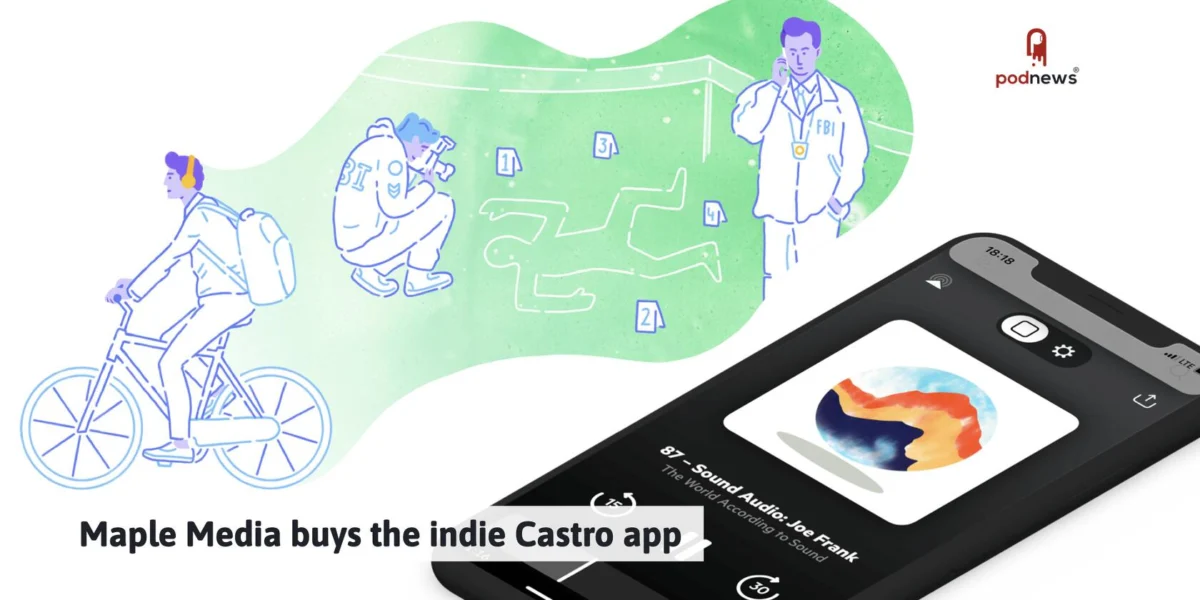
In a significant consolidation move within the podcasting ecosystem, Maple Media—a technology firm known for acquiring and scaling niche mobile applications—has officially announced the acquisition of Castro, one of the most beloved independent podcast players in the iOS market. The deal, finalized in October 2026, marks the end of an era for the app’s long-standing independent stewardship and signals a pivot toward potential monetization and feature integration under corporate management.
The Main Facts: What We Know
The acquisition of Castro by Maple Media is the latest in a string of strategic purchases by the Los Angeles-based developer. Castro, which built its reputation on a distinct “triage” system for managing vast queues of podcast episodes, has long been a favorite among power users who prioritize design and efficiency.

While financial terms of the deal remain undisclosed, industry analysts suggest that Maple Media intends to leverage Castro’s loyal user base to bolster its broader portfolio of mobile productivity and media tools. For existing users, the transition raises immediate questions regarding the future of the app’s subscription model, the integrity of its unique user interface, and the long-term commitment of the new owners to the platform’s distinct, minimalist aesthetic.
Maple Media has historically focused on acquiring apps that have reached a plateau in growth, applying their internal expertise in monetization, ad-tech integration, and platform optimization to revitalize revenue streams. The acquisition is not merely about the code; it is about the acquisition of a specific, high-intent user demographic that has remained fiercely loyal to the Castro ecosystem for years.

A Chronology of the Deal
The path to this acquisition was not sudden. Over the past several years, the landscape for independent podcast apps has become increasingly volatile. Increased competition from tech giants like Apple, Spotify, and YouTube, combined with the rising costs of server maintenance and API stability, placed immense pressure on small-scale developers.
- Mid-2025: Rumors began circulating regarding the sustainability of independent podcast players as several smaller apps announced closures or pivots.
- Early 2026: Castro’s development team publicly acknowledged the challenges of keeping pace with rapid iOS updates and the need for significant infrastructure upgrades.
- Q3 2026: Confidential negotiations between the Castro ownership group and Maple Media reached an advanced stage. During this period, the app saw a slight lull in feature updates, which retrospectively indicated a transition phase.
- October 12, 2026: The official announcement of the acquisition was released, confirming that Maple Media had assumed control of the brand, the intellectual property, and the existing user base.
Supporting Data: The Current Podcast Landscape
The podcasting industry, while mature, continues to show deep fragmentation in how listeners consume content. Data from October 2026 indicates that while the market is dominated by behemoths, there remains a persistent "long tail" of listeners who demand more sophisticated tools than the default players provide.

- Market Dominance: Currently, The Daily maintains its stronghold as the #1 podcast on Apple Podcasts in the United States, while The Joe Rogan Experience continues to lead the charts on Spotify. These figures illustrate the "winner-take-all" nature of the top-tier content market.
- Emerging Trends: The "highest new entry" metrics, such as La Revue Juridique climbing to #3 in the Irish Courses category, suggest that listeners are increasingly seeking niche, educational, and professional content.
- The Power of Discovery: The success of shows like Miami Mystery: The Disappearance of Olavi Hendrickson highlights that audiences are hungry for high-production-value investigative journalism. The discovery of such content is precisely where apps like Castro have traditionally excelled, offering features that allow users to filter the noise and prioritize high-quality storytelling.
Official Responses and Strategic Vision
In the wake of the announcement, the technology community has been vocal. Maple Media has released a brief statement emphasizing their "commitment to maintaining the spirit of the Castro app" while acknowledging the need for "long-term sustainability."
Critics and power users, however, remain skeptical. Maple Media’s track record involves aggressive ad monetization in their other apps, which has often been at odds with the clean, distraction-free experience that Castro’s user base expects.

"We are looking forward to bringing the expertise we’ve developed in the media space to the Castro platform," said a representative from Maple Media. "Our goal is to ensure that the app remains a top-tier choice for podcast enthusiasts while exploring new ways to connect creators with their audiences."
Conversely, independent developers have expressed concerns about the "corporatization" of tools built for enthusiasts. The fear is that the "triage" features—which essentially discourage mindless browsing—might be replaced by algorithms designed to maximize time-in-app and ad impressions.

Implications for the Industry
The acquisition has broader implications for the podcasting industry. It highlights the vulnerability of independent software in an era where platform integration is key.
1. The Death of the "Indie" Player?
As Apple and Spotify continue to bake podcasting into the core of their operating systems, the space for independent players is shrinking. The acquisition of Castro suggests that the only way for niche apps to survive is through consolidation. If an app can no longer sustain itself on a subscription model alone, it must either sell to a larger firm or face obsolescence.

2. Monetization vs. User Experience
The central tension in this acquisition is the conflict between user experience (UX) and revenue. Castro was designed to save the user time; a typical corporate media app is designed to capture the user’s time. How Maple Media reconciles these two opposing philosophies will determine the long-term survival of the app. If they push for too many ads or data-tracking features, they risk alienating the very users who made Castro successful.
3. The Future of RSS
Despite the rise of closed, proprietary systems like those of Spotify, RSS remains the backbone of the medium. Castro has always been a champion of the open RSS standard. The industry is watching to see if Maple Media will continue this commitment or if they will attempt to nudge the platform toward a more walled-garden approach to favor internal content partnerships.

4. Impact on Content Creators
For creators, the acquisition could be a double-edged sword. If Maple Media improves the discovery engine within Castro, it could lead to higher download numbers for independent podcasters. However, if the app changes its interface in a way that hides certain shows or pushes sponsored content, it could disrupt the delicate ecosystem of podcast discovery.
Conclusion: A Turning Point
The acquisition of Castro by Maple Media is more than just a business transaction; it is a barometer for the state of the podcasting app market. As the industry moves further away from its wild-west beginnings into a more structured, corporate-dominated era, the tools we use to navigate this content are changing.

Whether Maple Media can successfully bridge the gap between profitable corporate management and the high standards of the indie-tech community remains to be seen. For now, the millions of users who rely on the "triage" method to manage their daily listening habits are holding their breath, waiting to see if their favorite app will remain a tool for efficiency or become another cog in the corporate content machine.
The coming months will be critical. If the update cycle remains consistent and the core functionality of the app is preserved, this acquisition might be remembered as the moment Castro finally found the resources it needed to compete at scale. If, however, the user experience begins to degrade, it will serve as a stark reminder of the fragile nature of independent software in the modern age.

For listeners, the best course of action is to monitor the app’s performance in the coming weeks, keep an eye on subscription changes, and remain vocal about the features that make Castro indispensable. The podcasting world is watching, and the outcome will set a precedent for how other independent media tools are acquired and integrated in the future.