TORONTO — In the modern architecture and interior design landscape, the old adage rings truer than ever: no two projects are ever truly alike. While it remains tempting for builders, contractors, and acoustic engineers to group spaces with similar footprints or functional requirements under a single umbrella, reality rarely cooperates. Every house of worship, recording studio, corporate boardroom, and public gathering space possesses a distinct DNA. They vary not merely in structural materials and square footage, but in architectural shape, volume, and overarching design intent.
For decades, the industry standard leaned heavily toward universal, out-of-the-box acoustic solutions. While straightforward and initially cost-effective, these rigid systems force a compromise between sonic performance and visual aesthetics. Today, however, a quiet revolution is taking place in the architectural acoustics sector. Leading manufacturers and designers are proving that effective sound control no longer requires sacrificing a room’s visual integrity. At the forefront of this movement is Primacoustic’s EcoScapes system—an eco-friendly, highly adaptable product line that treats customization not as an expensive luxury, but as an essential baseline for modern spaces.
Main Facts: The Shift Toward Adaptable Acoustic Design
The core challenge of architectural acoustics lies in a fundamental tension: sound waves behave according to strict physics, while human spaces are designed around emotion, brand identity, and architectural uniqueness.
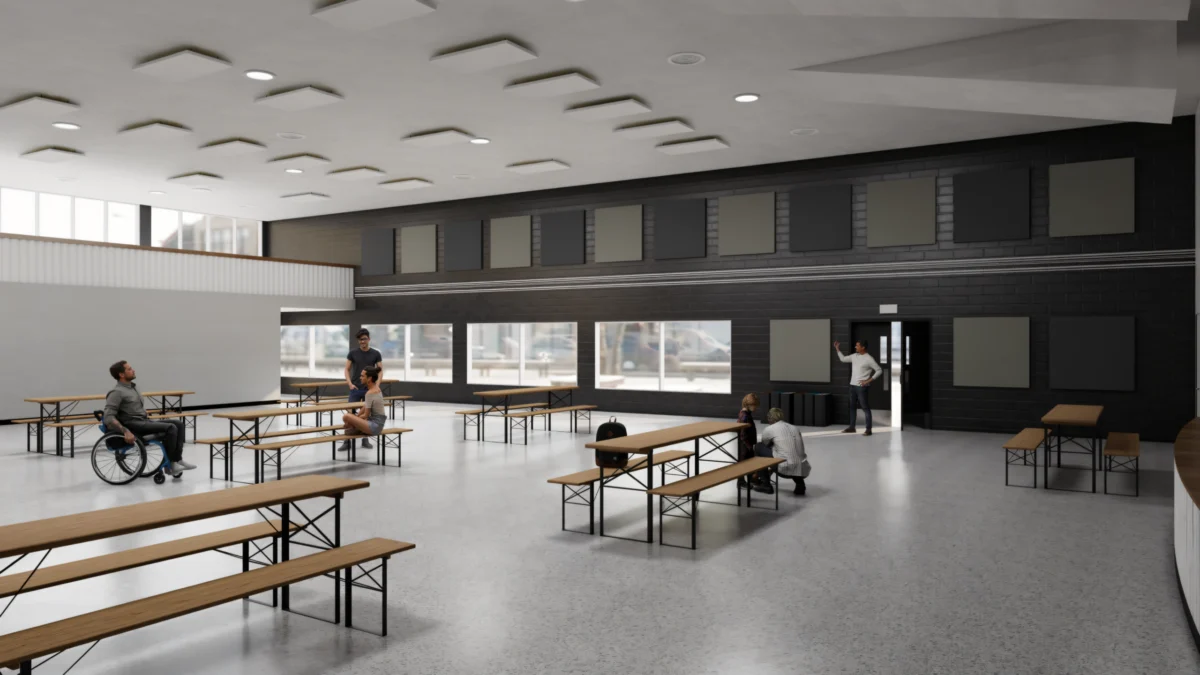
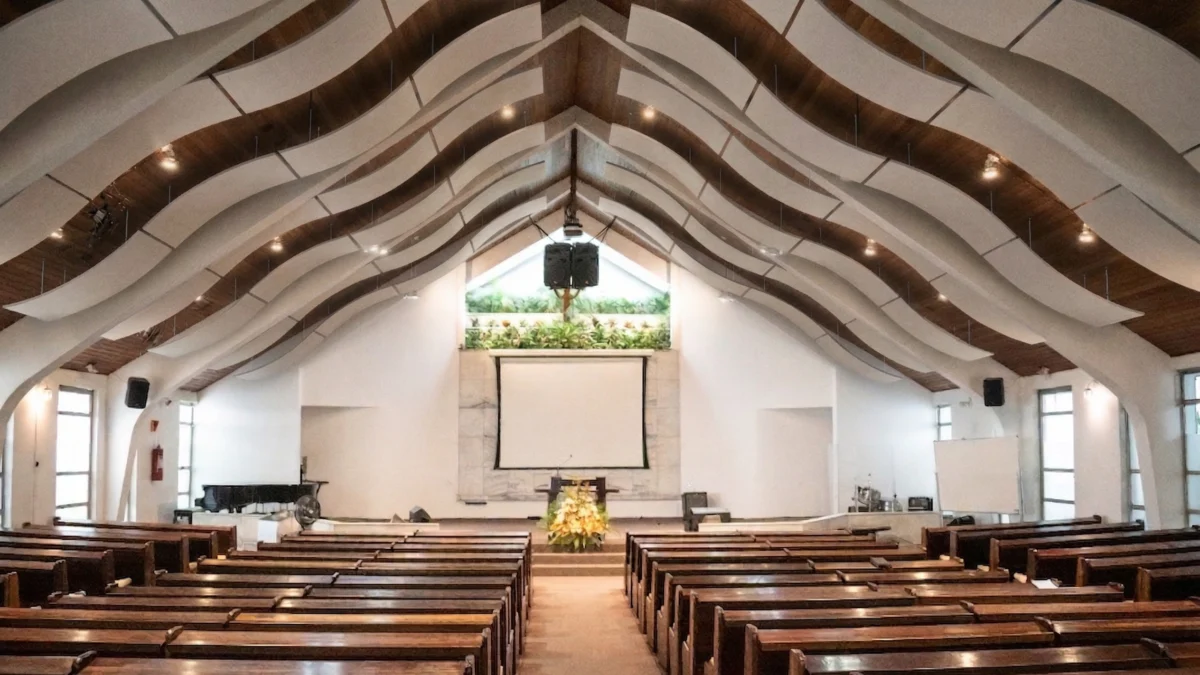
- The Diversity of Spaces: Whether addressing the high-impact acoustic demands of a commercial golf simulator, the reverent and speech-focused environment of a house of worship, or the high-end aesthetic requirements of a luxury restaurant, universal acoustic panels often fail to integrate seamlessly.
- The Material Innovation: Systems like EcoScapes are engineered entirely from high-grade polyethylene terephthalate (PET) plastic, sourced directly from recycled plastic bottles. This consistent material foundation provides a uniform eco-friendly baseline while supporting advanced fabrication techniques.
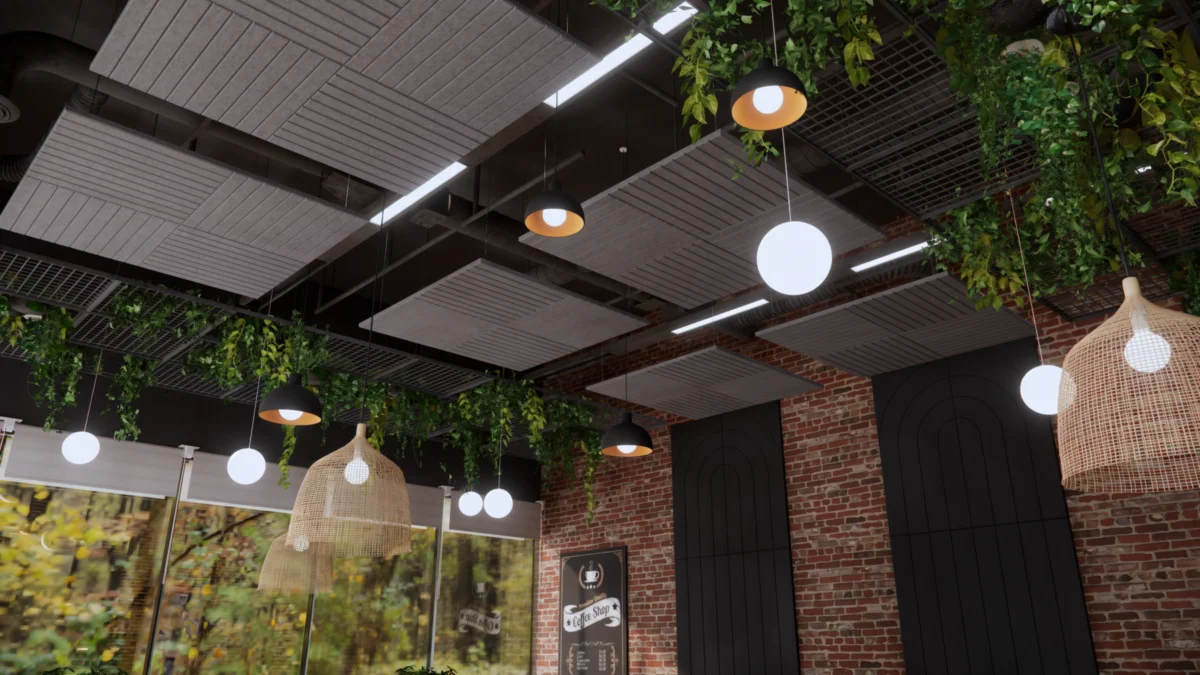
- Expanding Product Ecosystems: Modern acoustic lines have evolved far beyond standard flat wall panels. Today’s comprehensive systems incorporate ceiling-mounted Blades, three-dimensional architectural baffles, and precision CNC-carved Contour Panels that double as custom art installations.
- The Customization Standard: True customization involves more than just selecting a different color swatch. It requires the ability to cut treatments on-site, match pre-existing architectural elements, conceal unsightly building infrastructure, and respect complex lighting layouts without diminishing sound-absorption coefficients.
Chronology: The Evolution of Modern Acoustic Integration
To understand where the industry stands today, it is helpful to trace how acoustic treatments have evolved from utilitarian afterthoughts into integral design elements.

Phase 1: The Utilitarian Era (Late 20th Century)
Historically, acoustic treatments were introduced late in the construction timeline—often as a corrective measure after a building was finished and occupants realized the echo or reverberation was intolerable. These early interventions relied on exposed fiberglass or foam panels that were purely functional, visually unappealing, and rarely matched the interior design scheme. Architects viewed them as necessary evils to be hidden rather than celebrated.
Phase 2: The Rise of Fabric-Wrapped and Standardized Panels
As commercial spaces grew more sophisticated, manufacturers introduced fabric-wrapped panels in standardized sizes and neutral colors. While this improved aesthetics, it still locked designers into rigid grids. Rooms with slanted ceilings, curved walls, or exposed industrial piping posed immense installation hurdles, frequently forcing compromises where aesthetic design had to bend to accommodate acoustic limitations.
Phase 3: The Sustainable, Solution-First Era (Present Day)
With the launch and continuous expansion of systems like Primacoustic’s EcoScapes, the timeline has shifted toward proactive, sustainable integration. Acoustic design now happens concurrently with architectural planning. Utilizing recycled PET materials that can be CNC-carved, painted, printed, and structurally manipulated, modern systems allow designers to map out sound absorption during the initial blueprints, ensuring that acoustic performance enhances—rather than detracts from—the visual environment.
Supporting Data and Industry Insights
The movement away from rigid, one-size-fits-all models is backed by real-world feedback from installers, integrators, and acoustic consultants who deal with architectural anomalies on a daily basis.
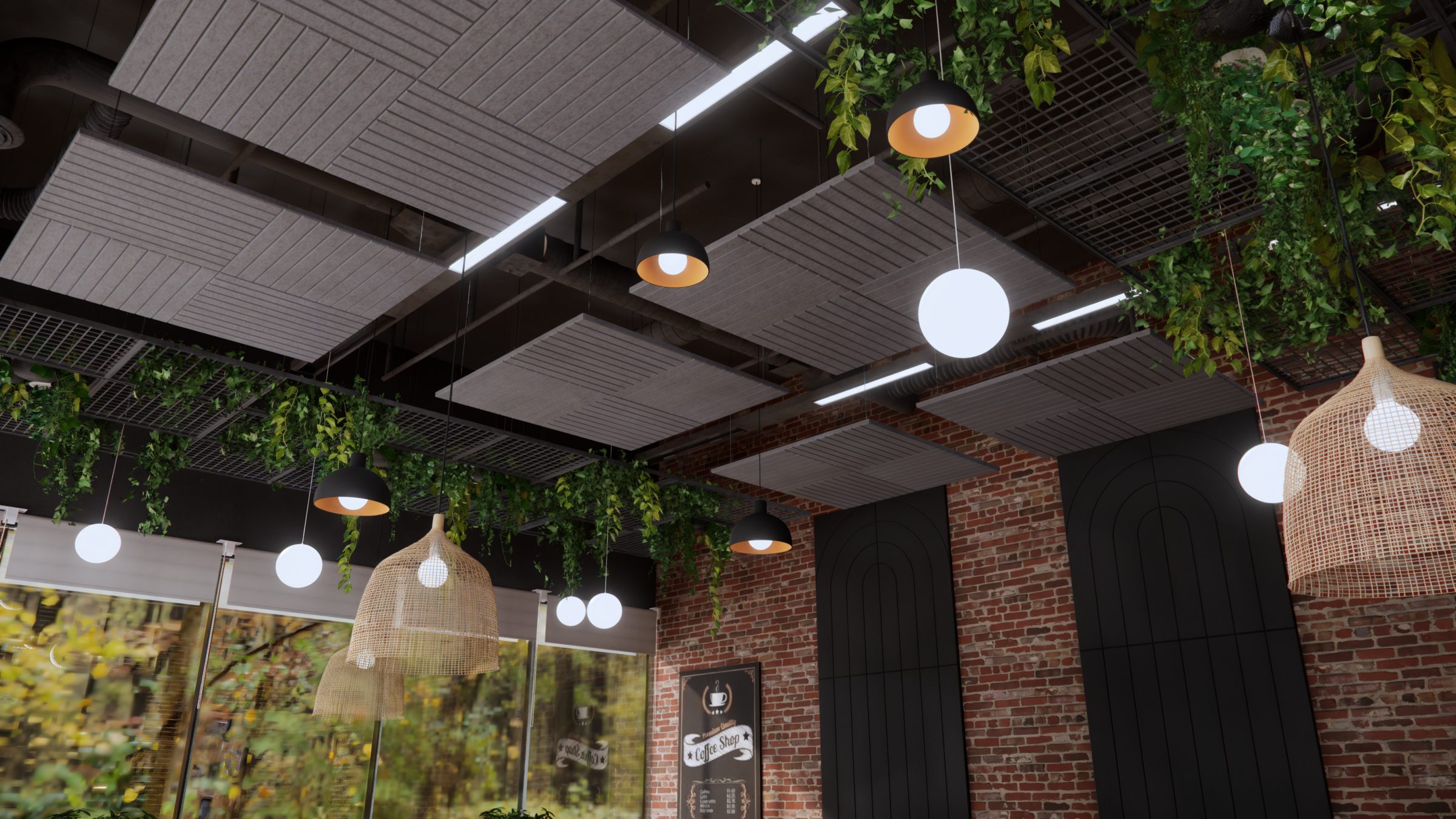
Industry professionals frequently encounter spaces featuring structural challenges that render traditional off-the-shelf calculators useless. Slanted ceilings, concrete pillars, historic masonry, and complex HVAC ductwork require building blocks that can adapt in real-time.
Furthermore, sustainability metrics have become non-negotiable for commercial developers. Using PET plastic derived from recycled bottles allows projects to secure valuable points under green building rating systems (such as LEED) while simultaneously delivering superior NRC (Noise Reduction Coefficient) ratings.
By leveraging digital design tools, modern integrators can input precise room dimensions, preview panel placements, and generate photorealistic renderings for clients before a single physical panel is ordered. This data-driven approach removes the guesswork from acoustic planning, bridging the gap between theoretical calculations and practical installation.
Official Responses and Perspectives from the Field
The transition toward flexible, design-forward acoustics has garnered strong endorsement from the architectural and integration community. Industry leaders emphasize that collaboration and adaptability are the true keys to modern project success.
"With both Paramount and Primacoustic, it’s like, ‘this is a challenge, not a problem; let’s figure it out.’"
— Marty Nightingale, Designer, Paramount Automation
This sentiment is echoed by project stakeholders who prioritize seamless integration over overt technological visibility. For high-end hospitality venues, the metric of a successful acoustic installation is often invisible intervention.
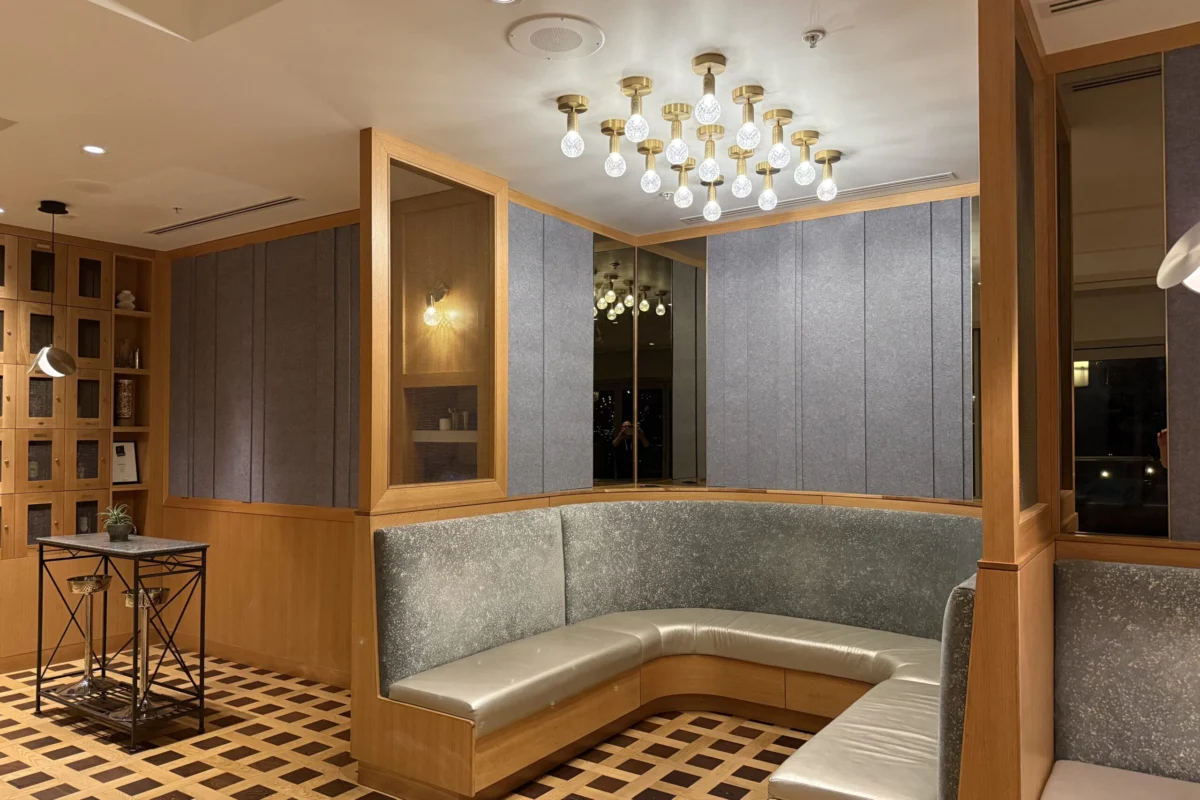
"Terminal City Club had won several design awards, so we wanted people to hear the difference, but not see the difference. Since the installation, I have had people ask what we did and where the panels are, so they’ve noticed a difference in sound, but haven’t seen a difference."
— Iain Fletcher, Director of Club Outlets, Terminal City Club (TCC)
For AV integrators and acoustic dealers, having access to scalable systems transforms how they interact with their clientele. Instead of forcing a client to compromise on their interior vision, versatile systems empower dealers to tackle complex architectural canvases with absolute confidence.

"Primacoustic has helped elevate me as an integrator and what I can present to the customers. They’ve been excellent—right from the product to the service! They are constantly working on products that can be outfitted in all kinds of spaces; right from a simple square room to massive, interesting, and intricate spaces."
— Tracey Cochrane, Owner and Manager, Points West Audio Visual and Acoustics
Drew Campbell, Founder and Owner of Paramount Automation, highlights the collaborative ethos required to push the envelope in modern interior design:
"We work well together because we’re like-minded, because we complement each other. And Primacoustic is always open to feedback, which fosters a ‘how can we do this better’ approach."
Implications: The Future of Architectural Sound Control
The shift toward flexible, sustainable acoustic systems carries profound implications for architects, interior designers, and building owners alike.

1. The Redefinition of Customization
Customization is no longer reserved for multi-million-dollar performing arts centers. Because modern PET-based systems can be easily cut on-site or precision-carved via CNC technology, bespoke acoustic treatment has been democratized. Standard product lines now inherently possess modular flexibility, turning every room into a tailored canvas.
2. Elevating Form and Function Simultaneously
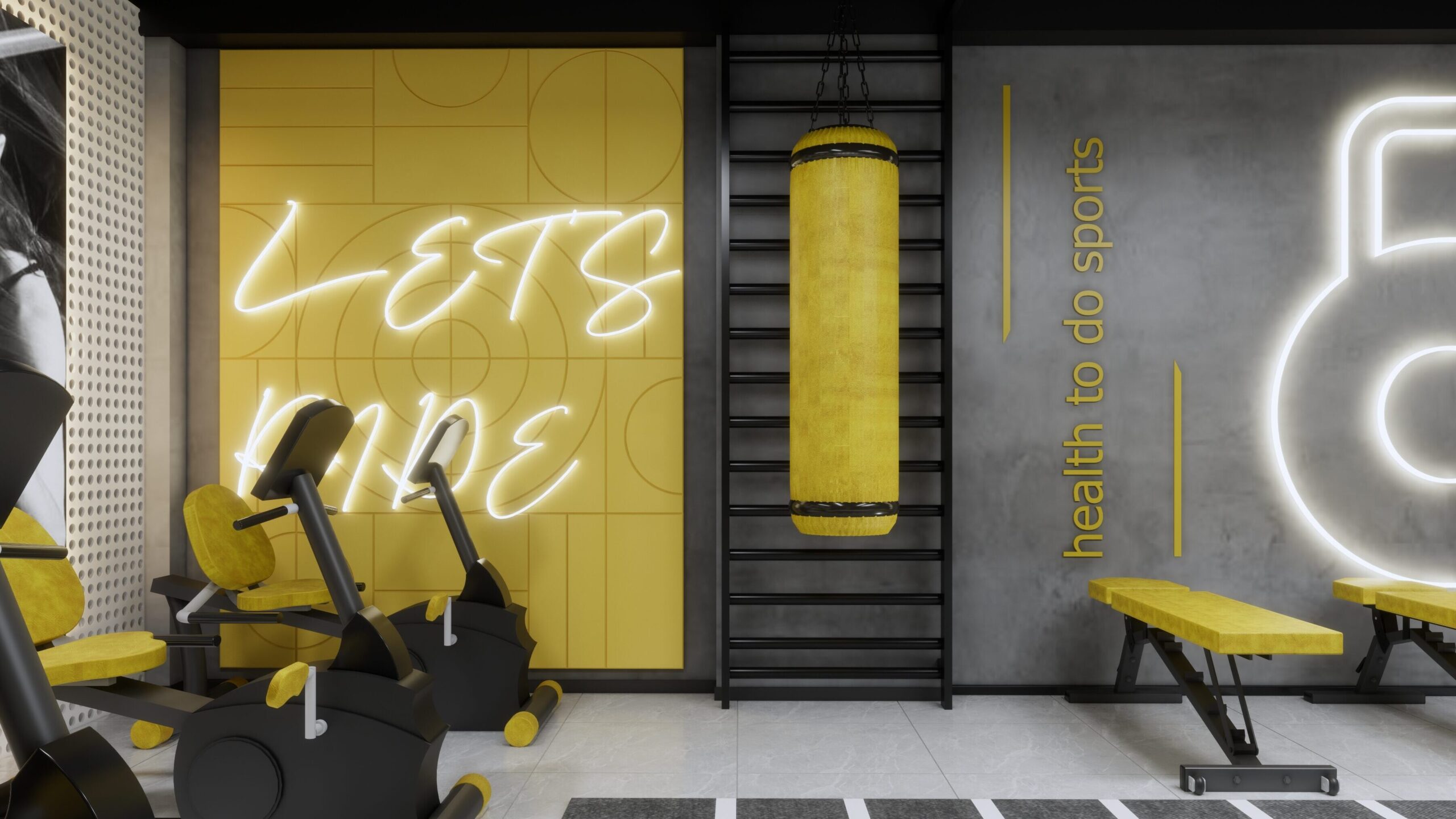
When materials like EcoScapes Blades, Dimensional Baffles, and Contour Carved Panels are introduced, ceilings and walls transform from blank reflectors into functional art pieces. Blades and baffles utilize the largest untapped acoustic real estate in a room—the ceiling—while managing reflections and masking unsightly overhead infrastructure. Meanwhile, Contour Carved Panels allow brands to embed corporate logos, intricate murals, or textured patterns directly into the acoustic substrate.
3. Empowering Dealers and Streamlining Workflows
Manufacturers who double as collaborative partners—providing robust online design tools, spatial modeling calculators, and personalized consultations—fundamentally change the contractor-client dynamic. When an integrator can present a precise visual simulation of acoustic performance to a skeptical client, project approval rates climb, installation errors plummet, and the entire construction ecosystem operates with greater transparency and confidence.
Conclusion: Saying "Yes" to Complex Projects
Ultimately, the evolution of acoustic design boils down to confidence. By embracing systems that scale effortlessly from simple square rooms to massive, geometrically intricate environments, industry professionals are no longer forced to turn down challenging commissions.
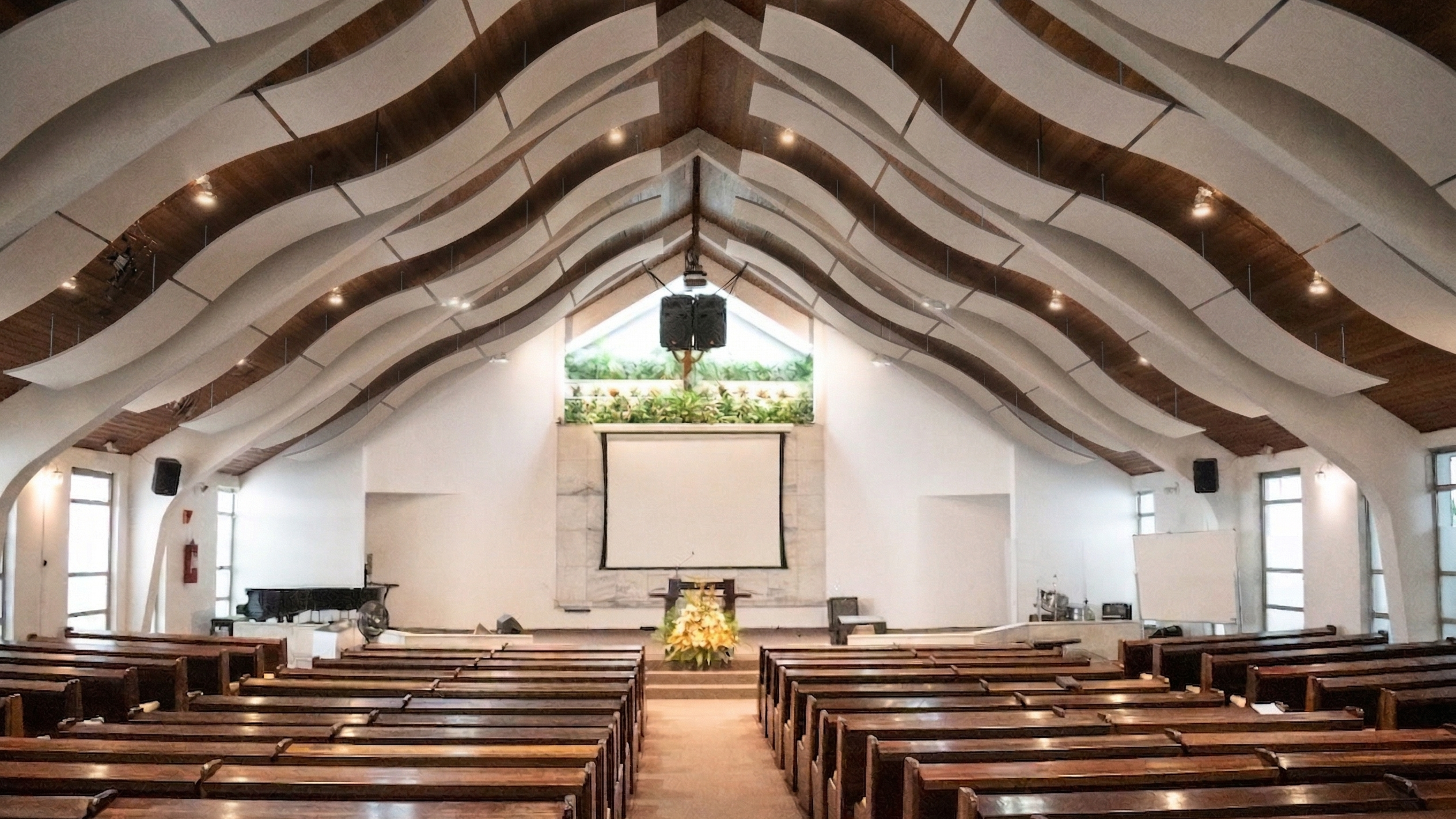
Whether an architect is looking to solve a complex architectural dilemma, dampen the energetic din of a bustling restaurant, or elevate the sophisticated aesthetic of a private club without altering its award-winning interior, adaptable systems like Primacoustic’s EcoScapes provide the ultimate toolkit.
To discover how flexible, sustainable acoustic solutions can transform your next architectural or interior design project, visit Primacoustic.com to explore their full product range, utilize their advanced online design tools, or book a personalized consultation.