The global audio landscape is perpetually locked in a high-stakes race for sonic supremacy. Every year, manufacturers push the boundaries of digital signal processing, acoustic engineering, and ergonomic design to capture the coveted accolades handed down by the industry’s most trusted arbiters. The What Hi-Fi? Awards have long served as the ultimate litmus test for consumer audio equipment, separating genuine breakthroughs from fleeting marketing hype.
This year’s competition proved to be one of the most fiercely contested in recent memory. While familiar industry titans and reliable crowd-pleasers maintained their strong positions, the 2026 winners introduced some dramatic shake-ups. From the clever deployment of high-performance USB-C audio dongles that bridge the gap between digital convenience and analog fidelity, to the astonishing revival of a six-year-old over-ear classic, and a series of disruptive budget models undercutting expectations, the latest crop of award-winning headphones demonstrates that incredible sound is more accessible—and more versatile—than ever before.
Whether you are looking to cut the cord entirely, craving the pristine detail of a traditional wired setup, or trying to find the absolute best value across varying price points, the 2026 awards offer a definitive roadmap. Better yet, a wave of strategic retail discounts accompanying the announcement means that securing award-winning sound has rarely been kinder to your wallet.
Main Facts: The 2026 Landscape at a Glance
The headphone market of 2026 is defined by a paradox: flagship-tier technologies are rapidly trickling down into ultra-affordable form factors, while high-end models are redefining what is possible through wireless transmission.
- The Ultra-Budget Revolution: Exceptional wireless earbuds and wired in-ears are now available for the price of a casual meal out, led by the likes of Sony and Sennheiser.
- The Dongle Resurgence: Portable digital-to-analog conversion and transmission tools, specifically engineered USB-C accessories, are single-handedly solving the historic sonic shortcomings of Bluetooth audio.
- Legacy Continuity and Refresh Cycles: Manufacturers are finding success not just by racing to release entirely new chassis designs, but by intelligently updating legendary platforms—such as Sony’s triumphant reimagining of older architectures—to meet modern expectations.
- Acoustic Diversity: Open-back wired configurations continue to dominate critical listening environments, while closed-back planar and dynamic driver systems compete aggressively in the premium wireless space.
Chronology of the Competition: How the Winners Evolved
The path to the 2026 What Hi-Fi? Awards began months prior, as testing rooms subjected hundreds of new releases, firmware updates, and revised hardware iterations to rigorous blind and sighted listening tests.
Phase 1: The Entry-Level and Mid-Tier Clamor
Early in the evaluation cycle, the pressure was on budget-friendly manufacturers to retain crown positions against aggressive new market entrants. Sony’s dependable WF-C510 entered the ring as the early favorite to defend its title as the undisputed budget wireless pick. By relentlessly nailing the fundamentals—stable connectivity, reliable battery life, and surprisingly balanced tonality—it reaffirmed that consumers do not need to spend hundreds of pounds for daily utility.
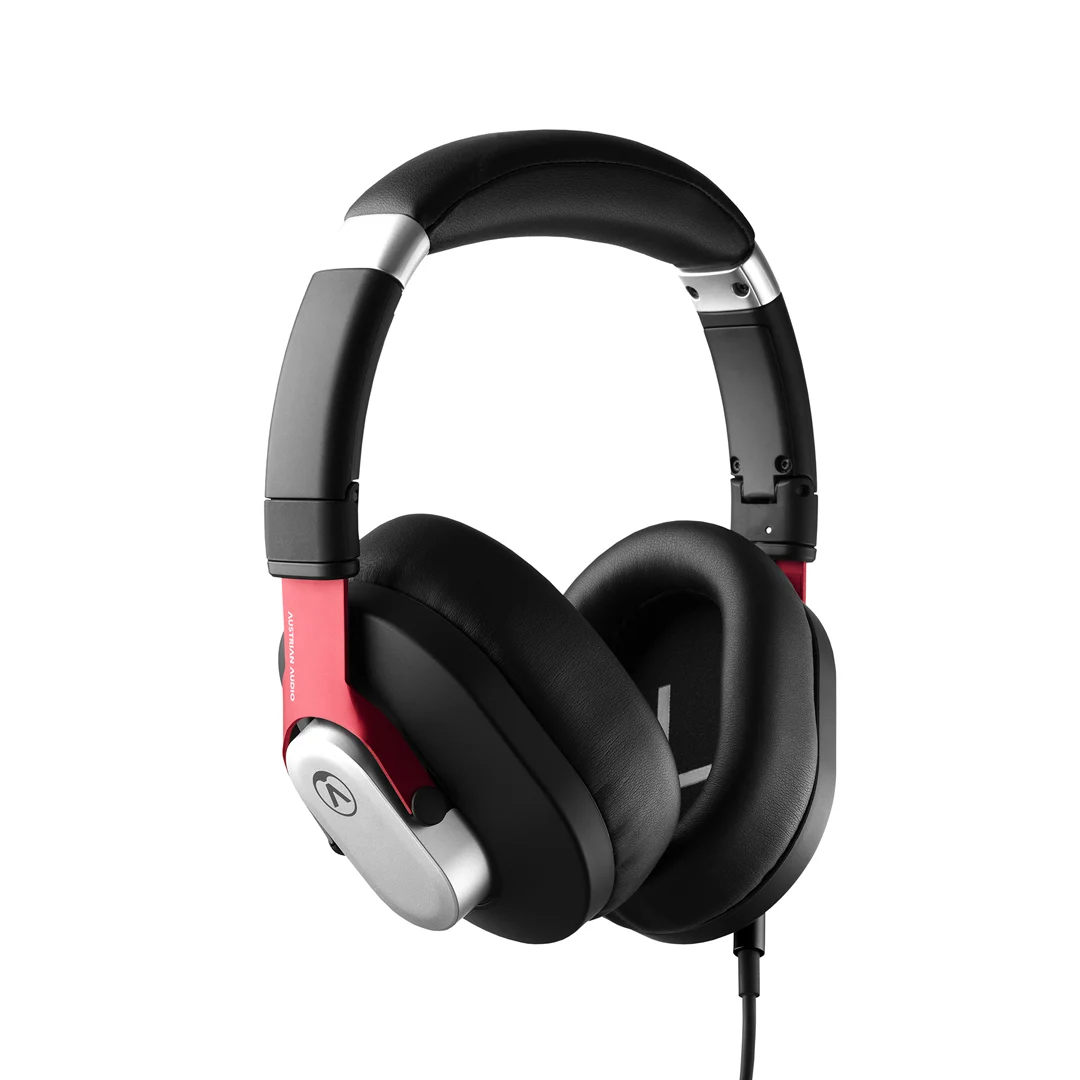
Concurrently, wired alternatives such as the Austrian Audio Hi-X15 and the studio-grade Røde NTH-100 established the baseline for passive isolation and acoustic neutrality. These models proved that for stationary listening or content creation, traditional copper cabling still holds structural advantages over lossy wireless codecs.
Phase 2: Mid-Market Mid-Cylces and Disruptive Tech
As the year progressed, mid-tier battlegrounds saw the introduction of active noise-cancelling (ANC) pioneers like the Sony WF-C710N and the over-ear Sony WH-CH730N. The latter made waves by replacing an established award-winner with a refined folding chassis, an astounding 50-hour battery life with ANC engaged, and an uptick in dynamic engagement.
Perhaps the most culturally surprising milestone of the 2026 cycle was the performance of the Sennheiser CX 80U. Disrupting the assumption that wired in-ears are a dying breed, these USB-C earbuds demonstrated that native digital connections can yield a massive, sophisticated soundstage at a remarkably low price point.
Phase 3: Flagship Showdowns and Nostalgic Triumphs
At the apex of the market, engineering teams grappled with the inherent physical limitations of Bluetooth transmission. Sennheiser shattered conventional expectations with the HDB 630, a system utilizing a specialized USB-C dongle to bypass standard protocol bottlenecks.

In parallel, Sony pulled off a masterstroke by introducing the Sony WH-1000XM4C—a calculated, modernized refresh of a headphone model originally launched in 2020. By tweaking the internal tuning and adjusting the price point, Sony proved that a great acoustic architecture can age like fine wine. At the absolute pinnacle of luxury, the Focal Bathys MG cemented its status as a status symbol of uncompromised wireless fidelity for those willing to invest heavily in personal audio.
Supporting Data: Category Breakdown and Pricing
To help navigate the vast array of winners, the following breakdown organizes the top-tier selections by category, highlighting their market positioning and current promotional pricing structures.
| Category / Focus | Winning Model | Key Highlight | Current Market Price |
|---|---|---|---|
| Budget Wireless Earbuds | Sony WF-C510 | Exceptional core performance for minimal outlay | ~£34 (Smart Home Sounds) |
| Budget Wired Over-Ear | Austrian Audio Hi-X15 | Unmatched passive isolation and detail retrieval | ~£87 (Scan) |
| Budget ANC Earbuds | Sony WF-C710N | Lowest-priced recommended ANC earbuds with solid musicality | ~£67 (Amazon) |
| Studio / Everyday Wired | Røde NTH-100 | Eloquent, revealing signature ideal for mixing and listening | ~£115 (Amazon) |
| Mid-Range Wireless Earbuds | Bose QuietComfort Earbuds (2024) | Three-time award winner dominating comfort and isolation | ~£150 (Amazon) |
| Wired Open-Back | Beyerdynamic DT 990 Pro X | Supreme comfort and class-leading open-back soundstage | ~£189 (Amazon) |
| Flagship Wireless Earbuds | Sony WF-1000XM6 | Supreme noise cancellation, musicality, and call clarity | ~£209 (Very) |
| Wired USB-C In-Ear | Sennheiser CX 80U | Shockingly sophisticated, dynamic sound via direct digital link | ~£28 – £35 (Amazon) |
| Mid-Tier Wireless Over-Ear | Sony WH-CH730N | 50-hour battery life, folding design, engaging signature | ~£100 (Amazon) |
| Revival Over-Ear ANC | Sony WH-1000XM4C | 2020 classic reimagined with modern tuning tweaks | ~£219 (Amazon) |
| Wireless Innovation | Sennheiser HDB 630 | USB-C dongle integration elevating wireless fidelity limits | ~£399 (Richer Sounds) |
| Ultra-Premium Wireless | Focal Bathys MG | Uncompromising luxury materials and audiophile-grade wireless performance | ~£999 (Richer Sounds) |
Official Responses and Industry Perspectives
The announcement of the 2026 awards has prompted widespread commentary across the consumer electronics sphere. Acoustic engineers and product managers have increasingly pointed to shifting consumer habits as the primary catalyst for this year’s unexpected results.
"We are witnessing a fundamental maturation of the headphone market," noted one senior industry analyst during a panel discussion following the awards. "For years, the narrative was solely about adding more features—more touch sensors, more processing chips, heavier companion apps. What this year’s winners prove is that acoustic fundamentals and smart engineering solutions—like Sennheiser’s dongle architecture or Sony’s disciplined lifecycle management—matter far more to the discerning listener than feature bloat."
Manufacturers of traditional wired equipment have likewise expressed vindication. Representatives from Austrian Audio and Beyerdynamic emphasize that a significant subset of the consumer base is actively pushing back against battery degradation and wireless latency. The persistent demand for high-performance open-back and closed-back wired monitors indicates that physical copper connections remain the gold standard for long-term home listening sessions.
Implications: What This Means for the Audio Consumer
The 2026 What Hi-Fi? Awards carry profound implications for anyone shopping for personal audio gear in the current retail climate.
1. The Death of the "Compromise" Budget Tier
Historically, buying a pair of headphones for under £50 meant accepting severe sonic degradation, fragile build quality, and unreliable Bluetooth pairing. Products like the Sony WF-C510 and the Sennheiser CX 80U completely dismantle this paradigm. Consumers can now purchase ultra-affordable equipment that preserves the harmonic integrity and dynamic range of their favorite tracks without breaking the bank.
2. Longevity Over Obsolescence
The triumph of the Sony WH-1000XM4C sends a powerful message to the tech industry regarding sustainability and product lifecycles. By revisiting and refining older, highly successful chassis designs rather than forcing yearly complete redesigns, manufacturers can optimize production costs while delivering battle-tested reliability to consumers. This approach benefits buyers who are increasingly wary of rapid electronic obsolescence.
3. The Bridging of Wireless and Wired Divides
For years, audiophiles maintained a strict ideological separation between wireless convenience and wired fidelity. Innovations like the Sennheiser HDB 630’s dedicated USB-C transmission method signal a future where wireless headphones no longer have to apologize for data compression limits. By optimizing the digital pipeline directly at the source, the industry is moving closer to true, uncompromised high-resolution audio without the physical tether.
As retail prices fluctuate through upcoming promotional windows—ranging from flash sales on Amazon to specialized audio stockists like Richer Sounds and Scan—consumers have a rare window to acquire award-winning technology at historically competitive price points. Whether stepping into the realm of high-end planar magnetics or simply seeking a bulletproof pair of daily commuters, the 2026 award winners provide a clear, thoroughly tested path to sonic excellence.