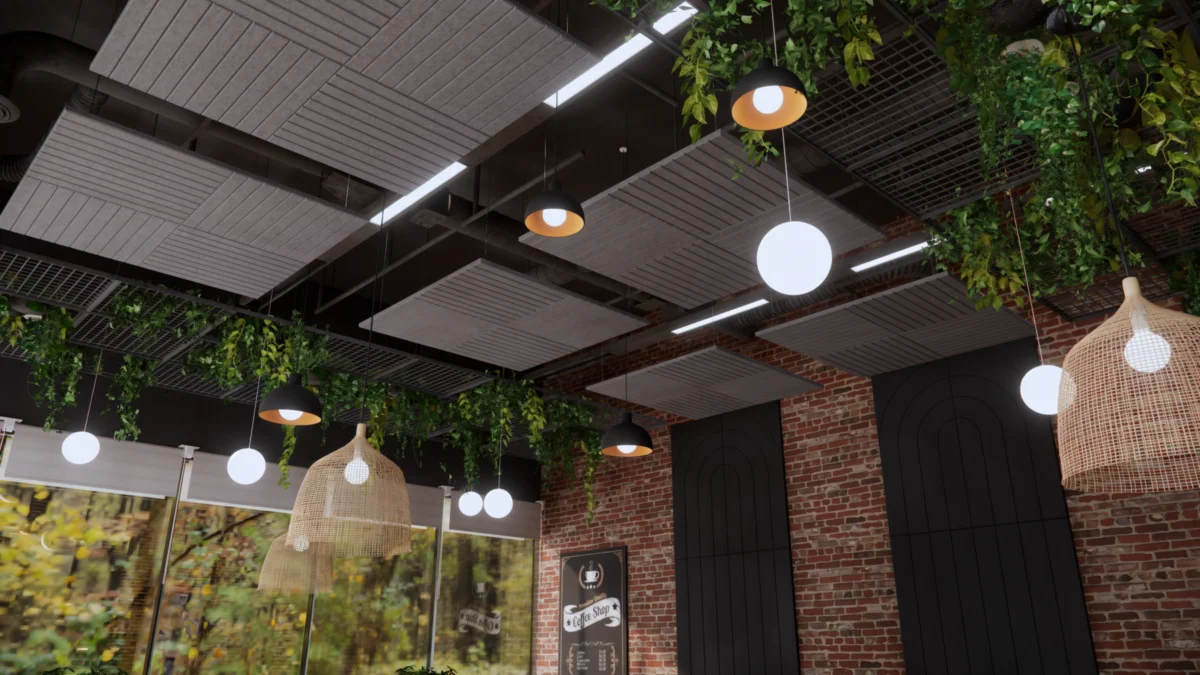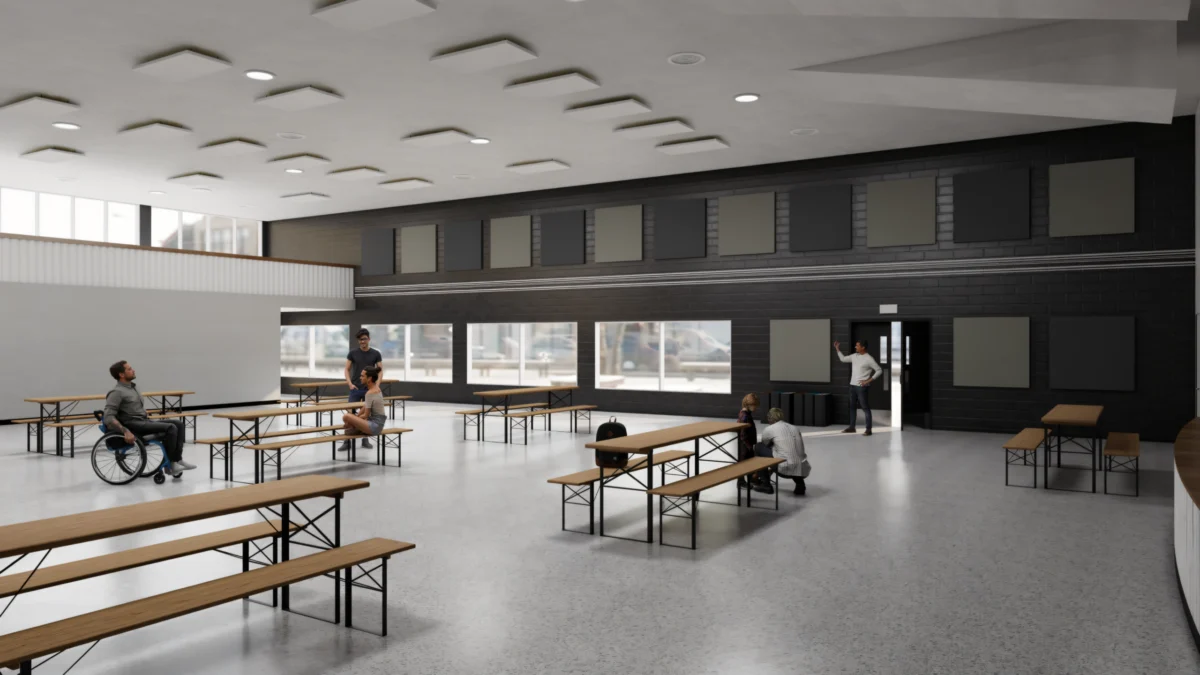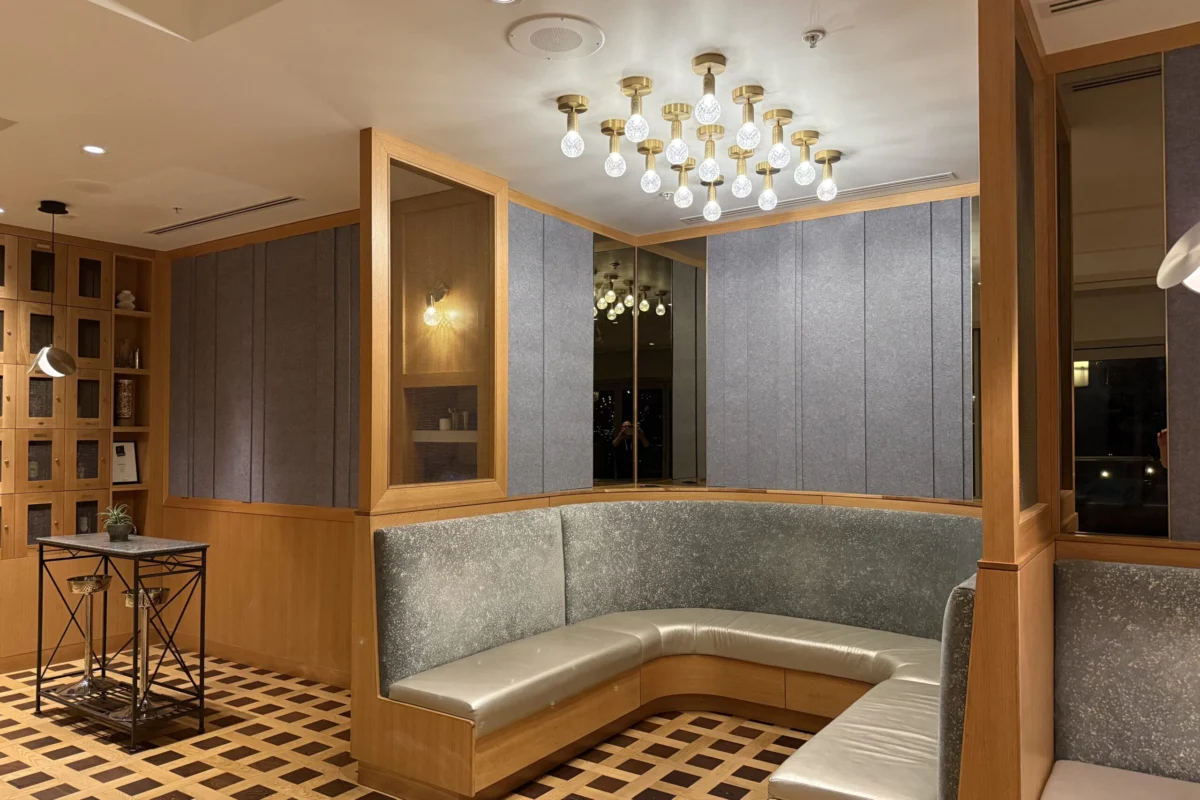
Achieving clean, precise cuts is the foundational element that separates an amateur DIY project from a professional, high-end architectural finish when installing EcoScapes Acoustic Panels. Whether you are trimming perimeter edges to fit tightly against a corner, carefully carving out spaces for wall outlets and light switches, or fabricating custom geometric shapes to create a striking feature wall, utilizing the right tools and techniques makes all the difference.
This comprehensive guide covers everything installers and designers need to know: material properties, essential tool recommendations, rigorous preparation tips, step-by-step cutting methods, common pitfalls to avoid, and vital safety protocols.
1. Main Facts: Understanding EcoScapes Acoustic Panels
Before applying any blade to material, understanding the structural composition of the product is vital for execution. EcoScapes PET (Polyethylene Terephthalate) Acoustic Panels are engineered from densely compressed, recycled plastic fibers. This eco-friendly construction gives them a unique combination of structural rigidity, lightweight handling, and superior sound-absorption capabilities.
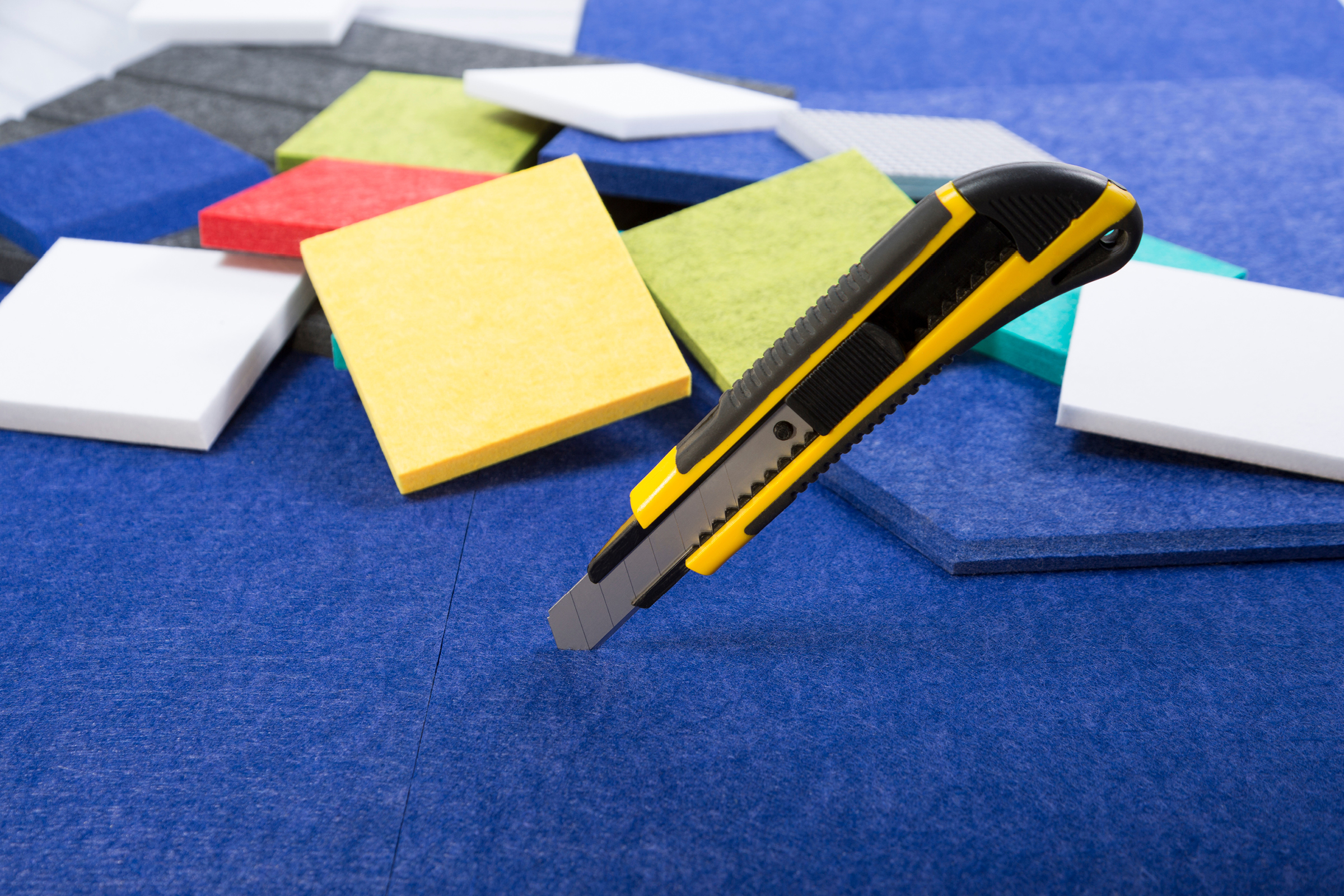
Because they are composed of bound synthetic fibers rather than traditional wood, drywall, or rigid foam, they react differently to cutting tools. They do not shatter like glass, crumble like drywall, or splinter like wood. Instead, they require a clean slicing action or a fine-tooth shearing motion to prevent the fibers from pulling, fraying, or creating ragged edges. Knowing how this material responds under pressure is the first step toward achieving a flawless architectural installation.
2. Chronology: The Evolution of Acoustic Panel Installation
The methodology of acoustic treatment installation has evolved dramatically over the decades, mirroring shifts in interior design and modern construction demands:
- Early Era (Mid-20th Century): Acoustic treatment was primarily industrial, relying on heavy mineral wool or exposed fiberglass wrapped in coarse fabric. Cutting these materials often required heavy industrial saws, and safety gear was mandatory due to severe skin and respiratory irritation risks.
- The Rise of Foam (Late 20th Century): Polyurethane acoustic foams entered recording studios and home theaters en masse. While easy to cut with a simple household kitchen knife or electric carving blade, foam lacked durability, aesthetic versatility, and eco-friendly credentials.
- The Modern Sustainable Age (Present Day): The introduction of high-density PET felt panels, such as EcoScapes, has revolutionized the industry. Made from recycled post-consumer plastics, these panels offer high acoustic performance, incredible durability, and modern aesthetic finishes. Concurrently, cutting techniques have evolved to favor precision hand-scoring, electric cutters, and CNC technology, allowing for seamless integration into high-end commercial and residential spaces.
3. Supporting Data: Recommended Tools for Every Scale
Different projects demand different equipment. Selecting the correct cutting implement depends on the thickness of the panel, the volume of the installation, and the complexity of the cuts.
| Tool | Best For | Professional Tips & Best Practices |
|---|---|---|
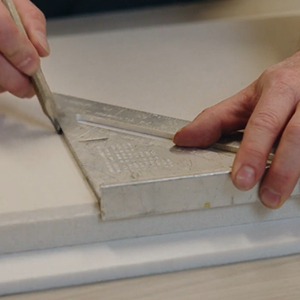
| Utility Knife / Box Cutter | Straight cuts, minor on-site adjustments, trim work | Always use a brand-new, sharp blade. Score the panel multiple times along a straight metal ruler rather than trying to cut through in a single heavy stroke. |
| Carpenter’s Knife | DIY projects, residential installations, smaller spaces | Offers a sturdy grip and robust blade stability; works exceptionally well for standard 9 mm to 12 mm thick acoustic panels. |
| Electric Cutter | Large-scale commercial installations, repetitive long cuts | Minimizes installer fatigue and produces remarkably smooth edges with minimal fiber fraying over long distances. |
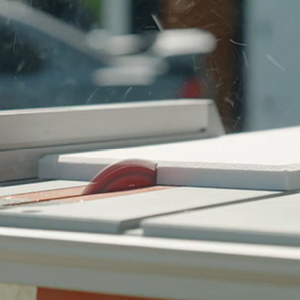
| Jigsaw or Circular Saw | Complex geometric shapes, curves, bulk cuts | Always equip the saw with a fine-tooth metal or plastic-cutting blade. Operate at medium speed to avoid generating friction heat that can melt the PET fibers. |
| CNC Cutting Machine | Custom corporate logos, intricate patterns, industrial scale | Ideal for large commercial spaces requiring hyper-precise, repeatable, factory-level custom designs. |
4. Official Guidelines: Step-by-Step Cutting Methodologies
Executing a clean cut requires patience, proper workspace setup, and a methodical approach. Follow these four critical steps to guarantee professional results every time.
Step 1: Measure and Mark
Accuracy begins long before the blade touches the material. Measure your wall space twice, accounting for expansion gaps if specified by the manufacturer, and transfer those exact dimensions to the face or back of the EcoScapes panel. Use a fine-tip chalk marker, fabric pencil, or a straight edge with a sharp scribe. Avoid using permanent markers that could bleed through or stain exposed fibers if a cut wanders slightly off-line.
Step 2: Secure the Panel
Stability is critical for precision. Lay the EcoScapes panel flat on a large, clean, and stable work table. If cutting on the floor, place a sacrificial layer of clean cardboard or plywood underneath to protect both your flooring and the underside of the panel. Clamp down guide rulers or straight edges using C-clamps to prevent the straight edge from slipping mid-cut, which can ruin an expensive panel.

Step 3: Make the Cut
For manual utility or carpenter’s knives, never rush this step. Align your heavy-duty metal straight edge along your marked line. Press down firmly and score the surface fiber layer. Make multiple light-to-moderate passes with the blade rather than forcing a deep cut on the first try. For thicker panels or complex curves using a jigsaw, guide the blade steadily along the line at a medium, controlled speed, ensuring the panel is held completely flat against the cutting surface to eliminate vibration.
Step 4: Smooth and Finish
Once the cut is complete, inspect the edges. PET fibers can occasionally exhibit minor micro-frays. Take a fine-grit sandpaper block or a sharp utility blade held at a 45-degree angle to gently chamfer or clean up any stray fibers. This final micro-detailing ensures that when panels are pushed butt-to-butt against one another, the vertical and horizontal seams virtually disappear.
5. Common Mistakes to Avoid
Even seasoned contractors can occasionally run into trouble if basic precautions are ignored. Keep these common pitfalls in mind to save time and materials:
- Using Dull Blades: A dull utility knife blade will catch, pull, and tear the recycled plastic fibers rather than slicing cleanly through them, resulting in a jagged, unprofessional edge. Change your blades frequently.
- Rushing the Cut: Attempting to slice through a dense acoustic panel in one aggressive stroke almost always results in the blade slipping off the straight edge, damaging both the material and potentially injuring the installer.
- Neglecting Back-Side Marking: When cutting complex internal cutouts—such as for electrical sockets—always double-check your measurements from the front to the back of the panel to avoid mirrored errors.
- Ignoring Expansion and Wall Plumb: Walls in older or even modern buildings are rarely perfectly square or plumb. Always measure each panel individually relative to its specific wall location rather than assuming all cuts can be templated identically.
6. Safety Protocols and Best Practices
While EcoScapes Acoustic Panels are inherently non-toxic, eco-friendly, and completely formaldehyde-free—making them exceptionally safe for indoor air quality in schools, offices, and homes—standard workshop safety practices should always be strictly observed:
- Blade Safety: Always cut away from your body and keep your free hand clear of the active cutting path when using open utility knives or automated saws.
- Eye Protection: When operating power tools like jigsaws, circular saws, or electric cutters, wear ANSI-approved safety glasses to protect against flying micro-debris or stray fibers.
- Workspace Ventilation: While the material emits no hazardous volatile organic compounds (VOCs) during manual cutting, ensuring a well-lit, clean, and organized workspace minimizes tripping hazards and enhances overall craftsmanship.
Implications and Conclusion
Mastering the art of cutting EcoScapes Acoustic Panels bridges the gap between functional acoustic dampening and high-end architectural interior design. By utilizing the correct professional tools—ranging from simple utility knives for detail adjustments to CNC and electric cutters for large commercial rollouts—installers can achieve seamless joints, razor-sharp edges, and flawless custom geometric configurations.
Ultimately, investing the proper time into measurement, tool selection, and finishing techniques ensures that your acoustic installation not only optimizes the soundscape of the room but also delivers a visually stunning, polished aesthetic that stands the test of time.