Main Facts: The Resilience of Broadcast Audio in the Digital Era
For a generation that has grown up curating every second of its digital existence, the discovery of broadcast radio often feels less like an upgrade and more like stepping back in time. Born in the turn of the millennium, today’s young adults—often broadly categorized as Zoomers—have spent their formative years navigating the frictionless, hyper-personalized realms of iTunes, Spotify, and Tidal. To this digital-first demographic, traditional radio has frequently been dismissed as an antiquated artifact, better suited to dusty armchairs and ticking cuckoo clocks than the fast-paced modern lifestyle.
Yet, data tells a remarkably different story. Despite the near-total ubiquity of music streaming services, radio remains a dominant powerhouse in the modern audio landscape. According to official statistics, radio is not only recognized as the most trusted form of media in the United Kingdom, but comprehensive audience research from Ofcom highlights its enduring reach. Recent data indicates that approximately 62 per cent of the UK population tunes into radio broadcasts every week. By comparison, online music streaming services capture roughly 61 per cent over the same period.
Broadcast signals saturate the modern environment. They are woven into the background of daily life: humming quietly in supermarket aisles, projecting news updates from car dashboards during morning commutes, and echoing through living rooms. It is entirely possible for a person to navigate an entire day of errands, work, and leisure with less than fifteen minutes unpopulated by the human voice or melody of a radio station.
Chronology: From Car Ride Nostalgia to a Tent in the Wilderness
To understand the traditional view of radio held by many younger listeners, one must look back at early cultural touchstones. For many millennials and Zoomers, exposure to broadcast audio was largely passive—typically experienced from the back seat of a parent’s car.
- The Early 2000s: The writer’s early introduction to broadcast radio was brief yet deep, defined by a fondness for the Confessions segment of Simon Mayo’s Drive Time show on BBC Radio 2, which played persistently during childhood car journeys.
- The Streaming Boom: As personal technology evolved, personal listening quickly graduated to digital music libraries, algorithmic playlists, and on-demand streaming models. Radio was effectively filed away as a relic of the past.
- The Modern Awakening: The paradigm shift occurred far from the comfort of urban connectivity—specifically, during an overnight camping trip into the literal middle of nowhere, equipped with a portable, rugged FM/DAB radio designed for the outdoors.
- The Late-Night Epiphany: While lying awake in an undersized tent with cold nylon brushing against weary feet, the soothing, unscripted tones of BBC Radio 3’s Round Midnight jazz program drifted across the airwaves. This solitary moment catalyzed a profound re-evaluation of how broadcast media operates compared to algorithmic feeds.
- Post-Trip Integration: Following this outdoor epiphany, traditional broadcasting transitioned from an afterthought to a daily companion, with Jazz FM and BBC Radio 4 serving as the auditory backdrop for remote working days.
Supporting Data: Statistics, Hardware, and Market Trends
The modern renaissance of radio is supported by a convergence of official statistics, evolving consumer habits, and hardware manufacturers responding to a renewed desire for tactile, simplified listening devices.
The Numbers Behind the Broadcast
- 62% vs. 61%: Ofcom data reveals that weekly radio reach in the UK (62%) narrowly outpaces online music streaming services (61%).
- Zero Paywalls: Unlike premium streaming subscriptions that demand monthly fees to unlock ad-free skips and high-resolution files, basic radio broadcasts offer news, drama, and extensive music curation entirely free of charge.
- Hardware Evolution: Audio brands are actively bridging the gap between legacy formats and modern connectivity. New hybrid systems—such as Roberts’ Revere range—combine traditional FM/DAB+ tuners with internet radio, Wi-Fi streaming, Spotify Connect, and even the surging popularity of physical CD players.
Navigating the Hardware Ecosystem
Audio specialists and equipment reviewers continue to champion hardware that caters to diverse consumer needs, recognizing that not every listener desires a complex, expensive hi-fi separates system.
| Device Category | Example Models | Key Features & Target Audience |
|---|---|---|
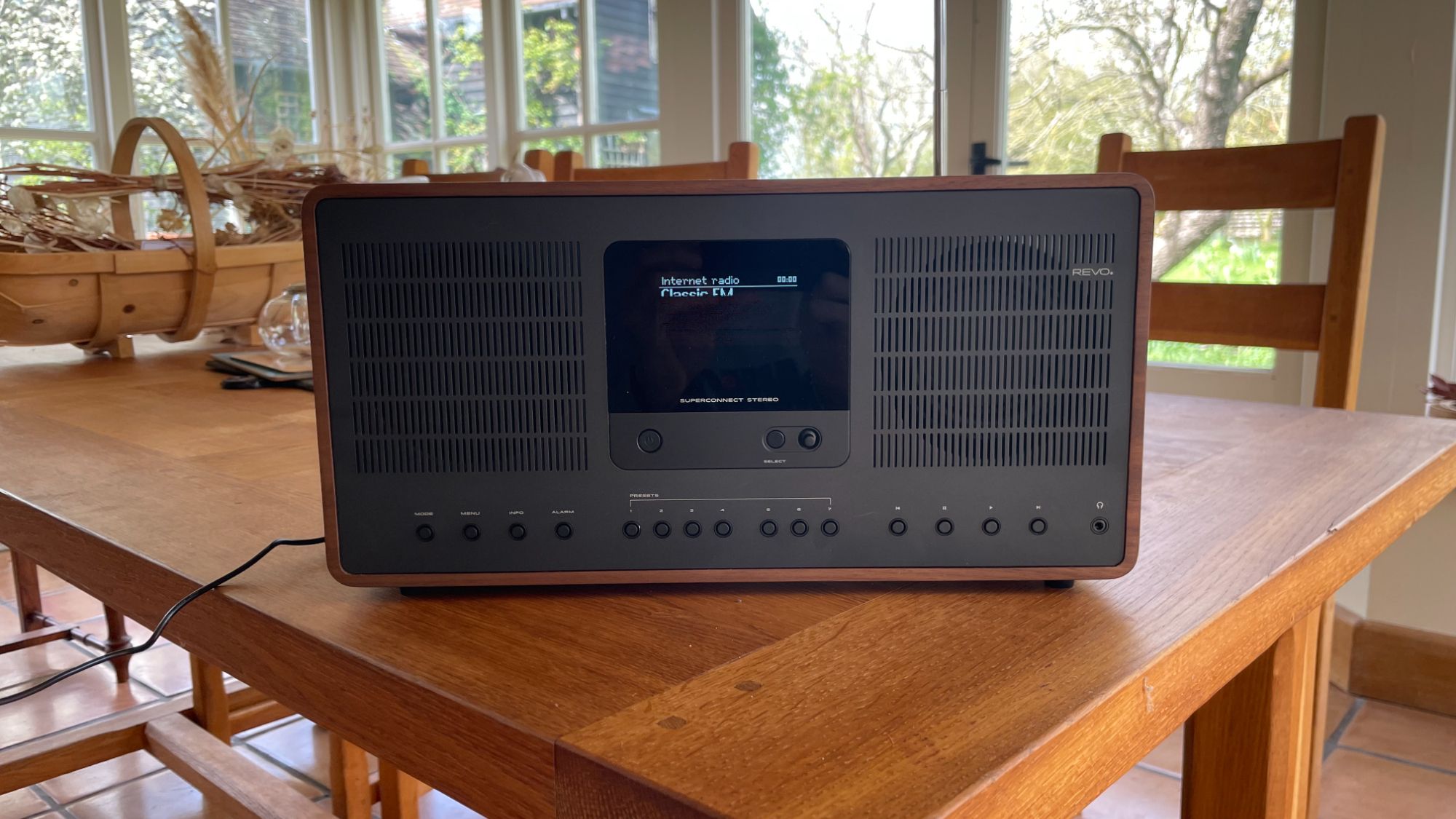
| Ultra-Portable & Compact | Roberts Revival Petite 2, Pure Bloom | Affordable, lifestyle-friendly desktop radios featuring DAB/FM and Bluetooth connectivity for casual listening. |
| Rugged Outdoor Models | Roberts SolarDAB99 | Built for explorers and campers, combining digital radio reception with rugged portability. |
| Mid-Range All-in-One | Ruark Audio R1S, Ruark Audio R2 Mk4 | Premium styling, high-end acoustic performance, and integrated smart features bridging radio and streaming. |
| Flagship Stereo Systems | Revo SuperConnect Stereo, Roberts Revere 500 | Comprehensive multi-format systems combining legacy radio tuners with network streaming, CD playback, and Spotify Connect. |
Official Responses and Industry Perspectives
Audio industry veterans and regulatory bodies have closely monitored the shifting dynamics between on-demand streaming and live broadcasting.
Government ministers and media regulators have increasingly emphasized the public value of safeguarding traditional broadcasting. In the UK, legislative reviews have been initiated to ensure that radio remains prominently featured and easily accessible across modern digital dashboards, smart speakers, and connected home devices. The underlying sentiment from regulatory authorities is that radio functions as a vital public service—offering trusted journalism, emergency broadcasting, and cultural programming that commercial algorithms may inadvertently sideline.

Meanwhile, manufacturers within the hi-fi and consumer electronics space have responded directly to shifting consumer psychology. Rather than viewing streaming and radio as mutually exclusive enemies, forward-thinking brands are treating them as complementary halves of a unified home audio experience.
Industry analysts point out that while streaming platforms offer infinite choice, they can sometimes induce "choice fatigue." By packaging DAB/FM and internet tuners alongside Bluetooth and Wi-Fi streaming, audio manufacturers are acknowledging that consumers increasingly value both the convenience of on-demand music and the comforting, low-friction ritual of turning a dial and letting a broadcaster curate the day.
Implications: The Power of Limitations and Community
The survival and quiet resurgence of radio in a hyper-connected world carry significant implications for modern consumer psychology, mental well-being, and the future of media consumption.
The Beauty of Limitations
In an era defined by endless choice, algorithms meticulously tailor every track, video, and news feed to individual preferences. While this hyper-personalization offers unprecedented control, it can also create isolated media echo chambers.

Radio introduces a deliberate and healthy limitation. Listeners surrender control to the DJ and the curated playlist. It rolls forward unconditionally, playing what the station chooses—for better or for worse. This lack of user control mirrors organic human conversation and shared cultural moments. When thousands of people across a country listen to the same broadcast simultaneously, it creates an invisible, nationwide sense of community.
Bridging the Accessibility Gap
Furthermore, full-scale hi-fi separates systems can be prohibitive—both financially and spatially. Compact, one-box radio and streaming hybrids democratize high-quality sound. They lower the barrier to entry, ensuring that rich audio entertainment, live music, and news remain accessible to individuals regardless of their budget or living arrangements.
Ultimately, music was never meant to be entirely sequestered into private, algorithmic silos. The enduring strength of radio lies in its adherence to a communal principle: that tuning into a shared frequency can connect human beings far more powerfully than the isolated experience of endless, individual choice.