Main Facts
In the high-end audio community, few model numbers carry the historical weight, romanticism, and sonic reverence of the Thorens TD 124. For generations, the name Thorens has been inextricably linked to the golden age of analog reproduction, famous worldwide for its ingenious idler wheel and belt-driven turntables that set the benchmark for precision engineering. However, the latest iteration of this iconic nameplate introduces a radical departure from its heritage: direct drive (DD).
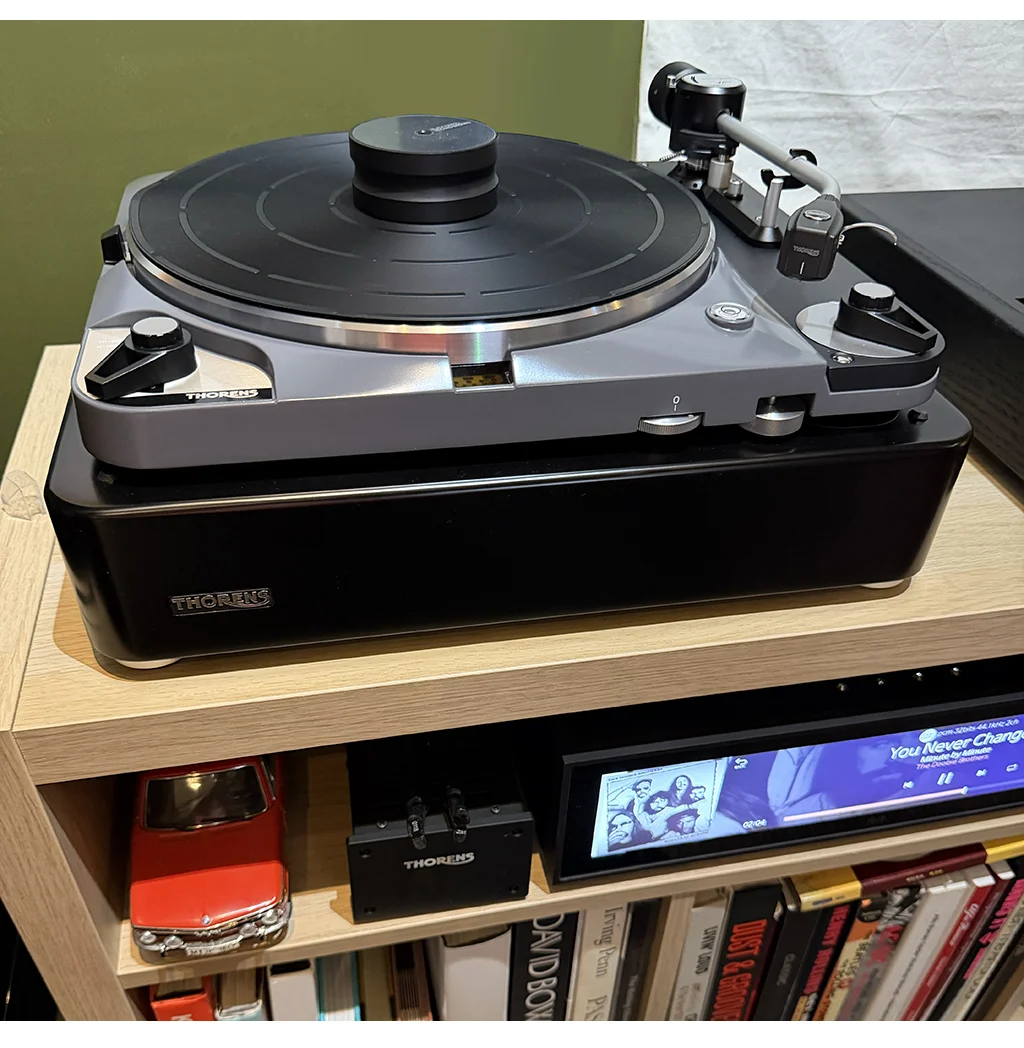
For purists, the letters "DD" can occasionally evoke skepticism, often associated with vintage DJ decks rather than ultra-fidelity domestic transcription units. Yet, this reimagined modern classic arrives with a towering reputation to uphold. Equipped with a factory-matched 9-inch Thorens tonearm and paired—courtesy of MoFi Distribution—with Ortofon’s latest SPU cartridge specifically designated as the TD124 edition, this modern hybrid of past and present demands serious attention.
Initial setup proves remarkably straightforward, alleviating many of the headaches associated with vintage high-end analog gear. Notably absent is the notoriously heavy, cast-iron platter of the original mid-century ancestor—a feature notorious among audiophiles for its stray magnetic fields and disastrous capability to swallow and destroy expensive moving-coil (MC) cartridges if mishandled. While the modern incarnation sheds the cast iron, it retains a generous amount of mass to ensure rotational stability.
Aesthetically, the turntable honors its lineage, retaining the classic styling cues that made the original a mid-century industrial design masterpiece. However, a peek beneath the hood reveals a modernized architecture; lifting the platter uncovers a mechanical layout that bears a striking resemblance to a Technics SL-1200 than a vintage Swiss deck—a testament to the undeniable engineering supremacy of direct-drive mechanisms in the modern era. Paired with the MoFi Master Phono stage operating in current mode, the sonic output is immediately striking: expansive, lush, and dynamically arresting.
Chronology
To understand the weight of this new direct-drive release, it is necessary to trace the timeline of the Thorens lineage and the unfolding of this current review process:
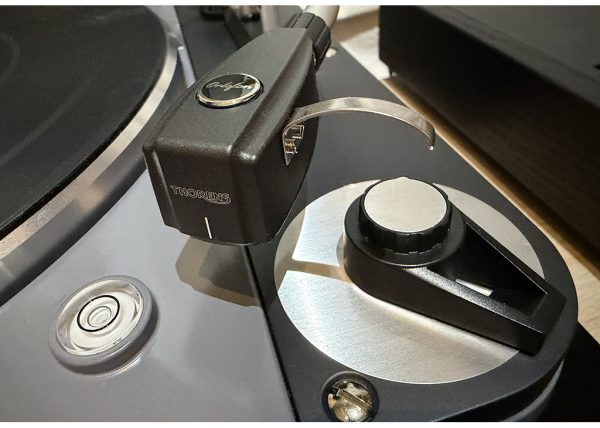
- 1957: Thorens introduces the legendary TD 124, originally designed as a transcription turntable for broadcast studios and elite home audio systems. Utilizing a hybrid belt-and-idler-wheel drive system, it becomes an instant icon of mechanical precision.
- Decades Following: The vintage TD 124 achieves mythical status among collectors and analog enthusiasts. Restored units command high prices on the secondary market, though maintaining their complex mechanical linkages requires specialized technical expertise.
- The Modern Era: Thorens decides to resurrect the iconic moniker, bridging historical aesthetics with contemporary engineering demands. The decision to abandon the traditional idler/belt mechanism in favor of a modern direct-drive system marks a philosophical shift for the brand.
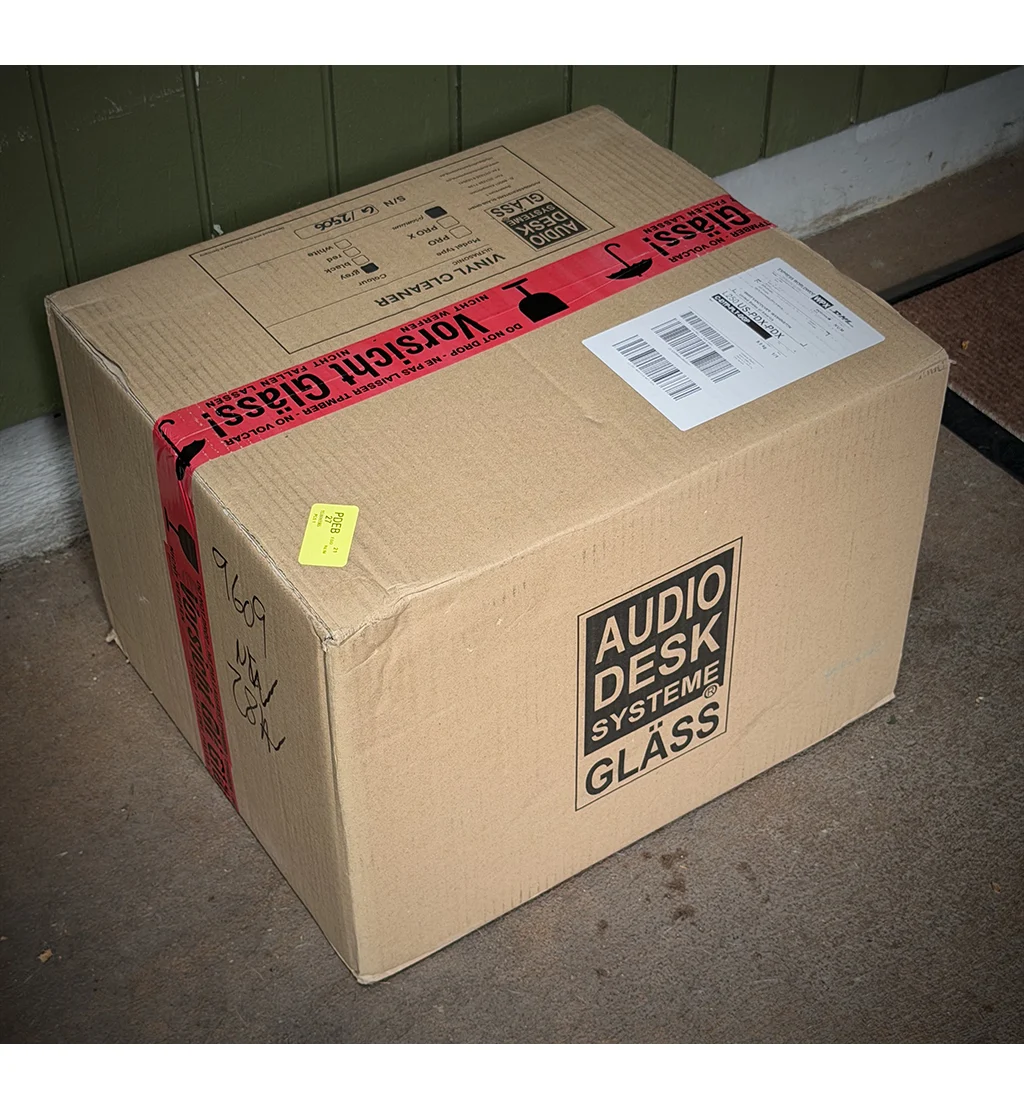
- Recent Developments (MoFi Distribution Partnership): The review unit arrives courtesy of MoFi Distribution, packaged with a precision-engineered 9-inch Thorens tonearm.
- Cartridge Integration: Ortofon introduces its latest SPU (Stereo Pick Up) cartridge, explicitly tailored for the TD 124 system, providing an optimal mechanical and electrical bridge between vintage heritage and modern tracking capabilities.
- Initial Evaluation Phase: The turntable is unpacked, assembled, and integrated into a reference system featuring the MoFi Master Phono stage operating in current mode. Early listening sessions yield overwhelmingly positive impressions regarding scale, dynamics, and tonal lushness.
- Future Outlook: Reviewers and audiophiles await an impending head-to-head comparison against a fully restored, pristine vintage TD 124 to quantify how modern direct-drive technology measures up against the golden-age mechanical standard.
Supporting Data & Technical Architecture
Transitioning a legendary design from idler/belt drive to direct drive is not merely an aesthetic choice; it is a fundamental engineering pivot that impacts wow, flutter, rumble, and torque.
The Evolution of Drive Systems
- Original TD 124: Relied on a stepped pulley driven by a synchronous motor, transferring energy via a neoprene idler wheel to the inner rim of a heavy cast-iron platter, supplemented by a secondary aluminum upper platter. This design offered incredible punch and timing but was prone to mechanical rumble over time if idler wheels hardened or motor bushings wore out.
- The Modern Direct-Drive Iteration: Eliminates intermediate drive elements entirely, mounting the platter directly onto the motor rotor. This drastically reduces mechanical parts susceptible to wear, lowers the noise floor, and delivers near-instantaneous startup torque.
Ancillary Equipment in the Test Bench
- Tonearm: Factory-supplied 9-inch Thorens precision arm, optimized for high-mass tracking and compatible with traditional low-compliance cartridges.
- Cartridge: Ortofon SPU TD124 edition. The SPU (Stereo Pick Up) lineage dates back to 1959, historically designed to track heavy and demanding grooves with exceptional tonal weight, rich midrange bloom, and authoritative bass response.
- Phonation & Amplification: MoFi Master Phono stage running in current mode. Current-mode amplification alters how low-impedance moving-coil cartridges are loaded, virtually eliminating the sonic bottlenecks of traditional resistive loading and yielding superior transient speed, micro-dynamics, and transparency.
Official Perspectives and Distribution Insights
The introduction of a direct-drive flagship bearing the sacred "124" badge has generated considerable discussion across the high-end audio landscape. Through the coordination of MoFi Distribution (accessible via www.mofidistribution.com), the hardware has been placed into the hands of seasoned reviewers to evaluate whether modern manufacturing tolerances can successfully capture the elusive magic of the 1950s original.
Industry stakeholders note that while purists may initially balk at the absence of a belt or idler wheel, the realities of modern vinyl playback demand silence, speed stability, and reliability that vintage mechanical layouts struggle to maintain without exhaustive, ongoing maintenance. By partnering with Ortofon to supply a dedicated SPU variant, Thorens and its distributors have signaled that they are not trying to reinvent the sonic signature of the deck; rather, they are providing a bulletproof mechanical foundation that allows the classic, authoritative SPU tone to shine through without unwanted mechanical interference or background noise.
Implications for the Audiophile Market
The arrival of a direct-drive Thorens TD 124 carries profound implications for the high-end turntable market, bridging two distinct philosophies of analog playback:
- The Death of Vintage Gatekeeping: For years, owning a properly functioning TD 124 required deep pockets, patience, and access to skilled restoration technicians who could rebuild vintage Papst motors and source unobtainable rubber idler wheels. A modern, factory-supported equivalent democratizes this iconic aesthetic and sonic profile for a new generation of listeners who want vintage soul paired with contemporary warranties and reliability.
- The Rehabilitation of Direct Drive in Audiophile Circles: For decades, direct drive suffered an unjustified reputation as being suited only for broadcast applications or DJ mixing (largely due to the ubiquity of certain Japanese decks from the late 1970s onward). However, recent engineering breakthroughs by high-end manufacturers have proven that when executed with uncompromising tolerances, direct drive offers superior speed stability and dynamic slam compared to poorly implemented belt-drive systems. Thorens’ adoption of the technology on its most storied chassis represents a major cultural shift.
- The Quest for the Truth: As preliminary listening sessions indicate that the table sounds "big, lush, and dynamic," the true test lies ahead. The forthcoming direct comparison between this modern incarnation and a pristine vintage 124 will serve as the ultimate referendum. Will the clinical precision and ultra-low noise floor of the direct-drive motor surpass the idiosyncratic mechanical charm of the original idler system?
As the audio world waits for the definitive comparative review, one thing is certain: the conversation surrounding how we extract music from black vinyl grooves has been irrevocably energized. Stay tuned as this high-end analog experiment unfolds.