As What Hi-Fi? celebrates its milestone 50th anniversary, the publication’s current custodians have been rummaging through dusty filing cabinets and turning back the digital clock to unearth the defining moments of a storied publishing history. For veteran journalists who walked the newsroom floor during its most chaotic decades, however, those memories require no archival digging. They are etched in the aroma of Spray Mount adhesive, the clatter of IBM "golf-ball" typewriters, and the lingering receipts of highly questionable "essential" expense-account lunches.
To understand how What Hi-Fi? evolved into the global authority on consumer audio and visual technology, one must journey back to an analogue age when computers were virtually nonexistent in publishing houses, listening rooms were a futuristic pipedream, and a legal threat from Britpop royalty was just another item on the Tuesday to-do list.
Main Facts: The Analogue Genesis of a Publishing Titan
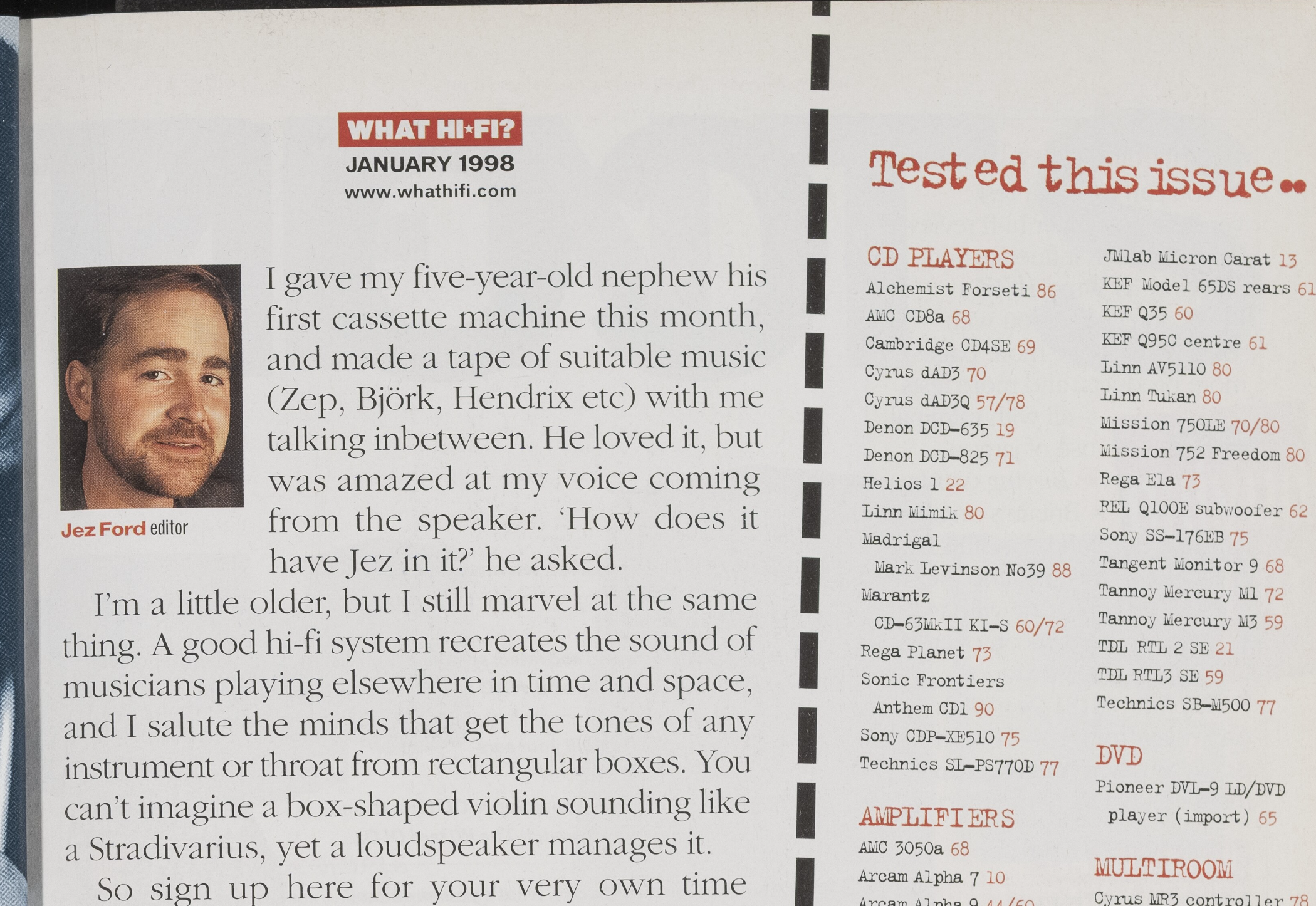
When former assistant editor Jez stepped through the doors of What Hi-Fi? in 1988 under the leadership of then-editor Simon Davies, the modern digital workflow of online publishing, PDFs, and high-resolution digital audio files was unimaginable science fiction.
- Zero Digital Infrastructure: The newsroom operated without personal computers or dedicated acoustic listening rooms. Writers and editors were recruited not as audio engineers or technical specialists, but as traditional journalists capable of chasing news, conducting musician interviews, and compiling the publication’s all-important Buying Guide.
- The In-House Exception: Technical expertise was concentrated almost entirely in the hands of technical editor Andrew Everard, alongside a handful of external specialists. Most editorial staff were generalists, occasionally reassigned from entirely unrelated sibling titles such as Gardeners’ Chronicle or Practical Caravan.
- The Birth of Modern Awards: Under subsequent editor Mark Payton, the annual What Hi-Fi? Awards were radically overhauled. By introducing distinct price categories for the first time, the publication expanded the pool of potential winners and made the buying guides exponentially more useful for consumers of every economic background.
Chronology: From Manual Typewriters to High-End Audio Epiphanies
The evolution of the magazine tracks parallel to the broader technological revolution of the late 20th century, moving from tactile, physical paste-up layouts to the dawning era of digital recording.
Phase 1: The Pre-Digital Newsroom (Late 1980s)
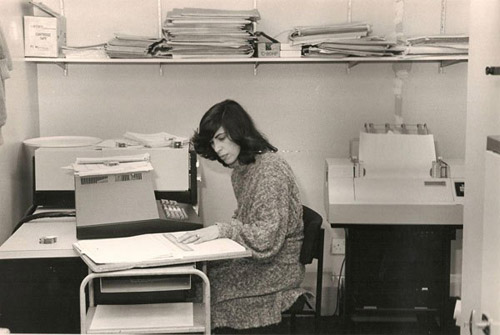
Day one in the 1988 newsroom greeted incoming staff with a deliberate office prank: a manual typewriter set squarely on the desk. This was quickly upgraded to standalone word processors with minuscule 4kB memories, and eventually to electric typewriters capable of storing a single line of text before clattering it onto paper.
Reviews were generated off-site by external freelancers who transmitted their copy via fax machines, outputting long, continuous sheets of thermal paper. Editors physically sliced, rearranged, and marked up these pages using traditional proofing symbols. The marked-up copy was then sent to an internal typing pool equipped with IBM electric typewriters, whose output was shipped to distant typesetters to return as long columns of justified "bromide."
Phase 2: Paste-Up Artistry and Press Passes
Art editors manually cut and adhered these bromide columns onto tracing-paper layouts using pungent Spray Mount adhesive. Photographic images were sized up using a massive optical machine called a visualiser, which projected original photographic slides—frequently shot by in-house garage photographer Steve Waters—onto the layout board.
Checking the accuracy of printed pages required physical visits to remote printing presses in Whitstable or Cornwall. Any late-stage text correction meant breaking out a scalpel to excise paragraphs and painstakingly readjusting spacing before commissioning expensive, brand-new printing plates.
Phase 3: The High-End Experiment and Epiphanies
In 1990, the publication launched Audiophile (initially Audiophile with Hi-Fi Answers), pushing the team into high-end audio equipment. This era brought legendary external contributors—including Malcolm Steward, Alvin Gold, Jimmy Hughes, and Paul Miller—into direct contact with younger editorial staff.
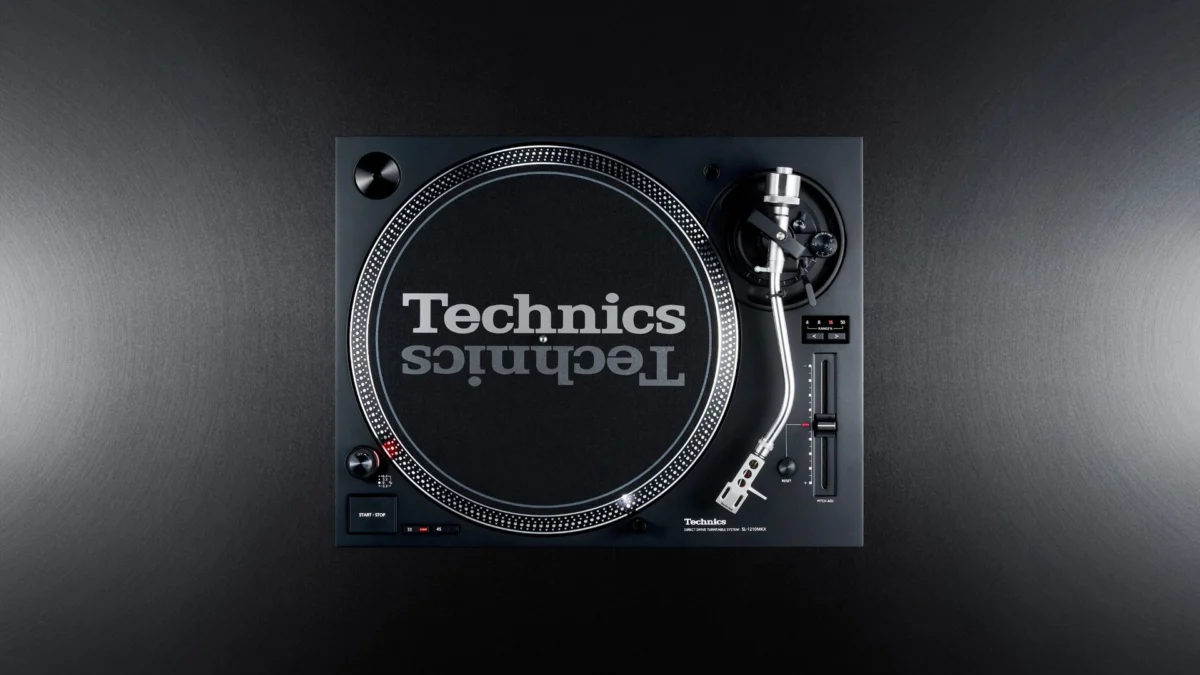
It was during this period that staff experienced profound acoustic awakenings. For many, sitting in front of a high-end Linn/Naim system powered by a legendary LP12 turntable—listening to John Bonham’s isolated drum work on Led Zeppelin’s Moby Dick—transformed casual music enthusiasts into lifelong disciples of high-fidelity sound.
Supporting Data & Operational Logistics
The logistical hurdles of producing a monthly print magazine in the pre-internet era were immense, prone to physical mishaps that could derail weeks of meticulous planning.
| Operational Element | 1980s–1990s Workflow | Modern Equivalent |
|---|---|---|
| Copy Transmission | Thermal fax paper and motorcycle couriers | Cloud-based collaborative editing platforms |
| Page Layout | Bromide columns, tracing paper, and Spray Mount | Desktop publishing software (InDesign, etc.) |
| Image Sizing | Optical visualisers projecting physical slides | Digital asset management and cropping tools |
| Review Verification | Isolated external freelancers; single-point testing | Centralized in-house listening rooms with cross-check panels |
| Correction Process | Physical scalpel excision and plate replacement | Instant digital text updates and rapid file re-exports |
The constant transit of proofs and review samples relied on a rigid schedule of motorcycle couriers. A single traffic accident involving damaged layouts or lost photographic slides could force editors into frantic, last-minute scrambles to source alternative frames and resize them before final deadlines.
Official Responses and Industry Controversies
While the editorial floor prided itself on rigorous independence—advertising sales teams were notoriously kept entirely in the dark regarding upcoming review content until the magazine landed on their desks—the publication was not immune to high-profile friction.
The Verve Legal Battle (1998)
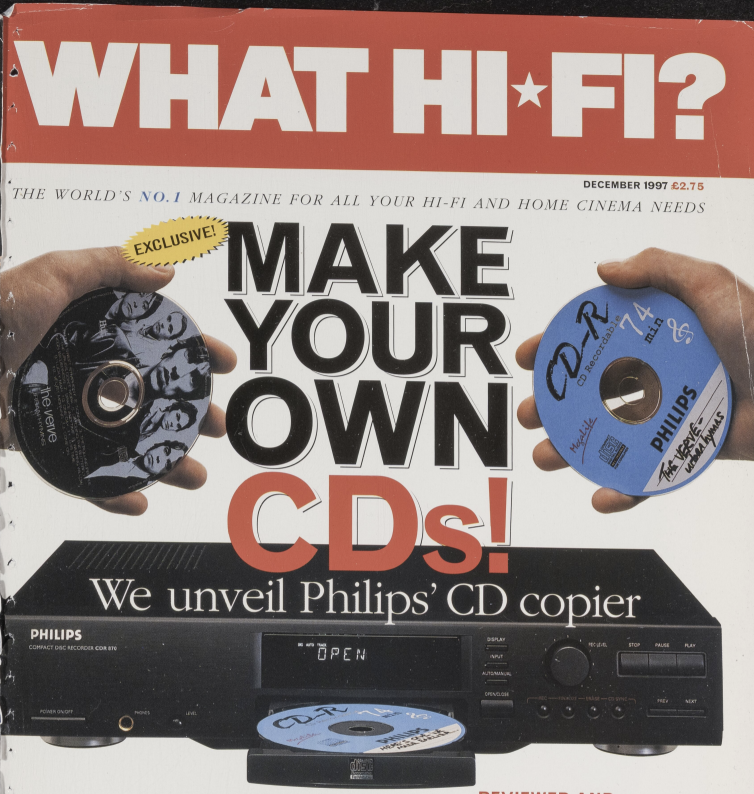
In the late 1990s, What Hi-Fi? found itself on the receiving end of a lawsuit from the legal representation of iconic Britpop band The Verve.
As affordable consumer CD recorders began entering the market, the magazine published a cover feature titled "Make your own CDs." The cover featured an image of the band’s critically acclaimed Urban Hymns album—a newsroom favorite frequently contrasted against the heavily compressed production of Oasis’s Be Here Now—alongside a blank CD-R bearing the album’s title written in permanent marker.
Though company lawyers had cleared the cover regarding copyright concerns over copying, The Verve’s legal team sued over the unauthorized commercial use of the band’s imagery displayed on the physical CD. Ultimately, the publishers settled out of court, finding that the cost of mounting a full legal defense exceeded the settlement sum.

Implications: The Legacy of In-House Testing and Multi-Reviewer Consensus
The profound structural shift that occurred in the mid-1990s—spearheaded by technical editor Andrew Everard, editorial director Mel Nichols, and design director Paul Harpin—saw the establishment of dedicated in-house listening rooms and the transition to full-time staff reviewers.
This centralized model introduced a crucial cross-check system:
- Multi-Reviewer Verification: No single opinion dictated a product’s star rating; multiple team members evaluated equipment to guarantee absolute objectivity.
- Unified Brand Voice: Removing individual author bylines from routine reviews created a consistent, authoritative institutional voice.
- Streamlined Award Selection: Having an in-house team working collectively with identical reference systems simplified the monumental task of selecting annual award winners.
Looking to the Future
Today, the core methodologies forged during the chaotic, analogue laboratories of the 1990s continue to underpin What Hi-Fi?’s global operation. While the physical typewriters have long since vanished, replaced by unified digital-print workflows and modern multimedia platforms, the foundational commitment to rigorous, unbiased, and passionate audio-visual journalism remains entirely unchanged.
And while modern editorial budgets may no longer sustain the legendary, multi-day expense-account pub sessions of yesteryear, the spirit of camaraderie that built the world’s leading hi-fi magazine lives on.