Can a Room Make You Smarter? How Architecture, Acoustics, and Cognitive Science Shape Modern Learning
011 mins
By [Author Name] Special to Architectural and Educational Insights
Main Facts: The Invisible Architecture of the Modern Classroom
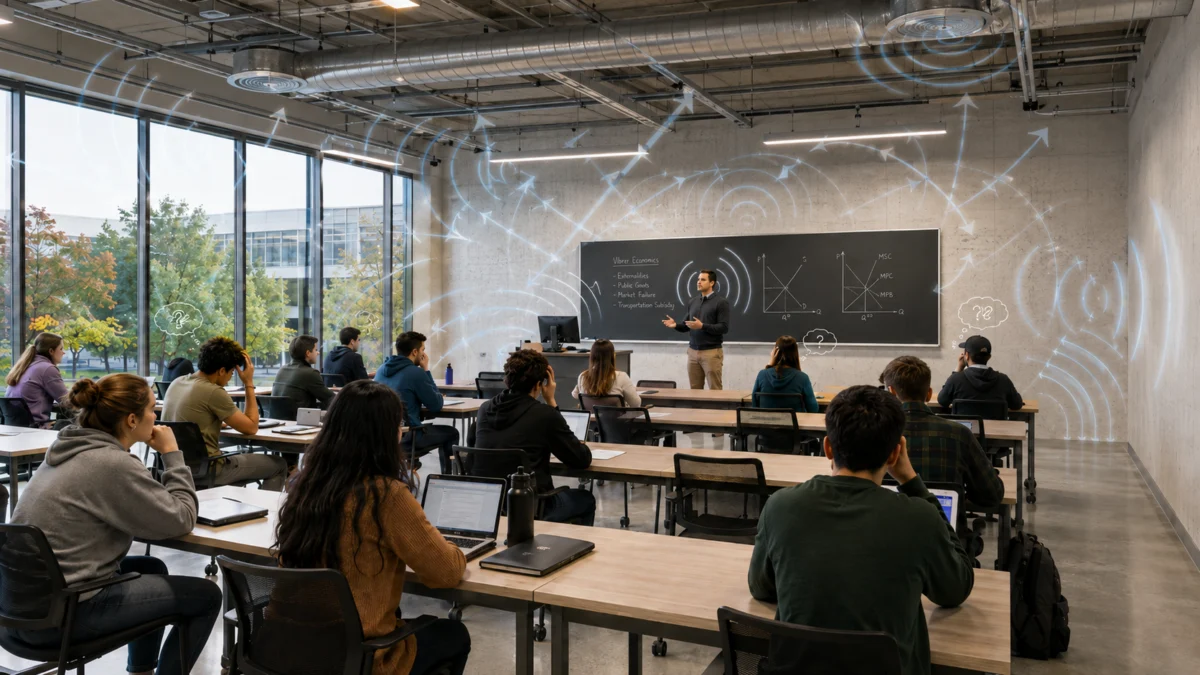
Modern educational architecture has undergone a radical transformation. Gone are the days of rigid, cellular rows of desks facing a single chalkboard. Today’s universities, colleges, K-12 facilities, libraries, and student commons are envisioned as flexible, multi-purpose hubs designed to foster collaboration, shared experiences, and dynamic communication.
However, as design trends lean heavily toward sleek, contemporary aesthetics—featuring hard, reflective surfaces like polished concrete, expansive glass walls, exposed steel, and granite flooring—a silent barrier to learning has emerged: poor acoustic design.
While these materials create visually stunning open-concept spaces, they also turn rooms into acoustic mirrors. Without intentional sound management, these environments suffer from chaotic reverberations, overlapping echoes, and high ambient noise floors. Far from being a mere annoyance, excess noise fundamentally undermines the primary objective of any educational space: the clear transmission and comprehension of knowledge.
Chronology: From Industrial Boxes to the Evolution of Sound-Aware Spaces
Understanding how we arrived at our current acoustic crisis requires looking at how school construction has shifted over the past century:
The Mid-20th Century (The Utilitarian Era): Schools were constructed with function prioritized over comfort. Ceilings were populated with cheap, industrial acoustic tiles that sagged over time, discolored, and offered little aesthetic or high-performance relief.
The Late 20th Century (The Expansion of Open-Plan Learning): Influenced by corporate office design, architects began experimenting with open-concept classrooms and massive common areas. Unfortunately, these spaces were built without accounting for how human voices travel across large, uninterrupted floor plans.
The Modern Era (The Glass-and-Steel Aesthetic): Contemporary school design favors minimalism, natural light, and brutalist or industrial finishes. Glass, steel, and stone dominate modern campuses. While aesthetically vibrant, these spaces routinely produce reverberation times (RT60) reaching up to 1.9 seconds—nearly triple the acoustically recommended 0.7 seconds for learning environments.
Today (The Rise of Integrated Acoustic Engineering): Institutions are realizing that visual beauty must be paired with sonic comfort. Advanced, customizable acoustic solutions—ranging from fabric-wrapped wall panels to architectural ceiling clouds—are now being integrated into the initial blueprint phase rather than treated as an afterthought.
Supporting Data: The Cognitive Toll of Noise
The human brain is not built to constantly filter out chaotic acoustic stimuli while simultaneously trying to absorb complex curriculum. According to Cognitive Load Theory, the brain possesses a finite amount of working memory capacity. When students must actively strain to decode speech through background noise—such as humming HVAC systems, footsteps, and overlapping conversations—their cognitive bandwidth is drained. Consequently, less mental energy remains available to process, analyze, and retain new information.
The Numbers Behind Poor Acoustics:
The 1-in-4 Rule: Research demonstrates that in untreated, reverberant classrooms, students can miss up to 1 in every 4 words spoken by an instructor. This deficit grows exponentially worse for students seated in the middle or rear rows of large lecture halls.
The Consonant Deficit: Unmanaged reflections disproportionately affect high-frequency consonant sounds (such as f, p, s, and t), which carry the critical distinctiveness of words. When these consonants are swallowed by echoes, vocabulary acquisition in early childhood education and complex terminology comprehension in higher ed both plummet.
The Lombard Effect: In open-plan collaborative zones, ambient noise naturally triggers the Lombard Effect—the involuntary human tendency to raise one’s voice to cut through background sound. As one group speaks louder, surrounding groups do the same, driving up the collective decibel level and creating a stressful, fatiguing environment.
Official Responses and Expert Perspectives: Moving Beyond "Dead" Spaces
A common misconception among facility managers is that achieving good acoustics means turning a room into an entirely "dead" space—a padded, sterile room where sound goes to die. Experts argue the opposite.
"The goal isn’t to deaden the entire space," notes acoustic engineering literature from leading sound-control manufacturers like Primacoustic. "It is to implement localized absorption solutions that capture sound close to the source. Like temperature, lighting, and ergonomic seating, sound needs to be balanced and managed to ensure comfort and engagement."
Educational facilities experts emphasize that relying on sound reinforcement systems—such as microphones and loudspeakers—is not a standalone fix. In an untreated, hard-surface room, amplifying a teacher’s voice merely pumps more energy into the space, amplifying echoes and making speech less intelligible. True acoustic optimization requires a balanced ecosystem of absorption, diffusion, and architectural placement.
Furthermore, industry leaders stress that modern interventions must respect architecture rather than mask it. Outdated, saggy drop-ceiling tiles have been replaced by high-performance architectural systems such as:
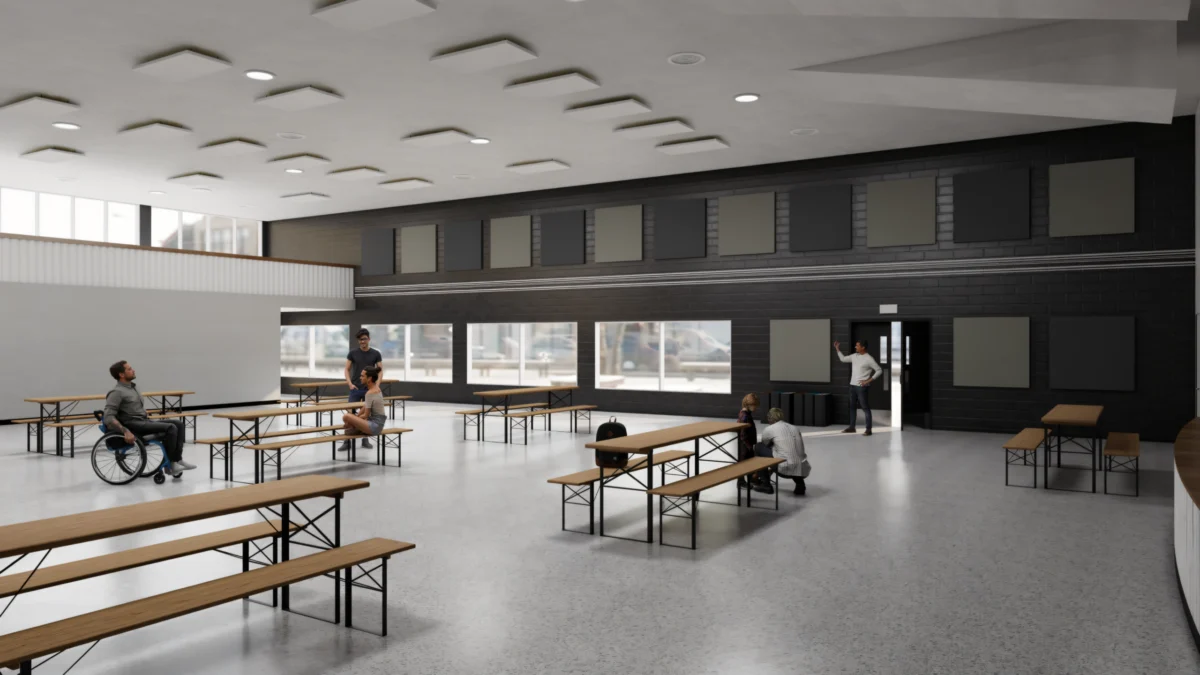
Ceiling Clouds and Baffles: Suspended horizontally or vertically to intercept vertical reflections in high-ceilinged lecture halls and common atriums.
Broadband Glass Wool Panels: Offering uniform absorption across all frequency ranges, traditionally reserved for recording studios but increasingly vital for critical learning and streaming environments.
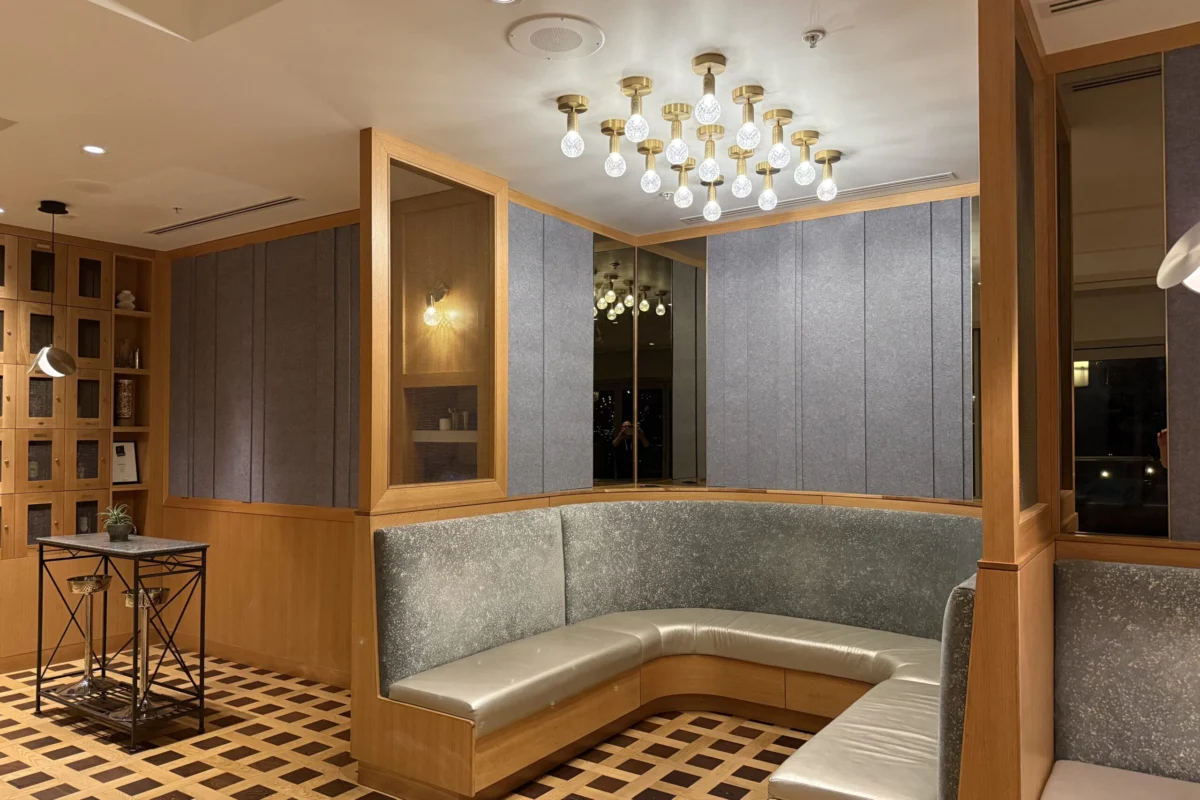
Customizable Systems (e.g., Primacoustic’s EcoScapes, Broadway, and Archadia lines): Fabric-wrapped panels, dimensional blades, and carved contour panels that double as striking interior design elements.
Mobile Isolation Solutions: Reconfigurable acoustic screens that allow students to record presentations, collaborate on media projects, or capture remote-learning lectures without bleeding noise into adjacent study zones.
Implications: Designing for Long-Term Focus and Well-Being
The implications of ignoring classroom acoustics extend far beyond standardized test scores. Chronic exposure to high ambient noise levels acts as a continuous low-level stressor for both educators and students.
1. Educator Health and Retention
Teachers are vocal athletes. In rooms with poor acoustics, educators routinely strain their vocal cords to project over background noise, leading to high rates of voice disorders, fatigue, and burnout. Creating sonically comfortable rooms directly correlates with teacher longevity and well-being.
2. Behavioral Improvements
Sound-conscious design inherently creates a calmer psychological atmosphere. When a room’s acoustic energy is properly absorbed, the overall behavioral tone of the students shifts. Lower ambient noise naturally reduces agitation, frustration, and sensory overload, leading to longer attention spans and more active, equitable classroom participation.
3. Future-Proofing Multi-Purpose Spaces
As contemporary institutions increasingly design multi-use spaces—rooms that serve as cafeterias in the morning, lecture halls by afternoon, and study commons by evening—acoustic flexibility is paramount. Without modular acoustic treatments, a space optimized for one activity will fail miserably at another.
Looking Ahead
Can a room make you smarter? Indirectly, yes. By removing the cognitive friction caused by poor sound, optimized acoustics clear the path for deeper focus, better comprehension, and healthier learning environments. As architectural trends continue to prioritize open, light-filled spaces, integrating professional-grade acoustic solutions from partners like Primacoustic is no longer a luxury—it is a foundational requirement for the future of education.