In an era where television manufacturers seem locked in an unrelenting race to supersize our living spaces—routinely pumping out mammoth panels stretching well north of 100 inches—the realities of modern urban living often get left behind. For households with moderately sized rooms, or for those who simply prefer a more integrated, less imposing home theater setup, the industry’s obsession with gargantuan screens feels increasingly disconnected from consumer needs.
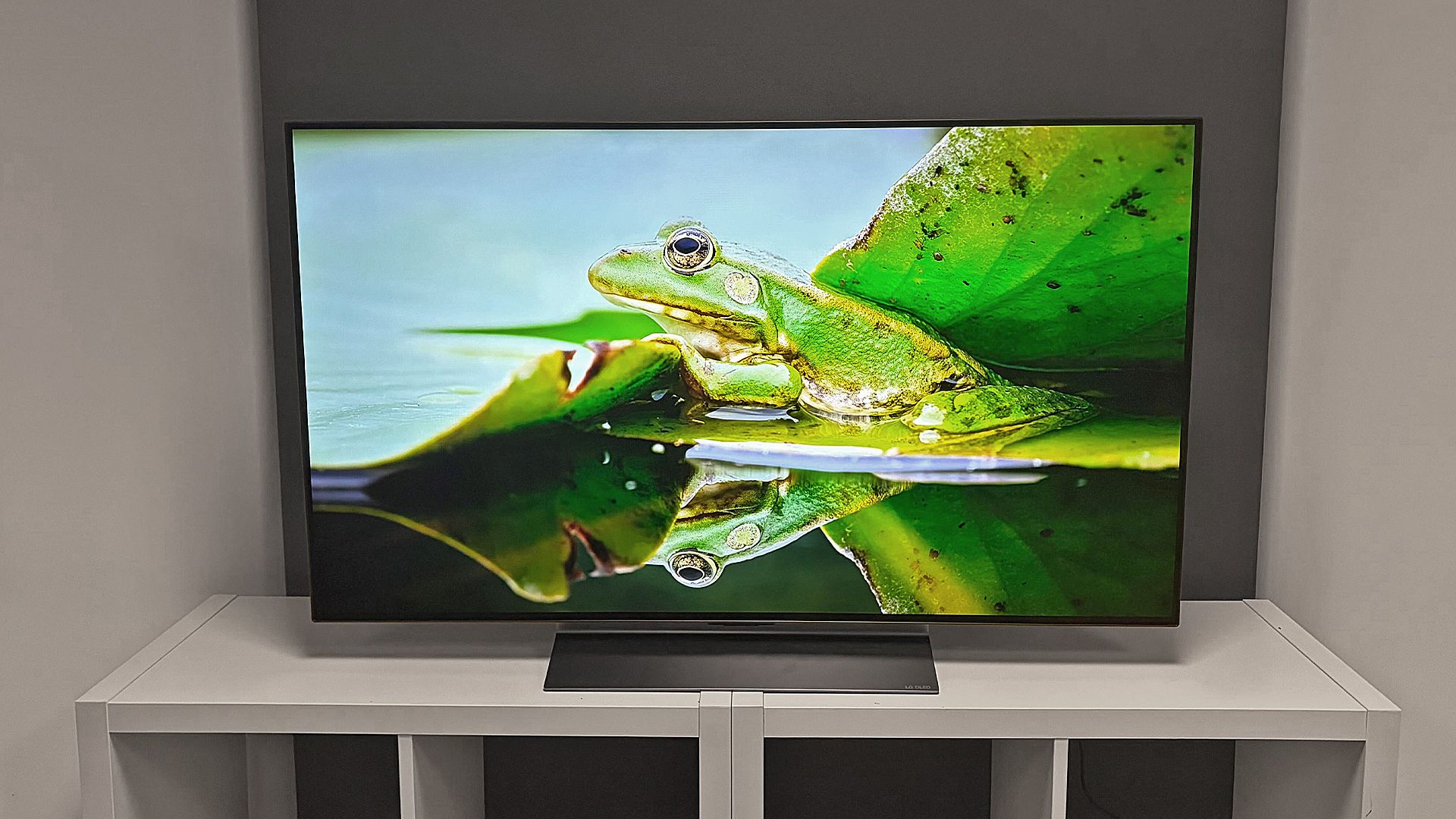
Naturally, opting for a smaller footprint has historically meant accepting major compromises on screen scale and cinematic immersion. But does a smaller television inherently translate to a diluted viewing experience? With the launch of the 48-inch LG C6, the South Korean electronics giant sets out to answer that question with a definitive and resounding no.
Following on the heels of the universally lauded 65-inch LG C6 model—which earned critical acclaim earlier this year—the 48-inch iteration arrives with high expectations. Because picture and sound performance can vary dramatically across different screen sizes, manufacturers rarely replicate a flagship’s magic down the line. Yet, the 48-inch C6 comes remarkably close to matching its larger sibling, preserving the rich, punchy, and cinematic qualities that made the C-series a dominant force in home entertainment.
Main Facts and Pricing Landscape
The LG OLED48C6 launched earlier this year carrying an initial retail price tag of £1400 / $1600 / AU$2400. However, swift market adjustments in the UK and US have already seen frequent price drops, reducing the cost to a much more palatable £1200 / $1200. Unfortunately, similar downward price corrections have yet to materialize in the Australian market.
Competition at the 48-inch tier is fiercer than ever, with next-generation "small" OLEDs flooding the market. LG’s own product ecosystem features the step-down B6 model in a 48-inch size for £999 / $800 / AU$1995, alongside a 48-inch version of the G6 available in the UK for £1399. Because LG’s popular C-series models typically enjoy extended shelf lives, remaining stock of the five-star predecessor, the 48-inch LG C5, can still be found retailing around £999.
Meanwhile, archrival Samsung offers its direct C6 competitor—the S90H—for £1199 / $1300 / AU$1760, matching LG stride-for-stride in feature sets and pricing across the UK and US markets. Panasonic’s Award-winning 48-inch OLED, the Z90B, also remains firmly in the running at £1199, ensuring consumers have an embarrassment of riches when shopping for a premium, compact display.
Chronology and Hardware Evolution
The design language of LG’s C-series continues its steadfast march forward, retaining the structural DNA—both virtues and vices—seen across generations stretching back to the 48-inch C2 in 2022.
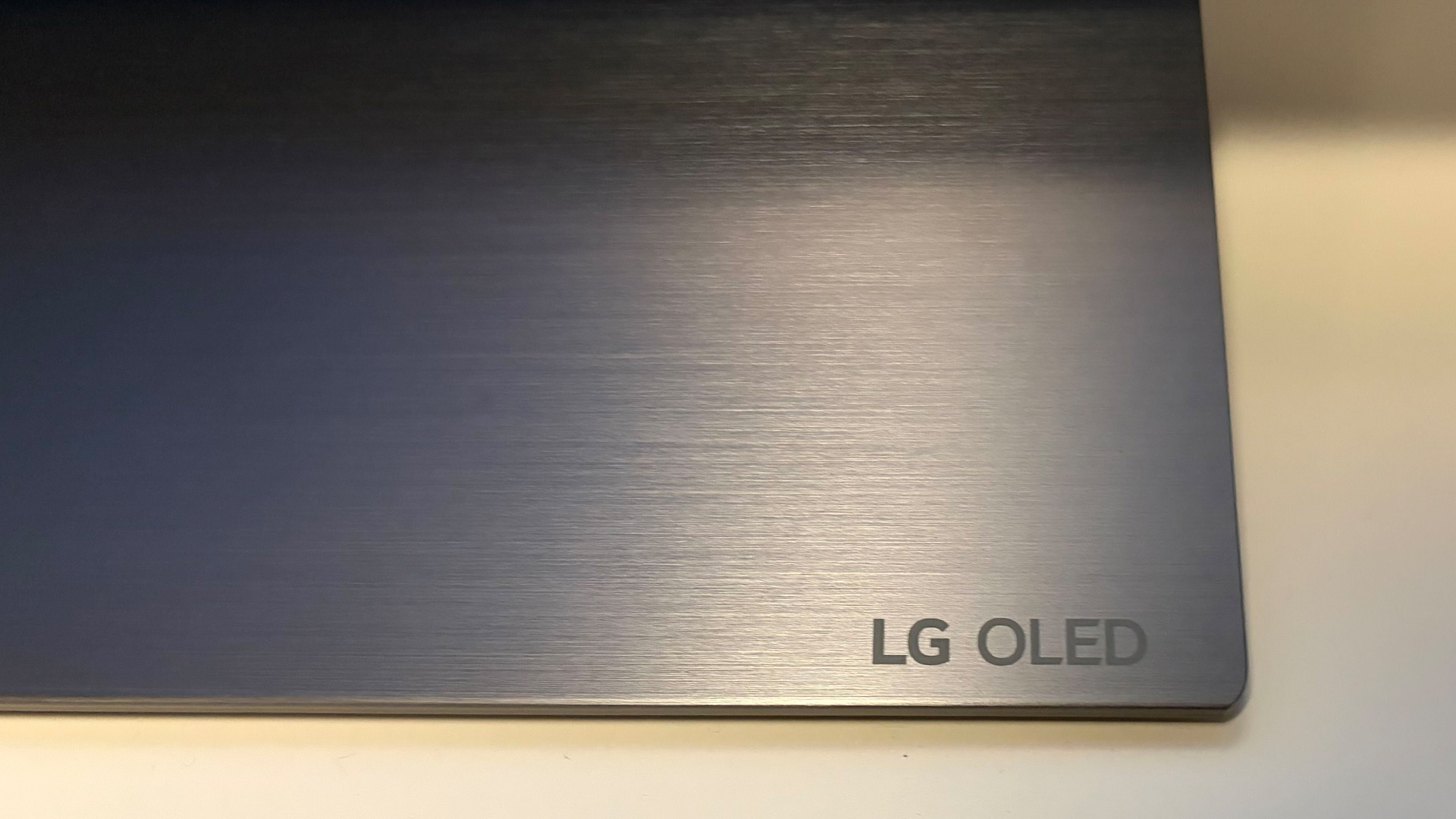
The physical television remains impressively thin, measuring just 47mm at its slimmest point, though this expands slightly to 4.6cm when factoring in the rear "backpack" housing the primary electronics and connectivity ports. Its razor-thin profile delivers a premium aesthetic, while the central pedestal stand allows the set to sit comfortably on narrower pieces of furniture.
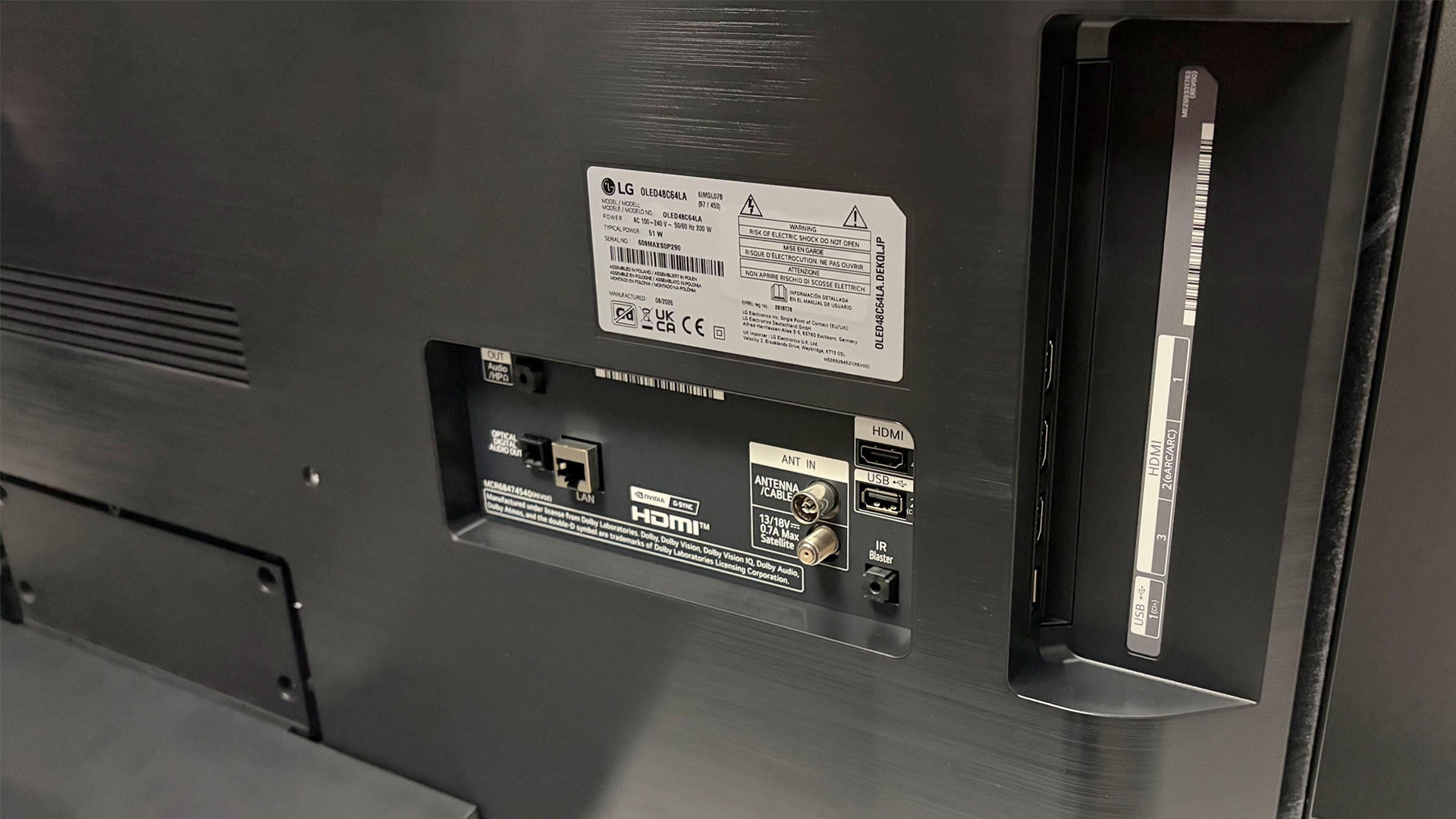
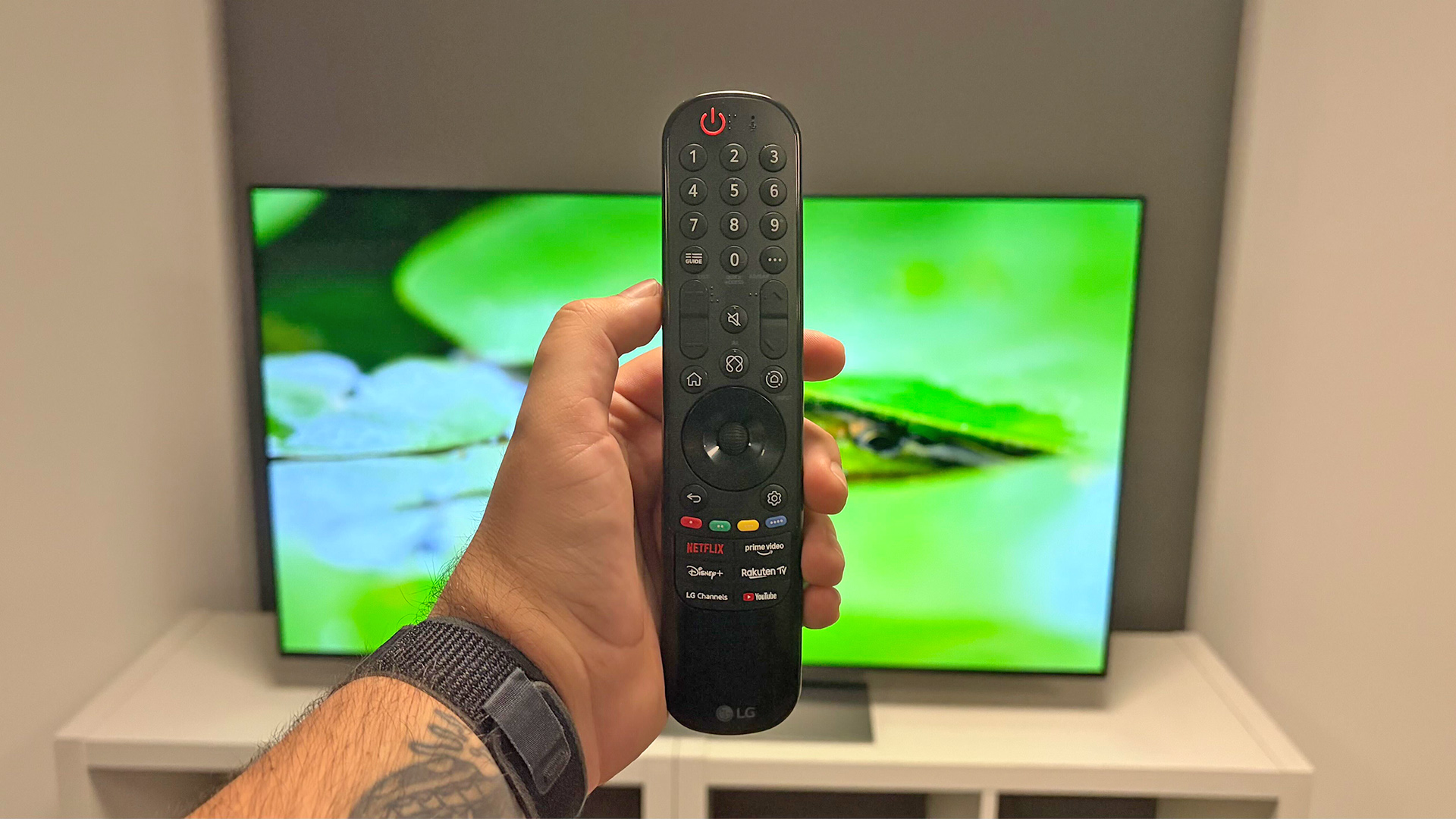
However, prospective buyers planning to pair the 48-inch C6 with a soundbar should note that the central stand protrudes forward in a slightly awkward manner. (By contrast, the smaller 42-inch C6 utilizes a pair of dual, blade-style feet that easily straddle a compact soundbar). LG continues to bundle its familiar Magic Remote, complete with the motion pointer and scroll-wheel navigation, though the controversial replacement of the source-select button with a dedicated ThinQ AI shortcut remains a polarizing choice among long-time users.
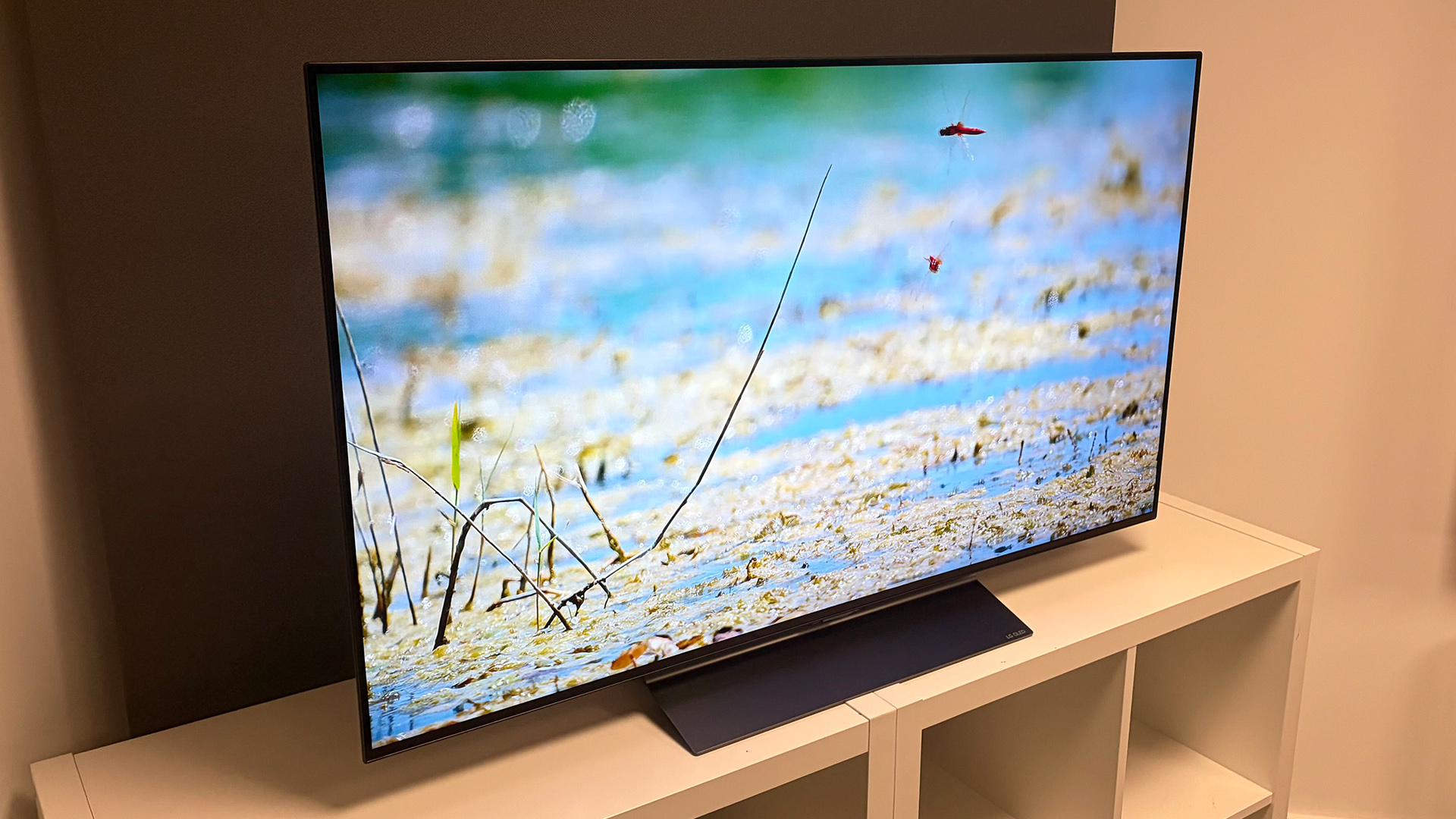
Beneath the sleek exterior, the C6 is powered by the cutting-edge Alpha 11 AI Processor 4K Gen3. This silicon powerhouse not only drives the webOS smart platform with fluid responsiveness but also spearheads advanced picture and sound processing. LG claims the new processor features a 12-bit processing pipeline, unlocking unprecedented color and brightness precision.
Supporting Data and Technical Specifications
- Screen Size: 48 inches (also available in 42, 55, 65, 77, and 83 inches)
- Panel Type: OLED
- Resolution: 4K Ultra HD
- HDR Formats: HDR10, HLG, Dolby Vision (HDR10+ omitted)
- Operating System: webOS 26
- HDMI Connectivity: 4 x full-bandwidth HDMI 2.1 (48Gbps)
- Gaming Features: 4K/120Hz, 4K/165Hz, VRR, ALLM, Dolby Vision game mode, HGiG, cloud gaming streaming up to 4K/120Hz
- Audio: 2.2-channel 40W system with Dolby Atmos and eARC
- Dimensions (HWD without stand): 62 x 107 x 4.7 cm
Official Responses and Panel Technology Controversy
One of the most compelling storylines surrounding the C6 series involves its underlying panel technology. Traditionally, LG’s mid-range C-series has relied strictly on WOLED panels, deliberately forgoing LG Display’s brighter, premium innovations like Primary RGB Tandem OLED or Micro Lens Array (MLA).
That dynamic appears to have shifted with the C6 generation. LG has officially confirmed that its 77- and 83-inch models utilize RGB Tandem OLED panels, branding them as "Brightness Booster Pro" sets, distinguishing them from the standard "Brightness Booster" tech found in smaller sizes.
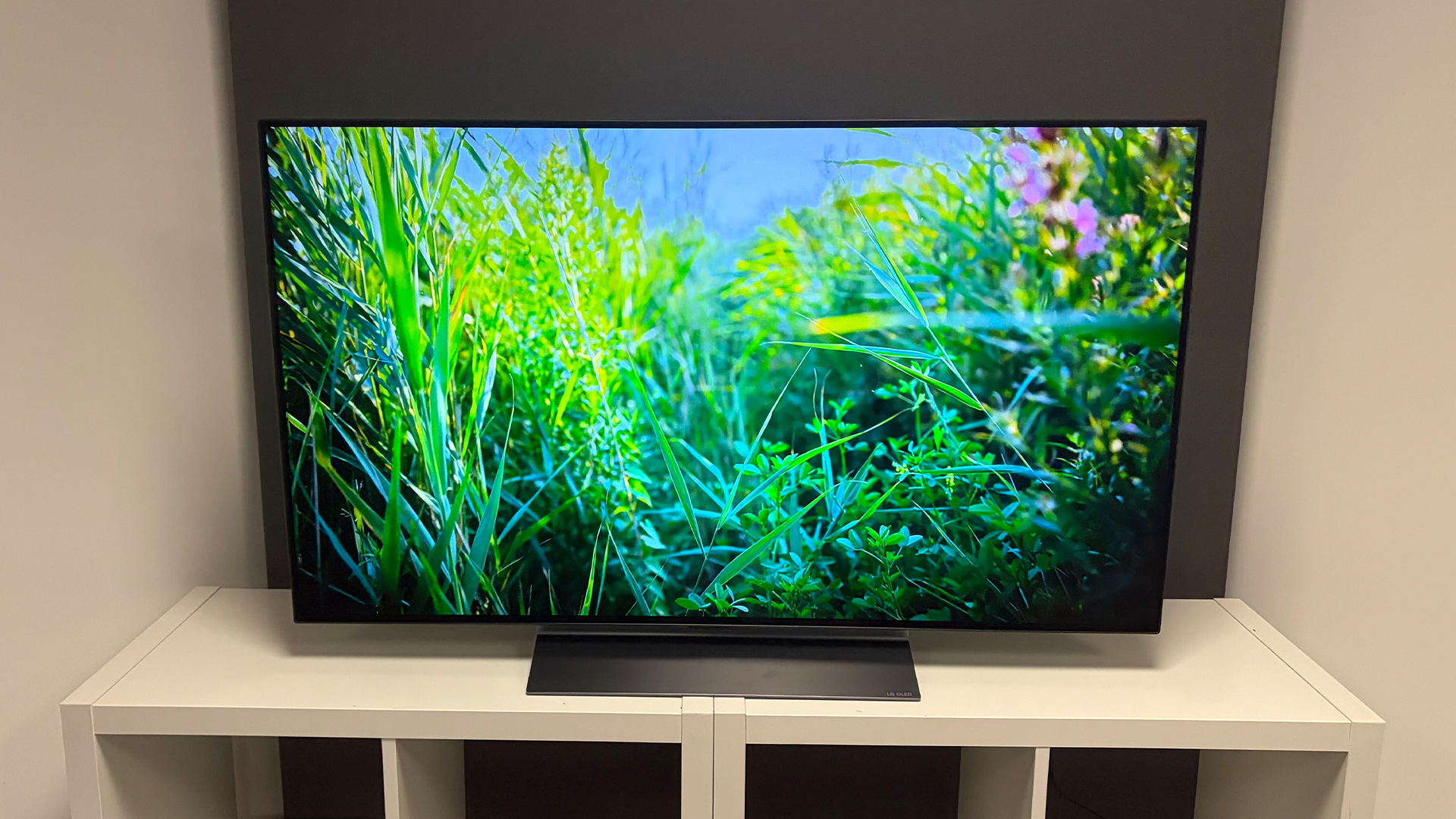
Industry rumors strongly suggest that the 48-inch C6—despite officially carrying the "Brightness Booster" moniker—also houses a Primary RGB Tandem OLED panel. When pressed for clarification, representatives from LG Display adhered strictly to the corporate playbook, stating simply that the company "does not talk about panel tech."
Regardless of component-level semantics, real-world testing by expert reviewers strongly corroborates the presence of upgraded panel mechanics, evidenced by a dramatic surge in brightness and color vibrancy compared to past iterations.
Performance Analysis: Picture and Sound Quality
Picture Performance
Testing the 48-inch C6 with reference 4K Blu-ray discs—including Civil War, Pan, Blade Runner 2049, and F1: The Movie—reveals a masterclass in compact display engineering. Engaging Filmmaker Mode provides an exceptional baseline, though enabling Cinematic Movement within the TruMotion settings effectively eradicates the minor judder inherent in 24fps film content.
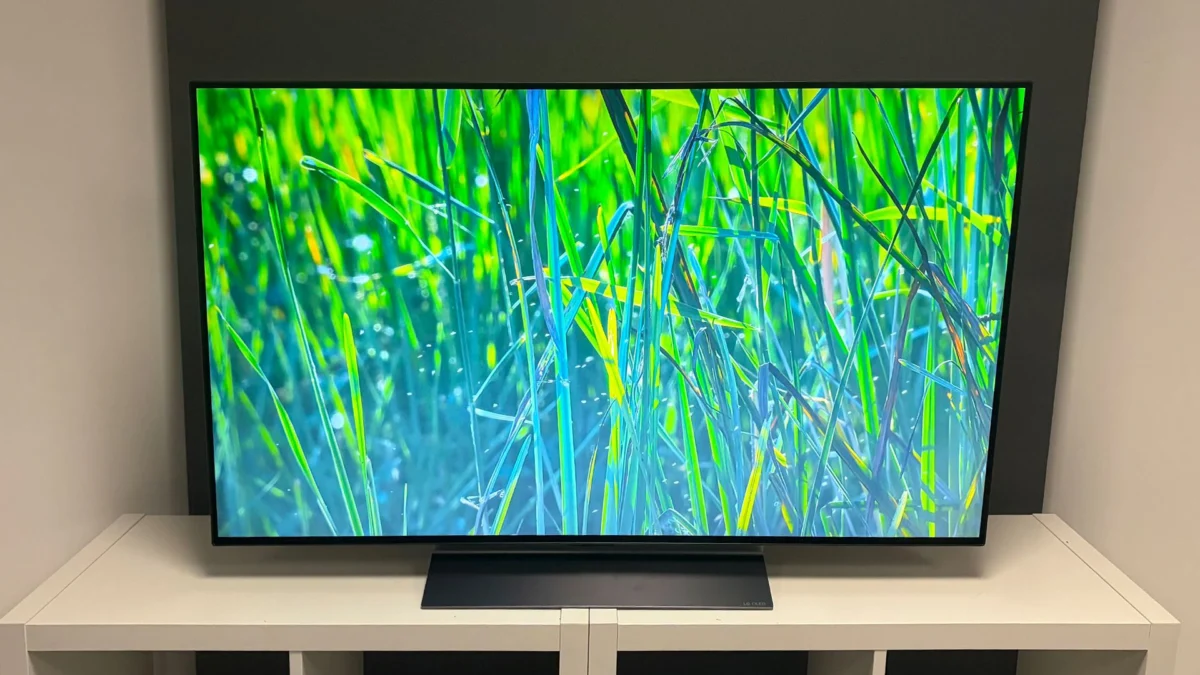
The combination of absolute blacks, superior contrast control, and dynamic highlight handling produces striking depth. In the climactic battle sequences of Civil War, rockets and explosive flares pierce the deep black night sky with intense bursts of light, while Washington D.C.’s architecture is rendered with astonishing realism and shadow detail.
Color reproduction is similarly vibrant; the colorful floating orbs and lush greens of Pan pop with energy while maintaining natural skin tones. Motion handling remains remarkably clean, cleanly tracking rapid-fire pans and panning shots in Blade Runner 2049 without triggering the dreaded soap-opera effect or introducing motion artifacts.
Sound Performance
Acoustically, the 48-inch C6 represents a noticeable step forward over the previous-generation C5, which faced criticism for a flat, uninspired sonic presentation. The C6 delivers crisper dialogue projection, improved weight, and a wider soundstage. Environmental effects in dense cityscapes feel spacious, and vocal clarity is notably enhanced.
While the built-in 40W speakers cannot defy the laws of physics—and users will undoubtedly achieve superior results by pairing the TV with a dedicated soundbar like the Sonos Beam (Gen 2)—the internal speakers are more than capable for casual viewing. Reviewers strongly advise bypassing the synthetic-sounding AI Sound mode in favor of standard audio settings for a more natural, balanced presentation.
Broader Implications
The LG 48-inch C6 stands out as one of the most intriguing televisions the brand has released in recent years. By bridging the gap between flagship-grade display technologies and a compact, room-friendly footprint, LG has effectively eliminated the compromise previously required to buy a high-end small TV.
Whether or not it officially proves to be the most affordable entry point into RGB Tandem OLED technology, the C6 delivers an exceptionally well-rounded package. For consumers unwilling to surrender a massive corner of their living space to a giant screen, the LG C6 proves definitively that world-class cinematic thrills can, in fact, come in remarkably small packages.