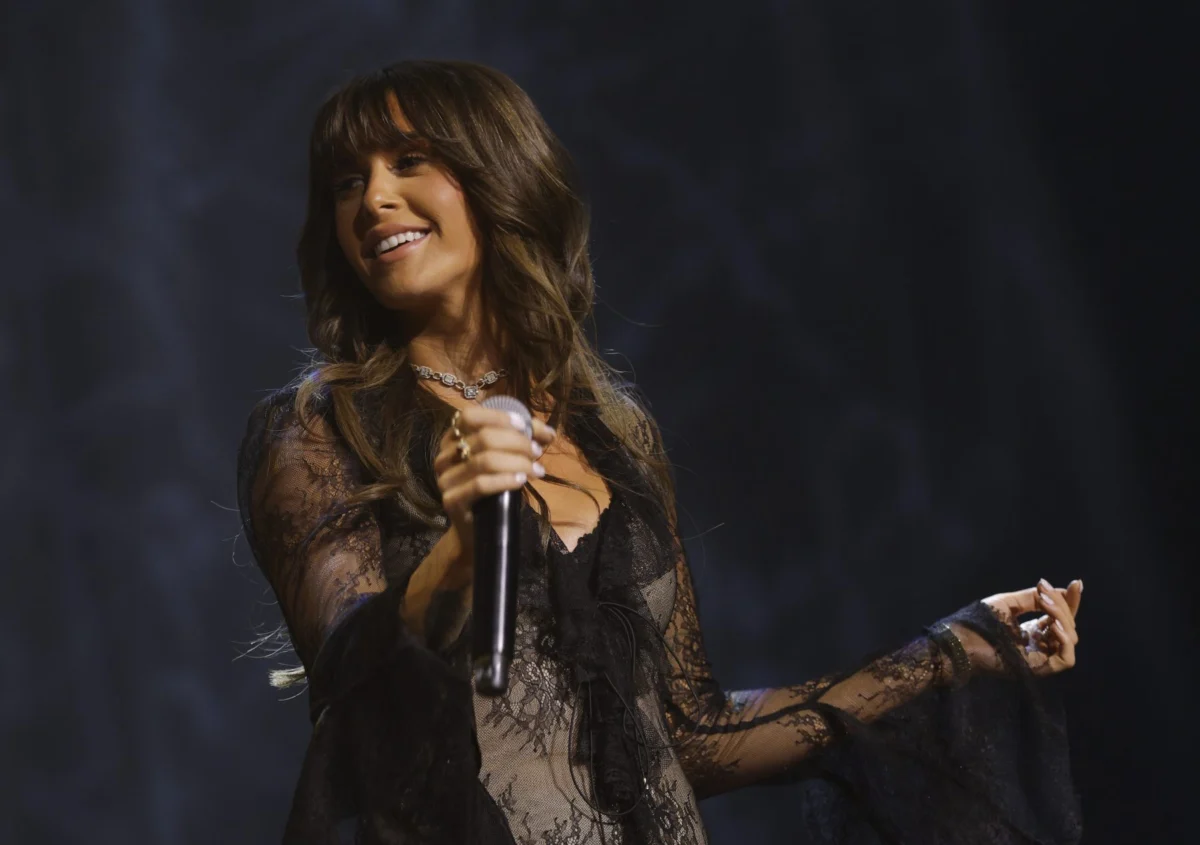
The stage of The Voice is no stranger to transformative performances, but few auditions carry the emotional gravity witnessed on Monday night (Oct. 5). During the Season 30 Blind Auditions, 25-year-old singer Dakota Cohen delivered a soul-stirring rendition of Black Sabbath’s 1972 melancholic masterpiece, "Changes." The performance, which drew praise from industry icons including Adam Levine and Queen Latifah, served as both a technical display of vocal prowess and a poignant tribute to the late Ozzy Osbourne, who passed away in July 2025.
For the veteran coaches, the choice of such a legendary, somber track was an immediate statement of intent. It was a performance that transcended the standard competition format, grounding the high-energy reality series in a moment of genuine musical reverence.
The Performance: A Masterclass in Subtlety
Cohen’s approach to "Changes" was stripped back and intimate, leaning into the song’s origins as a piano-led ballad rather than the heavy metal roots for which Black Sabbath is typically known. As the first notes resonated through the studio, the atmosphere shifted. The song, which contemplates the inevitable passage of time and the pain of personal transformation, requires a level of vocal maturity that is often lacking in televised talent competitions.
By the final bars, the coaches were clearly moved. Both Adam Levine and Riley Green had hit their buzzers, signaling their desire to mentor the young artist. Queen Latifah, while not a coach in this specific cycle, was vocal in her admiration, describing the performance as "astounding" and "insane," noting that the texture of Cohen’s voice added a layer of vulnerability that the original recording possessed in spades.
Chronology of the Blind Audition
The audition began with an air of quiet tension. Cohen, stepping into the spotlight with only her piano, began the iconic opening melody of "Changes." The coaches sat in their high-backed chairs, their expressions unreadable as they listened to the nuances of her phrasing.
- The Opening: Cohen introduced the song with a deliberate, slow tempo that forced the coaches to pay attention to her lyrical delivery.
- The Middle Act: As the song reached its emotional crescendo, the complexity of her vocal range became apparent. The control required to maintain the song’s melancholic tone without slipping into melodrama is a hallmark of a seasoned professional.
- The Turning Point: Adam Levine was the first to press his button. He was followed shortly thereafter by Riley Green. The reaction in the room was immediate, with the audience erupting into applause as the song concluded.
- The Pitch: Following the performance, a spirited debate ensued. Levine, eager to secure Cohen for his team, launched an aggressive, heartfelt pitch that emphasized the "bravery" required to choose a song so closely tied to the history of rock music.
Supporting Data: The Legacy of "Changes"
To understand the weight of Cohen’s performance, one must examine the history of the song itself. "Changes" was never a typical Black Sabbath track. Released on their 1972 album Vol. 4, the song stood in stark contrast to the dark, driving riffs of "Iron Man" or "Paranoid." It was a moment of vulnerability for the band, led by Ozzy Osbourne’s haunting, fragile vocal performance.
The song’s cultural resonance was further cemented in 2003 when Osbourne re-recorded it as a duet with his daughter, Kelly. That version topped the U.K. singles chart, introducing the song to a new generation. Following Ozzy Osbourne’s death in July 2025 at the age of 76—occurring only weeks after the legendary musician concluded his final farewell tour—the song experienced a massive resurgence in interest.
According to Billboard data, "Changes" debuted at No. 42 on the Hot Rock & Alternative Songs chart in the immediate aftermath of his passing. By selecting this song for a national stage, Cohen was not merely singing a cover; she was participating in a cultural mourning process, a fact that certainly influenced the coaches’ reactions.
The Coaches’ Perspectives and Professional Pitches
Adam Levine’s reaction was particularly notable. A coach who has seen thousands of auditions, Levine was quick to point out that the song choice alone was enough to earn his respect.
"The song choice for me says so much," Levine remarked during the post-performance critique. "That’s instantly something out of the gate; before I even heard you sing a note, I want you on my team."

Levine went further, comparing the unique, raspy, and emotive quality of Cohen’s voice to that of Miley Cyrus—a compliment that highlights the "lived-in" feeling of Cohen’s vocal cords. He insisted that the show was her "home," creating a narrative of belonging that resonated with the contestant.
The decision for Cohen ultimately came down to a long-standing personal connection. During the deliberation, it was revealed that Cohen had met Levine years prior at a restaurant. After hearing her sing a rendition of Maroon 5’s "Sunday Morning," the frontman had given her a simple, encouraging thumbs-up. That brief moment of validation had clearly stayed with her, and in the end, it was the deciding factor: Cohen chose Team Adam.
Implications for the Season
The arrival of Dakota Cohen on The Voice brings a specific type of artist to the competition. In recent seasons, the show has shifted toward favoring artists who can balance technical skill with storytelling. By choosing a song as heavy and historical as "Changes," Cohen has set a high bar for herself.
The implications of this choice are twofold:
- Audience Expectation: The viewers now expect Cohen to provide "moments" rather than just "performances." She has established a brand of emotional, piano-driven, and rock-adjacent artistry that will be difficult to pivot away from.
- Coaching Strategy: Adam Levine now has a contestant who is capable of tackling legacy music. This allows him to curate a setlist for her that focuses on classic rock and blues, potentially setting her apart from contestants who choose contemporary pop hits.
The Evolution of ‘The Voice’
As the show enters its 30th season, the format remains remarkably resilient. The current panel—comprising Kelly Clarkson, Adam Levine, Queen Latifah, and Riley Green—represents a diverse spectrum of the music industry. This blend of pop, rock, and hip-hop expertise creates a dynamic environment where contestants are often pushed to explore genres they might not have considered on their own.
Riley Green, who also turned his chair for Cohen, noted that the performance was the "perfect song choice." His appreciation for the track’s structure and the way it showcased Cohen’s range highlights the competitive nature of the coaches. While they are peers, they are also strategists, and recognizing a "star-making" audition is part of the game.
Conclusion: A New Chapter
The 30th season of The Voice is shaping up to be one of the most musically diverse in recent memory. By honoring the legacy of artists like Ozzy Osbourne while simultaneously forging a new path for herself, Dakota Cohen has proven that she is more than just a talented singer; she is a storyteller.
As the competition progresses, the spotlight will inevitably grow brighter. Whether Cohen can maintain the standard she set with her audition remains to be seen. However, if Monday night’s performance is any indication, she has already secured a place in the hearts of the coaches and, perhaps more importantly, the ears of a national audience.
The Voice airs Mondays and Tuesdays at 8 p.m. ET on NBC, with episodes streaming the following day on Peacock. As the Blind Auditions continue, viewers can expect more surprises as the coaches finalize their teams for the upcoming Battle rounds. For Dakota Cohen, the journey has only just begun, but the echo of those final notes of "Changes" will undoubtedly resonate throughout the rest of the season.