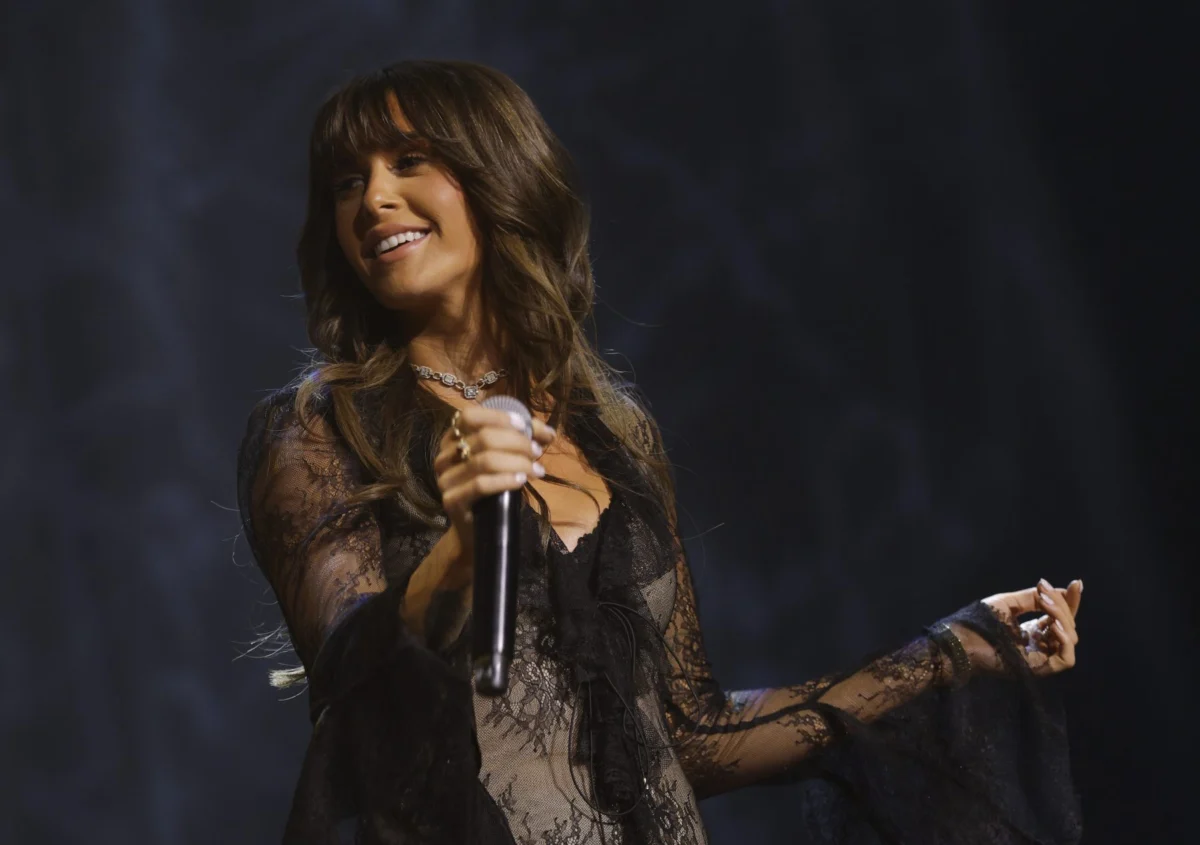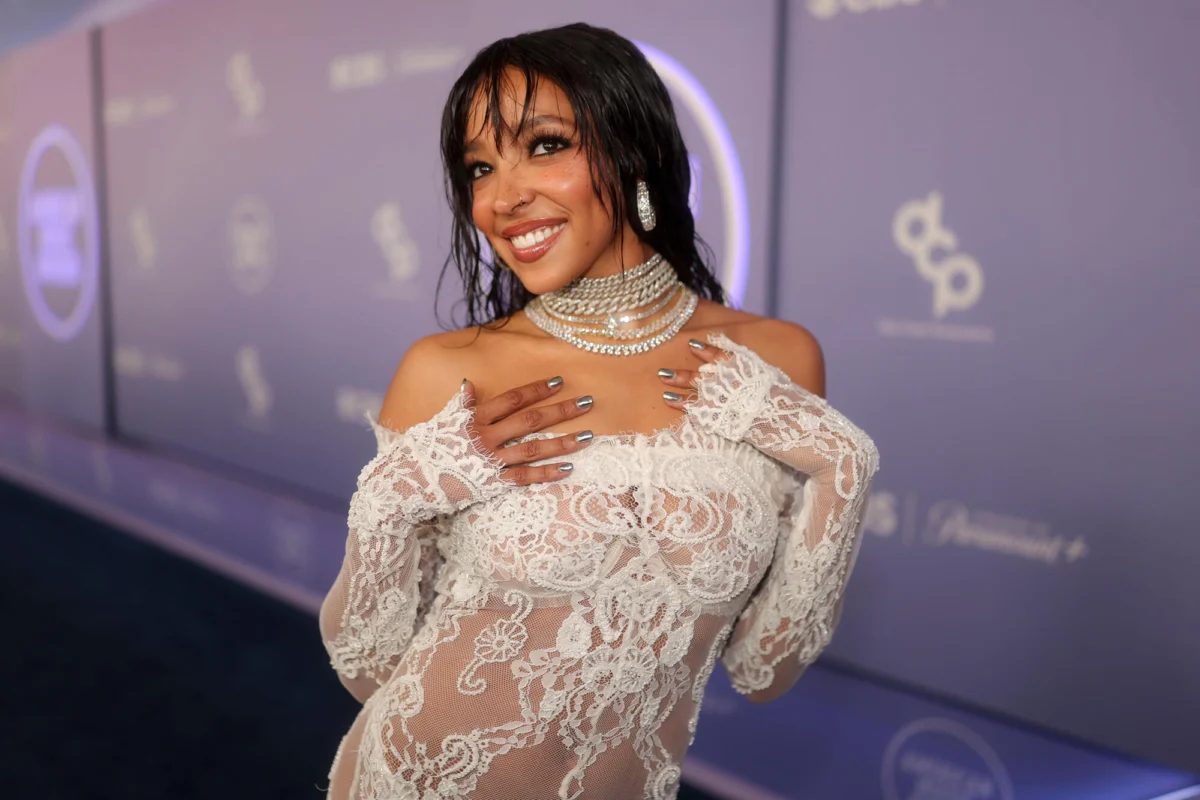
In the high-stakes world of contemporary R&B and pop music, longevity is often the rarest currency. For Tinashe, a multifaceted artist who has spent over a decade navigating the shifting tides of the music industry, the release of her latest studio album, Popstar, represents more than just a successful project—it is a long-overdue validation of her endurance, artistry, and evolution.
On Monday, Oct. 5, the music industry took notice as Popstar officially debuted at No. 6 on the Billboard 200. This milestone marks the highest-charting position of Tinashe’s career and her first-ever appearance in the prestigious top 10. For an artist who has operated with a unique blend of independent spirit and major-label polish, the achievement is a seismic shift in her professional trajectory, signaling her arrival as a bonafide pop powerhouse.
A Career-Defining Moment: The Numbers Behind the Success
The ascent of Popstar to the sixth spot on the Billboard 200 is a statistical triumph that highlights a significant shift in the singer’s commercial reach. To understand the magnitude of this achievement, one must look at the historical context of her discography. Since the beginning of her tenure as a recording artist, Tinashe has consistently produced critically acclaimed work, yet the commercial reception had often struggled to match the quality of her output.
Her 2014 major-label debut, Aquarius, was widely hailed as a breakthrough, peaking at No. 17 on the Billboard 200. While it established her as a formidable voice in alternative R&B, the years that followed saw her navigating a complex landscape of label politics and changing streaming trends. Subsequent projects like Nightride (No. 89) and Joyride (No. 58) demonstrated her ability to maintain a dedicated fanbase, but the chart ceiling remained elusive.
The most stark contrast comes from comparing the success of Popstar to her 2024 effort, Quantum Baby, which debuted at No. 199. The leap from the lower end of the chart to the top 10 in such a short window is an anomaly in the current streaming-heavy environment, speaking to a massive surge in brand awareness and the successful cultivation of a global audience.
The Chronology of a Resurgence
Tinashe’s path to the top 10 was not a sudden explosion, but rather a calculated, steady climb fueled by viral resonance and a refusal to be pigeonholed. The timeline of her resurgence is rooted in the success of her 2024 single "Nasty." The track became a cultural phenomenon, dominating social media platforms and driving listeners back to her catalog.
The song, which reached No. 61 on the Billboard Hot 100, was more than a catchy tune; it was a reintroduction. It marked her first solo entry on the Hot 100 in nearly a decade, proving that the public’s appetite for her signature blend of R&B and electronic-infused pop was stronger than ever.
The momentum continued with the release of "No Broke Boys," a high-energy collaboration with Disco Lines. The track proved to be a crossover hit, climbing to No. 36 on the Billboard Hot 100—her first top 40 entry since her seminal 2014 hit "2 On." Furthermore, the song’s dominance on the Billboard Hot Dance/Electronic Songs chart, where it sat at No. 1 for an astounding 24 weeks, showcased Tinashe’s versatility and her ability to dominate multiple radio formats simultaneously. By the time Popstar was ready for release, the infrastructure for a major hit had been meticulously laid.
An Emotional Milestone: "I’m Cryinggggg"
The news of the top 10 debut hit the singer with the weight of a decade’s worth of work. Upon learning of her chart placement, Tinashe took to X (formerly Twitter) to share her raw, unfiltered reaction with her fans.
"I’m so unbelievably grateful, this is CRAZY! #6 BILLBOARD DEBUT," she wrote, accompanied by a cascade of crying emojis. She went on to express her profound appreciation for her fanbase, writing, "Thank you so soooooo much for your love and support. I’m cryinggggg."
The reaction was not merely a celebrity acknowledging a business metric; it was an acknowledgment of the resilience required to stay relevant in an industry that often discards artists who do not see immediate, meteoric success. By sharing this moment, Tinashe humanized the achievement, reminding the world that behind every chart-topping album is a person who has weathered the highs and lows of a fickle industry.
Industry Support: A Chorus of Peers
The success of Popstar has been met with an outpouring of support from peers within the industry. Among the first to celebrate was fellow R&B visionary Victoria Monét. The Grammy-winning singer took to social media to amplify the news, quote-tweeting Tinashe with an exuberant message of solidarity.
"YESSS! I AM SO HAPPY FOR YOU!!!! Flowers and rockets to the moon my girl. CONGRATULATIONS!!!!!" Monét wrote, using a string of emojis to punctuate her excitement.
This public show of support from a contemporary of Monét’s stature speaks volumes about the respect Tinashe commands among her peers. In an era where female artists are often pitted against one another, these displays of genuine camaraderie serve to bolster the narrative of a collaborative, rather than competitive, R&B scene that is currently seeing a massive, collective renaissance.
Implications for the Future of R&B
The trajectory of Popstar serves as a case study for the longevity of modern R&B artists. A recent Billboard feature highlighted Tinashe as a prime example of an artist from her generation who has managed to reinvent herself repeatedly, moving fluidly between R&B, pop, and dance music without losing her core identity.
Her success carries several important implications for the music business:
- The Independent Powerhouse Model: Tinashe’s ability to build a sustained career outside of the traditional, restrictive major-label system—eventually finding massive success through a hybrid approach—is a roadmap for younger artists. She has proven that consistent touring, high-quality visual content, and direct engagement with fans can eventually break through the "noise" of the industry.
- Genre Fluidity as a Strength: By refusing to stay in one lane, Tinashe has expanded her reach. The success of "No Broke Boys" in the dance/electronic space provided a bridge to new audiences who might not have initially categorized her as an R&B artist.
- The "Slow Burn" Success: In an industry obsessed with immediate viral hits, Tinashe’s story proves that an artist’s career can be a slow burn. The decade-long gap between her initial peak and her current top 10 status suggests that audience loyalty can be built over time, and that relevance can be reclaimed even after long periods of relative commercial quiet.
Looking Ahead: What’s Next?
As Popstar continues to climb and settle into the public consciousness, the question shifts from "Can she succeed?" to "What will she do with this momentum?" With a top 10 album now firmly under her belt, Tinashe has effectively cleared the bar that has held her back for years.
The industry is now looking to see if this success translates into larger headlining tours, high-profile festival slots, and further collaborations with A-list producers who were perhaps hesitant to commit to her in the past. If the last two years are any indication, Tinashe is not an artist who rests on her laurels. Her ability to pivot, adapt, and consistently deliver high-quality music has brought her to this point, and there is every reason to believe that the success of Popstar is merely the next chapter in an evolving, decade-long legacy.
For now, the singer can take a moment to breathe. After years of working in the trenches, climbing the ranks, and navigating the complexities of fame, Tinashe has finally claimed her spot in the top 10. And as her social media posts confirm, she is enjoying every second of it.