Achieving a pristine, professional finish when installing architectural acoustic treatments requires more than just high-quality materials; it demands precision, the right equipment, and an intimate understanding of the medium. When working with advanced sound-absorption solutions like EcoScapes Acoustic Panels, clean cuts are the defining factor between a DIY amateur look and a high-end, architectural installation. Whether you are trimming perimeter edges to fit tight room dimensions, delicately cutting around complex electrical outlets, or fabricating custom geometric shapes for artistic wall features, mastering the art of the cut makes all the difference.
This comprehensive guide covers everything installers, contractors, and interior designers need to know to achieve flawless results. From specialized tool recommendations and workspace preparation tips to step-by-step cutting methodologies and critical safety protocols, we explore how to optimize your workflow with EcoScapes panels.
1. Main Facts: Understanding EcoScapes Acoustic Panels
To cut a material effectively, one must first understand its structural composition. EcoScapes PET (Polyethylene Terephthalate) Acoustic Panels are engineered from densely compressed, recycled plastic fibers. This sustainable manufacturing process not only diverts millions of single-use plastics from landfills and oceans but also yields a remarkably resilient, durable, and acoustically absorbent architectural product.
Core Material Characteristics
- High-Density Composition: The tightly compressed polyester fibers provide exceptional structural rigidity while maintaining lightweight handling properties.
- Acoustic Performance: The porous nature of the recycled PET matrix traps sound waves efficiently, reducing reverberation, echo, and ambient noise in commercial and residential spaces.
- Eco-Friendly Footprint: Manufactured entirely without harmful chemical binders, heavy metals, or volatile organic compounds (VOCs), making them safe for indoor environments.
- Dimensional Stability: Unlike traditional fiberglass or mineral wool panels, EcoScapes panels do not shed itchy particulate matter, sag over time, or degrade when exposed to standard indoor humidity levels.
Understanding these properties highlights why selecting the correct cutting tool is paramount. Because the material relies on dense, intertwined plastic fibers rather than a brittle core, using dull blades can pull or fray the fibers rather than slicing through them cleanly.
2. Chronology: The Evolution of Architectural Acoustic Cutting
The methods used to shape acoustic panels have evolved dramatically alongside modern interior design trends.
- The Early Era of Wall Treatment (Pre-2000s): Historically, acoustic treatments were dominated by mineral wool, foam wedges, or fabric-wrapped fiberglass panels. Cutting these materials often required rudimentary kitchen knives or hacksaws, resulting in messy, uneven edges that necessitated wooden or aluminum framing to hide imperfections.
- The Rise of PET Felt Innovation (2010s): As open-concept office spaces, modern restaurants, and minimalist residential designs surged in popularity, architects demanded exposed, frameless acoustic solutions. This paved the way for compressed PET felt panels. Early installers relied heavily on standard utility knives, which required immense physical effort and multiple passes to pierce thick panels.
- Modern Precision Fabrication (Present Day): Today, the installation ecosystem for architectural panels is highly sophisticated. Installers utilize everything from high-speed electric rotary cutters and fine-tooth jigsaws to automated CNC (Computer Numerical Control) routing machines. This technological leap allows for intricate wall patterns, complex corporate branding cutouts, and lightning-fast commercial installations with zero margin for error.
3. Supporting Data & Professional Tool Recommendations
Selecting the correct instrument for your specific project scale prevents material waste and saves valuable labor hours on the job site. The following matrix outlines the industry-standard tools recommended for cutting EcoScapes Acoustic Panels:
| Tool Category | Best Suited For | Professional Tips & Best Practices |
|---|---|---|
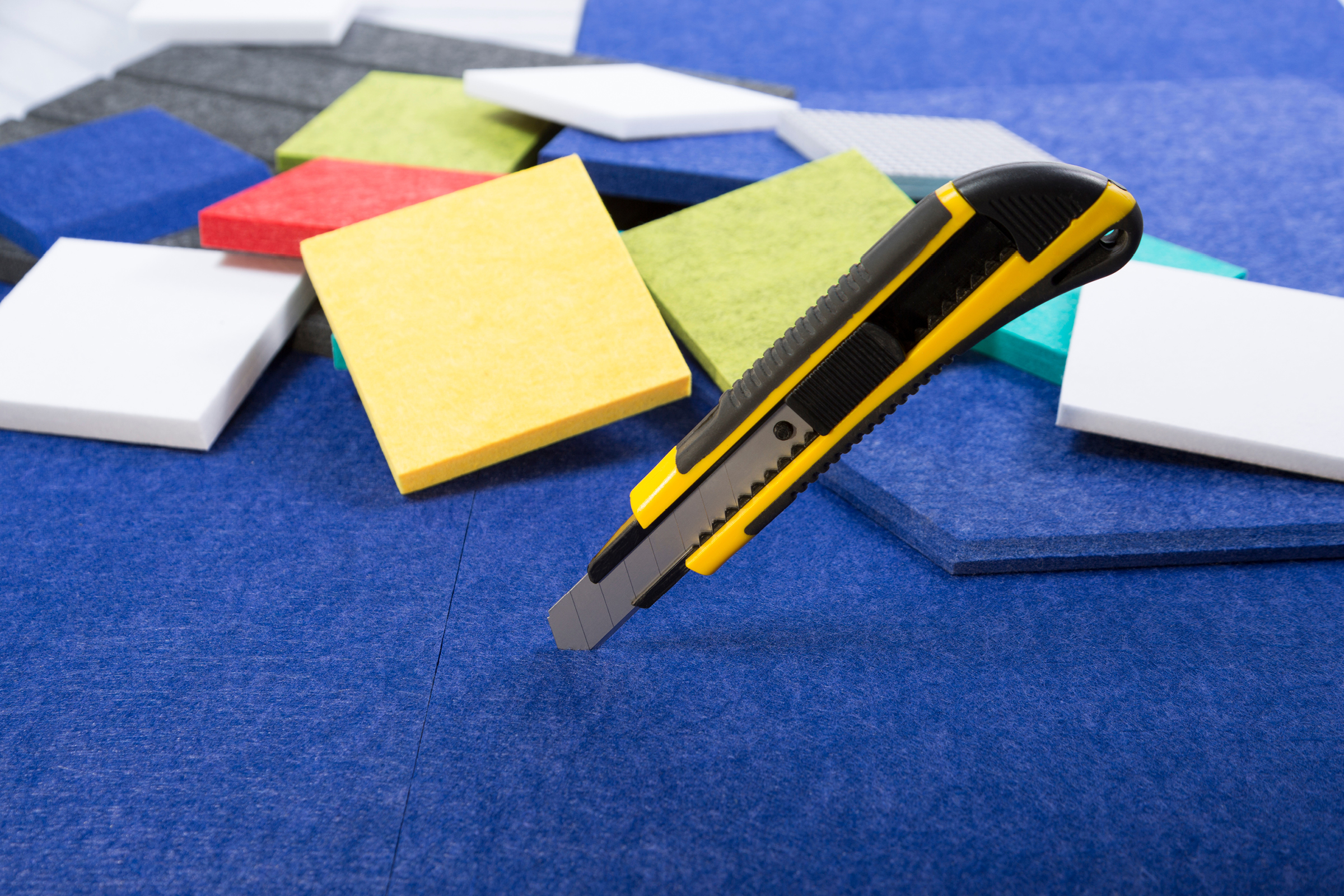
| Utility Knife / Box Cutter | Straight cuts, minor trimmings, and on-site adjustments | Always equip a fresh, razor-sharp blade. Never attempt to cut through the entire thickness in a single stroke; instead, score the surface multiple times along a rigid metal straightedge. |
| Carpenter’s Knife | Standard DIY projects and light commercial work | Offers a sturdier grip than a standard box cutter. Works exceptionally well for standard 9 mm to 12 mm thick panels. |
| Electric Rotary / Oscillating Cutter | Large-scale commercial installations with linear yardage | Produces ultra-smooth edges at high speeds with minimal fiber fraying, significantly reducing physical fatigue during marathon installation sessions. |
| Jigsaw or Circular Saw | Complex geometric shapes, curves, and bulk cutting | Equip a fine-tooth metal or plastic-cutting blade (high-TPI / teeth-per-inch). Operate at medium speeds to prevent friction heat from melting the polyester fibers. |
| CNC Cutting Machine | Custom corporate logos, intricate patterns, and architectural designs | The gold standard for industrial-level precision. Ideal when multiple identical panels require complex, repeating geometries. |
4. Step-by-Step Cutting Guide
Executing a flawless cut requires a disciplined, methodical approach. Follow this four-step professional workflow to ensure pristine joints and a polished installation.
[Step 1: Measure & Mark] ---> [Step 2: Secure Panel] ---> [Step 3: Make the Cut] ---> [Step 4: Smooth & Finish]Step 1: Measure and Mark
Accuracy begins long before the blade touches the material.
- Double-check all wall dimensions, taking into account uneven corners, baseboards, and architectural quirks.
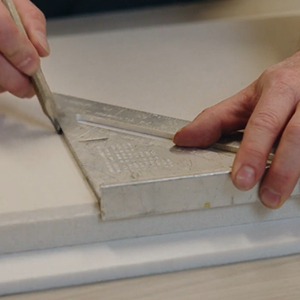
- Transfer your measurements directly onto the non-face side (backside) of the panel using a chalk pencil, fine-tip marker, or a specialized tailor’s chalk that can be easily brushed away.
- Align a heavy-duty, non-slip metal T-square or straightedge across your reference marks to create an unyielding cutting guide.
Step 2: Secure the Panel
Stability is critical to preventing slips, jagged lines, or accidental workplace injuries.
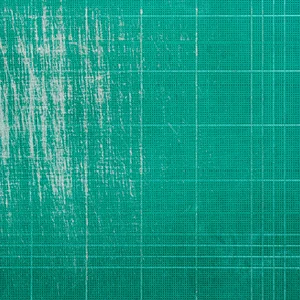
- Lay the EcoScapes panel completely flat on a clean, elevated work table or a dedicated cutting bench. Ensure the surface is free of debris, screws, or grit that could puncture or warp the panel face.
- Clamp the panel securely to the work surface using C-clamps or spring clamps, particularly when using a straightedge to guide your hand blade. If using power tools, ensure the panel cannot shift or vibrate during operation.
Step 3: Make the Cut
The cutting technique depends heavily on the tool you selected in Step 2:
- For Manual Knives: Hold your utility knife at a slight angle, pressing firmly against your metal straightedge. Make an initial light "scoring" pass to break the surface fibers. Follow up with 3 to 5 progressively deeper passes until the blade passes cleanly through the backing. Do not force the blade; let the sharpness do the work.
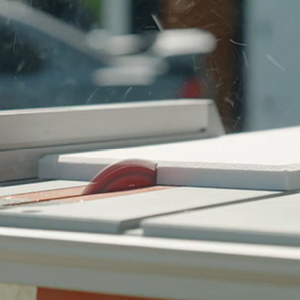
- For Power Tools (Jigsaws/Circular Saws): Maintain a steady, moderate forward feed rate. Pushing too fast can bind the blade and tear the fibers; moving too slowly can generate excessive frictional heat, causing the PET fibers to melt and fuse together awkwardly.
Step 4: Smooth and Finish
Even with the sharpest blades, minor fraying or loose micro-fibers can occasionally occur along cut edges.
- Run a fine-grit sanding block (120 to 220 grit) gently along the cut edge at a 45-degree angle to feather away stray fibers.
- For absolute perfection, a quick pass with a handheld garment steamer or a heat gun on a low setting can instantly relax and seal any unruly polyester fibers, leaving a crisp, factory-fresh edge.
5. Common Mistakes to Avoid
Even seasoned contractors occasionally fall victim to avoidable installation pitfalls. Keep these crucial warnings in mind:
- Using Dull Blades: A dull utility blade is the single greatest enemy of clean cuts. It drags, bunches, and tears the recycled plastic fibers rather than slicing them, ruining the aesthetic integrity of the panel edge. Change your blades frequently.
- Rushing the Cut: Attempting to slice through a thick panel in one aggressive, high-pressure stroke almost always leads to a wandering blade, crooked lines, or slipping tools that can damage the face of the panel.
- Failing to Measure Twice: Acoustic panels are precise architectural elements. Cutting a panel too short leaves unsightly gaps against walls or ceilings, resulting in costly material waste.
- Ignoring Thermal Friction: When using high-RPM power saws, excessive friction can melt the synthetic PET fibers into hard, brittle clumps. Always use fine-tooth blades and maintain a controlled, steady cutting speed.
6. Official Responses & Industry Implications
As sustainable building standards—such as LEED, WELL Building Standard, and BREEAM—continue to dominate the commercial real estate sector, the demand for eco-friendly architectural finishes has skyrocketed. Manufacturers and industry associations have responded with clear guidance on installation efficiency.
According to leading acoustic engineers and commercial interior installation specialists, the shift toward recyclable PET felt panels represents a paradigm shift in how spaces manage both sound and sustainability.
"The modern commercial workspace demands materials that perform acoustically while meeting rigorous environmental certifications," notes an industry standards spokesperson. "Products like EcoScapes eliminate the traditional compromises between sustainability and aesthetic refinement. However, the onus falls on the installation contractor to honor that engineering through precise, meticulous craftsmanship on site."
The broader economic and architectural implications are profound. By streamlining on-site fabrication techniques—such as utilizing pre-programmed CNC routing or efficient hand-scoring methods—contractors can drastically reduce labor hours, minimize material waste on job sites, and deliver acoustic environments that marry uncompromising acoustic control with striking visual luxury.
Conclusion
Achieving clean, professional cuts on EcoScapes Acoustic Panels is entirely straightforward when you combine the correct equipment, careful preparation, and patient technique. By respecting the unique properties of compressed recycled PET fibers, utilizing sharp specialized blades, and adhering to strict safety and finishing protocols, both seasoned professionals and dedicated DIYers can accomplish flawless installations. The result is a seamless architectural finish that transforms challenging acoustic spaces into havens of quiet sophistication and sustainable design.