Main Facts
Relocating to a new home is universally recognized as one of life’s most stressful milestones. Between the endless packing tape, the heavy lifting, and the organizational labyrinth of unpacking, the process demands immense physical and mental energy. Yet, once the boxes are finally cleared and the rooms begin to take shape, the reward materializes: turning a stark, unfamiliar space into a genuine home.
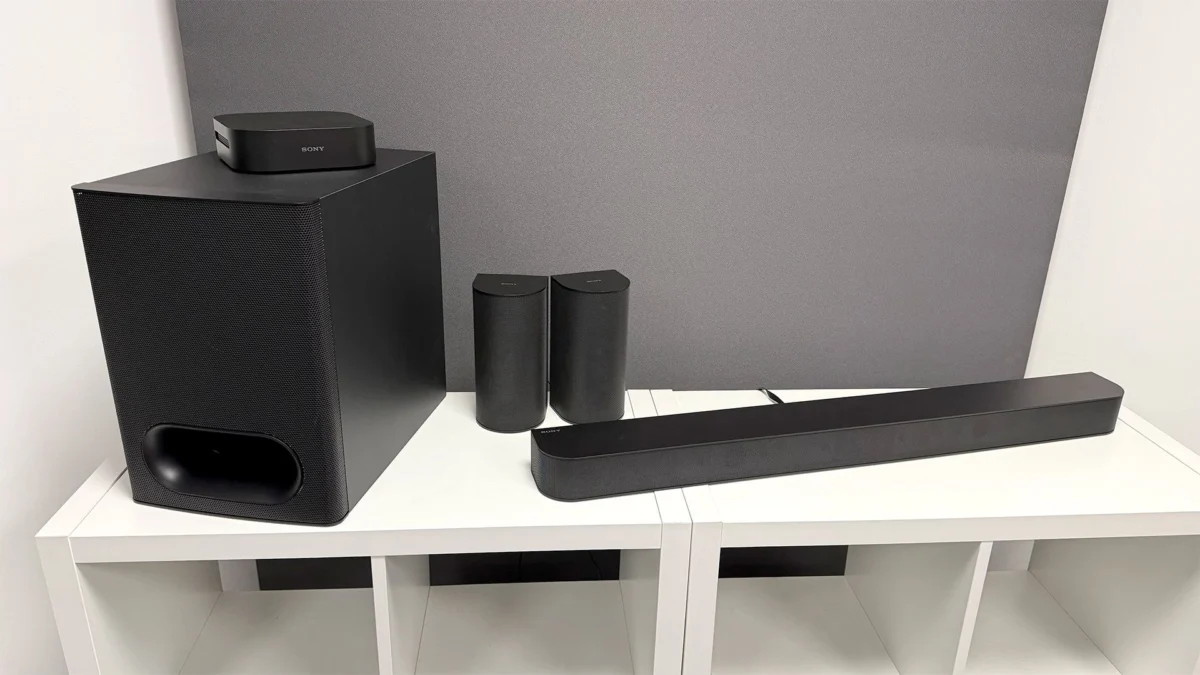
For Robyn Quick, a staff writer at What Hi-Fi?, the end of a recent house move marked the beginning of a fresh domestic challenge: building a brand-new audio-visual (AV) system from scratch. Constrained by both the modest square footage of a new flat and a strict budget, a traditional multi-speaker surround-sound system was immediately ruled out. Instead, the search naturally gravitated toward a single-unit solution.
When hunting for a compact yet high-performing audio upgrade, one brand consistently dominates the conversation: Sonos. Known for its streamlined ecosystem and acoustic engineering, Sonos boasts an impressive lineup of soundbars. Remarkably, almost every current model in the company’s portfolio has earned a coveted five-star rating in professional test rooms, creating a formidable dilemma for budget-conscious consumers trying to choose the right fit.
Chronology: The Evolution of the Sonos Soundbar Lineup
To understand the scope of the decision facing modern apartment dwellers, it helps to look back at how Sonos built its current home cinema ecosystem. Over recent years, the company has methodically filled every pricing tier and feature requirement, culminating in a diverse range of products:
- The Sonos Ray (£199 / $199): Introduced as the entry-level gateway to the brand, this compact four-star soundbar won praise for its assertive, punchy sound profile in a small footprint. However, its design relied heavily on legacy architecture, featuring only an optical input rather than modern HDMI connectivity.
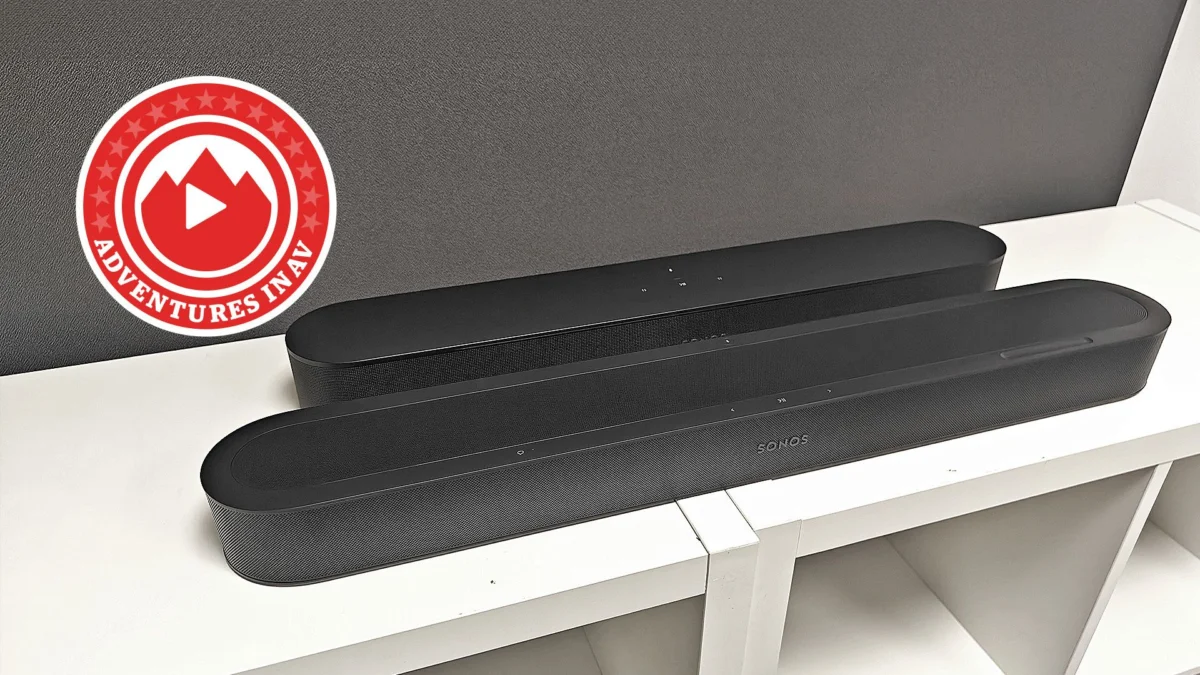
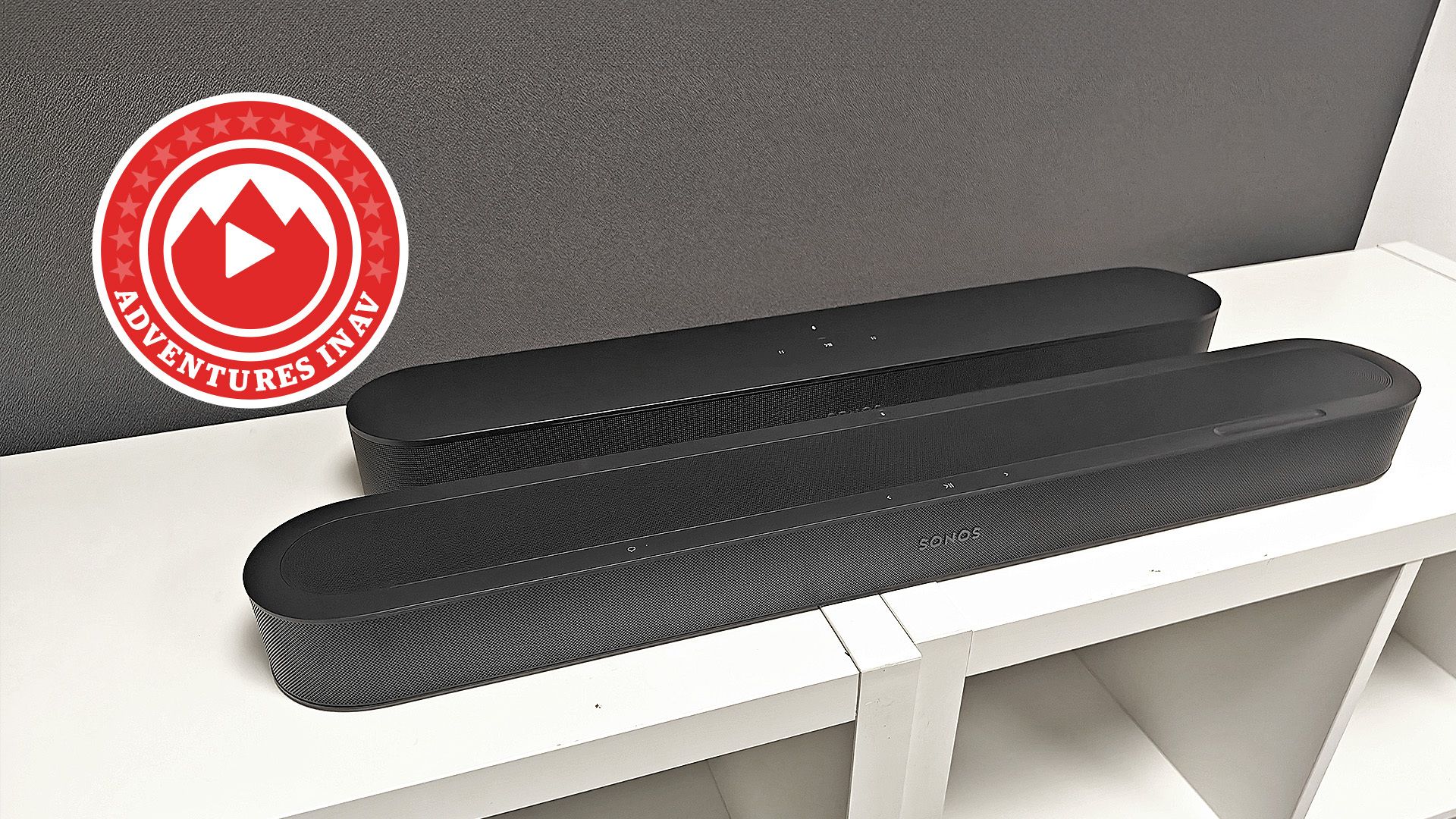
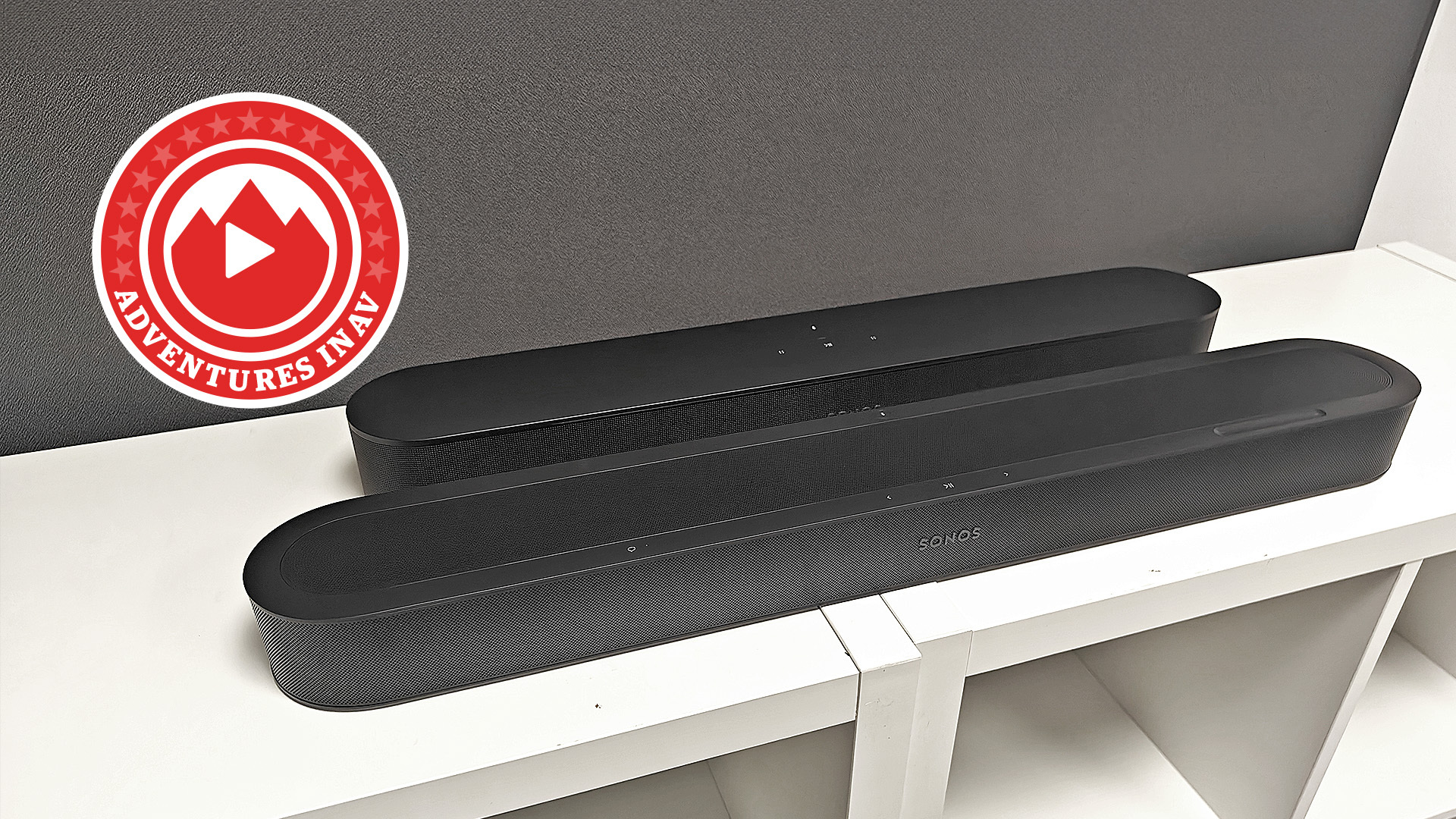
- The Sonos Beam Gen 2 (£449 / $449): Stepping up in price and capability, the second-generation Beam introduced Dolby Atmos support to a wider audience. It quickly became an award-winning benchmark for entry-level immersive soundbars, adopting the modern HDMI eARC standard.
- The Sonos Beam Ultra (£699 / $699): Expanding the mid-range offerings, the Beam Ultra introduced a robust 7.1.2-channel layout. Reviewers noted it as a substantial acoustic upgrade over the Gen 2 while preserving the compact, living-room-friendly chassis that made the original Beam popular.
- The Sonos Arc Ultra (£999 / $999): Sitting proudly at the apex of the lineup, this flagship, multi-award-winning Atmos soundbar delivers pristine, spacious, and highly dimensional three-dimensional sound for high-end home theaters.
Supporting Data: Specs, Pricing, and Performance Breakdown
Choosing the right soundbar requires balancing physical constraints, acoustic performance, and input flexibility against strict financial limits. The Sonos lineup presents distinct choices across these categories:
| Model | Price (approx.) | Audio Channels / Format | Key Connectivity | Test Room Rating |
|---|---|---|---|---|
| Sonos Ray | £199 / $199 | Stereo / Standard | Optical Input (No HDMI) | ⭐⭐⭐⭐ (4/5) |
| Sonos Beam (Gen 2) | £449 / $449 | Virtual Dolby Atmos | HDMI eARC | ⭐⭐⭐⭐⭐ (5/5) |
| Sonos Beam Ultra | £699 / $699 | 7.1.2 Dolby Atmos (with up-firing drivers) | HDMI eARC | ⭐⭐⭐⭐⭐ (5/5) |
| Sonos Arc Ultra | £999 / $999 | Premium Multi-Channel Atmos | HDMI eARC | ⭐⭐⭐⭐⭐ (5/5) |
The core tension in selecting a unit lies in the friction between price and features. The Sonos Ray represents the most budget-friendly and compact solution for tight spaces. Yet, its reliance on an optical connection—skipping HDMI eARC entirely—feels increasingly out of step with modern television setups that rely on HDMI for high-bandwidth audio formats and seamless power synchronization (CEC).
Conversely, the flagship Arc Ultra provides the ultimate cinematic experience, but its £999 price tag places it completely out of reach for average apartment renovators managing the high costs of moving house.
This leaves a tight race between the Beam Gen 2 and the Beam Ultra. Both models hold five-star ratings, but they cater to slightly different listening priorities. While the Beam Gen 2 delivers an impressively wide soundstage for its size, it lacks dedicated up-firing drivers. The Beam Ultra rectifies this by incorporating up-firing drivers at each end, producing a genuinely more immersive, three-dimensional spatial audio field. However, both options command a significant price premium over the entry-level Ray.
Official Responses and Industry Observations
Audio experts and reviewers continue to monitor how consumer tech brands balance accessibility with modern feature sets. Industry feedback highlights that while consumers love compact, plug-and-play audio systems, their expectations around connectivity have shifted drastically over the past five years.
Reviewers from publications like What Hi-Fi? have noted that the omission of HDMI ports on ultra-budget gear is a primary pain point for modern buyers. As televisions phase out traditional optical outputs in favor of HDMI eARC-centric ecosystems, entry-level soundbars risk friction during installation.
While Sonos has not officially announced an immediate successor or revision to the Sonos Ray, consumer advocacy within enthusiast circles strongly points toward a clear wish list for any future entry-level refresh:
- HDMI eARC Integration: Allowing seamless control via TV remotes and supporting higher-bandwidth audio streams.
- Refined Form Factor: Maintaining the ultra-compact footprint ideal for small bedrooms or tight living rooms.
- Value-Focused Acoustic Tuning: Delivering the signature clear dialogue and punchy dynamics Sonos is known for, without pushing the retail price past the psychological £200–£250 threshold.
Implications for Consumers and the Future of Home Audio
The modern home audio market sits at a fascinating crossroads. Urban living spaces are trending smaller, meaning fewer consumers have the luxury of dedicated home theater rooms or sprawling multi-speaker layouts. Soundbars are no longer just an alternative to built-in TV speakers; for millions of renters and first-time homeowners, they are the only viable home cinema solution.
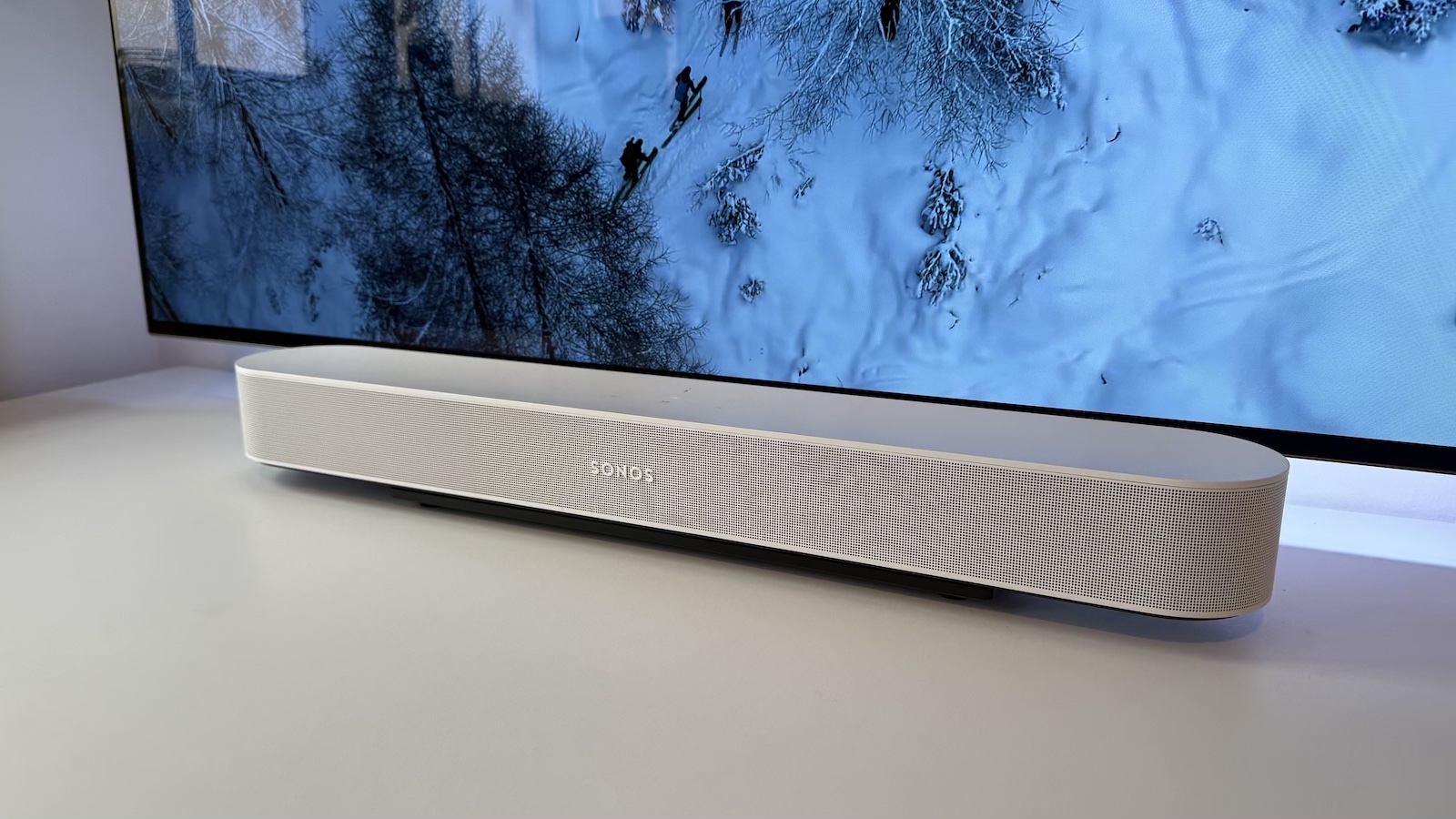
For brands like Sonos, this shift underscores the importance of maintaining a well-rounded portfolio. If entry-level options like the Ray lack essential modern connections like HDMI, budget-conscious buyers may be forced to look toward competing manufacturers who bundle advanced connectivity into lower-priced hardware.
For the everyday consumer—like someone fresh off a grueling house move—the choice ultimately comes down to compromise. Do you sacrifice the sleek convenience and low cost of an entry-level bar to secure essential HDMI connectivity? Or do you stretch your post-move finances to invest in a mid-tier performer like the Beam Gen 2 or Beam Ultra?
Until manufacturer roadmaps address the gap for a modern, HDMI-equipped ultra-budget bar, audio enthusiasts with limited square footage will continue to weigh their love for crisp spatial sound against the stark realities of household budgeting.