LONDON — In a move destined to thrill audiophiles, historians, and casual fans alike, Apple Corps Ltd. and Universal Music Group (UMG) have officially announced an expansive, multi-format special edition of The Beatles’ legendary 1965 album, Rubber Soul.
Widely regarded as a monumental turning point in pop music history—the moment the Fab Four transitioned from charming global pop idols to introspective, pioneering studio artists—Rubber Soul is receiving the comprehensive archival and sonic overhaul treatment that has previously elevated landmark releases like Sgt. Pepper’s Lonely Hearts Club Band, Revolver, and Abbey Road.
Spearheaded by producer Giles Martin—son of the legendary original Beatles producer George Martin—alongside veteran mix engineer Sam Okell, the upcoming release promises to peel back the layers of a classic record. Utilizing cutting-edge audio technology, including immersive Dolby Atmos and pristine new stereo mixes, alongside a treasure trove of unreleased home demos and early studio takes, this reissue offers the most exhaustive look at the Rubber Soul era to date.
Available to pre-order now across an unprecedented array of physical and digital formats, the release is slated to land in collections worldwide, accompanied by collector-grade packaging, extensive literature, and exclusive merchandise bundles.
Main Facts: What is Included in the Rubber Soul Special Edition?
The breadth of the Rubber Soul special edition package is staggering, designed to cater to everyone from streaming enthusiasts to hardcore physical collectors and vinyl purists.
At the core of the release are the brand-new audio stems and mixes. Giles Martin and Sam Okell have returned to the original multi-track tapes, utilizing modern audio separation technology to craft a stunningly clear new stereo mix, as well as a spatial Dolby Atmos mix that places the listener directly inside the studio.
However, purists have not been left behind. The package also preserves historical context by including:
- The original 1965 mono mix, which remains a favorite among audiophiles for its punchy, direct energy.
- The original Capitol US Album Version, honoring how millions of North American fans first experienced the record with its distinct track sequencing and use of "duophonic" reverb.
- The classic double A-side single featuring Day Tripper and We Can Work It Out, which were recorded during the same sessions and released concurrently in late 1965.
For musicologists and completionists, the jewel in the crown of the higher-tier physical sets is the inclusion of 24 early session recordings. This cache features 20 previously unreleased takes that demonstrate the organic evolution of the album’s iconic tracks, alongside three previously unreleased home demos. Most tantalizing among these is a track titled Little Girl, widely touted by researchers as a genuinely "previously unheard" composition by John Lennon.
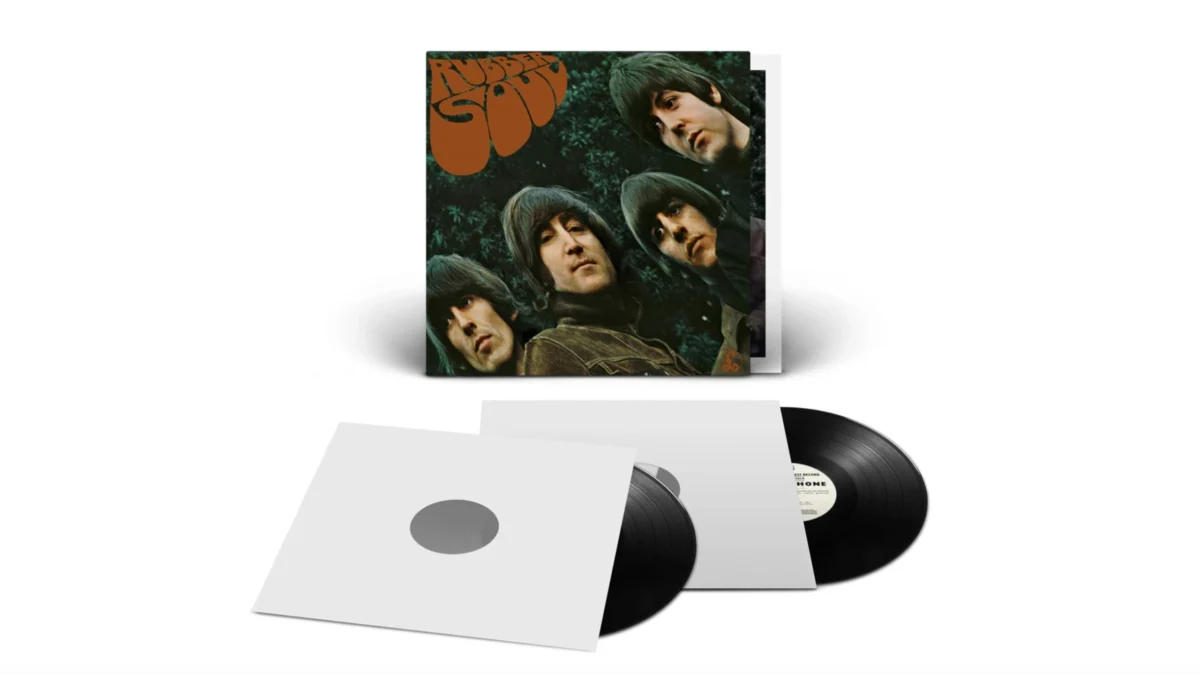
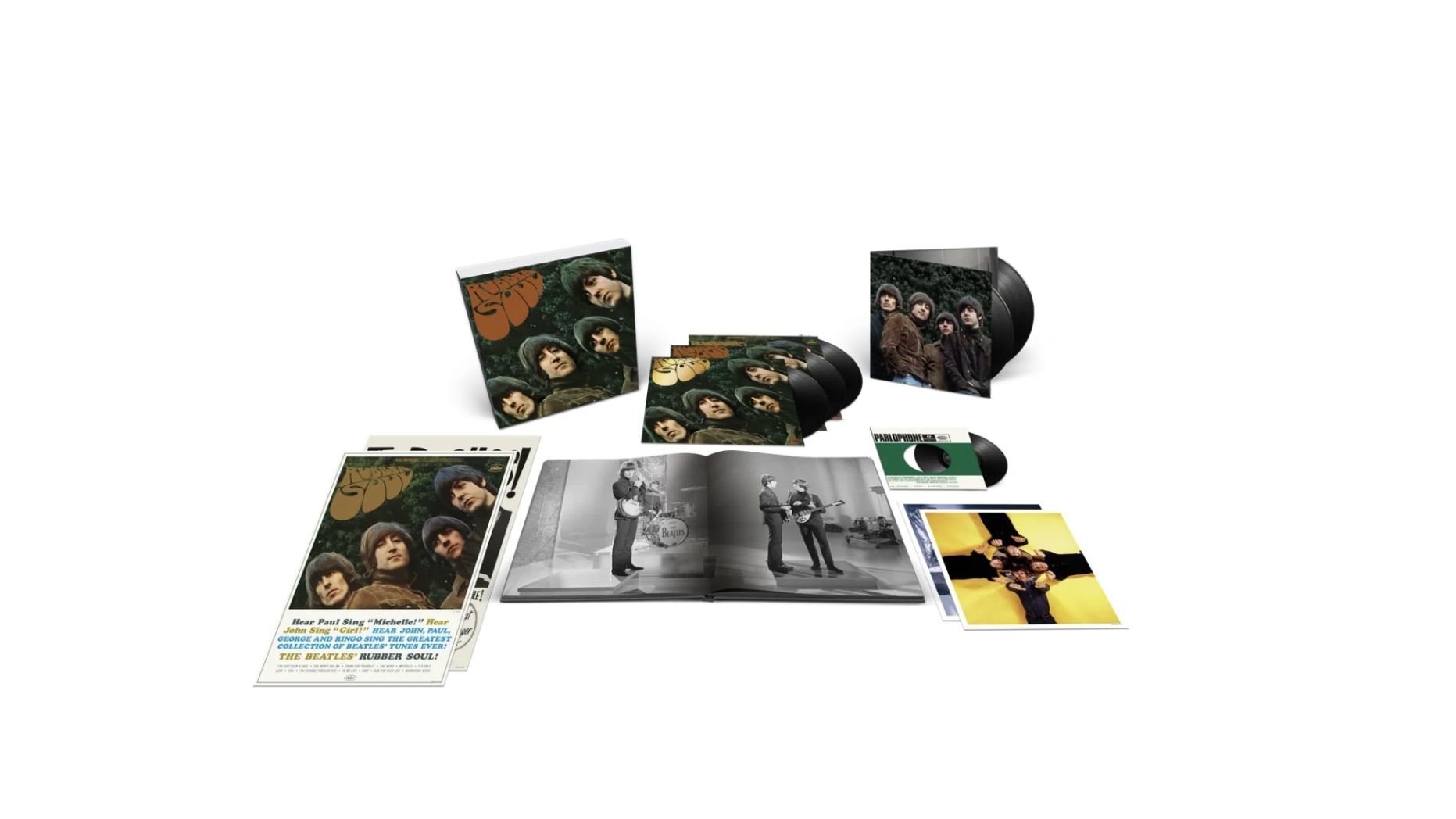
To house this monumental collection, UMG and Apple Corps have devised a sprawling tiered release schedule. Consumers can purchase single-disc CD and LP editions, double-disc special editions, a standalone Blu-ray audio disc (featuring the Dolby Atmos mix, high-resolution stereo, and promotional films for Day Tripper and We Can Work It Out), and massive four-CD or five-LP Super Deluxe box sets. Limited-edition runs, including an eye-catching orange vinyl and a Direct-to-Consumer (D2C) exclusive Zoetrope vinyl edition, round out the physical offerings.
Chronology: The Road to Rubber Soul and Its Modern Revival
To understand the weight of this new release, one must look back at the frantic, high-pressure timeline of 1965.
Late 1965: The Creation Under Pressure
By the autumn of 1965, John Lennon, Paul McCartney, George Harrison, and Ringo Starr were trapped in a relentless cycle of touring, filming (Help!), and recording. Despite the exhaustion, the band demanded absolute creative control and artistic growth over their next project.
Entering EMI Studios (now Abbey Road Studios) in October 1965 with George Martin, the group faced an impossibly tight deadline to deliver a new album in time for the lucrative Christmas holiday market. Remarkably, working in short, intense bursts between October 12 and November 11, 1965, they recorded and mixed the entire album.
Released globally in December 1965, Rubber Soul shattered expectations. Gone were the straightforward boy-meets-girl pop lyrical tropes. In their place were sophisticated reflections on romance, self-doubt, and domesticity (You Won’t See Me, Girl, In My Life). Musically, the album absorbed folk-rock influences (sparked in part by mutual admiration with The Byrds and Bob Dylan), while George Harrison introduced the exotic drone of the sitar on Norwegian Wood (This Bird Has Flown), forever altering the sonic palette of Western pop music.
2015–2026: The Giles Martin Remix Era
Fast-forward fifty years, and Apple Corps began a systematic campaign to remix the classic Beatles canon for the 21st-century listener. Starting with Sgt. Pepper in 2017, Giles Martin established a methodology: rather than overwriting history, use modern digital tools to extract instruments from muddy 4-track or 2-track tapes, giving them newfound separation, warmth, and spatial depth without sacrificing the integrity of the original performances.
While albums like The Beatles (The White Album), Abbey Road, Revolver, and Let It Be received this treatment to widespread critical acclaim, Rubber Soul remained the conspicuous missing puzzle piece—until now. The announcement of this 2026 special edition bridges the gap, ensuring that every pivotal album from the group’s mid-to-late period has been updated for contemporary spatial audio systems.
Supporting Data: Formats, Pricing, and Configurations
The sheer variety of editions ensures that fans can curate their purchasing experience based on their budget and listening habits. Below is the official UK pricing structure released by UMG and Apple Corps:
- Rubber Soul – Special Edition Standard (1CD): £13.99
- Rubber Soul – Special Edition Standard (1LP): £29.99
- Rubber Soul – Blu-ray Edition: £29.99
- Rubber Soul – Special Edition Deluxe (2CD): £22.99
- Rubber Soul – Special Edition Standard (1LP Zoetrope): £31.99
- Rubber Soul – Special Edition Deluxe (2LP): £44.99
- Rubber Soul – Special Edition Super Deluxe (4CD Box Set): £119.99
- Rubber Soul – Special Edition Super Deluxe (4CD Box Set + Posters + Art Cards): £129.99
- Rubber Soul – Special Edition Super Deluxe (5LP + 7" Single Box Set): £189.99
- Rubber Soul – Special Session Super Deluxe (5LP + 7" Single Box Set + Posters + Art Cards): £199.99
Physical Booklets and Literary Additions
For buyers investing in the Super Deluxe physical configurations, the audio content is complemented by a lavish, 88-page hardcover book. This comprehensive volume features an introduction penned by Sir Paul McCartney, offering personal reflections on the winter of 1965. Furthermore, the book includes a unique foreword pieced together directly from archival quotes and writings by the late John Lennon, granting the package an intimate, autographical dimension.
Official Responses and Industry Perspectives
The announcement has sent ripples through the music industry, validating the ongoing commercial viability of physical media and high-resolution digital audio formats.
In promotional materials accompanying the launch, Giles Martin addressed the technical challenges of revisiting an album recorded more than sixty years ago. "Working on Rubber Soul has been a revelation," Martin noted. "The limitations of the four-track equipment back in 1965 forced the Beatles and my father to make brilliant creative compromises, bouncing tracks down and committing to tape live. Using modern technology, we haven’t changed what they played; we’ve simply opened the door wider so you can walk into the studio with them."
Industry analysts have also praised Apple Corps’ strategy of catering to the vinyl revival while simultaneously leaning heavily into immersive spatial formats like Dolby Atmos. Streaming platforms are expected to feature the new Dolby Atmos mixes prominently on release day, tapping into the growing market of home theater enthusiasts and spatial headphone users.
Implications: Securing the Legacy for Future Generations
The release of the Rubber Soul special edition carries profound implications for music archiving, consumer culture, and the preservation of cultural heritage.
1. Redefining the Audiophile Experience
As physical album sales increasingly pivot toward premium, high-value box sets, releases like this prove that heritage acts can command high price points by offering genuine value-add content. By including everything from raw studio flubs and false starts to never-before-heard home demos like Little Girl, the package transforms from a mere consumer product into a vital historical archive.
2. Cementing the Masterpiece Status
While albums like Sgt. Pepper and Abbey Road are frequently cited by critics as the artistic pinnacles of The Beatles’ career, many musicians and serious fans argue that Rubber Soul represents their truest creative watershed. It was the moment the band stopped writing songs merely to please screaming crowds in arenas and began writing for themselves. By stripping away the sonic constraints of 1960s AM radio broadcast limitations, this new mix invites a fresh generation of listeners to evaluate the album not as a crackly artifact of the swinging sixties, but as a timeless, vibrant work of modern art.
As pre-orders flood in across the globe, it is clear that sixty-one years after its initial release, the acoustic guitars, intricate vocal harmonies, and groundbreaking spirit of Rubber Soul remain as vital and magnetic as ever.