SYDNEY — For decades, the ritual of placing a needle into the microscopic groove of a vinyl record was widely relegated to the annals of audio history, dismissed as an obsolete analog relic in a rapidly digitizing world. Yet, as the global consumer landscape observes the final hours of Amazon’s Prime Big Deal Days event—concluding this Monday, October 5—the enduring cultural and commercial renaissance of the long-playing record is once again taking center stage.
While online retail giant Amazon AU may not traditionally be celebrated as a primary boutique destination for high-end, bespoke audiophile separates, the current promotional window has injected a welcome dose of adrenaline into the local hi-fi market. With substantial price cuts on acclaimed hardware from industry titans like Sony and Technics, alongside deep discounts reaching up to 48% on legendary studio albums, the current sales event serves as an ideal threshold for novices and seasoned collectors alike to curate or expand their home listening spaces.
However, beneath the gloss of seasonal e-commerce discounts lies a deeper narrative: the resilient economics of physical media, the shifting listening habits of a streaming-fatigued demographic, and the logistical challenges of sustaining a burgeoning hi-fi culture in the digital age.
Main Facts: Hardware and Heavy Vinyl Discounts
The current Prime Big Deal Days promotional cycle has drawn intense scrutiny from audio enthusiasts tracking hardware bargains Down Under. Among the standout offerings are rare discounts on two highly respected turntables:
- The Sony PS-LX310BT: Widely lauded by critics as one of the best entry-level plug-and-play turntables on the market, this model bridges the gap between analog warmth and modern convenience by incorporating Bluetooth connectivity alongside traditional analog outputs.
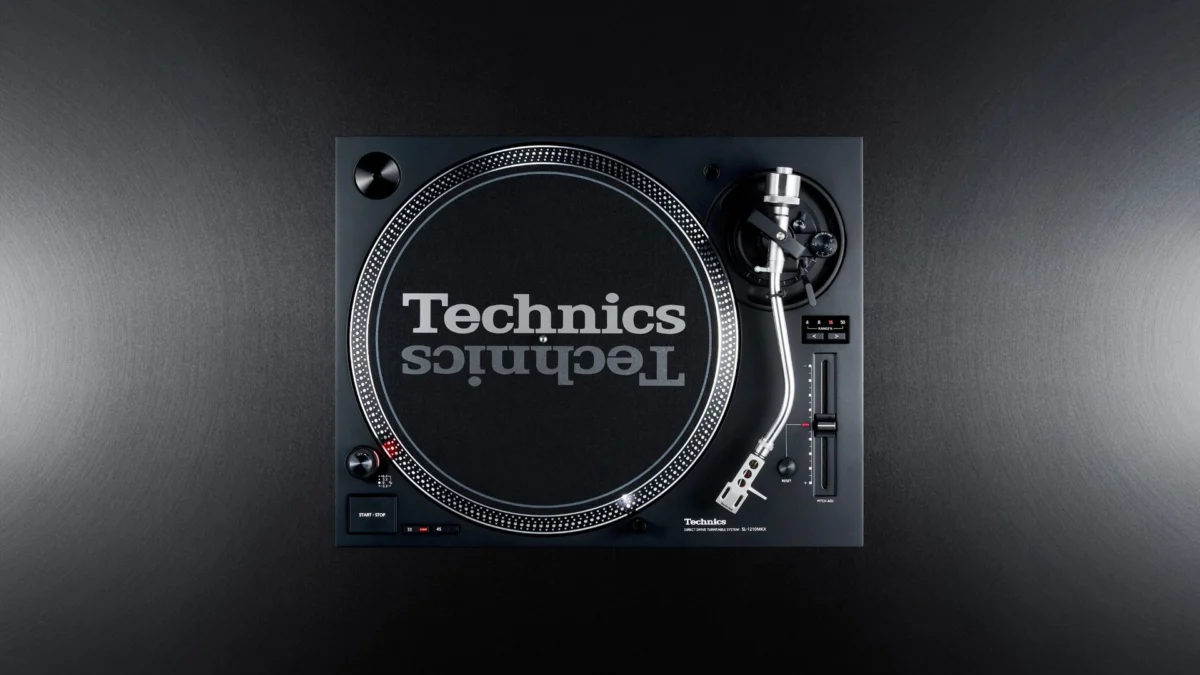
- The Technics SL-40CBT: Representing a step up in precision engineering, this turntable from the legendary audio brand delivers the pitch stability and robust build quality associated with professional-grade monitoring decks, paired with modern lifestyle features.
Parallel to the hardware promotions, Amazon AU has slashed prices on a diverse catalog of foundational rock, pop, and alternative vinyl records. With price reductions reaching nearly half off select titles, collectors have rushed to secure timeless releases, including:
- The Beatles – The White Album (2018 Stereo Mix, 2LP): A meticulous sonic overhaul of the Fab Four’s eclectic 1968 masterpiece, offering unprecedented clarity and instrumental separation.
- Nirvana – Nevermind: The landmark 1991 grunge blueprint that permanently altered the trajectory of modern rock music, pressed on heavy-weight vinyl.
- Fleetwood Mac – Rumours (Live): A captivating companion piece to one of the best-selling studio albums of all time, capturing the raw, improvisational electricity of the band’s legendary touring era.
Industry observers note that while these discounted titles represent only a fraction of Amazon’s broader inventory, they reflect a strategic effort to capture the impulse-buy market of younger consumers discovering physical media for the first time.
Chronology: The Rise, Fall, and Rebirth of the Black Disc
To understand the cultural significance of a modern e-commerce giant discounting classic vinyl, one must examine the timeline of how the format reclaimed its market dominance.
1. The Golden Era and the Digital Displacement (1980s–1990s)
For decades, the vinyl record reigned supreme as the undisputed king of commercial music consumption. However, the commercial introduction of the Compact Disc (CD) in the early 1980s initiated a rapid decline in vinyl manufacturing. By the late 1990s, major record labels had largely dismantled their vinyl pressing plants, transitioning factory floors to digital formats. For a brief period, vinyl seemed destined for museum displays and dusty thrift store crates, sustained solely by dedicated crate-diggers, DJs, and die-hard audiophiles.
2. The Micro-Resurgence and Record Store Day (2000s–2010s)
The modern revival began quietly in the mid-2000s, spearheaded by independent record shops and grassroots movements. A pivotal moment arrived in 2008 with the establishment of Record Store Day (RSD), an annual global event designed to celebrate the culture of independent record stores. As indie labels began releasing limited-edition colored vinyl and exclusive pressings, a younger demographic—largely fatigued by the ephemeral, intangible nature of MP3 downloads—began rediscovering the tactile ritual of album art, liner notes, and mechanical playback.
3. Mainstream Dominance and Retail Integration (2020s–Present)
By the turn of the decade, the vinyl resurgence had transitioned from a niche subculture into a multi-billion-dollar commercial juggernaut. Major physical retailers, big-box stores, and digital powerhouses like Amazon recognized the shift. Vinyl sales began consistently outperforming CDs, and in many markets, physical record sales rivaled streaming royalties for independent artists. The inclusion of heavy-weight vinyl records in mainstream retail sales events like Prime Day marks the final step in this evolution: the complete mainstream normalization of a once-obscure analog format.
Supporting Data: The Economics of the Vinyl Boom
The commercial resurgence of the long-playing record is not merely a nostalgic aesthetic trend; it is backed by robust economic data across global music markets.
According to historical data from organizations such as the Recording Industry Association of America (RIAA) and the Australian Recording Industry Association (ARIA), vinyl revenues have experienced consecutive years of double-digit percentage growth.
| Metric / Year Range | Estimated Market Share / Growth Rate | Key Driver |
|---|---|---|
| Early 2000s | < 1% of total physical music sales | Niche audiophile and DJ demand |
| 2010–2020 | Exponential year-over-year growth (~15-20% annually) | Introduction of Record Store Day; Gen Z adoption |
| 2023–Present | Surpasses CD revenue in multiple major markets | Collector demand, premium box sets, retail visibility |
Despite this surging popularity, consumers frequently cite cost as a primary barrier to entry. Modern heavyweight vinyl records (ranging from 140g to 180g) often retail at premium price points due to the specialized manufacturing processes required. Presses must be meticulously calibrated, master lacquer discs cut with extreme precision, and raw polyvinyl chloride (PVC) sourced globally. Consequently, flash sales and promotional events hosted by mass-market retailers play a vital role in democratizing access to the format, allowing price-sensitive music lovers to build foundational libraries without prohibitive financial strain.
Official Responses and Industry Perspectives
The convergence of high-tech online retail and low-tech analog audio has elicited diverse reactions from industry veterans, manufacturers, and trade bodies.
Speaking on the broader implications of mass-market vinyl distribution, senior audio engineers point to a delicate balance between commercial accessibility and sonic integrity.
"There is an undeniable irony in purchasing an analog medium through a hyper-optimized, algorithm-driven digital marketplace," notes a prominent Sydney-based acoustic technician and hi-fi consultant. "Yet, if Amazon discounting a copy of Nirvana’s Nevermind or The Beatles’ White Album introduces a twenty-something listener to the concept of active, dedicated listening—away from the distraction of smartphone notifications—then the ecosystem wins. It expands the talent pool for future boutique audiophile brands."
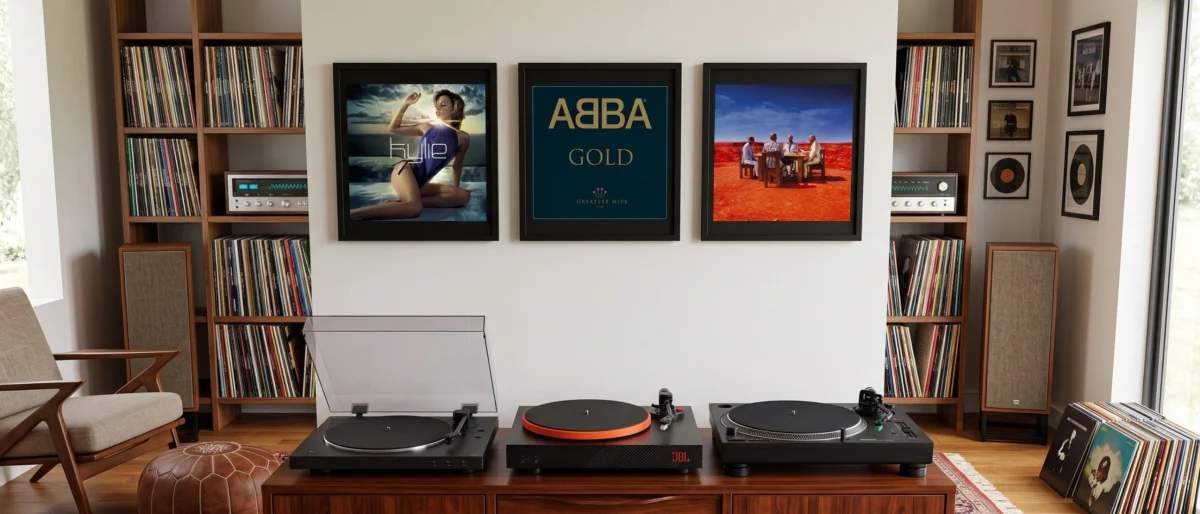
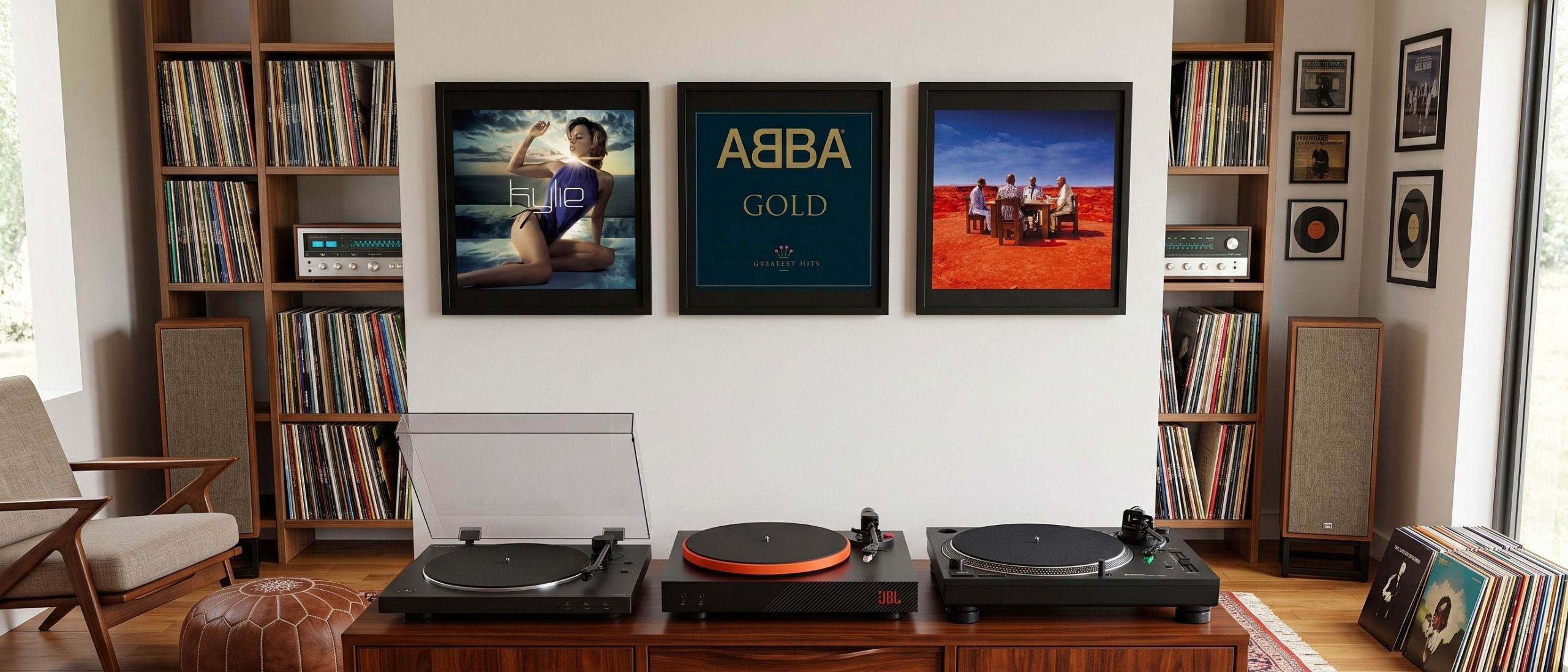
Retail analysts tracking Amazon AU’s inventory strategies emphasize that consumer electronics and media divisions are increasingly treating physical music formats not as legacy inventory, but as high-margin lifestyle accessories. As interior design trends increasingly embrace retro aesthetics—incorporating media consoles, dedicated listening chairs, and wall-mounted record displays—turntables and vinyl albums function simultaneously as entertainment hardware and home decor.
Major hardware manufacturers, including Sony and Technics, have similarly adjusted their product roadmaps over recent years. Rather than abandoning traditional turntables in the face of digital dominance, both brands have heavily invested in refining entry-level and mid-tier models. By integrating features such as built-in phono stages and Bluetooth pairing, traditional manufacturers have successfully mitigated the steep learning curve that once deterred casual consumers from adopting vinyl.
Implications: What the Sales Mean for the Future of Hi-Fi
As the Prime Big Deal Days event draws to a close, the long-term implications for the hi-fi industry and music consumers are manifold.
1. Sustaining Independent Retail vs. Big-Box Convenience
While online giants like Amazon provide unmatched pricing and logistical reach during promotional windows, independent record stores and boutique hi-fi specialists remain the heartbeat of physical music culture. Industry advocates consistently remind consumers that while e-commerce platforms excel at discounting blockbuster catalog titles (such as Fleetwood Mac’s Rumours or The Beatles’ discography), local record shops offer deep curatorial expertise, used rarities, and community spaces that algorithms cannot replicate.
2. The Psychology of Mindful Listening in a Streaming Age
The explosive growth of vinyl sales underscores a psychological shift in consumer behavior. In an era where streaming services grant instantaneous access to over 100 million tracks at the tap of a screen, listeners frequently experience decision fatigue and a devaluation of individual songs. The physical constraints of a vinyl record—requiring the listener to select a physical jacket, clean the disc, drop the needle, and manually flip the record after twenty minutes—fosters a slower, more deliberate relationship with art.
3. Environmental and Logistical Pressures on Pressing Plants
The sustained global demand for vinyl has also exposed severe structural bottlenecks within the global supply chain. With a finite number of operational vinyl pressing plants worldwide—many of which rely on aging, vintage presses dating back to the 1960s and 70s—turnaround times for independent artists wishing to press physical records can stretch from months to over a year. Retail events that drive massive volume spikes for classic catalog titles inadvertently place additional strain on an already overburdened manufacturing infrastructure.
Conclusion
Whether consumers capitalized on the final hours of Amazon AU’s promotional window to acquire a new Sony turntable or simply added a heavily discounted copy of Nevermind to an existing collection, the underlying message is clear: analog audio is no longer a fleeting novelty. Supported by strategic retail discounts, technological refinement, and an enduring cultural appetite for tactile engagement, the vinyl record has permanently cemented its place in the modern contemporary soundscape.