By Tech & Audio Desk
Main Facts: The Leak That Changes Everything
After years of quiet anticipation, endless rumors, and a seemingly endless cycle of false starts, concrete evidence has finally emerged confirming that Apple is preparing to launch the long-awaited HomePod Mini 2.
For years, followers of the smart speaker market have suffered through a classic "Boy Who Cried Wolf" scenario. Code references would surface, industry insiders would point toward impending autumn keynotes, and consumer expectation would peak—only for Apple to reveal folding iPhones, updated AirPods Pro, and new Apple Watches, leaving the diminutive smart speaker conspicuously absent.
However, recent deep-dives into Apple’s internal software builds have shifted the narrative from speculation to certainty. According to reports originating from MacRumors, Apple’s own operating system code now includes explicit product assets, marketing imagery, and direct textual references to the "HomePod Mini 2."
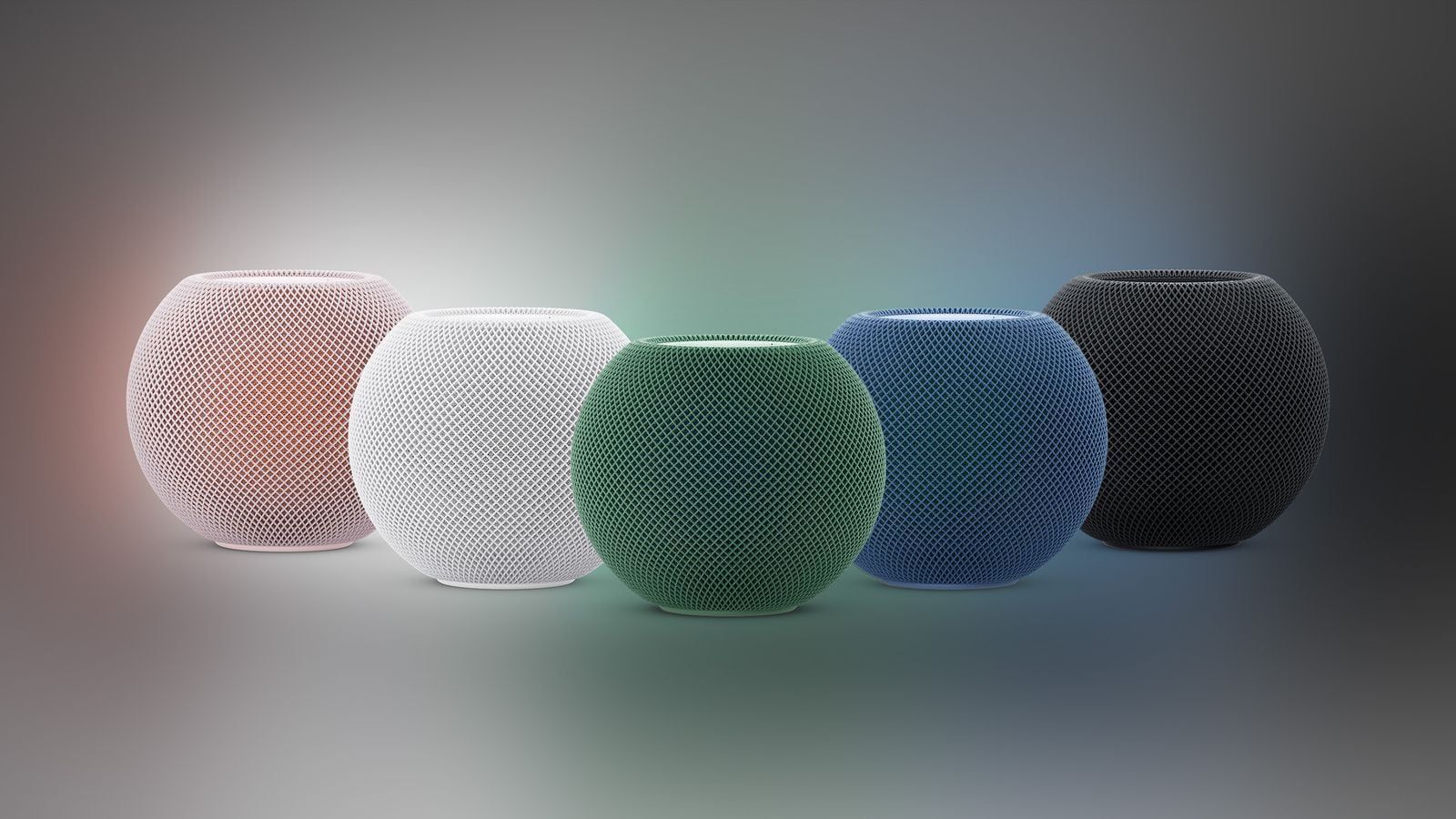
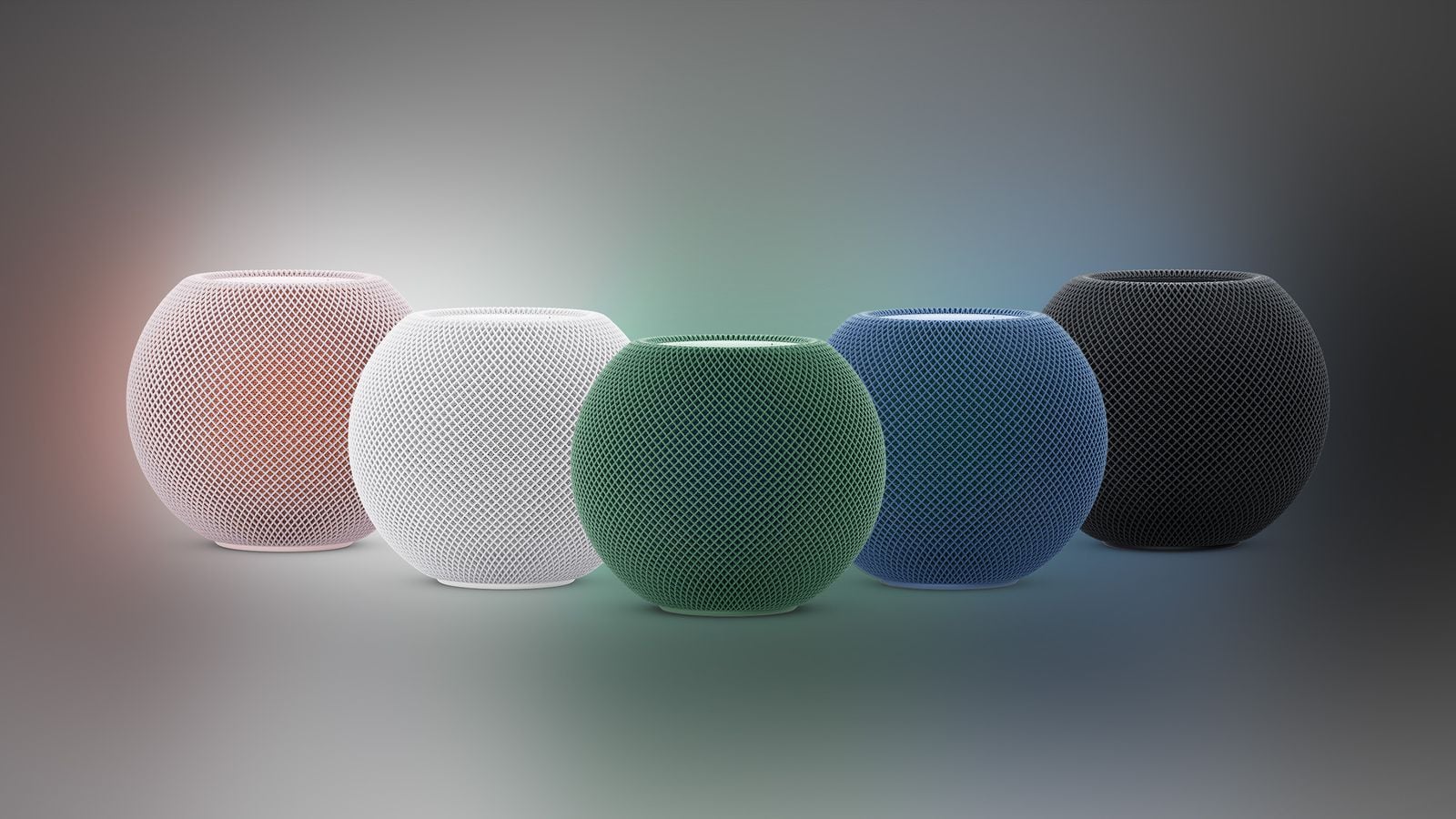
Unlike previous leaks that relied strictly on internal codenames—such as the transition from the original HomePod Mini’s "B520" designation to the successor’s "B525"—these new software footprints reveal actual product renders. These images confirm that the second-generation speaker will debut in a refreshed color palette: vibrant green, playful pink, classic blue, crisp white, and deep black. This marks a notable pivot from the original launch lineup’s yellow, orange, blue, white, and midnight offerings.
Industry watchers now project an official release window falling anywhere between the coming weeks and late 2026. While pricing details remain tightly under wraps, market analysts are watching closely to see whether Apple can maintain the aggressive $99 / £99 / AU$149 price point that made the original iteration a runaway success, or if rising component costs and supply chain pressures will force a price bump.
Chronology: A Timeline of Rumors, Code Names, and Disappointments
To understand why the tech community is reacting with a mixture of excitement and cynical amusement to the HomePod Mini 2 leaks, it is necessary to retrace the timeline of its protracted development cycle.
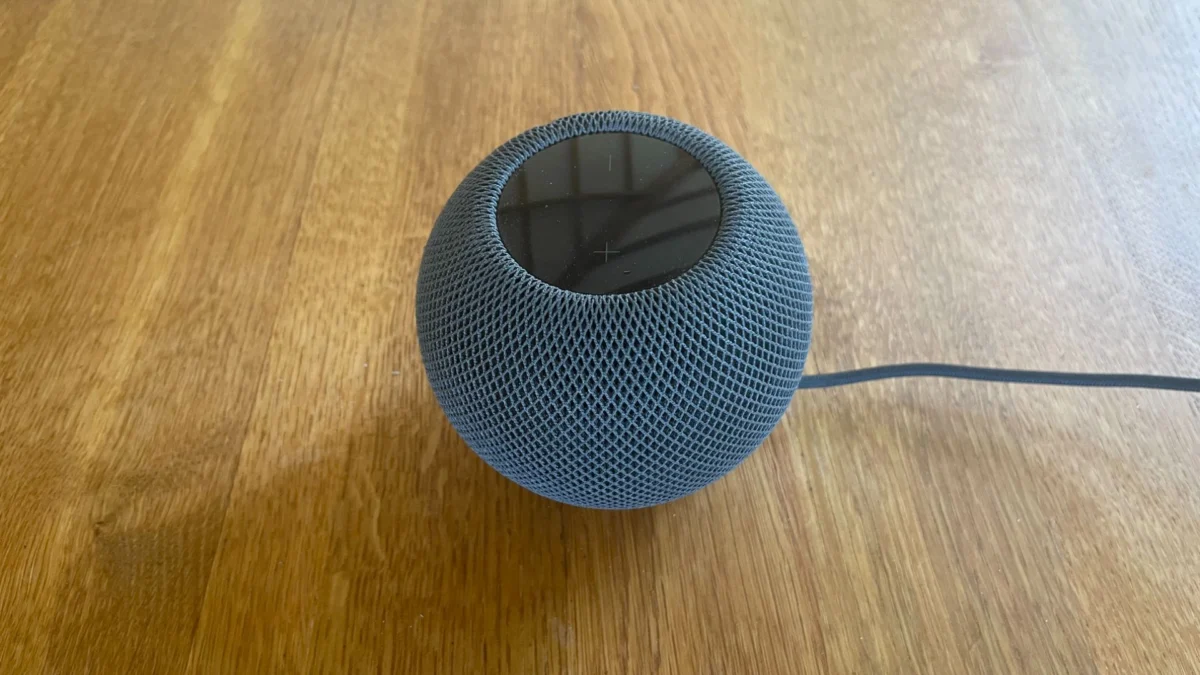
- November 2020: Apple launches the original HomePod Mini (codenamed B520). Priced at an accessible $99, the orb-shaped smart speaker becomes an instant hit, praised for punching well above its weight class in audio fidelity and seamless integration within the Apple ecosystem.
- 2021–2022: The original HomePod (full-size) is discontinued, leaving the Mini as the sole flag-bearer for Apple’s home audio ambitions. Rumors begin to swirl that Apple is prototyping a direct successor.
- Late 2023 – Early 2024: Code snippets found within iOS developer betas point toward unreleased hardware identifiers. Analysts note internal references to B525, a sequential successor code that immediately sets off alarm bells across enthusiast forums.
- September 2025 (The Fall Keynote): Expectations reach a fever pitch. Apple hosts its annual autumn hardware event. Journalists and consumers alike anticipate a dual launch of the HomePod Mini 2 alongside a redesigned Apple TV. Instead, the spotlight goes to a rumored folding iPhone and the newly minted AirPods 5 featuring a 50% improvement in active noise cancellation (ANC). No audio speakers are mentioned.
- Late 2025: Disillusionment sets in. Many commentators write off the HomePod Mini 2 as a vaporware project, assuming Apple has pivoted its smart home focus toward screen-based table units or robotic tabletop arms.
- September 2026: The paradigm shifts. Fresh code strings uncovered in late September iOS updates expose direct visual assets and colorways for the "HomePod Mini 2," confirming that the hardware has been locked down and is inching closer to a commercial rollout.
Supporting Data: Specifications, Features, and Market Context
While Apple has not yet published an official spec sheet, industry consensus and past product trajectories point toward several key upgrades for the upcoming generation.
Expected Upgrades and Hardware Enhancements
- Next-Generation Processing (Apple Silicon): The original HomePod Mini relies on the S5 chip (originally introduced in the Apple Watch Series 5). A shift to a more modern chip—potentially an S-series variant optimized for machine learning—is widely anticipated.
- Apple Intelligence Integration: With Apple aggressively pushing its personal intelligence ecosystem across iOS, iPadOS, and macOS, smart home devices must evolve. A more capable processor will likely unlock local processing for advanced Apple Intelligence features, dramatically boosting Siri’s reliability, contextual understanding, and speed.
- Acoustic Architecture and Microphones: While the acoustic shell of the original Mini was remarkably competent for its size, engineers have had several years to refine the internal driver placement, passive radiators, and spatial audio processing algorithms. Upgraded far-field microphone arrays are also expected to improve voice recognition in noisy environments.
- Connectivity Protocols: Support for Thread and Matter standards is guaranteed to continue, but newer Wi-Fi and Bluetooth iterations could streamline pairing, reduce latency, and improve multi-room audio synchronization.
Market Positioning: How It Stacks Up
The wireless smart speaker sector is fiercely competitive. Amazon’s Echo and Google’s Nest lineups have dominated the lower-cost end of the market for years through aggressive discounting and sprawling smart home ecosystems. However, Apple has carved out a lucrative niche by targeting consumers who prioritize audio fidelity, privacy-centric design language, and tight iOS integration.
| Feature / Metric | Original HomePod Mini (B520) | Expected HomePod Mini 2 (B525) |
|---|---|---|
| Processor | Apple S5 | Next-Gen Apple S-Series |
| Siri Performance | Cloud-dependent | Enhanced Local Apple Intelligence |
| Launch Price | $99 / £99 / AU$149 | TBD (Expected ~$99–$129) |
| Colors | White, Yellow, Orange, Blue, Midnight | White, Black, Blue, Green, Pink |
| Smart Home | Thread, HomeKit | Thread, Matter, Enhanced HomeKit |
Official Responses and Industry Reactions
Apple, true to form, has declined to comment on the leaked assets or provide any official confirmation regarding an upcoming HomePod announcement. Corporate communications regarding unreleased hardware remain strictly confidential in Cupertino.
However, supply chain analysts and accessory manufacturers have begun adjusting their production forecasts. Speaking anonymously, representatives from third-party case and mount manufacturers indicated that early dimensional schematics for accessory production have begun circulating among select partners—a classic indicator that a product launch is entering its final administrative phase.
Audio industry analysts note that the delay in refreshing the HomePod Mini is indicative of broader supply chain headwinds affecting high-performance acoustic components. The ongoing cost fluctuations of rare-earth elements used in speaker magnets, combined with semiconductor supply chain adjustments, have forced many audio heavyweights to rethink entry-level pricing strategies.
"Apple has the luxury of playing the long game," notes a senior consumer electronics market researcher. "They don’t need to push out an annual tick-tock update for a smart speaker unless it meaningfully advances their ecosystem strategy. With AI features becoming the central battleground for consumer hardware, waiting until Siri could fully leverage on-device intelligence was likely a deliberate, strategic pause."
Implications: What the HomePod Mini 2 Means for the Smart Home
The arrival of the HomePod Mini 2 carries significant implications not just for Apple enthusiasts, but for the smart home industry at large.
1. The Realization of a Unified Smart Home Ecosystem
As the Matter protocol matures, interoperability between Apple Home, Amazon Alexa, and Google Home is becoming smoother. However, Apple’s walled garden still offers the most secure, privacy-focused user experience. By outfitting the HomePod Mini 2 with enhanced processing power for localized Siri commands, Apple is positioning the speaker to serve not just as a music player, but as a robust, always-on smart home hub.
2. The Battle for the Audio-Conscious Consumer
Many budget smart speakers sacrifice sound quality in favor of low manufacturing costs. The original HomePod Mini defied this trend by offering surprisingly rich, room-filling sound from a compact form factor. If Apple can maintain or improve upon this acoustic pedigree while introducing bolder color options and faster response times, the Mini 2 will immediately command dominance in the premium-compact smart speaker category.
3. A Stepping Stone to Larger Ambitions
While the focus is currently fixed on the Mini 2, rumors persist regarding other home audio devices in Apple’s pipeline—including updated full-sized HomePods and potential hybrid devices featuring integrated displays or robotic arms. The success or failure of the HomePod Mini 2’s pricing and feature set will likely dictate the roadmap for these more ambitious home hardware concepts.
For now, consumers who have waited years for an update can finally breathe a sigh of relief. The false dawns are over. The HomePod Mini 2 is real, it is visually accounted for in Apple’s own code, and it is heading to store shelves near you before the end of 2026.