Main Facts
The high-end audio community has long debated the ultimate method for preserving and restoring vinyl records. Manual brushing, vacuum-assisted washing systems, and enzyme-based cleaning solutions have all had their moment in the sun, yet one name has consistently commanded the upper echelon of record care: AudioDesk Systeme.
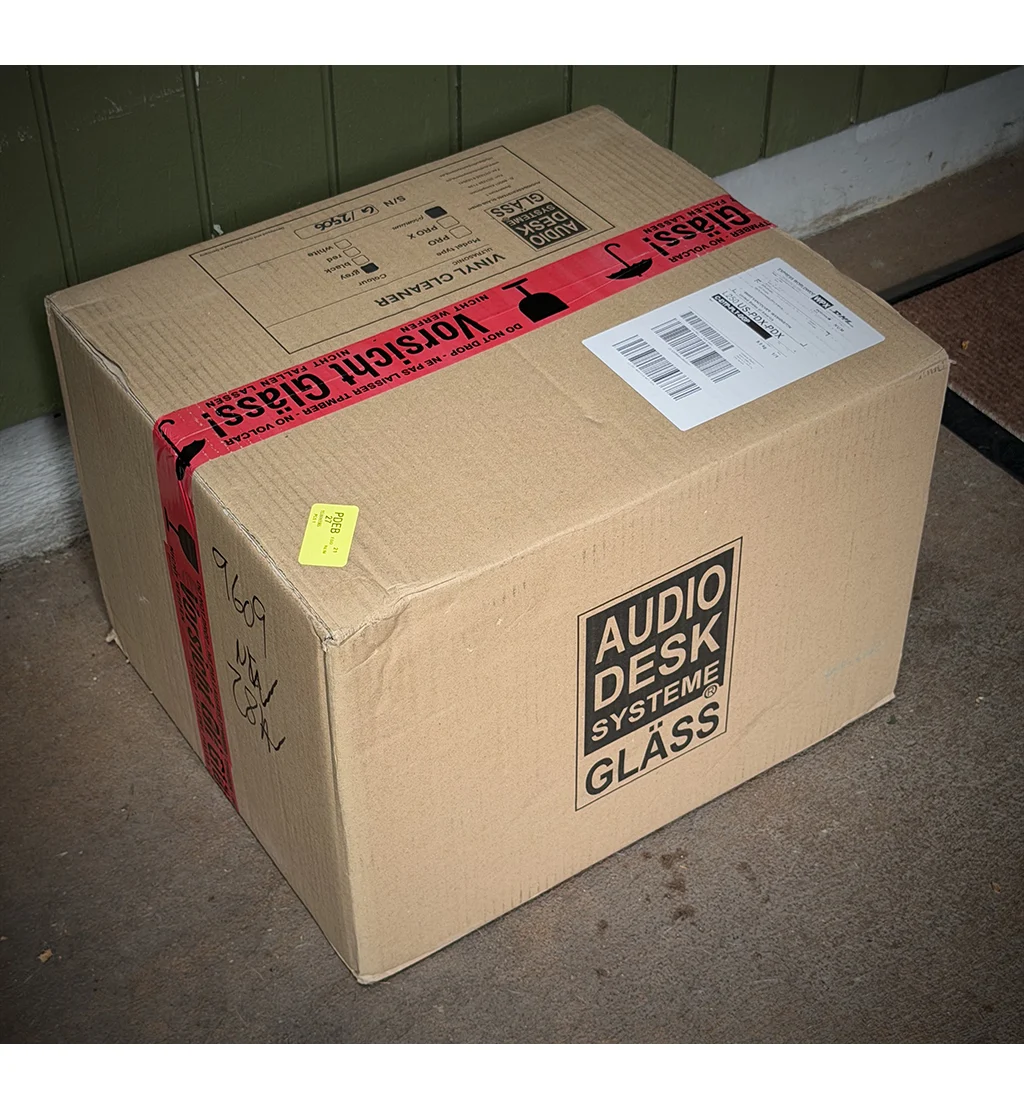
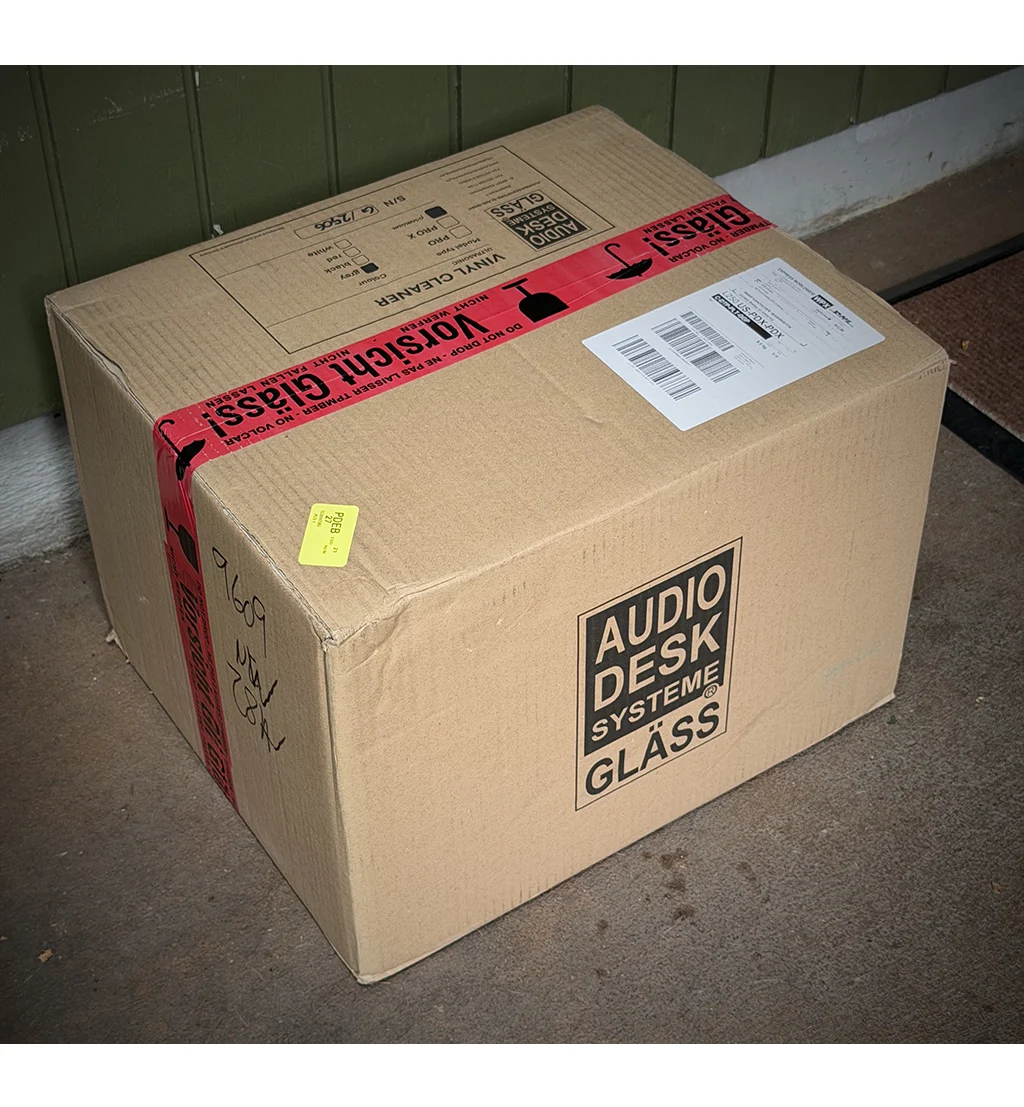
In a development generating considerable buzz across audiophile circles, TONE Magazine has officially received the latest, premium edition of the AudioDesk Systeme Ultrasonic Cleaner for a comprehensive review. Widely credited as the pioneer that established ultrasonic cleaning as the gold standard for vinyl maintenance, the German manufacturer has returned with a heavily refined iteration of its flagship machine.
Priced at $3,599, the newly minted premium edition is available immediately through authorized dealers worldwide. In a nod to both modern aesthetic preferences and classic sports car styling, the updated unit is offered in several striking finishes—most notably, a vibrant, head-turning RED option that breaks away from traditional laboratory white and understated black chassis designs.
For high-end audio enthusiasts who view their record collections as both cultural artifacts and significant financial investments, the arrival of this updated ultrasonic system marks a potentially pivotal moment in vinyl care technology.
Chronology: The Evolution of Ultrasonic Vinyl Cleaning
To understand the magnitude of AudioDesk Systeme’s latest release, it is necessary to examine the historical trajectory of record cleaning technology and the company’s role in shaping it.
The Early Days of Vinyl Maintenance
When the LP (Long Play) microgroove record was introduced by Columbia Records in 1948, the methods for keeping it clean were rudimentary. Early audiophiles relied on simple velvet pads, damp cloths, and basic anti-static brushes. While these tools removed superficial surface dust, they routinely pushed microscopic debris deeper into the delicate, V-shaped grooves, creating cumulative wear and permanent surface noise.
By the late 20th century, vacuum-based record cleaning machines (RCMs) revolutionized the market. Brands like VPI, Monks, and Nitty Gritty introduced motorized platters paired with powerful vacuum wands that sucked away liquid cleaning solutions suspended with loosened dirt. While these machines represented a massive leap forward, they still relied on mechanical friction—scrubbing pads and brushes—which could theoretically induce micro-abrasions on vinyl surfaces over hundreds of cleaning cycles.
The AudioDesk Breakthrough
Enter AudioDesk Systeme, founded by German engineer and designer Reiner Glass. Years ago, Glass recognized that traditional mechanical scrubbing had reached its performance ceiling. Drawing inspiration from industrial and medical applications, AudioDesk adapted ultrasonic cavitation specifically for vinyl records.
When the original AudioDesk machine (often marketed under the Glas Vinyl Cleaner brand) debuted, it fundamentally disrupted the industry. Instead of brushing dirt away, the machine submerged a vertically rotating record into a liquid bath energized by high-frequency ultrasonic transducers. These sound waves created microscopic bubbles that rapidly expanded and collapsed—a process known as cavitation. This action generated gentle yet immensely powerful micro-jets of fluid that penetrated the microscopic depths of the vinyl groove, lifting away mold release compounds, stubborn grease, embedded dust, and atmospheric pollutants without a single bristle touching the vinyl. Furthermore, integrated counter-rotating microfiber barrels assisted in wiping away the loosened residue before the record emerged dry.
The Next Generation: The 2026 Premium Edition
Over the intervening years, AudioDesk refined its platform incrementally, but the latest iteration—currently undergoing rigorous testing—represents a ground-up rethinking of the mechanical, electronic, and aesthetic parameters of the device. According to early manufacturer briefs and industry whispers, every single subsystem has been meticulously overhauled. From improved acoustic transducer efficiency and quieter pump mechanics to enhanced drying cycles and a newly engineered chassis, the 2026 premium edition is designed to push the boundaries of what is possible in record restoration.
Supporting Data: Understanding Ultrasonic Technology and Market Positioning
To evaluate a $3,599 record cleaning machine, one must look closely at the underlying physics, operational economics, and competitive landscape of high-end audio accessories.
The Physics of Ultrasonic Cavitation
At the heart of the AudioDesk Systeme machine is ultrasonic technology operating typically in the range of 40 kHz. At this frequency, millions of microscopic vacuum bubbles form and implode per second within the distilled water and proprietary cleaning fluid bath.
- Micro-Jet Action: The implosion of these bubbles creates localized temperatures and pressures at a microscopic scale, resulting in high-velocity fluid jets.
- Non-Destructive Cleaning: Because the cleaning energy is transmitted entirely through liquid, there is zero physical wear on the vinyl substrate. The sound waves reach areas that no physical brush can ever access—the bottom of the modulated groove.
- Simultaneous Drying: Unlike DIY ultrasonic tanks that require users to manually transfer dripping wet records to a separate drying rack or fan, the AudioDesk is a fully integrated, all-in-one workstation. After the ultrasonic wash cycle, twin high-speed microfiber barrels spin against both sides of the record while internal fans blow filtered air across the surface, delivering a bone-dry, static-free LP in minutes.
Market Positioning and Cost Analysis
At $3,599, the AudioDesk Systeme occupies the ultra-premium tier of the vinyl accessories market. To put this into perspective:
- Entry-level vacuum record cleaners generally retail between $500 and $1,000.
- Mid-to-high manual or semi-automatic systems range from $1,200 to $2,500.
- Industrial or custom-built multi-record ultrasonic DIY setups can cost anywhere from $600 to $1,500, but require significant manual labor, separate drying steps, and constant monitoring.
For the collector holding a library valued in the tens or hundreds of thousands of dollars—featuring rare original pressing Blue Note jazz LPs, mint-condition UK first-press Beatles albums, or pristine Mobile Fidelity Sound Lab releases—a $3,599 investment in maintenance equipment is viewed not as an extravagance, but as vital insurance. Protecting rare vinyl from degradation and permanently unlocking pristine sonic retrieval justifies the capital expenditure for serious audiophiles.
Official Responses and Industry Perspectives
While the full, in-depth review from TONE Magazine is currently being finalized following extensive bench tests across a wide variety of vintage, warped, heavily soiled, and brand-new heavyweight vinyl, initial feedback from the reviewing team and the manufacturer provides clear insight into the product’s performance philosophy.
The Manufacturer’s Vision
AudioDesk Systeme has consistently maintained a philosophy of relentless perfectionism. In statements accompanying the release of the premium edition, company representatives emphasized that the new model was born out of direct feedback from global distributors, archival libraries, and dedicated high-end audio consumers.
"When you pioneer a technology, the challenge is never standing still," noted an internal development overview from AudioDesk Systeme. "We did not simply update a circuit board or change the outer shell. We examined every variable of fluid dynamics, acoustic resonance, and long-term mechanical reliability. The result is a machine that cleans deeper, operates quieter, and protects the most valuable vinyl collections in the world with absolute precision."
The Audiophile Community and Reviewer Impressions
Early dispatches from the TONE testing facilities indicate genuine enthusiasm. The editorial desk noted that the company "wrote the book and paved the way for ultrasonic cleaners," adding that the current model "has been improved in every way."
Reviewers familiar with earlier generations of the AudioDesk cleaner have pointed out several anticipated operational improvements:
- Acoustic Refinement: Earlier iterations were occasionally noted for their operational noise during the wash and dry cycles. The new premium edition features optimized acoustic dampening and redesigned internal pump architectures that significantly lower ambient operational noise.
- Fluid Management: Improved filtration systems within the bath cycle ensure that particulate matter is isolated more efficiently, preventing suspended contaminants from redepositing onto the vinyl surface during multi-record cleaning sessions.
- Aesthetic Appeal: The introduction of the vibrant RED finish alongside traditional colorways has been warmly received by interior-conscious audiophiles who prefer their high-end gear to complement modern living spaces rather than look like hospital equipment.
Implications: What This Means for Vinyl Enthusiasts and the High-End Market
The launch and subsequent review of the AudioDesk Systeme Premium Ultrasonic Cleaner carry several broad implications for the physical music marketplace and high-end audio industry at large.
1. Raising the Standard for Archival Preservation
As the global vinyl renaissance continues to mature—with new pressing plants opening and vintage records commanding record-breaking prices on the secondary market—the definition of record care is shifting. Collectors are increasingly aware that surface noise is not an inevitable consequence of analog playback, but rather the result of neglected particulate contamination and chemical residue. By pushing the limits of ultrasonic cleaning efficiency, AudioDesk is setting a benchmark that other accessory manufacturers must strive to meet.
2. The Psychology of High-End Audio Investments
In the audiophile hobby, components like turntables, amplifiers, and loudspeakers frequently steal the spotlight. However, veteran listeners understand that the signal chain is only as clean as the source material. A $10,000 phono cartridge tracking a dirty record will merely reproduce the sound of dirt and static with staggering fidelity. The willingness of the market to embrace a $3,599 cleaning machine underscores a broader maturation among vinyl enthusiasts: preventive maintenance and deep-cleaning infrastructure are just as critical to sonic performance as hardware upgrades.
3. Future-Proofing Analog Collections
With environmental pollutants, indoor dust, and chemical degradation posing continuous threats to vinyl collections, automated solutions that minimize human error are indispensable. The foolproof, push-button operation of the AudioDesk system ensures that even irreplaceable, ultra-rare pressings can be cleaned safely and consistently without risk of operator-induced damage.
Outlook
As TONE Magazine puts the final touches on its definitive review, prospective buyers can examine the new machine directly at authorized dealers. Whether stepping up from a traditional vacuum cleaner or entering the world of high-end ultrasonic maintenance for the first time, collectors now have access to a thoroughly refined tool designed to keep the analog flame burning brilliantly for decades to come.
For further technical specifications, dealer locators, and direct information regarding the new premium lineup, enthusiasts can visit the official AudioDesk Systeme Premium Portal.