In the competitive landscape of global high-fidelity audio, few companies have managed to bridge the gap between industrial-grade woodworking and acoustic precision as effectively as Pylon Audio. Based in the heart of Jarocin, Poland, this manufacturer has transitioned from a niche cabinet maker into a globally recognized brand synonymous with European craftsmanship and engineering integrity. By leveraging a deep-seated family heritage in furniture design, Pylon Audio has redefined the expectations of the audiophile market, proving that the physical architecture of a speaker is just as critical as the electronic components housed within.
Main Facts: The Pylon Audio Philosophy
Pylon Audio is not merely a speaker manufacturer; it is an intersection of traditional artisanal skills and modern acoustic science. Founded in 2011, the company operates out of its headquarters at Powstańców Wielkopolskich 1, 63-200 Jarocin.
The core identity of the brand is built upon three pillars:
- Material Mastery: Utilizing high-quality wood and specialized manufacturing techniques inherited from the founders’ family furniture businesses.
- Vertical Integration: By maintaining control over the entire production process—from cabinet construction to final acoustic tuning—Pylon ensures a level of quality control rarely seen in mid-to-high-end audio production.
- Aesthetic Minimalism: Pylon speakers are designed to function as pieces of furniture that happen to produce world-class sound, favoring timeless, clean lines over the ostentatious designs that often plague the high-end audio market.
A Chronology of Craft: From Woodshop to Soundstage
The Formative Years (Pre-2011)
Before the first Pylon speaker ever left a production line, the seeds of the company were sown in the workshops of the founders’ parents. Mateusz and Mikołaj, childhood friends, grew up immersed in the world of high-quality carpentry. Their parents, both entrepreneurs in the furniture industry, provided the essential technical foundation: an understanding of wood resonance, structural integrity, and the necessity of precision joinery.
The Inception (2011)
In 2011, Mateusz and Mikołaj made a pivotal decision to formalize their partnership. The initial business model was deceptively simple: focus on manufacturing high-end speaker cabinets for other audio companies. This provided the duo with a "baptism by fire" in the acoustics sector. They learned the nuances of internal standing waves, the impact of various wood species on tonal character, and the rigorous demands of cabinet finishing.
Strategic Pivot: The Pylon Audio Brand (2012–2015)
Realizing that their expertise in cabinet making surpassed that of many existing manufacturers, the pair transitioned from a component supplier to a full-service audio brand. The launch of the Pylon Audio speaker line was met with immediate intrigue. By sourcing top-tier drivers and engineering their own crossover networks, they were able to offer a level of performance that punched significantly above their price point, challenging established players in the European market.
Global Expansion (2016–Present)
Following a period of sustained growth in Poland, Pylon Audio began an aggressive expansion into international markets. The company refined its production lines, invested in automated CNC technology, and deepened its research and development department. Today, Pylon Audio is a fixture in global hi-fi expos, frequently cited for its price-to-performance ratio and its ability to deliver an "emotional" sound signature that resonates with purist audiophiles.
Supporting Data: The Science of the Cabinet
To understand why Pylon Audio has succeeded where others have failed, one must look at the data regarding cabinet physics. In audio engineering, the cabinet is often treated as an afterthought—a box to hold the drivers. Pylon treats it as an active participant in the sound reproduction process.

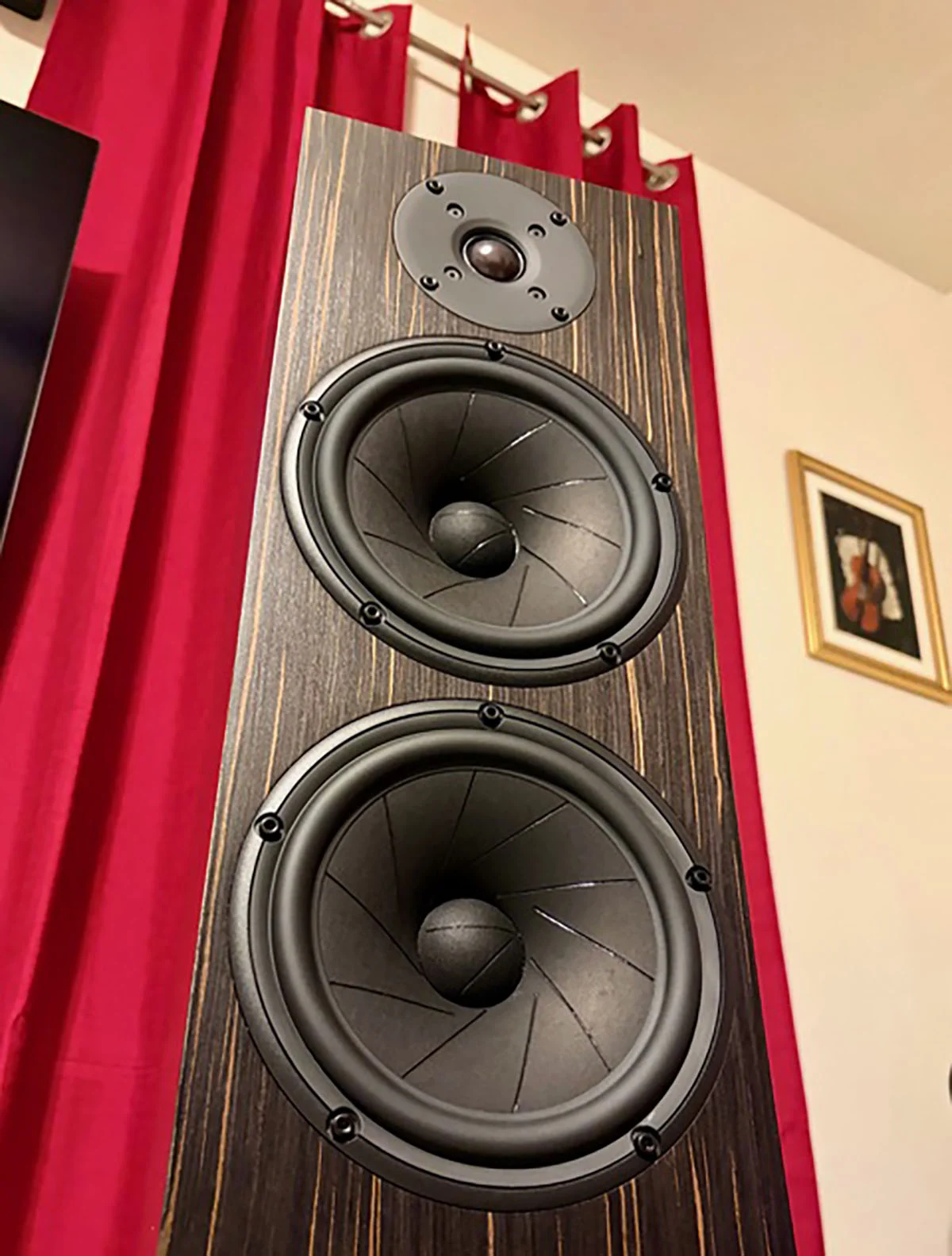
- Resonance Control: Pylon utilizes sophisticated bracing techniques and high-density fiberboards (HDF) and MDF to minimize cabinet vibration. By mathematically calculating the internal volume, they ensure that the back-wave of the woofer does not interfere with the front-firing output, a common cause of "muddy" bass.
- Acoustic Dampening: The internal lining of Pylon cabinets utilizes specialized acoustic foam and felt, selected through empirical testing to eliminate unwanted internal echoes.
- Driver Integration: Pylon’s R&D team works closely with component suppliers to customize drivers specifically for their cabinet volumes. This symbiotic relationship between the speaker’s "body" and its "voice" is what produces the signature Pylon sound—open, detailed, and strikingly natural.
Official Responses and Company Ethos
In recent interviews, the leadership at Pylon Audio has emphasized that the "family-run" aspect of their business is not just a marketing slogan; it is a management philosophy.
"We are driven by the music we grew up listening to," stated a company representative. "When we design a cabinet, we aren’t thinking about a profit margin on a sheet of paper. We are thinking about how that wood will respond when a cello note hits the 100Hz range. Our furniture-making heritage taught us that wood is alive. You have to work with its properties, not fight against them. That is the Pylon difference."
The company maintains an open-door policy regarding its factory floor in Jarocin, believing that transparency in the manufacturing process builds trust with the consumer. By keeping the manufacturing in Poland, rather than outsourcing to low-cost regions, they maintain total oversight over the final product’s quality, ensuring that every speaker that carries the Pylon badge meets the rigorous standards set during their early days in the furniture trade.
Implications for the Global Audiophile Market
The rise of Pylon Audio signals a broader shift in the high-fidelity market. Consumers are increasingly weary of "luxury" branding that relies on exorbitant pricing to denote quality. Pylon’s success proves that there is a massive, underserved segment of the market that values:
- Rational Pricing: By leveraging efficient manufacturing and direct-to-market strategies, Pylon has made "high-end" audio accessible to a wider demographic.
- Sustainability and Longevity: Because these speakers are built using traditional woodworking techniques, they are designed to last for decades. This stands in stark contrast to the disposable nature of modern consumer electronics.
- The "European Craft" Renaissance: As global manufacturing shifts, Pylon represents a return to localized, high-skill production. Their success has encouraged other European manufacturers to reconsider their supply chains and bring production back to their home markets.
The Future of Pylon Audio
Looking ahead, Pylon Audio shows no signs of slowing down. With plans to integrate more advanced digital signal processing (DSP) into their upcoming active speaker lines, while maintaining the passive acoustic excellence of their current series, the company is poised to bridge the generational divide between vinyl-loving traditionalists and the modern, streaming-centric generation.
The journey from a furniture workshop in Jarocin to a global player in the audio industry is a testament to the power of vertical integration and the relentless pursuit of sonic perfection. Pylon Audio is not merely building speakers; they are curating a legacy of sound, ensuring that the next generation of listeners can experience the emotional depth that only a truly well-crafted instrument can provide.
As the company continues to innovate, the focus remains clear: honor the heritage, master the material, and let the music speak for itself. In an industry defined by technical jargon and shifting trends, Pylon Audio remains a steady, resonant force, grounded in the belief that the best sound comes from the best foundations.