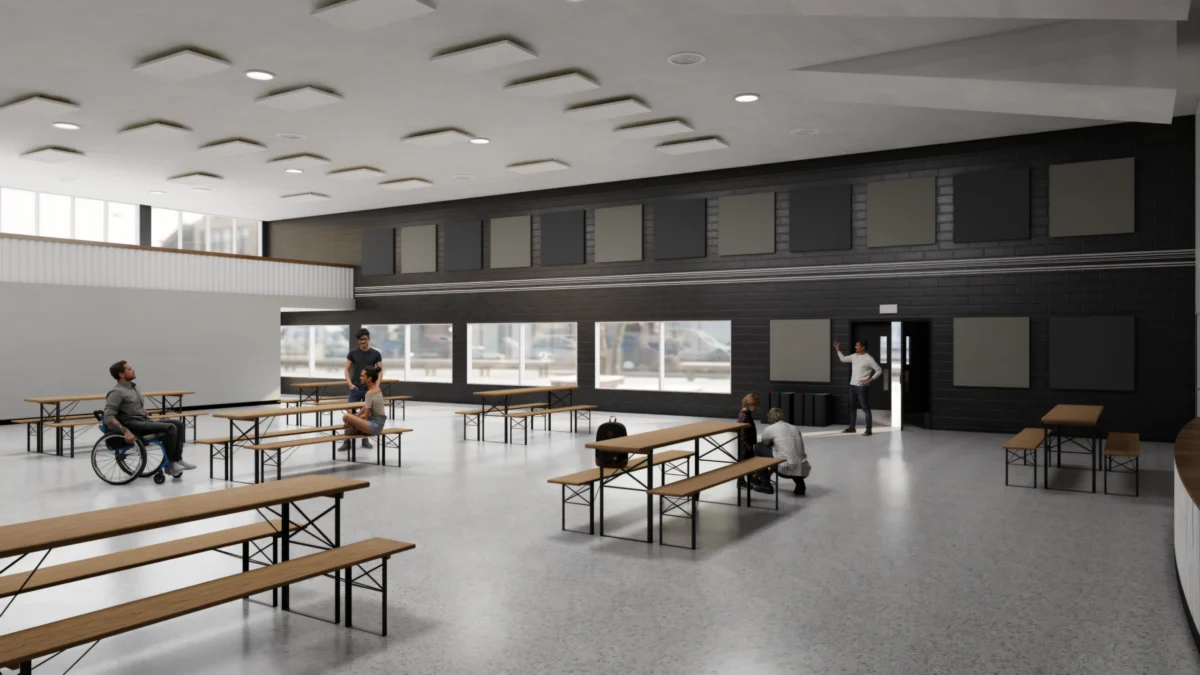
In the contemporary built environment, the human experience of a room is rarely left to chance. Architects and interior designers spend countless hours curating visual palettes, manipulating natural light, and selecting ergonomic furnishings. Yet, a fundamental dimension of space is frequently overlooked until it fails: how a room sounds.
Much like a musical composition, the architecture of a space relies on an intentional arrangement of elements. It possesses a tempo, a rhythm, and a dynamic range that collectively evoke an emotional response from anyone who steps inside. Just as a symphony requires a careful selection of instruments to achieve harmonic balance, a room requires the right textures to control its acoustic environment. Today, a new paradigm in architectural design is emerging—one that treats surface texture not merely as an aesthetic finish, but as a critical instrument for achieving sonic comfort and emotional resonance.
Main Facts: The Intersection of Texture, Sound, and Sustainability
The core thesis of modern architectural acoustics is straightforward: hard, flat surfaces—such as concrete, glass, and drywall—act as sonic mirrors. When sound waves collide with these unyielding planes, they bounce off indiscriminately, generating echoes and reverberations. This acoustic bounce creates an environment where rooms sound excessively loud, speech intelligibility plummets, and occupants must strain to communicate. Over time, this sonic fatigue drains focus and energy.
Conversely, textured surfaces disrupt this cycle. By diffusing sound waves and scattering them across multiple directions, texture tames reverberation without entirely deadening a room.
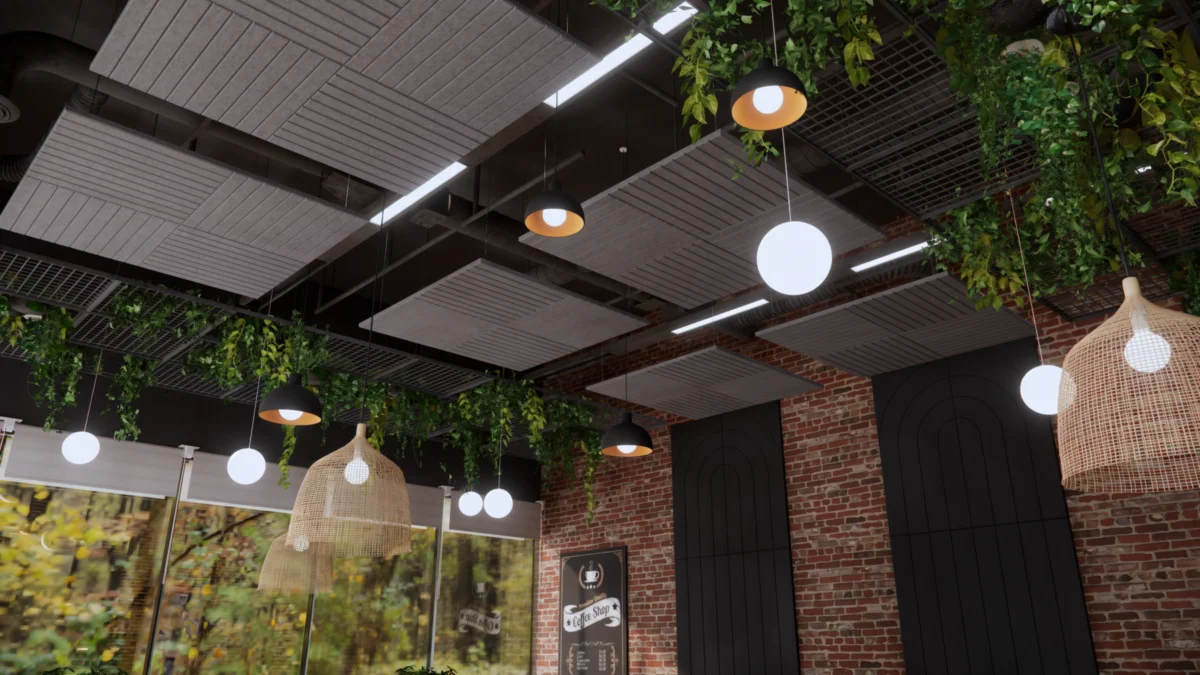
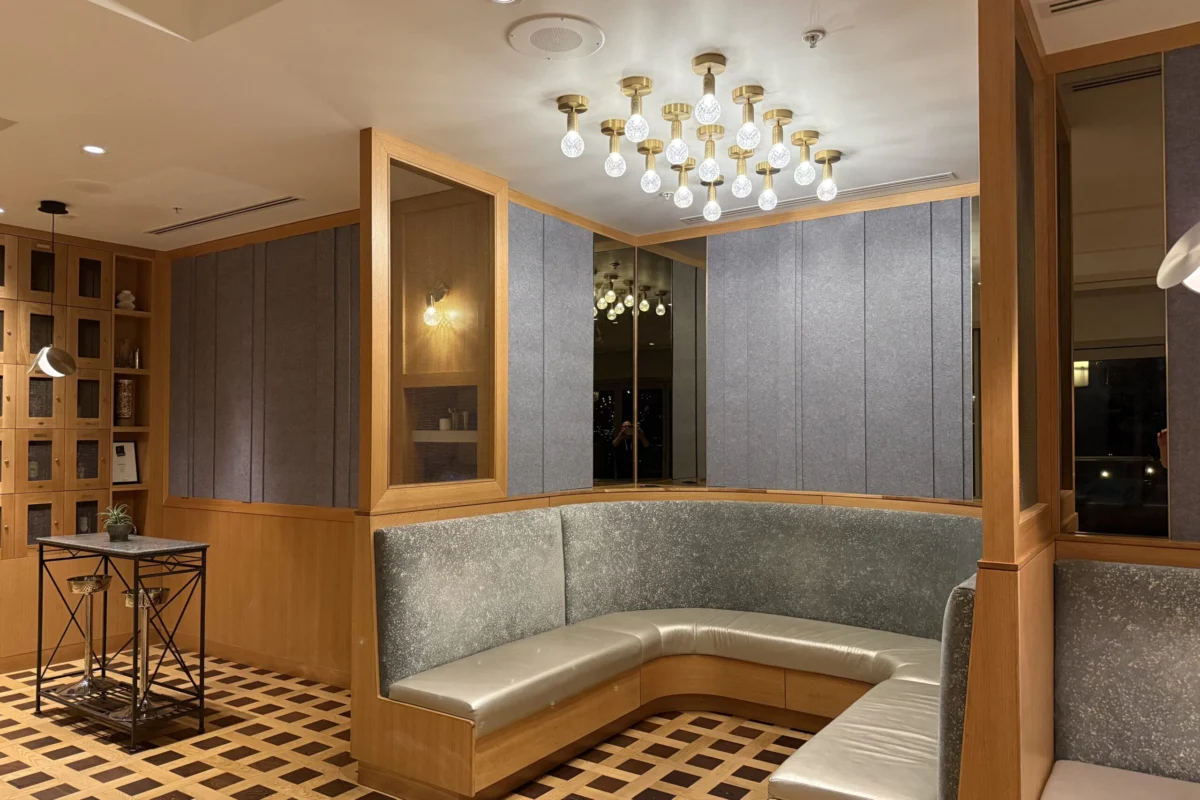
Enter the modern evolution of acoustic treatments: high-performance panels constructed from Polyethylene Terephthalate (PET), a versatile material frequently sourced from recycled plastic bottles. Solutions like Primacoustic’s EcoScapes Contour Panels leverage the inherent flexibility of PET to bridge the historical gap between rigid acoustic engineering and high-end interior design. Rather than serving as intrusive, industrial afterthoughts affixed to walls out of desperation, modern carved PET panels function as active architectural elements. They can be precision-cut, custom-engraved, and manufactured in a diverse palette of colors to create stunning, design-forward feature walls and ceiling clouds.

Chronology: From Industrial Afterthoughts to Integrated Design Intent
To understand why modern acoustic texture represents a significant shift, it helps to examine how the relationship between sound and interior design has evolved over the past century.
Mid-20th Century: The Functional Divide
For decades, architecture operated under a strict division of labor. Interior designers focused on visual aesthetics, spatial flow, and material finishes. Acoustics, meanwhile, was treated as a specialized, often remedial engineering discipline. If a newly constructed boardroom or open-plan office echoed excessively, acoustic treatments were introduced late in the timeline—usually in the form of heavy fabric-wrapped panels or industrial drop-ceilings bolted on as expensive fixes. These retrospective additions frequently clashed with the original design vision, leaving architects frustrated and clients underwhelmed.
The Rise of Minimalist Modernism
As architectural trends shifted toward sleek, minimalist aesthetics—characterized by expansive glass facades, polished concrete floors, and uninterrupted drywall surfaces—the acoustic challenge intensified. These materials imparted a profound sense of visual serenity and order, cutting through the mental clutter of fast-paced workplaces. However, they simultaneously created acoustic nightmares. The pursuit of visual calm inadvertently bred auditory chaos.
The Modern Era: Multi-Functional Materiality
In recent years, material science has unlocked a new category of architectural products. The introduction of moldable, durable, and sustainable materials like PET transformed acoustic panels from flat, utilitarian blocks into dynamic design canvases. Architects no longer had to choose between visual minimalism and acoustic control. By integrating acoustic engineering directly into the material texture early in the conceptual phase, the industry moved from remediating bad sound to composing good spaces from the ground up.
Supporting Data and Material Science: The Science of PET
The efficacy of modern textured acoustic treatments is rooted in material composition and physical geometry.
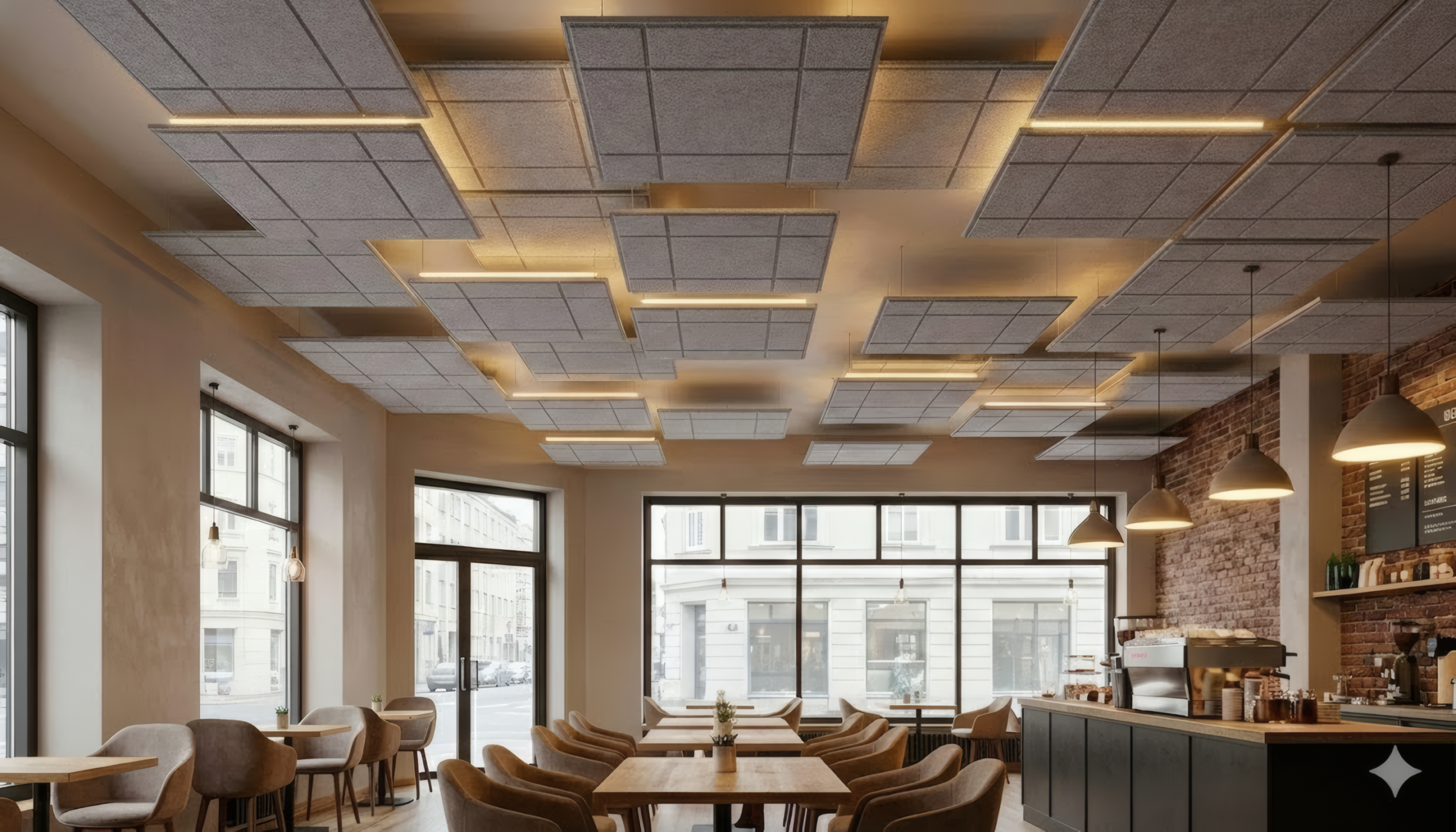
- Acoustic Performance: PET acoustic panels typically boast high Noise Reduction Coefficients (NRC), absorbing mid-to-high frequencies while their three-dimensional, carved surfaces scatter sound waves to prevent flutter echoes.
- Environmental Impact: By utilizing recycled plastic bottles, manufacturers divert millions of tons of waste from landfills, helping commercial and residential projects achieve rigorous green building certifications such as LEED and WELL Building Standard.
- Design Versatility: Because PET can be precision-routed and engraved, it transcends the two-dimensional plane. Designers can manipulate light and shadow across carved surfaces, creating visual rhythms, subtle branding elements, or bold statement pieces that act as the artistic anchor of a room.
By eliminating the need to clutter walls with disjointed pictures, posters, and ad-hoc acoustic baffles, carved PET panels allow the wall itself to become the canvas. They provide an integrated background that supports an artful, uncluttered environment while doing the heavy lifting acoustically.
Official Perspectives: Rethinking the Role of Walls
Industry experts and acoustic designers increasingly emphasize that walls should never be treated as passive background elements.
"When you design a space, you are curating how people feel within it," notes leading interior architecture strategists. "If a room looks stunning but sounds abrasive, the human nervous system registers that dissonance immediately. We feel stressed without necessarily knowing why."
Manufacturers like Primacoustic emphasize that addressing acoustics early in the design phase is essential to preserving the purity of the architect’s intent. When surface treatments like the EcoScapes Contour line are conceptualized during the preliminary blueprints, they deepen the design rather than diminish it.
"Contour panels allow designers to add depth, establish a specific visual beat, and transform standard boundaries into three-dimensional features," explains product development teams within the acoustic sector. "It’s about making a space feel as unique as the work, play, or worship taking place within it, without ever compromising form for function."

Implications for the Future of Architecture and Interior Design
The shift toward texture-driven acoustic design carries profound implications for various sectors, ranging from corporate workspaces and educational institutions to hospitality and residential architecture.
1. Enhanced Productivity and Well-Being in the Workplace
In open-plan offices, acoustic fatigue is a primary driver of employee burnout and diminished concentration. By integrating textured, sound-diffusing walls that double as striking artistic centerpieces, companies can foster collaborative hubs that remain remarkably quiet and comfortable. Employees are better able to focus, communicate, and innovate when their auditory environment is properly managed.
2. Elevated Learning Environments in Schools
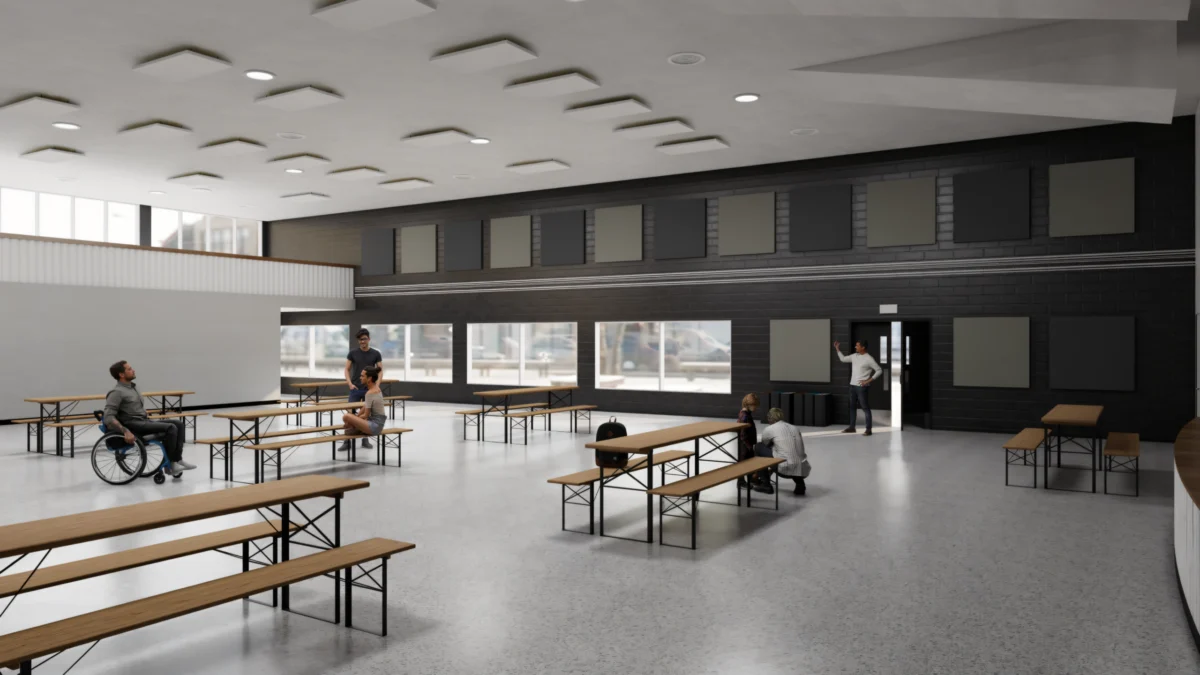
Classrooms with high reverberation times hinder speech intelligibility, making it difficult for students—particularly those with hearing impairments or learning differences—to absorb information. Carved acoustic panels integrated into school designs provide a durable, safe, and visually engaging way to tame classroom noise, improving overall educational outcomes.
3. Streamlined Project Budgets and Timelines
By considering acoustics and texture early in the design process, project teams avoid costly change orders and remedial acoustic interventions down the line. The ability of modern PET panels to serve dual purposes—as both the primary finish material and the acoustic treatment—reduces the need for multiple trades and layered materials, streamlining construction timelines.
Conclusion: Designing Spaces That Look Good and Feel Right
Ultimately, the resurgence of texture in modern design is a reminder that architecture is a multisensory art form. Sight and touch are deeply intertwined with sound; a room that feels cold and hard visually will inevitably sound harsh and unforgiving.
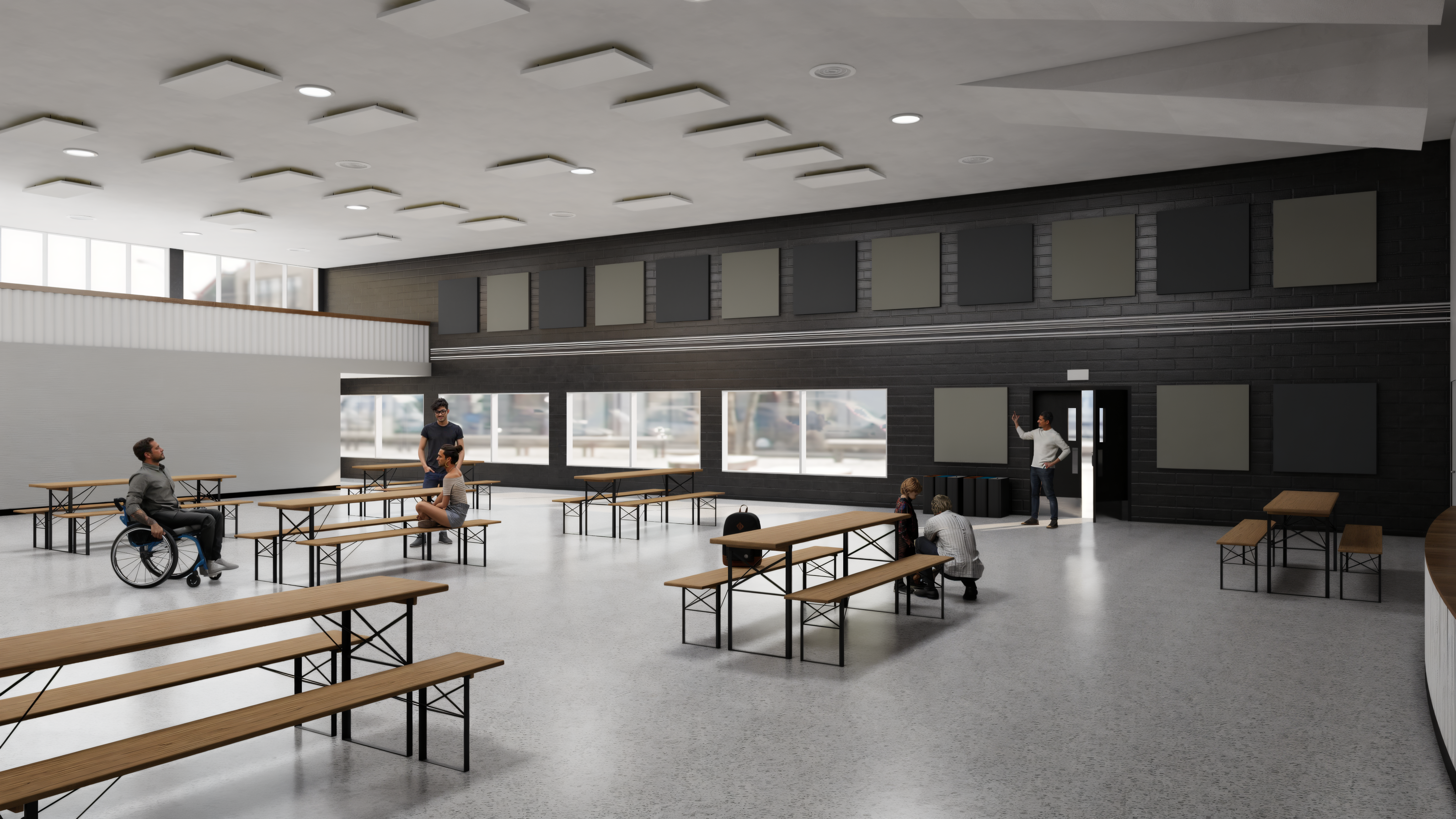
Recognizing that acoustic comfort is just as critical to a user’s experience as visual aesthetics leads to more sustainable, welcoming, and functional environments. Just as a musical masterpiece requires careful attention to rhythm, tempo, and instrumentation from its very first notes, exceptional interior design demands that sound and texture be harmonized from the outset. By embracing active, textured surfaces like carved PET panels, designers can craft spaces that do more than simply fill a room—they compose an experience that resonates on every level.