Main Facts: Samsung’s 2026 RGB Mini LED Flagship Enters a Crowded Market
The consumer electronics industry has officially entered the era of RGB Mini LED technology. Promoted widely as a potential challenger to the dominance of OLED panels, this advanced backlit technology has rapidly evolved from a high-priced novelty into a mainstream focal point for major AV manufacturers. Following its initial rollout of an ultra-large 115-inch model last year, Samsung has scaled its backlit panel technology down to more traditional consumer sizes.
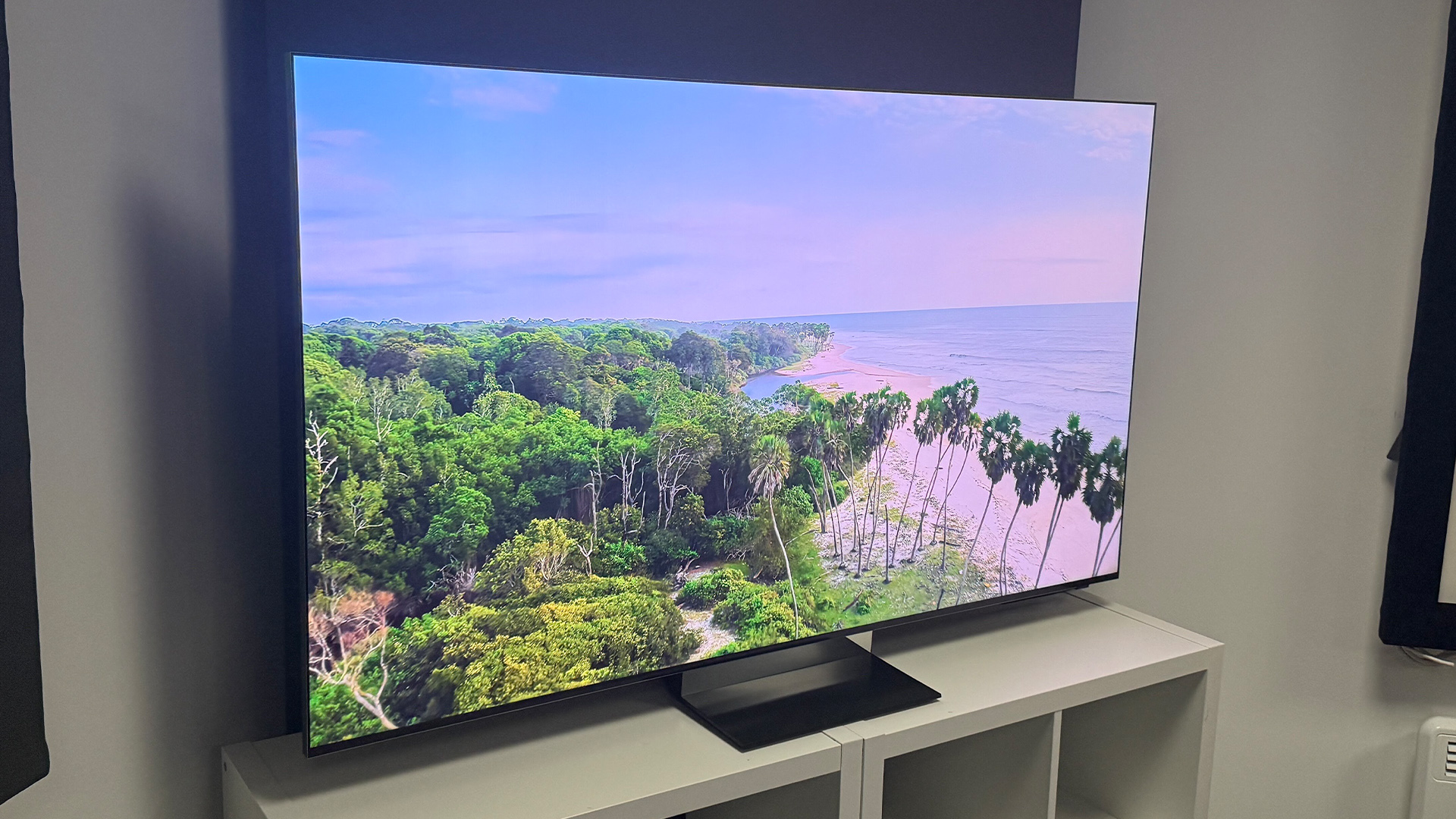
Enter the Samsung R95H (designated as the MRE65R95H in the UK, MRN65R95H in the US, and MRA65R95H in Australia). As the brand’s flagship "Micro RGB" television for 2026, the 65-inch model arrives with an aggressive retail launch price of £3,299 / $3,200 / AU$5,299. It is positioned directly alongside the company’s celebrated S99H OLED TV, effectively serving as two distinct philosophical approaches to top-tier home entertainment.
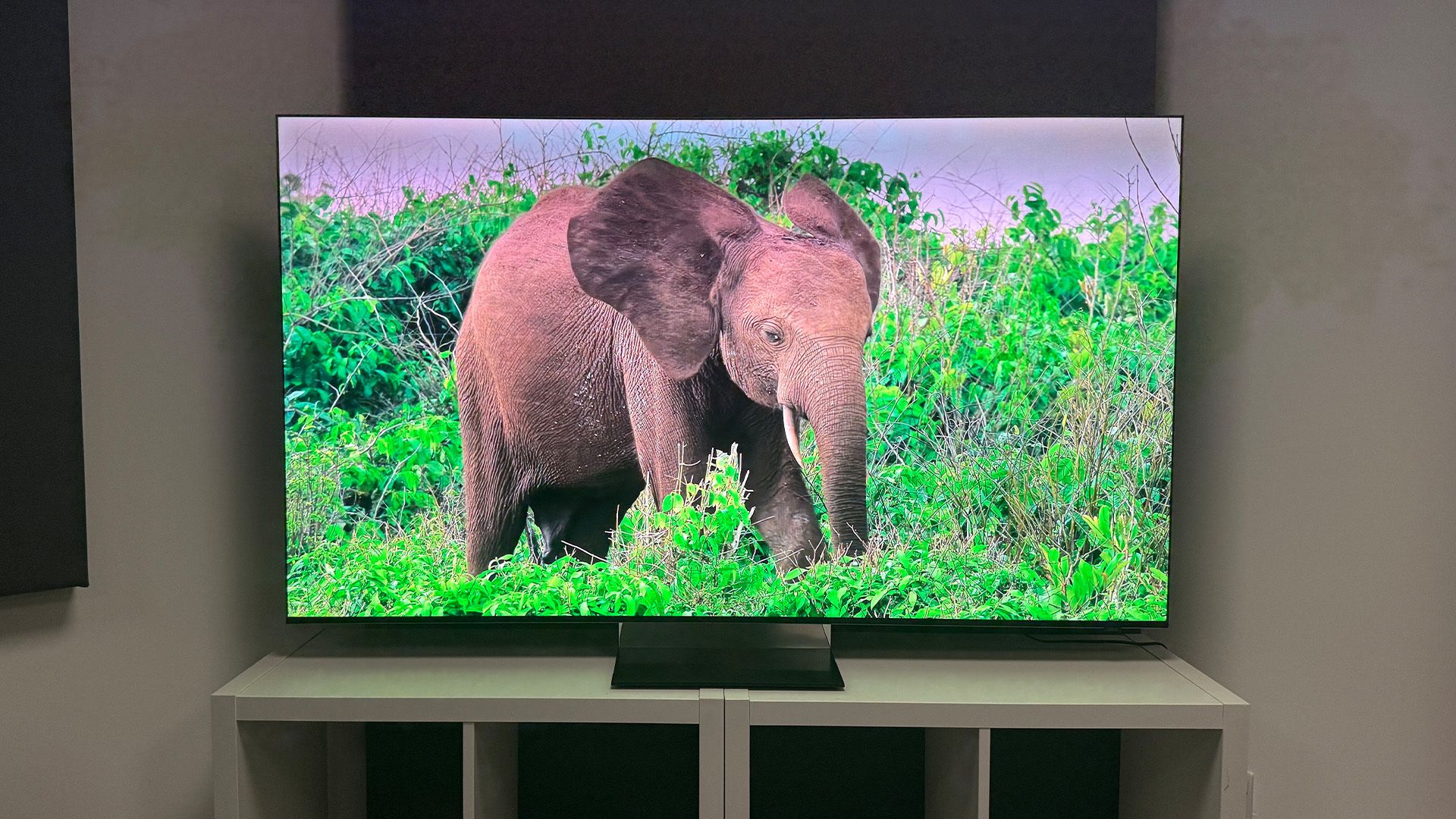
However, despite packing an exhaustive list of next-generation features—including ultra-dense sub-100-micron LEDs, a comprehensive array of gaming specifications, and sophisticated AI processing engines—expert testing reveals a complicated reality. While the R95H boasts impressive black levels and high peak brightness limits, it ultimately struggles to justify its premium price tag when measured against the superior three-dimensionality, motion handling, and acoustic delivery of similarly priced OLED competitors, as well as rival RGB Mini LED offerings.
Chronology: The Evolution of Samsung’s Display Strategy and the R95H Launch
To understand the market positioning of the Samsung R95H, it is essential to examine the strategic about-face Samsung has undergone regarding display technology over the past decade.
- The Anti-OLED Era: For years, Samsung staunchly refused to manufacture OLED televisions, instead championing its QLED (Quantum Dot LED) backlit LCD technology while actively campaigning against the organic panel format.
- The OLED Pivot: Recognizing shifting consumer demand and technological breakthroughs, Samsung reversed its stance entirely. The company embraced OLED and swiftly established itself as a producer of some of the finest organic panel TVs on the market, culminating in modern masterpieces like the five-star S99H QD-OLED.
- The RGB Mini LED Push: Seeking new frontiers in brightness and contrast control, display manufacturers began experimenting with RGB (Red, Green, Blue) backlighting instead of traditional blue LEDs paired with quantum dot filters. Last year, Samsung joined forces with competitors like Hisense to introduce its first iteration of the technology, albeit restricted to a massive, cost-prohibitive 115-inch form factor.
- The 2026 Rollout: Samsung scaled down the technology to 65, 75, and 85-inch classes, bringing the R95H to market alongside its sister OLED models. Samsung explicitly framed the R95H and the S99H as "two sides of the same coin," giving high-end consumers a direct choice between advanced backlit LCD and self-emissive QD-OLED at identical price points.
Supporting Data: Technical Specifications and Performance Metrics
A closer examination of the hardware reveals why the R95H commands its flagship status, even if its real-world execution presents hurdles.
Design and Build Quality
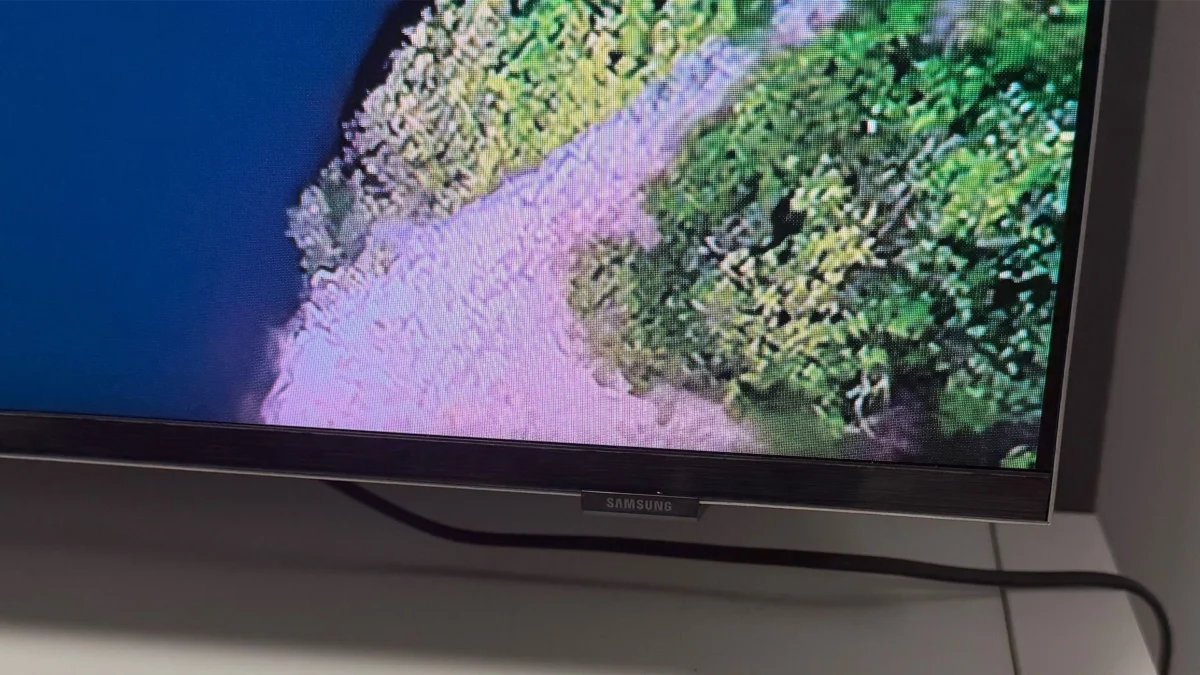
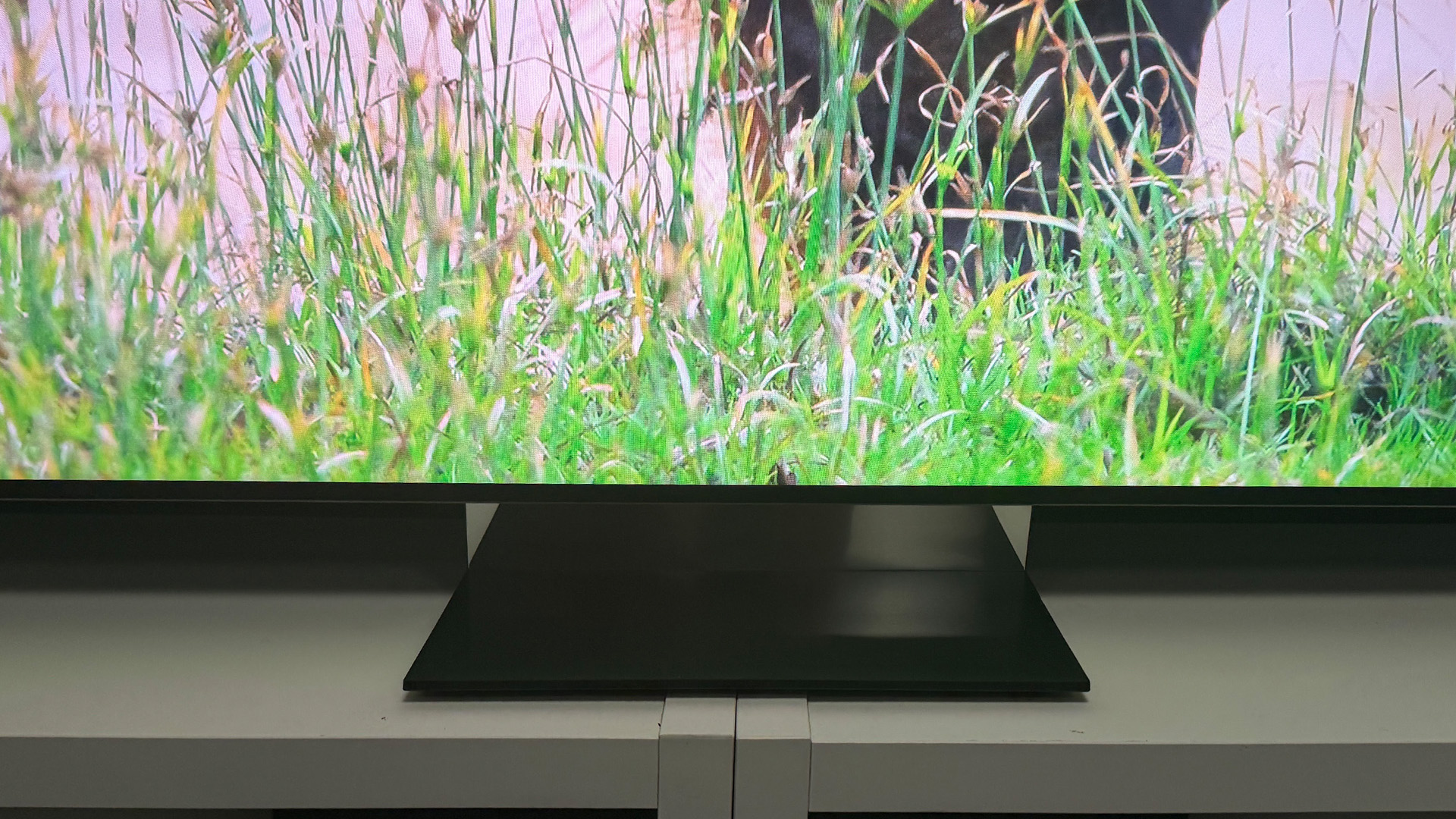
Measuring a surprisingly slender 3cm thick with a uniform flat back, the R95H is exceptionally well-suited for wall-mounting. For tabletop users, it features a central pedestal with a reflective panel designed to create a floating screen illusion. Assembly has been streamlined into a tool-free, LEGO-like modular click-system that takes minutes. However, the bundled remote control selection—relying on the same dual-remote layout featuring a simple solar/USB-C rechargeable smart clicker and a button-heavy traditional handset—feels dated for a device costing over three grand.
Key Technical Specifications
- Screen Sizes: Available in 65 inches (tested), 75 inches, and 85 inches.
- Panel Type: VA LCD with RGB Mini LED backlighting.
- Dimming Zones: Approximately 1,400 zones (specifically 1,344 zones counted on the 65-inch review sample).
- Resolution & Refresh Rate: 4K resolution with support up to 4K/165Hz gaming.
- HDR Format Support: HDR10, HDR10+, HDR10+ Advanced, HDR10+ Gaming, and HLG (Micro RGB HDR Pro system; notable absence of Dolby Vision).
- Operating System: Tizen OS powered by the Micro RGB AI Engine Pro.
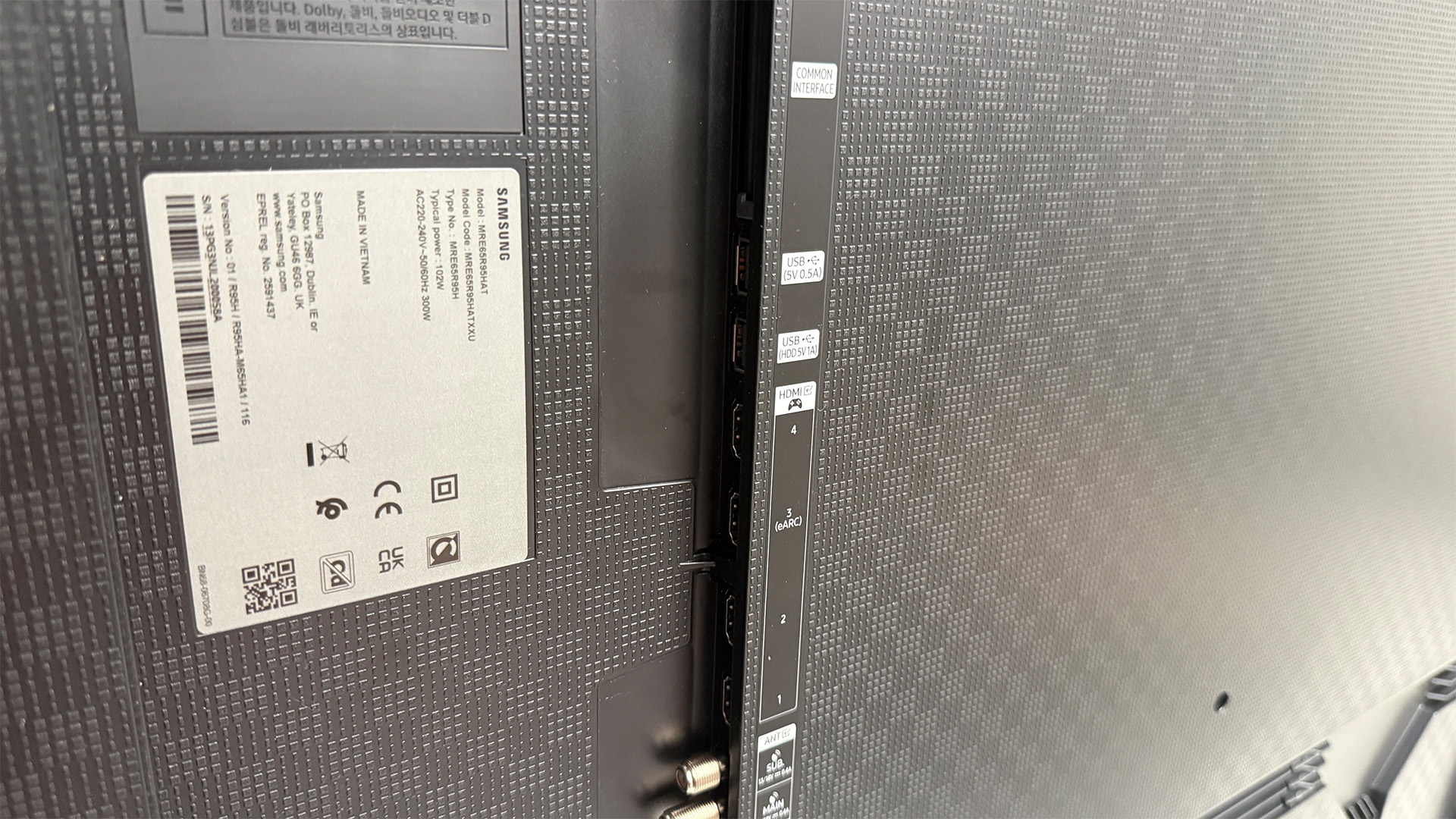
- Connectivity: Four full-bandwidth 48Gbps HDMI 2.1 ports, eARC, optical output, and robust smart app integration.
- Audio System: 70W 4.2.2-channel integrated speaker array supporting Object Tracking Sound+ and Q-Symphony.
Comparative Performance Data
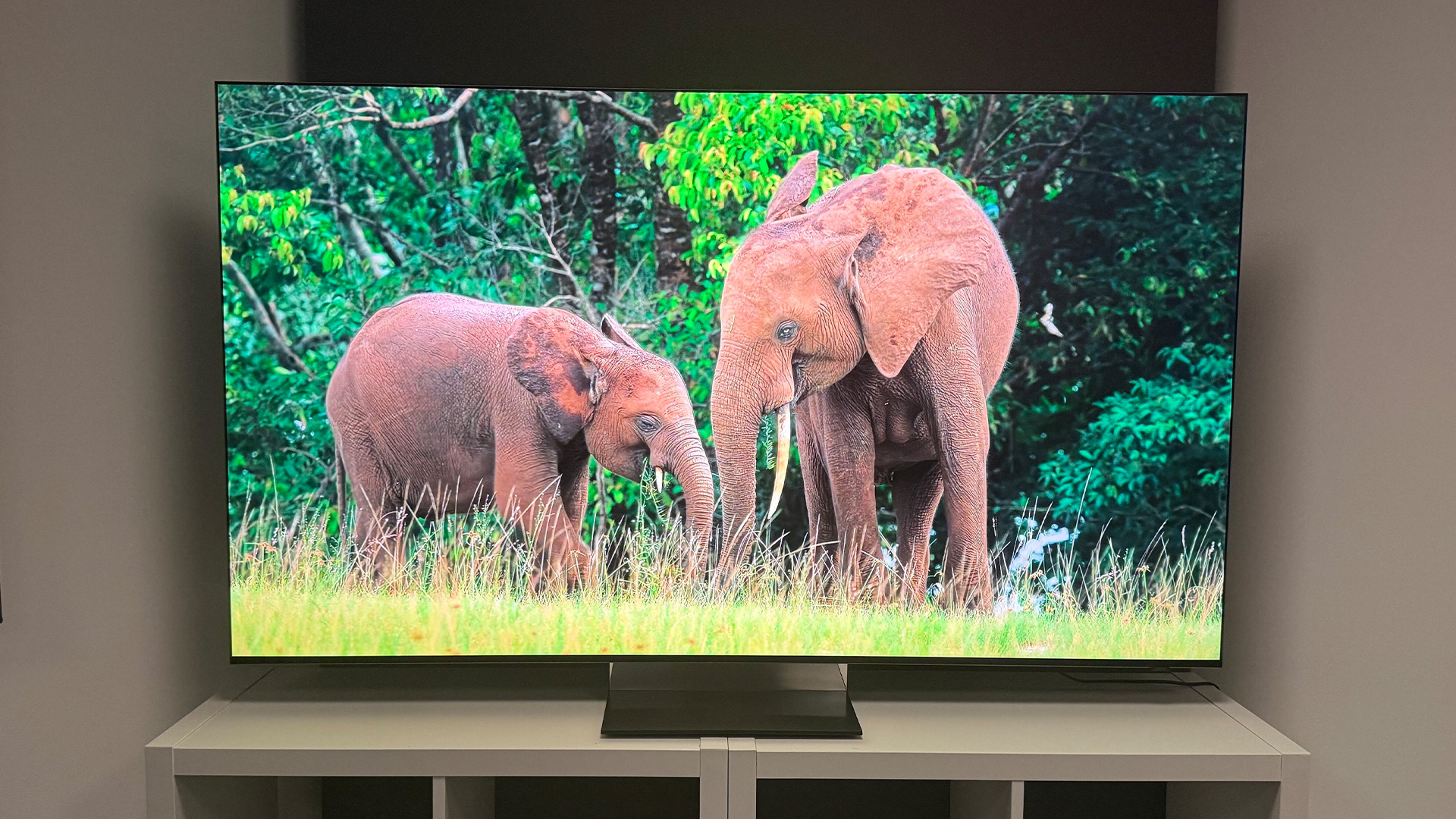
While the R95H achieves commendable black levels for an LCD panel—handling challenging dark sequences in films like Blade Runner 2049 and Oppenheimer with minimal blooming—it falls short in critical cinematic metrics. In accuracy-focused modes like Movie and Filmmaker Mode, pinpoint highlights lack the dazzling punch seen on the S99H OLED. Furthermore, motion handling during complex panning shots (such as the crew introduction in The Matrix) revealed occasional smeary motion artifacts.
In the audio department, the built-in 4.2.2-channel system struggled with heavy bass passages, resulting in distortion and a recessed midrange during dynamic movie sequences. Additionally, testers noted that the TV suffers from a low maximum volume ceiling, requiring users to rely heavily on external soundbars for an immersive home cinema experience.
Official Responses and Market Positioning
Samsung has been transparent regarding its dual-pronged flagship strategy for 2026. By pricing the R95H identically to the S99H OLED (£3,299 / AU$5,299), the company is intentionally challenging consumers to weigh the high peak-brightness potential of advanced LED backlighting against the infinite contrast and pixel-level control of self-emissive QD-OLED.
Industry analysts note that this strategy is a hedge against supply chain limitations and a bid to capture consumers who prefer backlit displays for exceptionally bright living spaces. However, Samsung’s continued refusal to adopt Dolby Vision—preferring its proprietary HDR10+ ecosystem—remains a polarizing choice for home theater enthusiasts who prioritize universally supported dynamic metadata formats.
Implications: What the R95H Means for the Future of TV Technology
The arrival of the Samsung R95H carries significant implications for the broader television market, particularly regarding the ongoing battle between Mini LED and OLED technologies.
- The OLED Benchmark Remains Unbroken: Despite massive strides in LED density, local dimming algorithms, and sub-100-micron RGB diode engineering, backlit LCD technology continues to struggle against self-emissive panels in crucial areas like off-angle viewing, motion clarity, and three-dimensional depth perception. For all its specification sheet glory, the R95H proves that raw brightness potential cannot entirely compensate for foundational contrast limitations.
- Internal Brand Competition: By pricing its RGB Mini LED flagship identically to its QD-OLED flagship, Samsung has created an internal rivalry where the OLED model consistently emerges as the superior recommendation for cinephiles.
- Stiff Competition Within the Mini LED Space: Even among its peers, the R95H is not the definitive market leader. Competitors like the Sony Bravia 9 II—despite commanding a higher price tag—deliver a more refined picture balance and stronger spatial dimensionality, raising the bar for what RGB Mini LED technology can achieve.
Ultimately, while the Samsung R95H is a technically accomplished television featuring an unmatched suite of smart apps, gaming capabilities, and connectivity options, it occupies an awkward middle ground. It fails to dethrone the best OLED displays on the market and is outperformed within its own display category, signaling that RGB Mini LED still has ground to cover before it can genuinely claim victory over organic panel technology.