In the polished, glass-enclosed world of Silicon Valley, a new mantra has emerged: "Agentic Commerce." The vision is bold and borderless—a future where autonomous AI agents act as digital concierges, scouring the internet, comparing prices, and executing high-stakes purchases on behalf of consumers. As tech giants like Google and OpenAI race to integrate these shopping agents into the very fabric of the web, the industry’s trajectory seems set toward a frictionless, screen-first existence.
Yet, there is a dissenting voice from one of the architects of the modern retail revolution. Ron Johnson, the visionary behind the Apple Store—a retail model that transformed the tech company from a niche player into a global cultural powerhouse—believes the industry is fundamentally misreading the consumer psyche. Despite the billions being poured into predictive algorithms, Johnson remains steadfast in his conviction: AI will enhance the shopping experience, but it will never replace the profound human need for physical touch, sensory discovery, and authentic interaction.
The Core Conflict: Automation vs. Experience
The current tech landscape is defined by the promise of automation. Google’s "Universal Commerce Protocol" and OpenAI’s evolution of ChatGPT into a comprehensive shopping destination are designed to streamline the consumer journey. The goal is to eliminate friction, allowing users to move from discovery to checkout without ever visiting a traditional website, let alone a physical store.
For Johnson, 66, this is a bridge too far. When asked if he could envision a consumer tasking an AI agent with the purchase of a $2,000 laptop—a significant investment that requires weighing technical specifications against personal tactile preference—his answer is emphatic: "Honestly, nobody’s going to do that."
Johnson argues that the act of shopping for high-consideration items is inherently personal. It involves a sensory feedback loop that algorithms cannot replicate. "AI will never be able to have you physically experience a product," Johnson noted in a recent interview. He views AI’s role as a sophisticated research tool—an engine that narrows the field and informs the buyer—rather than a surrogate for the final decision. In his view, the agentic future will not result in the death of the store, but rather the emergence of the "hyper-informed" shopper, who arrives at the physical storefront already armed with data, seeking the final confirmation that only a tactile interaction can provide.
Chronology of a Retail Revolutionary
To understand Johnson’s skepticism toward fully automated retail, one must look back to the turn of the millennium. In 2000, when Johnson joined Apple, the prevailing wisdom suggested that the internet would render physical storefronts obsolete. The dot-com boom was in full swing, and giants like Amazon were signaling the end of the brick-and-mortar era.
The Apple Store Genesis
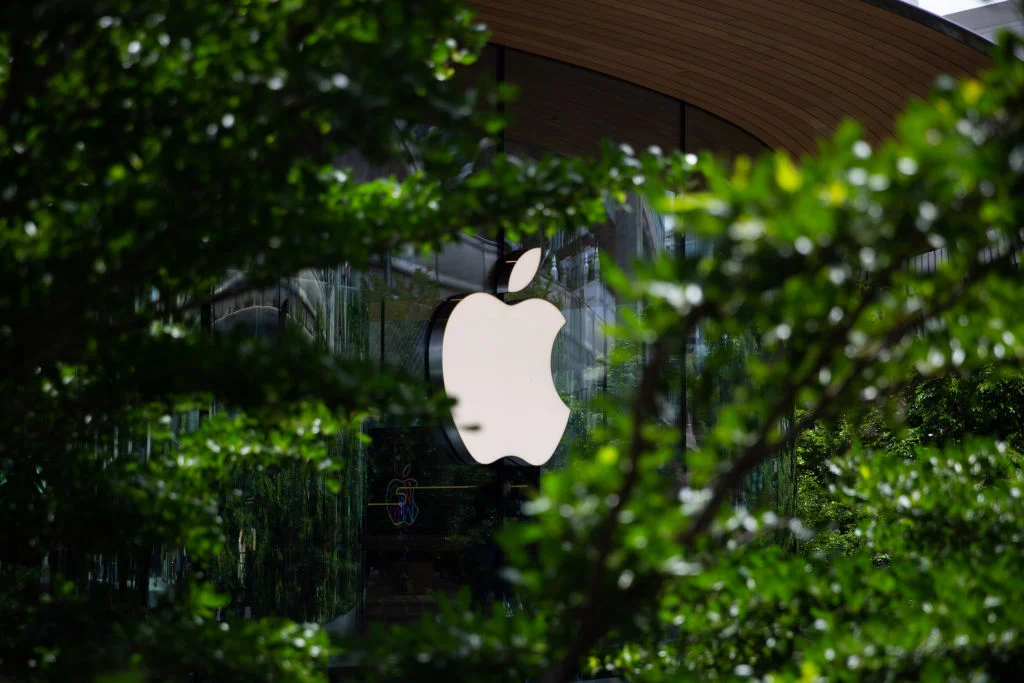
Instead of retreating, Apple leaned into the physical space. Under the guidance of Steve Jobs and the execution of Johnson, Apple designed stores that were not merely points of sale, but "theaters" for the brand. They prioritized glass architecture, open floor plans, and, most importantly, the removal of sales pressure. By eliminating commissions for store employees, Johnson shifted the focus from "closing the sale" to "solving the customer’s problem." The Genius Bar became a sanctuary for the perplexed, establishing the store as a destination for education and support rather than a mere warehouse for goods.
The J.C. Penney Transition
Following his tenure at Apple, Johnson’s career hit a high-profile turbulence. In 2011, he took the helm at J.C. Penney, attempting to transplant the Apple "startup" philosophy into a struggling, legacy department store. The initiative, characterized by rapid changes to pricing and store aesthetics, ended in a swift departure after less than two years as sales plummeted. Johnson candidly admits that he applied a "startup mentality to what needed to be a turnaround transformation," failing to secure the buy-in of the existing workforce and customer base.
The Lessons of Enjoy Technology
Johnson’s later venture, Enjoy Technology, attempted to bridge the gap between digital and physical by bringing product setups directly to the consumer’s home. While the company eventually filed for bankruptcy in 2022 and was acquired by Asurion, the project reinforced his core belief: the human element in commerce—the interaction between a knowledgeable guide and a customer—is a service that cannot be entirely offloaded to code.
Supporting Data: Why Humans Still Prefer the Physical
While the convenience of "one-click" shopping is undeniable for commoditized goods like toothpaste or paper towels, data consistently suggests that for high-involvement purchases, the physical channel remains dominant.
Industry trends indicate that "omnichannel" shoppers—those who interact with a brand both online and in-store—are more loyal and have a higher lifetime value than their purely digital counterparts. Retailers like Best Buy and IKEA have thrived by positioning their stores as showrooms where AI-informed consumers can finalize their journeys.
Furthermore, the "human touch" metric—measured by customer satisfaction scores in environments with high-quality staff interaction—consistently outperforms automated service. In the Apple model, the lack of commission-based pressure allowed employees to build trust. As AI agents become more prevalent, the value of that trust is likely to inflate. If an AI agent recommends a product, it may be perceived as a marketing function; if a human expert provides advice, it is perceived as a service.
Official Perspectives: The Tech Giants’ Stance
The push toward agentic commerce is driven by a desire to capture "intent." By controlling the agent that guides the user, companies like Google and OpenAI aim to shorten the path to purchase and capture more advertising and transactional data.
- Google’s Universal Commerce Protocol: This initiative seeks to standardize the language of commerce, allowing AI agents to communicate seamlessly with retailers’ inventory systems. It is an infrastructure play, designed to make the web itself a giant, automated marketplace.
- OpenAI’s ChatGPT Shopping: By embedding product research and comparison directly into the conversational interface, OpenAI is attempting to become the primary gatekeeper of consumer choice.
However, even these tech titans are beginning to recognize the limits of their models. Many AI-driven shopping platforms are now experimenting with "hybrid" features, such as AR (Augmented Reality) try-ons or virtual showrooms. While these are technological leaps, they underscore Johnson’s point: the industry is desperately trying to simulate the physical experience because it knows that the "digital-only" experience is missing a critical component of conversion.
Implications: The Future of Retail Space
The implications of this debate are profound for the retail sector. We are likely to see a bifurcation of the market:
- The Rise of the "Transactional Utility": Commodities and replenishment-heavy items will increasingly move toward AI-driven, automated fulfillment. This is where the agentic commerce model will succeed, effectively removing the human from the loop for mundane purchases.
- The Renaissance of "Experiential Retail": Stores that focus on high-touch, high-involvement products—electronics, luxury goods, home design, and health—will thrive by leaning into the very things AI cannot do. These spaces will become less about carrying stock and more about providing a sensory, curated, and human-led experience.
Johnson’s view is a reminder that technology is a tool, not a destination. He remains an "AI optimist," believing that the technology will eventually become a powerful assistant for the consumer. Yet, he cautions against the hubris of the valley. "There’s no substitute for human intuition," he maintains, channeling the spirit of his former collaborator, Steve Jobs.
As we look to the future, the most successful retailers will likely not be the ones who replace their staff with bots, but the ones who use AI to handle the drudgery, freeing their human teams to do what they have always done best: connect, explain, and inspire. The "Genius Bar" was never about the hardware; it was about the conversation that occurred across the table. In an age of autonomous agents, that conversation may just become the most valuable commodity of all.