By Architectural Acoustics Desk
In the modern landscape of faith-based communities, houses of worship have long transcended the traditional archetype of a quiet sanctuary used strictly for weekly Sunday services. Today’s churches function as dynamic community hubs—hosting everything from early childhood education and youth sports leagues to recovery groups, senior socials, contemporary musical performances, and digital broadcasting.
Yet, as the utility of these architectural spaces expands, facility managers and church leadership face a persistent, invisible obstacle: poor acoustic management. While much attention is traditionally funneled into the main worship hall, acoustic anomalies plague auxiliary rooms, hallways, and multi-purpose halls alike. Addressing these challenges requires more than a generic, one-size-fits-all approach; it demands an integrated, space-by-space acoustic strategy designed to honor the multifaceted mission of the modern church.
Main Facts: The Anatomy of Church Acoustics
At its core, a church is not merely a collection of rooms or a singular architectural shell; it is a living, breathing community comprising diverse demographics with distinct physical, spiritual, and emotional needs. Fulfilling those needs requires meticulous sound control that ensures comfort for individuals gathering to learn, connect, and worship throughout the week.
- The Multi-Use Reality: Modern church facilities rarely house just a sanctuary. Gymnasiums, nurseries, cry rooms, classrooms, and fellowship halls all share the footprint, bringing vastly different acoustic profiles under one roof.
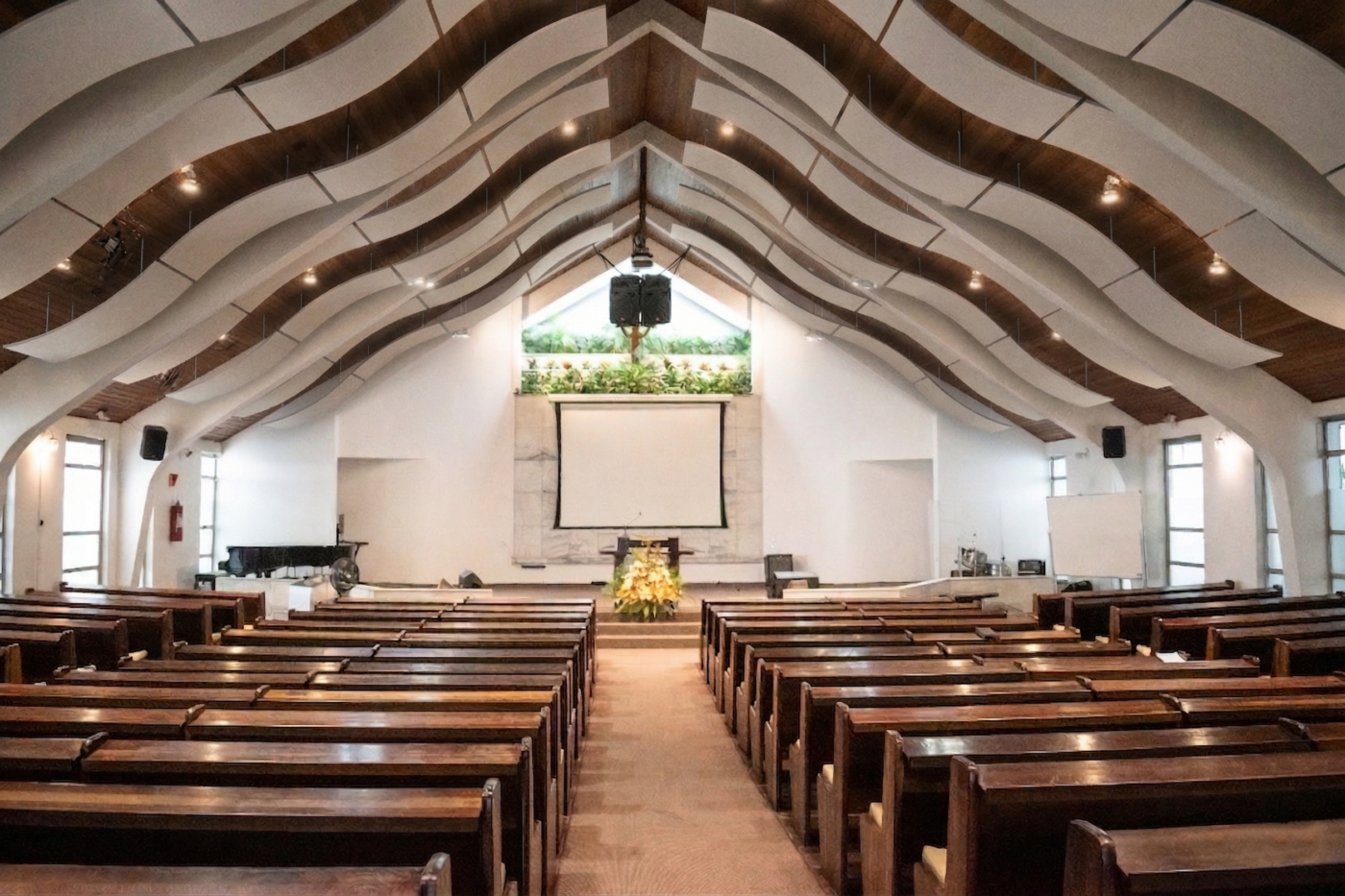
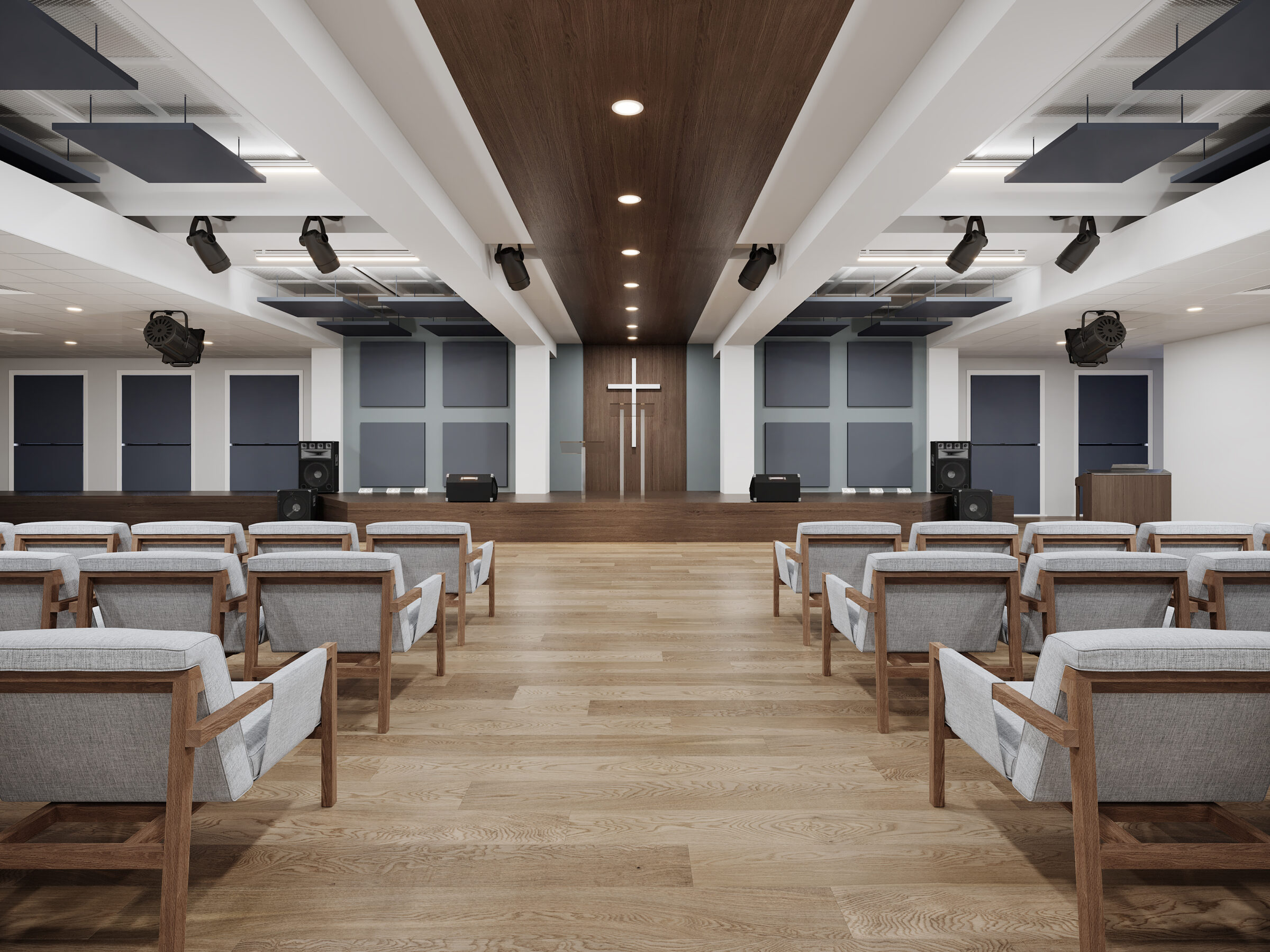
- The Sanctuary Balancing Act: The primary worship space demands a delicate equilibrium. It requires high speech intelligibility for sermons and pristine musical clarity for contemporary or traditional performances, all while managing reverberation and flutter echoes without over-deadening the room’s inspiring, reverent atmosphere.
- The Spillover Effect: Transitional gathering spaces, lobbies, and overflow areas feature hard, reflective architectural surfaces. As these zones fill up, ambient noise multiplies, often spilling directly into the sanctuary and disrupting quiet moments of reflection.
- The Danger of Uniform Treatments: Because rooms vary wildly in ceiling height, volume, material composition, and HVAC infrastructure, applying a uniform sound-absorption material across the entire facility typically results in acoustic failure.
Chronology: The Evolution of Church Architecture and Sound
To understand why contemporary acoustic management is so vital, it helps to examine how houses of worship have evolved over the last century in terms of design, function, and acoustic expectations.
The Traditional Era: Pipe Organs and Cathedrals
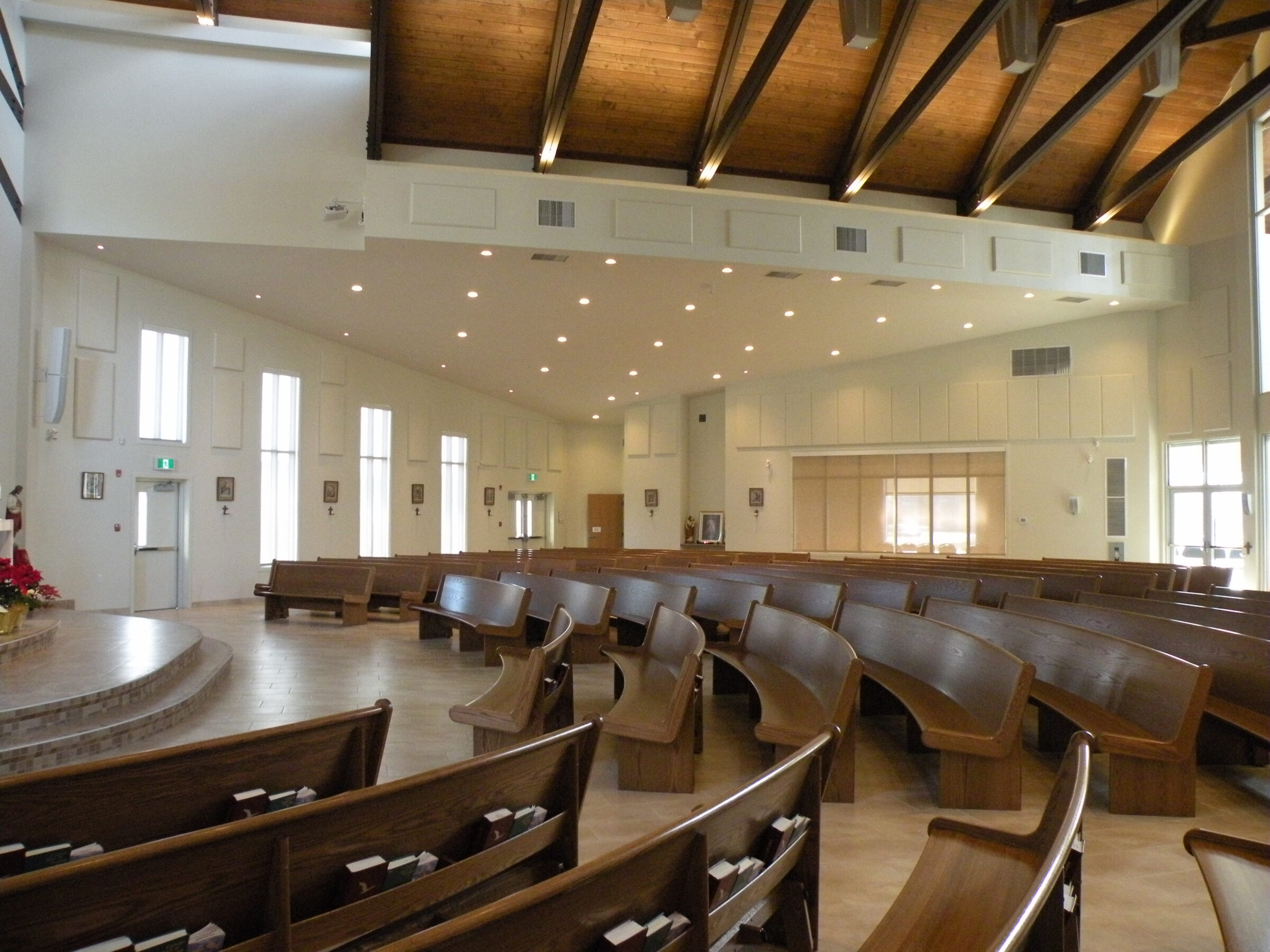
Historically, houses of worship were built with massive stone, plaster, and hardwood interiors. Designed centuries ago, these cathedrals and traditional churches leveraged long reverberation times—often lasting several seconds—to naturally amplify pipe organs and choir chants, carrying sound effortlessly through expansive vertical spaces. Speech clarity was secondary, as liturgy was often chanted or read in traditional cadences that tolerated a high degree of natural acoustic blur.
The Mid-Century Expansion: The Multi-Purpose Shift
As suburban populations boomed in the mid-20th century, churches began expanding their physical footprints to include educational wings, fellowship halls, and gymnasiums. These functional spaces were engineered for durability and low construction costs, utilizing concrete block, cinder walls, and vinyl flooring. Unfortunately, these hard-surfaced environments created chaotic acoustic landscapes characterized by severe echo and poor speech intelligibility, though sound management technology remained largely in its infancy.
The Contemporary Worship Revolution
Beginning in the late 20th century and accelerating into the 2000s, worship styles shifted dramatically. The introduction of contemporary Christian music—featuring amplified guitars, drum kits, keyboards, and modern vocal arrays—clashed fundamentally with traditional architectural acoustics. High reverberation times that once flattered pipe organs now rendered modern lyrics unintelligible. Concurrently, churches transformed into seven-day-a-week community centers, exponentially increasing spatial usage conflicts.
The Modern Integrated Approach
Today, acoustic planning has shifted from an afterthought—often addressed only after complaints arise from congregants—to a proactive discipline integrated during initial architectural design or major renovations. Facilities now rely on targeted, studio-grade treatments, sustainable materials, and customized room kits to engineer sonic comfort tailored to each specific square foot of the building.
Supporting Data: Understanding Room-by-Room Acoustic Challenges
Different environments within a church facility present unique acoustic signatures. Industry specialists categorize these spaces into distinct operational zones, each requiring tailored mitigation strategies:
| Space Type | Primary Activities | Common Acoustic Challenges | Recommended Treatment Strategy |
|---|---|---|---|
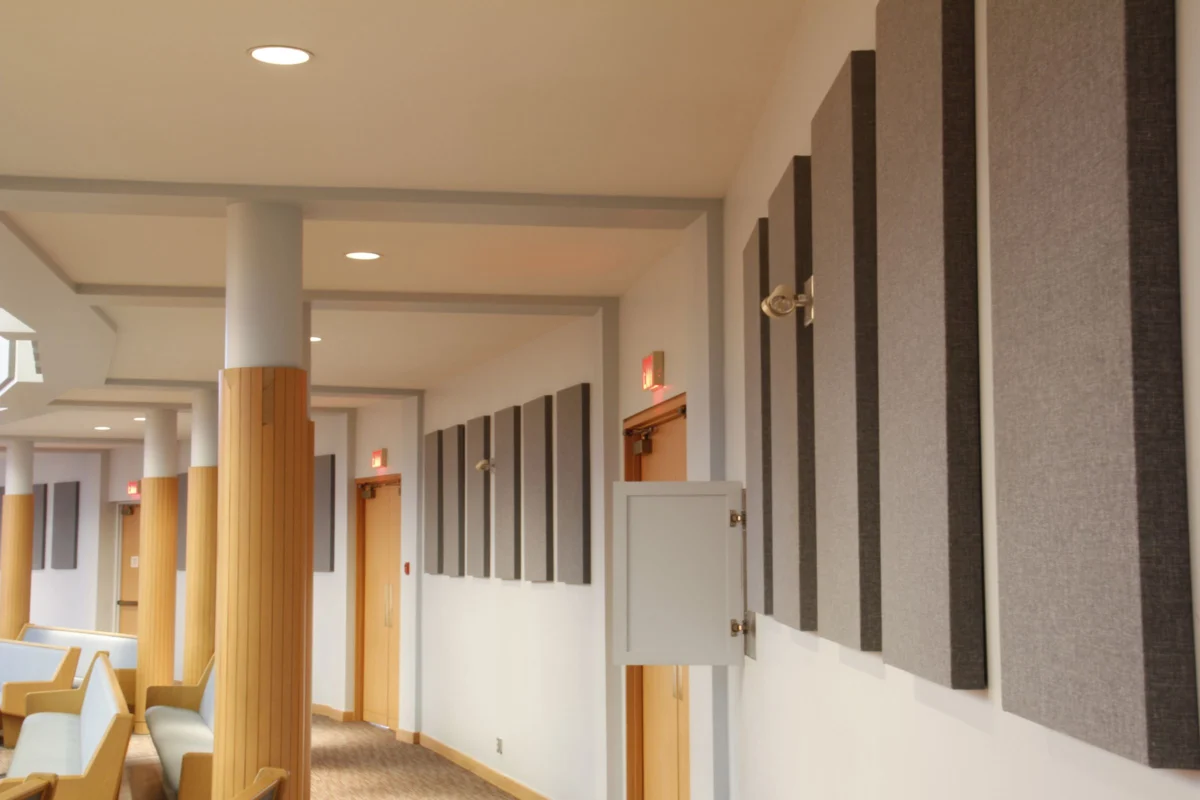
| Sanctuary / Worship Hall | Sermons, choir performances, contemporary bands, prayer | Long reverberation times, muddy bass frequencies, speech masking, stage bleed | High-performance wall and ceiling panels strategically placed to control early reflections while retaining acoustic "life." |
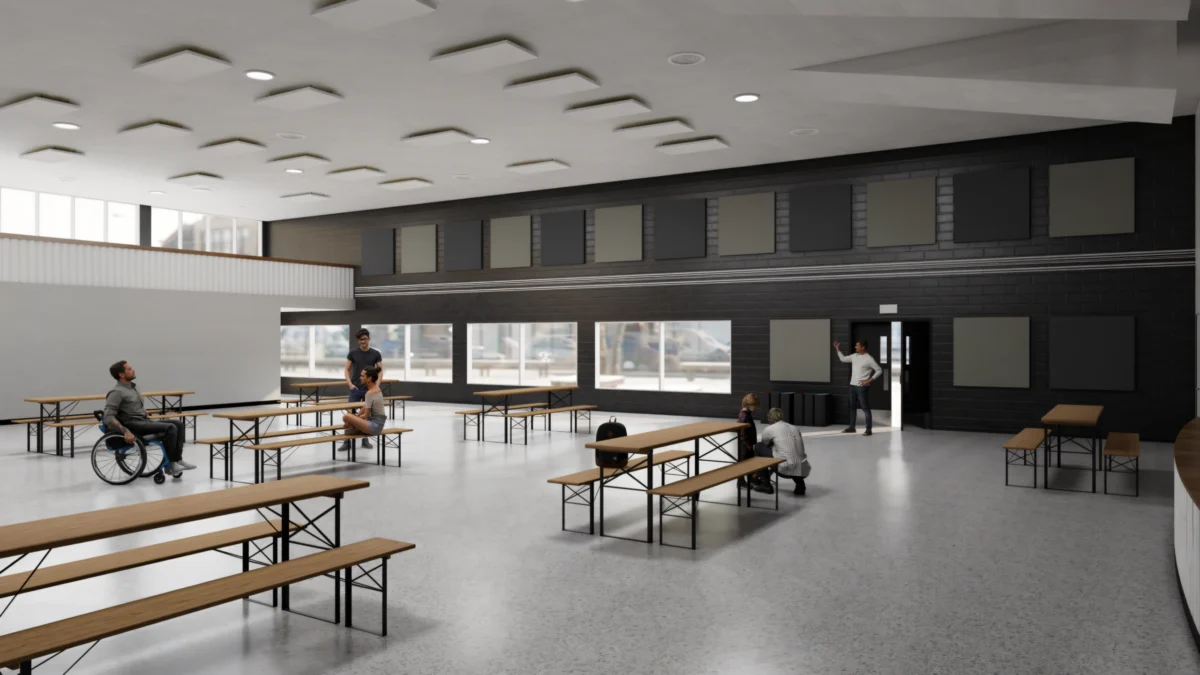
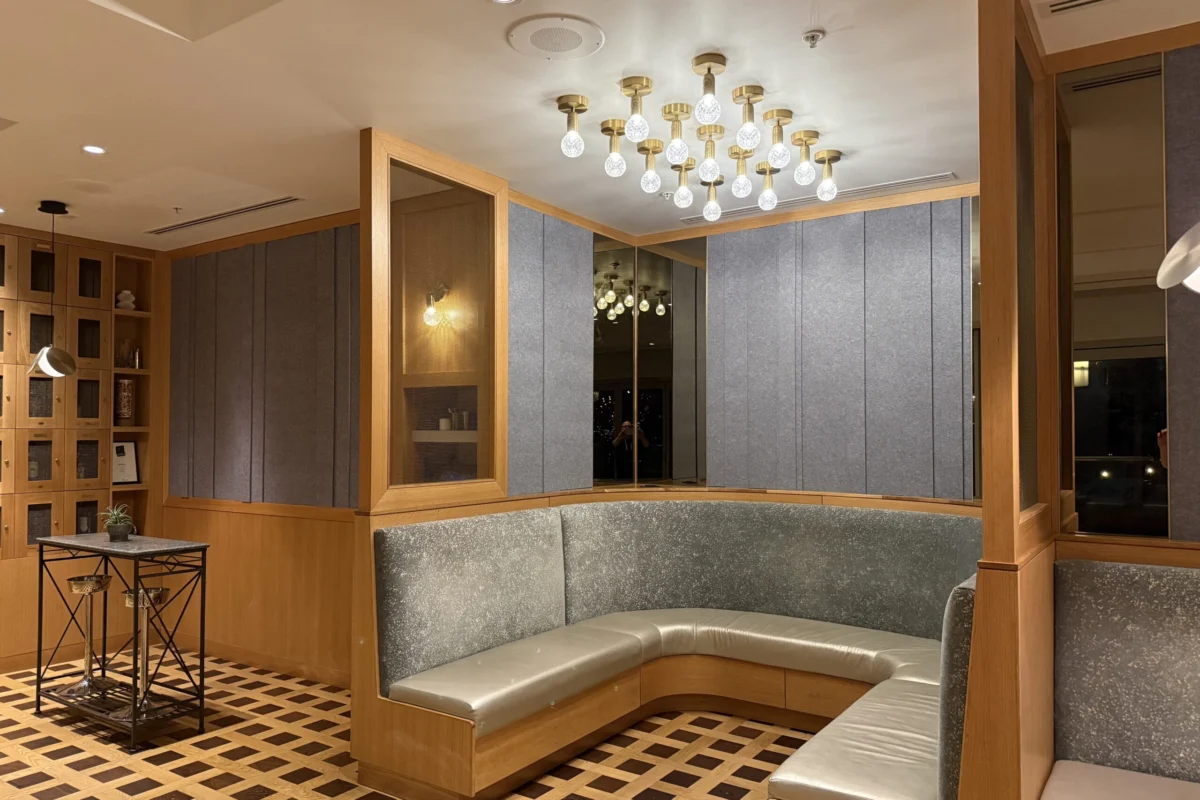
| Lobbies & Gathering Areas | Fellowship, coffee hours, greeting, welcoming | Highly reflective surfaces, high ambient noise floors, noise bleeding into sanctuaries | Distributed absorptive ceiling and wall treatments to absorb conversational energy and lower baseline volume. |
| Classrooms & Meeting Rooms | Sunday school, Bible study, administrative work | Boxy, bright, or harsh room resonance; sound leakage into adjacent spaces | Balanced absorption and sound isolation materials to improve speech intelligibility and privacy. |
| Multi-Purpose & Youth Spaces | Gymnasiums, youth groups, dining, recreation | Flutter echoes, excessive hard surfaces, extreme volume fluctuations | Versatile, high-impact-resistant acoustic treatments that deaden chaotic reflections without killing room energy. |
Furthermore, data from architectural acoustics firms indicates that structural noise—such as rumbling HVAC systems and buzzing lighting infrastructure—frequently exacerbates sound issues. When combined with hard architectural finishes like glass, polished concrete, and drywall, these mechanical systems create an underlying drone that forces speakers and worship leaders to strain their voices, accelerating vocal fatigue.
Official Responses: Industry Perspectives on Holistic Design
Acoustic engineers and architectural consultants emphasize that managing a church’s sound profile requires moving away from patchwork fixes.
"Unlike commercial office buildings or standard educational facilities, churches accommodate an emotional and spiritual spectrum of activities under a single roof," explains a leading architectural acoustic consultant. "You cannot treat a gymnasium the same way you treat a crying room, nor can a sanctuary rely on generic foam panels bought off the shelf. A holistic approach aligns acoustic treatments directly with how the space is lived in, walked through, and experienced."
Manufacturers specializing in house of worship design, such as Primacoustic, advocate for a comprehensive support model ranging from preliminary architectural blueprint analysis to final product deployment. Industry experts note that identifying shared sonic challenges actually simplifies the decision-making process for church boards and facility committees.
"When leadership understands that acoustic treatment isn’t just about stopping noise, but about fostering deep connection, the conversation changes," notes a representative from the commercial acoustic sector. "By utilizing design-forward products—ranging from sustainable PET felt treatments to customizable architectural wall panels that double as aesthetic statement pieces—churches can solve complex sound problems without sacrificing their visual and architectural heritage."
Implications: Fostering Engagement, Inclusion, and Community
The implications of acoustic design stretch far beyond technical decibel measurements; they directly impact the spiritual health, inclusivity, and growth of a congregation.
The Link Between Acoustics and Engagement
Human beings process auditory information constantly. When speech intelligibility drops in a classroom or sanctuary, the human brain works overtime to decipher words, leading rapidly to cognitive fatigue. In a house of worship setting, this auditory strain translates directly into disengagement. If a congregant cannot clearly hear the sermon, announcements, or musical ministry, their ability to participate fully in the service diminishes.
Creating an Inclusive Environment
An acoustically comfortable environment is, by definition, a welcoming one. For aging congregants experiencing age-related hearing loss, uncontrolled background noise and high reverberation can render a service entirely incomprehensible, inadvertently isolating a vulnerable demographic. Conversely, well-treated spaces ensure that the spoken word reaches every ear with clarity, making newcomers and longtime members alike feel embraced by the community.
Future-Proofing the Facility
As demographic shifts and community needs continue to evolve, houses of worship must remain agile. Facilities built today must anticipate the technological, musical, and programmatic shifts of tomorrow. By investing in modular, high-performance acoustic systems that adapt fluidly to changing room functions, churches safeguard their physical investments.
Ultimately, treating the whole church acoustically ensures that the message—whether spoken in a classroom, sung from a stage, or whispered in a gathering hall—is delivered with the clarity, comfort, and reverence it deserves.