By Editorial Staff
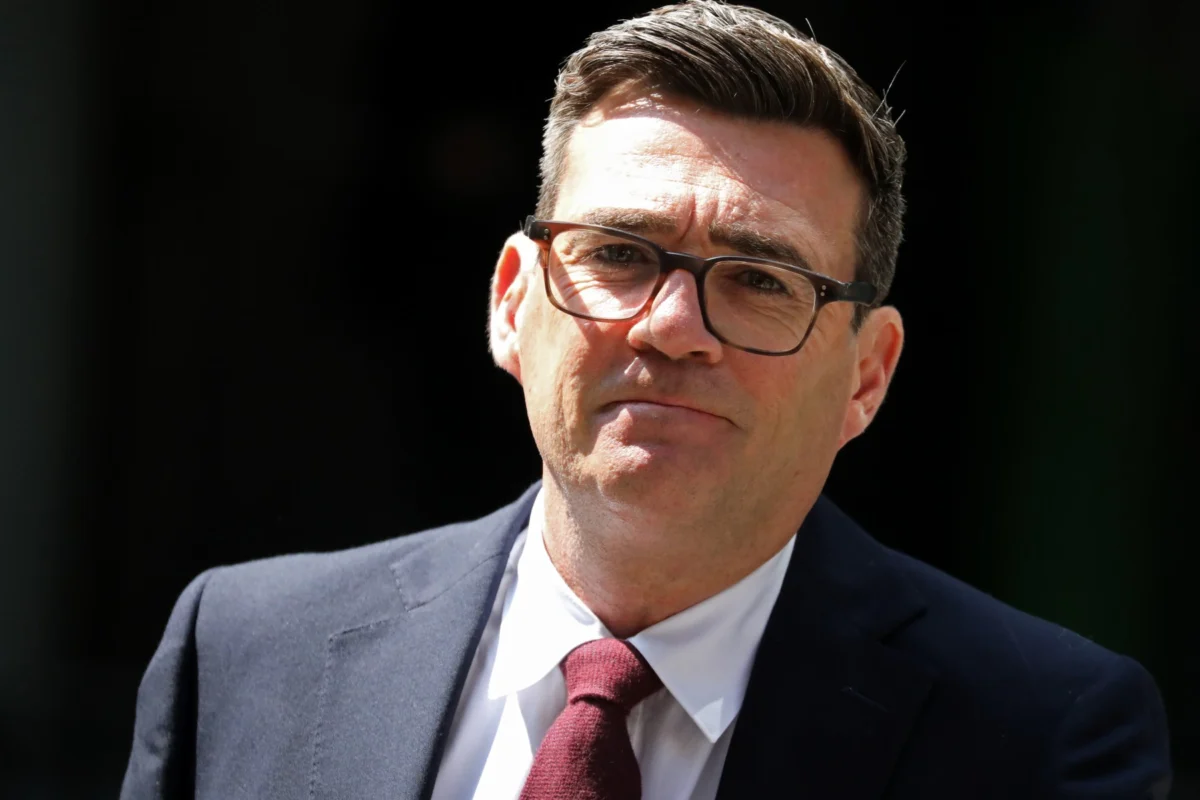
The United Kingdom’s beleaguered grassroots music sector, a foundational pillar of the nation’s cultural identity and global musical dominance, has been granted a significant lifeline. In a decisive policy shift aimed at reversing years of decline, Prime Minister Andy Burnham announced on Thursday, July 23, that a 20% reduction in business rates will be implemented for pubs, clubs, and independent music venues starting in April 2027.
The move, which arrives during a period of acute financial fragility for the sector, is being hailed as a "crucial first step" by industry advocates. However, as the dust settles on the announcement, the debate regarding the scale of the intervention and its long-term sufficiency has already begun in earnest.
The State of the Scene: A Sector in Peril
To understand the significance of the Prime Minister’s announcement, one must first confront the stark realities currently facing the U.K.’s live music ecosystem. For years, the "grassroots" layer—the small, often independent venues where artists cut their teeth before reaching stadium status—has been besieged by rising costs, post-pandemic debt, and the relentless pressure of urban gentrification.
Data from the Music Venue Trust (MVT) paints a harrowing picture. In a report published in January 2025, the organization revealed that 53% of all grassroots music venues were unable to turn a profit throughout the previous year. Even more concerning was the human cost: the sector saw a 19% contraction in its workforce, resulting in the loss of over 6,000 jobs. These spaces are not merely businesses; they are the incubators of talent. Without them, the pipeline that produced global icons such as Harry Styles, Coldplay, and Sam Fender would effectively dry up.
Chronology of a Policy Shift
The road to this announcement has been marked by mounting pressure from both the creative industries and the public.
- January 2025: The Music Venue Trust releases its annual report, highlighting the 53% profit-loss margin across the sector and calling for urgent government intervention to prevent mass closures.
- Late 2025 – Early 2026: Prominent artists, including global touring acts, begin a wave of voluntary ticket levies, pledging £1 from every ticket sold to grassroots support funds. This sets a precedent for the government’s own discussions regarding a mandatory arena levy.
- July 20, 2026: Andy Burnham, formerly the Mayor of Greater Manchester, is sworn in as Prime Minister following the resignation of Sir Keir Starmer. Burnham, known for his championing of northern cultural initiatives—including bringing the 2026 BRIT Awards to Manchester—signals an immediate focus on "community-level" economic recovery.
- July 23, 2026: Prime Minister Burnham formalizes the policy, announcing the 20% business rate cut scheduled for April 2027.
The Mechanics of the Relief
The policy addresses the "business rates" system, a tax levied on non-domestic properties in the U.K. based on the estimated market rental value of a property. For years, small venues have argued that the system is regressive, as it fails to account for the thin profit margins of live music performance compared to high-street retail.

According to Number 10 Downing Street, the average venue stands to save approximately £1,000 annually. Perhaps more interesting than the relief itself is the funding mechanism. The government intends to finance this tax cut by reviewing and potentially clawing back tax reliefs from businesses that are perceived to contribute little to local community cohesion—specifically citing vape shops and similar "low-social-value" commercial outlets.
Official Responses and Stakeholder Sentiment
The response from the industry has been one of cautious optimism, tempered by a desire for more comprehensive action.
The Music Venue Trust (MVT)
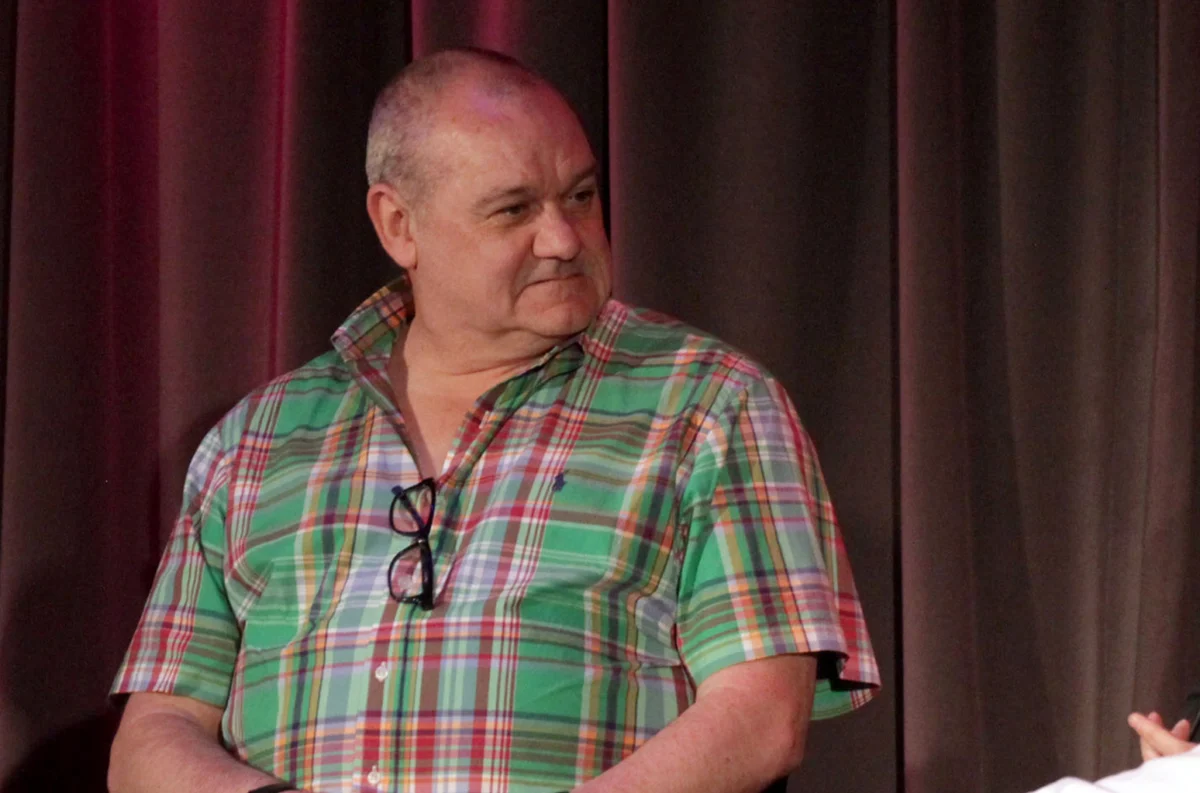
Mark Davyd, CEO of the MVT, offered a warm, albeit pragmatic, welcome to the news. "The 20% additional reduction on business rates from April 2027 is an encouraging first step," Davyd stated. However, he was quick to emphasize that the battle for the sector’s survival is far from over.
Davyd’s primary concern lies in the geographical scope of the policy. He has called upon the devolved governments—the Senedd in Wales, Holyrood in Scotland, and the Northern Ireland Assembly—to mirror this support through Barnett formula consequentials. "Live music is an ecosystem," Davyd noted. "Venues in Wales, Scotland, and Northern Ireland must be confident of a level playing field."
U.K. Music
Tom Kiehl, CEO of the industry trade body U.K. Music, expanded the scope of the conversation by advocating for the inclusion of recording studios. "We have lost—and continue to lose—far too many of these spaces, without which our industry simply wouldn’t exist," Kiehl argued. He urged the Prime Minister to broaden the definition of "essential music space" to include the facilities where the U.K.’s world-class music is actually produced.
The Hospitality Perspective
Celebrity chef and publican Tom Kerridge provided a grounded, if sobering, take on the announcement. While acknowledging the government’s improved "understanding" of the hospitality sector, he noted that a £1,000 annual saving is unlikely to be a silver bullet for a business struggling with soaring energy bills and inflation. "It shows the government is beginning to listen," Kerridge said in a BBC 5 Live interview, "but it doesn’t go far enough."
Economic and Cultural Implications
The decision to prioritize music venues is as much about local economic health as it is about culture. These venues often act as "anchor institutions" in towns and cities, driving foot traffic to surrounding bars, restaurants, and transport services.

By positioning the policy as a "pro-community" measure, Burnham is attempting to reframe the debate around the creative sector. His statement on X (formerly Twitter) was clear: "I won’t stand by while these cherished local spaces disappear, replaced by boarded-up windows and ‘For Sale’ signs. They’re the heart of our communities."
However, critics of the policy—or rather, those who argue it is insufficient—point out that the 2027 start date creates a significant "waiting gap." For venues currently on the brink of insolvency, 2027 may feel like a lifetime away. The government will likely face pressure in the coming months to provide "bridge" funding to ensure these venues survive long enough to benefit from the tax relief.
Looking Ahead: The Mandatory Levy Debate
While the business rate cut is a significant development, the conversation is already shifting toward the potential for a mandatory ticket levy on larger arena and stadium shows. Such a mechanism, if implemented, would represent a structural shift in how the U.K. music industry redistributes wealth from the top to the bottom.
The Labour government’s willingness to entertain this idea suggests that the current 20% rate cut is merely the opening chapter of a broader industrial strategy for the arts. Whether these measures will be enough to stem the tide of closures remains to be seen.
What is certain, however, is that the government has signaled a departure from the "hands-off" approach of previous administrations. By explicitly identifying the grassroots music scene as a vital national asset, Andy Burnham has set a benchmark for his premiership: the success of this policy will be measured not just in pounds and pence, but in how many stages remain open to host the next generation of British talent.
Conclusion: A Delicate Balance
The announcement of a 20% business rate cut for grassroots music venues marks a pivotal moment for the U.K. music industry. It acknowledges the fragility of an essential sector and demonstrates a political commitment to community-based cultural growth.
Yet, as industry leaders like Mark Davyd and Tom Kiehl have pointed out, the structural challenges—rising operational costs, the need for cross-border cooperation, and the specific needs of recording studios—require a multifaceted approach. The government has taken the first, crucial step; the success of the music scene in the years to come will depend on whether this becomes the foundation for a robust, long-term cultural strategy, or remains a singular, albeit welcome, gesture of support. As April 2027 approaches, all eyes will be on the Treasury and the Department for Culture to see if this promise translates into a vibrant, sustainable future for the heartbeat of British music.