In the rapidly evolving landscape of high-end portable audio, Noble Audio has solidified its reputation as a manufacturer that balances avant-garde technical design with a boutique, artisan aesthetic. From the entry-level accessibility of the Knight to the industry-defining technicality of the KRONOS and Onyx, the company has consistently occupied every corner of the audiophile market. The latest addition to their mid-fi stable, the Noble Audio Lu Ban, represents a unique fusion of tradition and innovation. Priced at $1,399, this universal in-ear monitor (IEM) arrives with the weight of expectation, aiming to bridge the gap between organic musicality and planar-driven precision.
The Genesis of the Lu Ban: A Technical Overview
Named after the legendary Chinese master carpenter and structural engineer, the Lu Ban is a product that emphasizes craftsmanship. Beneath its striking exterior, Noble Audio has implemented a sophisticated hybrid driver configuration. The architecture centers around a 10mm dynamic driver utilizing a specialized wooden composite diaphragm—a rarity in the modern IEM landscape—tasked with anchoring the low-end and midrange frequencies.
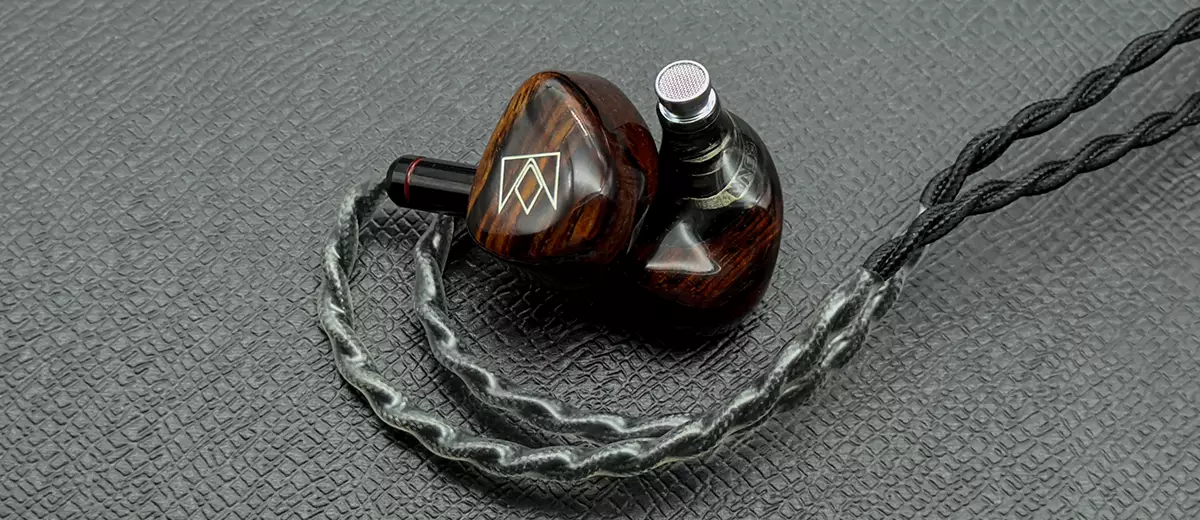
To provide the necessary resolution and high-frequency extension, Noble has integrated dual "Super-Magnetic" planar drivers. While the company has not released a granular frequency division chart, the interplay between the wooden composite dynamic driver and the planar units is designed to balance warmth with speed. Furthermore, the internal acoustic architecture features a proprietary "Mortise and Tenon" chamber, a clear nod to the namesake’s woodworking legacy, engineered specifically to manage internal driver resonance and phase coherence.
Technical Specifications
- Driver Configuration: 10mm wooden composite dynamic driver + Dual Super-Magnetic planar drivers.
- Impedance: 27Ω.
- Sensitivity: 108 dB SPL/mW.
- Connectivity: Standard 0.78mm 2-pin interface.
- Cable: Premium OCC silver-plated 4-wire balanced 4.4mm cable.
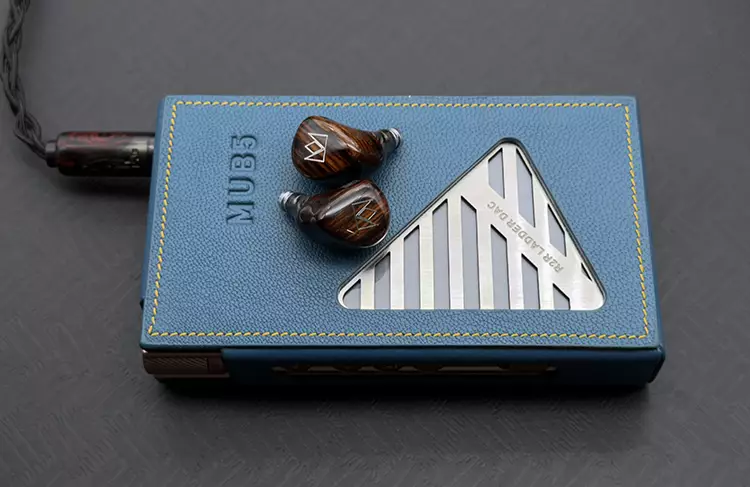
The Lu Ban is impressively efficient. With an impedance of 27Ω and a sensitivity of 108 dB, it is remarkably easy to drive, performing admirably even when paired with modest dongle DACs or mobile sources, though it scales gracefully with high-end digital audio players (DAPs).

Chronology: From CanJam Tease to Global Release
The Lu Ban was first introduced to the public during the CanJam Singapore event in early May, where it drew immediate attention for its aesthetic departure from standard metallic or resin-only shells. Following the positive reception in Singapore, Noble Audio moved to a full commercial release later that same month. By placing the Lu Ban in the mid-fi tier, Noble is positioning the unit as a "sweet spot" product—an IEM that offers the refined tuning of their flagship line at a price point that remains approachable for the dedicated enthusiast.
Design and Aesthetic Philosophy
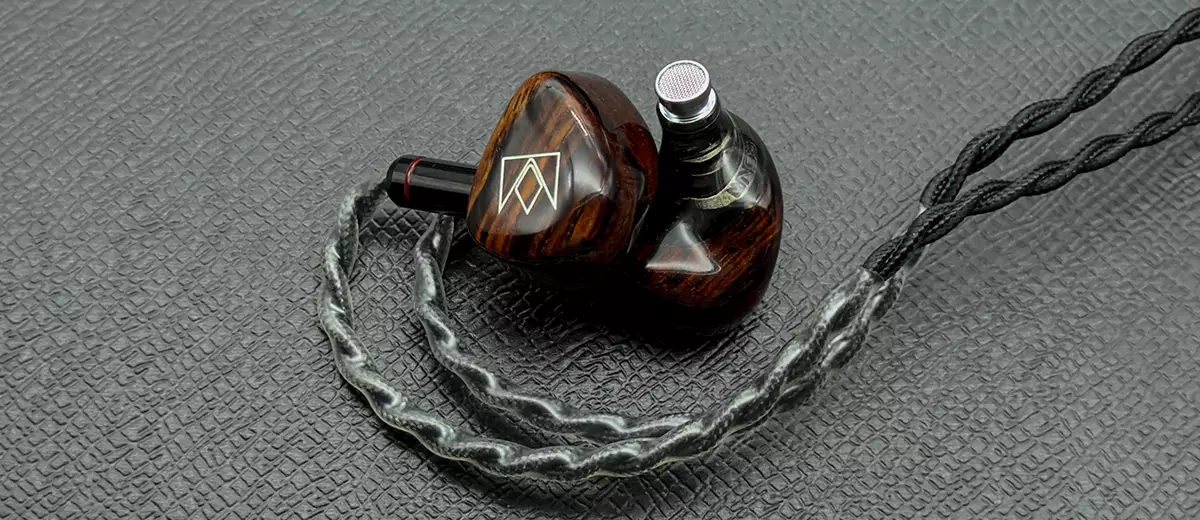
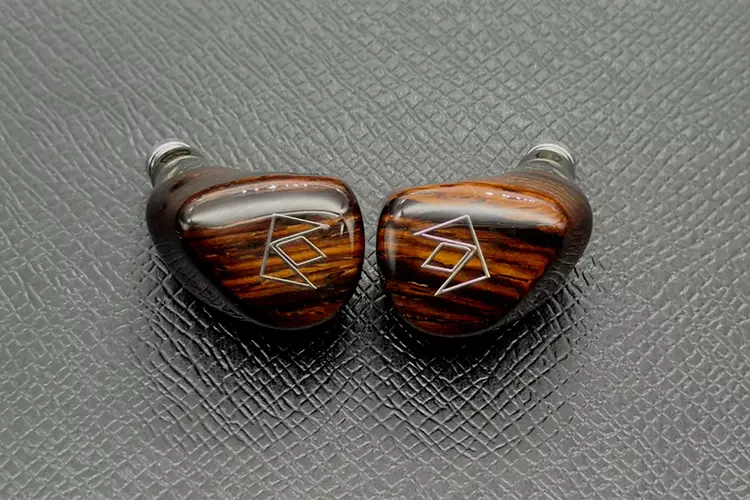
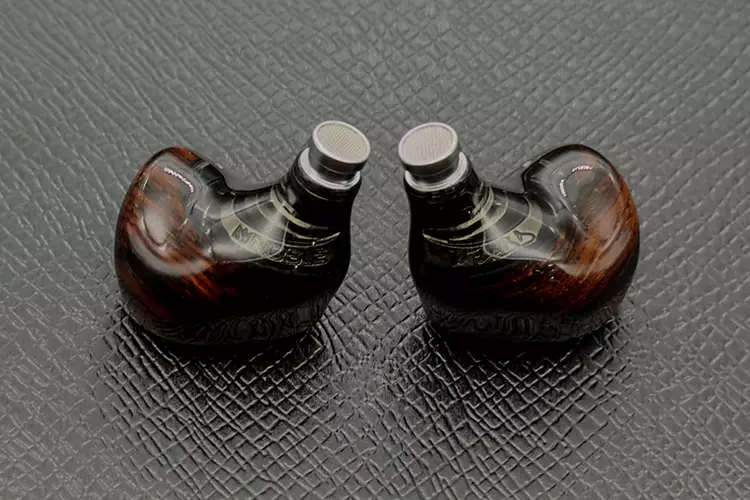
Noble Audio’s design language is arguably the most recognizable in the industry. The Lu Ban continues this trend by utilizing Cocobolo wood—a premium, dense hardwood prized for its deep, reddish-brown grain—integrated with precision 3D-printed resin.
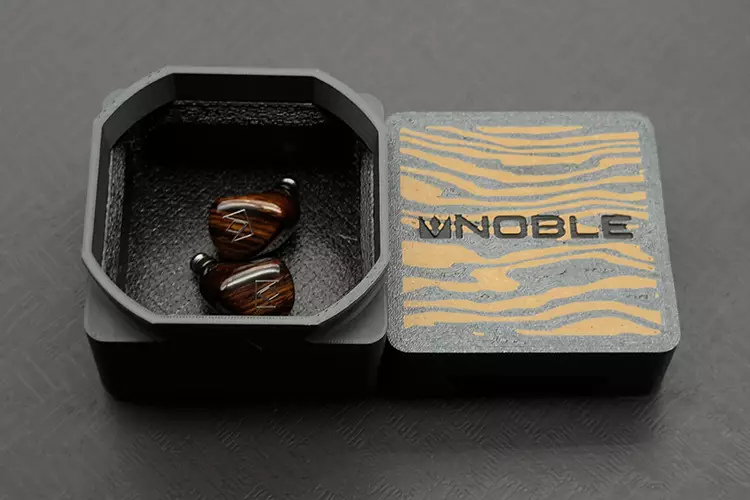
The inner housing is transparent, allowing for an unobstructed view of the internal acoustic chamber and driver layout. This design choice provides a "mechanical" aesthetic that complements the organic nature of the wood grain on the faceplate. The 0.78mm 2-pin connectors are recessed, ensuring a robust connection, while the overall ergonomics are surprisingly compact. Despite the inclusion of three drivers, the shells are smaller than the Noble Van Gogh, making them an ideal choice for long-term listening sessions without the fatigue often associated with heavier, bulkier IEMs.
The Ergonomic Experience
Comfort is a standout feature of the Lu Ban. The shells feature a tapered nozzle design that facilitates a deep, secure fit, providing excellent passive isolation. During extended testing—ranging from quiet office environments to urban walking—the Lu Ban maintained its seal consistently. The lack of driver flex is a testament to the build quality, and while the initial insertion creates a slight pressure increase, it stabilizes quickly.
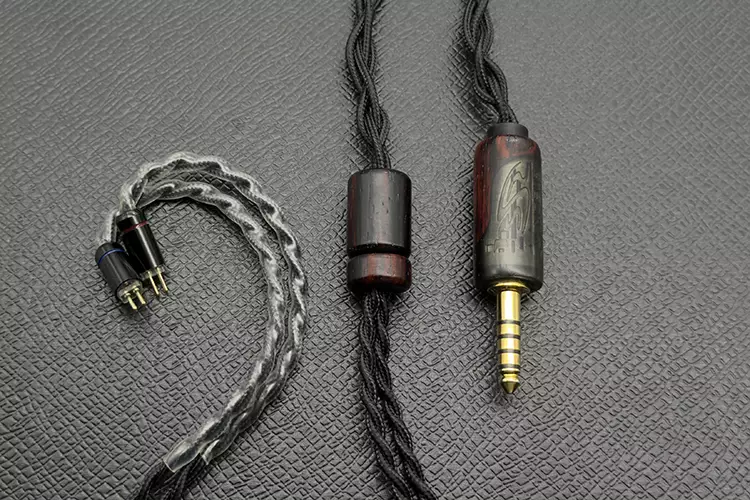
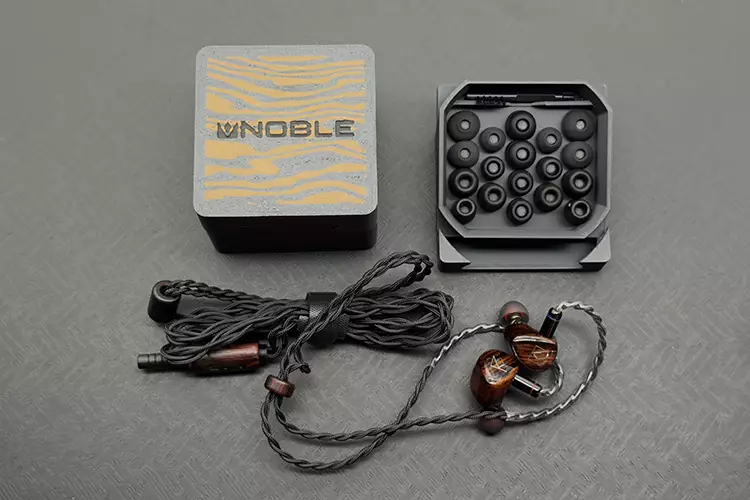
The stock cable is a highlight in its own right. Composed of OCC silver-plated wire, it is exceptionally lightweight and avoids the "microphonics" that plague many high-end stock cables. The hardware, including the 4.4mm plug and chin slider, is adorned with matching wood accents, reinforcing the artisanal theme.
Sound Impressions: A Deep Dive
The Lu Ban is not an IEM that seeks to impress with "V-shaped" artificiality or clinical, razor-sharp treble. Instead, it offers a mature, neutral-warm presentation that prioritizes musicality over raw technical analysis.
The Low-End Foundation
The bass response is the Lu Ban’s greatest strength. The wooden composite dynamic driver provides a sub-bass extension that is both felt and heard, with a mid-bass presence that avoids becoming muddy. There is an organic, almost tactile quality to the bass texture—a characteristic that distinguishes it from the more sterile, punchy bass of purely balanced-armature setups. It provides a "woody" resonance that pairs exceptionally well with acoustic genres, jazz, and soul.
Midrange and Vocal Integrity
The midrange is where the Lu Ban truly shines. Because the dynamic driver handles the lower mids, there is a natural weight to male and female vocals alike. The transition from the bass to the mids is seamless, with a rich, analog-like warmth that prevents the sound from becoming thin. This is not a "cold" analytical IEM; it is designed for those who enjoy the lush, expansive texture of a well-recorded live performance.
Treble Performance
The treble is deliberately relaxed. Those seeking the hyper-detailed, piercing highs found in some flagship planar monitors may find the Lu Ban’s treble "polite." However, this is a conscious tuning choice. By keeping the upper frequencies from becoming sibilant or overly sharp, Noble has ensured that the Lu Ban is a "fatigue-free" monitor. While it may lack the final bit of "air" at the absolute top end, it maintains enough sparkle to prevent the overall soundstage from feeling closed-in.
Supporting Data: Staging and Imaging
The soundstage of the Lu Ban is intimate yet holographic. It does not attempt to mimic the vast, cavernous soundstage of open-back headphones; rather, it provides a well-defined space where instruments are easily located. The layering is commendable, particularly for a mid-fi hybrid. Even in complex, multi-layered rock arrangements, the Lu Ban maintains structural integrity, though it may struggle slightly during extremely fast, dense electronic passages where the separation is pushed to its absolute limit.
Implications for the Market
The Noble Audio Lu Ban enters a crowded market segment, competing against established heavyweights like the THIEAUDIO Monarch MKIV and the Campfire Audio Grand Luna. However, the Lu Ban differentiates itself through its specific, "analog" sound signature.
For the listener who finds modern high-end audio too aggressive, clinical, or fatiguing, the Lu Ban offers a sanctuary. It is an IEM built for the listener who wants to "disappear" into their music collection for hours. By opting for a wooden composite driver, Noble has successfully experimented with the physical properties of natural materials to influence sound—a trend that may set a new benchmark for other manufacturers to follow.
Final Thoughts: A Recommendation
The Noble Audio Lu Ban is a sophisticated, beautifully crafted piece of hardware that prioritizes the listener’s long-term enjoyment. While it may not satisfy the "technicality-first" crowd who prioritize micro-detail above all else, it succeeds in creating a cohesive, musical, and physically comfortable experience.
It is an easy-to-drive, versatile monitor that rewards the listener with warmth, texture, and an organic timbre that is increasingly rare in today’s digital-first audio world. For those who value the "craft" in craftsmanship, the Lu Ban is a formidable contender and a proud entry into the Noble Audio catalog.
Disclaimer: This review is based on an honest assessment of the product provided for evaluation. Headfonics maintains editorial independence and has no affiliate status with Noble Audio.