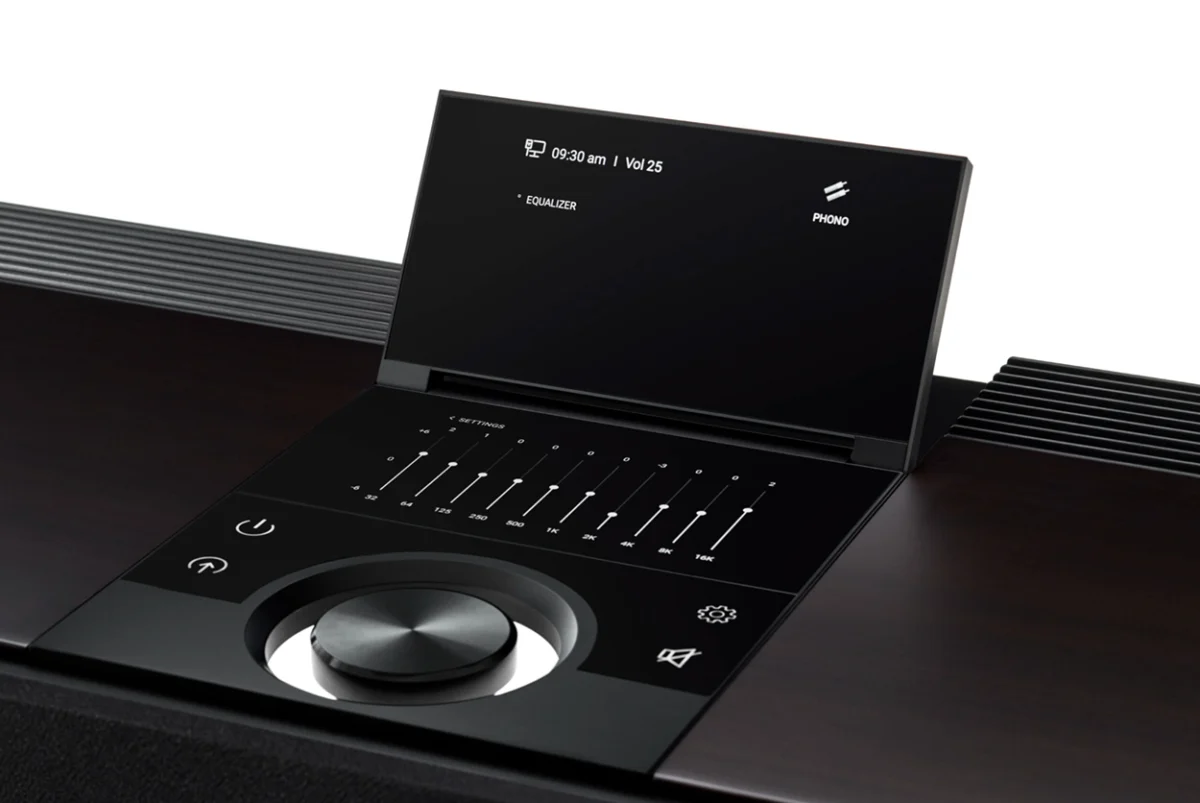
In an era defined by the fragmentation of consumer electronics, the high-end audio market has long stood as a bastion of the "separates" philosophy. For decades, the purist path to sonic nirvana has involved meticulously pairing individual amplifiers, pre-amplifiers, DACs, and floor-standing speakers. However, Swedish audio powerhouse Primare is challenging this orthodoxy with the release of the Allt-i-Ett (Swedish for "All-in-One").
Visually reminiscent of a high-performance soundbar but structurally engineered to rival traditional Hi-Fi, the Allt-i-Ett poses a provocative question: Does the modern listener still require a rack of cumbersome equipment to achieve audiophile-grade fidelity, or has the era of the integrated powerhouse finally arrived?
Main Facts: A Technical Overview
At its core, the Primare Allt-i-Ett is an ambitious attempt to consolidate a high-end audio chain into a single, elegant chassis. While its physical profile is slim, the internal architecture tells a different story.
The Engineering Backbone
The system is built around a robust, DSP-controlled Class D amplifier section capable of delivering a staggering 300W of peak power. This is not merely a "powered speaker"; it is a precision-tuned acoustic instrument. The driver array is particularly impressive, featuring a ten-driver configuration: six 4-inch woofers for authoritative low-end response, two 4-inch midrange drivers for critical vocal clarity, and two 0.75-inch waveguide-loaded tweeters designed to provide a wide, immersive soundstage.
Connectivity and Versatility
Primare has recognized that "all-in-one" does not mean "limited." The unit serves as a digital hub with an array of inputs that cater to both the streaming generation and the analog purist:
- Digital Connectivity: Includes HDMI eARC/CEC for seamless television integration, two Optical inputs, one Coaxial input, and a USB-A port capable of hosting up to 2TB of local music storage.
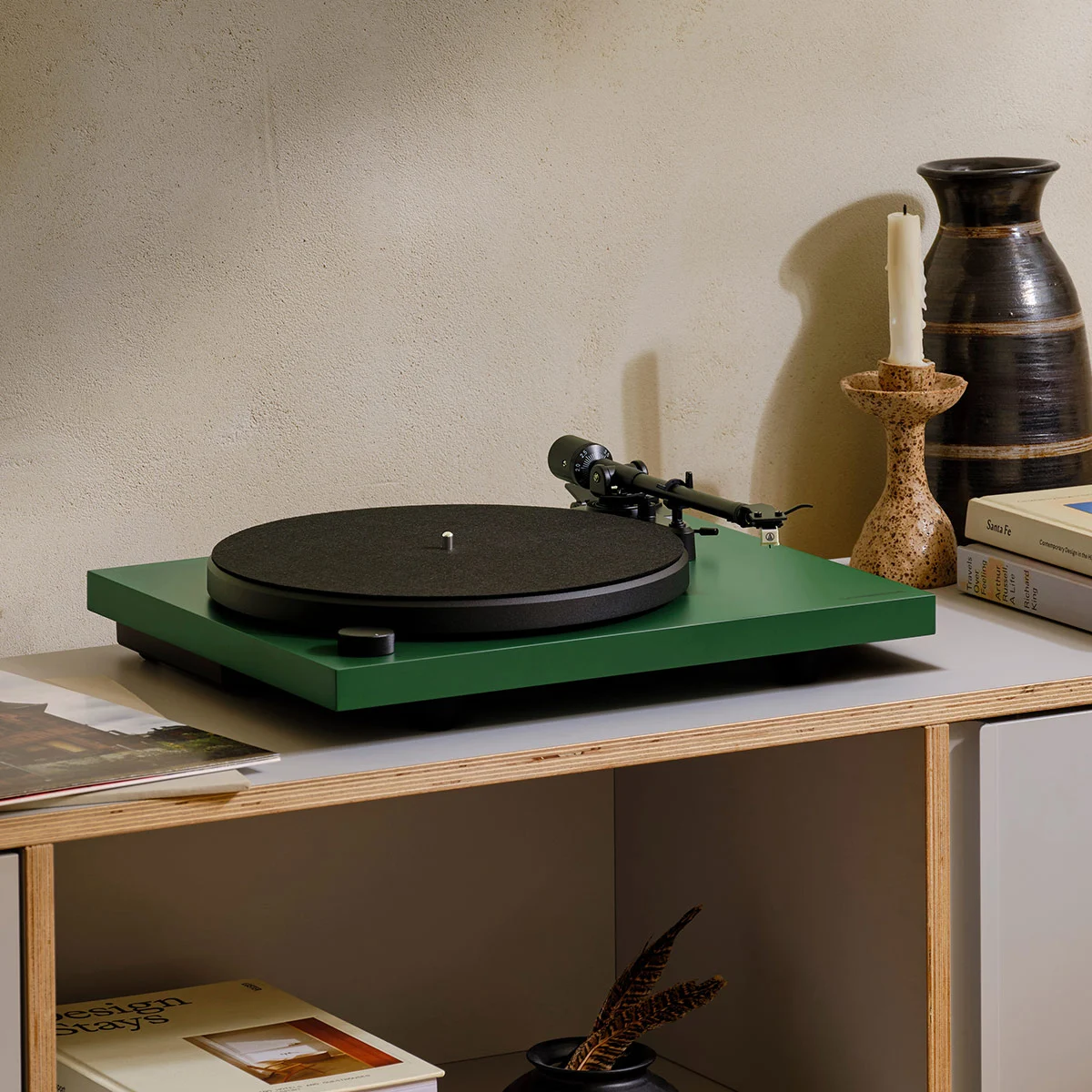
- Analog Connectivity: A dedicated stereo RCA input that is user-selectable between Line-in and MM (Moving Magnet) Phono, acknowledging the enduring resurgence of vinyl.
- Network & Wireless: The system supports high-resolution streaming via Wi-Fi and wired Ethernet, alongside Bluetooth for casual playback. It also includes an integrated FM tuner for traditional radio enthusiasts.
Chronology: The Evolution of the All-in-One Concept
The journey toward the Allt-i-Ett did not happen overnight. It is the culmination of Primare’s multi-year effort to refine Class D amplification and digital signal processing.

- Phase One: Research and Development: Primare’s design team began by identifying a growing demographic: the "lifestyle audiophile." These are listeners who demand the resolution of high-end equipment but occupy living spaces—apartments, offices, or modern minimalist homes—where bulky component stacks are physically or aesthetically unwelcome.
- Phase Two: Prototype Acoustic Modeling: Engineers spent months testing various driver geometries to overcome the "soundbar effect," where audio feels confined to the width of the device. The development of the proprietary spatial audio feature was the breakthrough moment, allowing the unit to project a sound field far wider than its physical footprint.
- Phase Three: Field Testing and Room EQ: The final stage of development focused on the Room EQ feature. Recognizing that most users will not have perfect acoustic environments, Primare implemented a sophisticated, proprietary room-correction algorithm that recalibrates the DSP to compensate for the reflective surfaces and irregular dimensions of the average living room.
Supporting Data: Performance Under Pressure
In rigorous testing, the Allt-i-Ett performs with a level of authority that defies its form factor. The transition from the low-end woofers to the midrange drivers is remarkably seamless, a hallmark of Primare’s DSP expertise.
Sonic Performance
- Bass Response: The six-woofer array provides a tight, punchy low end that does not suffer from the "boomy" artificiality common in smaller all-in-one systems.
- Imaging and Soundstage: Thanks to the waveguide tweeters, the system creates a surprisingly stable center image. When engaging the spatial audio mode, the soundstage expands significantly, giving the impression of separate speakers placed several feet apart.
- High-Frequency Detail: The clarity in the top end is airy and non-fatiguing, likely a result of the high-quality DACs employed within the unit.
User Experience
The interface is designed for simplicity without sacrificing control. The inclusion of an HDMI eARC port is a masterstroke, allowing the Allt-i-Ett to function as an unparalleled upgrade for television audio while maintaining its status as a dedicated music system. The ability to connect a turntable via the internal MM phono stage effectively eliminates the need for an external phono pre-amplifier, further cementing the "one-box" philosophy.
Official Responses and Design Philosophy
In discussions regarding the release, Primare representatives have emphasized that the Allt-i-Ett is not intended to replace their flagship reference components. Instead, it is an entry point into the "Primare Sound" for a new generation of listeners.
"We didn’t want to make another soundbar," a lead designer noted during a private briefing. "We wanted to make a music system that happens to be housed in a single chassis. The challenge was maintaining the thermal efficiency of the 300W amplifier while ensuring the DSP could manage the acoustic load of ten individual drivers without distortion."
The design language reflects this, opting for a clean, Scandinavian aesthetic that prioritizes durability and understated elegance. The internal layout is modular, allowing for easier serviceability—a rare feature in the world of integrated consumer audio.
Implications: The Future of High-End Audio
The arrival of the Allt-i-Ett signals a tectonic shift in how we perceive "high-end" equipment. For decades, the industry has operated under the assumption that size equals quality. Primare is proving that with advanced DSP, high-efficiency amplification, and modern driver materials, that assumption is becoming increasingly obsolete.

The End of the Component Era?
While traditionalists will always prefer the ability to mix and match brands, the Allt-i-Ett provides a compelling alternative. It eliminates the "cable spaghetti" that plagues many high-end systems and removes the risk of mismatched impedances or sensitivity issues between components. For the modern consumer, the value proposition is clear: you are paying for a pre-optimized system where the engineering has been done for you.
What This Means for the Market
If the Allt-i-Ett proves successful, we can expect a wave of "premium integrated systems" from other legacy Hi-Fi brands. This could lead to a democratization of high-end audio, where the barriers to entry—both in terms of price and technical knowledge—are significantly lowered.
However, the product also highlights the ongoing importance of the room itself. By including a proprietary EQ, Primare acknowledges that the most expensive system in the world is only as good as its interaction with the space it occupies. The shift toward digital-first, DSP-heavy systems means that future audiophiles will likely spend less time worrying about copper cabling and more time engaging with software-based acoustic optimization.
Conclusion
The Primare Allt-i-Ett is more than just a piece of hardware; it is a statement of intent. It proves that the "one-box" system has finally graduated from the realm of compromise and entered the realm of true high-fidelity. For the listener who values both aesthetic purity and sonic excellence, the Allt-i-Ett is not just a viable option—it is a compelling, potentially disruptive new standard.
As we look toward the future of home audio, the Allt-i-Ett serves as a reminder that innovation is not always about adding more components; sometimes, it is about perfecting the ones you already have. For those curious to see how this measures up against a traditional reference setup, stay tuned for a deep-dive comparison in our upcoming feature on the SECRETS website.