Beyond the legendary 1972 Deep Purple live album, the phrase "Made in Japan" once served as the global gold standard for consumer electronics. In an era of rapid globalization and outsourced manufacturing, the question arises: Does the label still carry the same weight, or has it become a relic of a bygone industrial epoch?
A recent excursion to the heart of Japan’s high-fidelity manufacturing sector reveals that the answer is not merely a nostalgic "yes"—it is a definitive, resounding statement of evolution. While the sheer volume of mass-market electronics manufactured domestically in Japan has shifted, the country’s high-end audio sector has doubled down on an ethos of fanatical craftsmanship, acoustic precision, and a cultural obsession with musical fidelity that remains unmatched globally.
The Evolution of Craft: Why Japan Still Leads
For the audiophile community, "Made in Japan" is no longer about sheer output; it is about the "Sound Master"—the human element that technology cannot replace. During a recent press junket following the AXPONA exhibition, a deep dive into the Denon and Marantz production ecosystems provided a rare window into this reality.
The modern Japanese approach to hi-fi is defined by a paradoxical blend of heritage and hyper-modernity. While the production lines utilize state-of-the-art robotics for consistency, the critical listening stages—the "tuning" of a component—remain deeply rooted in human intuition. This is where the Japanese philosophy of monozukuri (the art of making things) truly shines. It is not just about meeting technical specifications; it is about the emotional resonance of the playback.

Chronology of a Visit: Inside the Shirakawa and Kawasaki Facilities
The journey began in the industrial hubs of Kawasaki and Shirakawa, the twin pillars of Denon and Marantz’s high-end development. These facilities are not merely factories; they are laboratories of sound.
The Kawasaki Development Hub
Our visit to the Kawasaki facility focused on the "brain" of the operation. This is where the engineering staff orchestrate the initial design phases. We observed the meticulous CAD modeling, the iterative prototyping of circuit boards, and the rigorous testing of power supplies. The atmosphere here is one of quiet intensity. Engineers treat circuit boards not as mere utility, but as musical instruments, analyzing how the layout of a capacitor or the shielding of a transformer impacts the final output.
The Shirakawa Audio Works
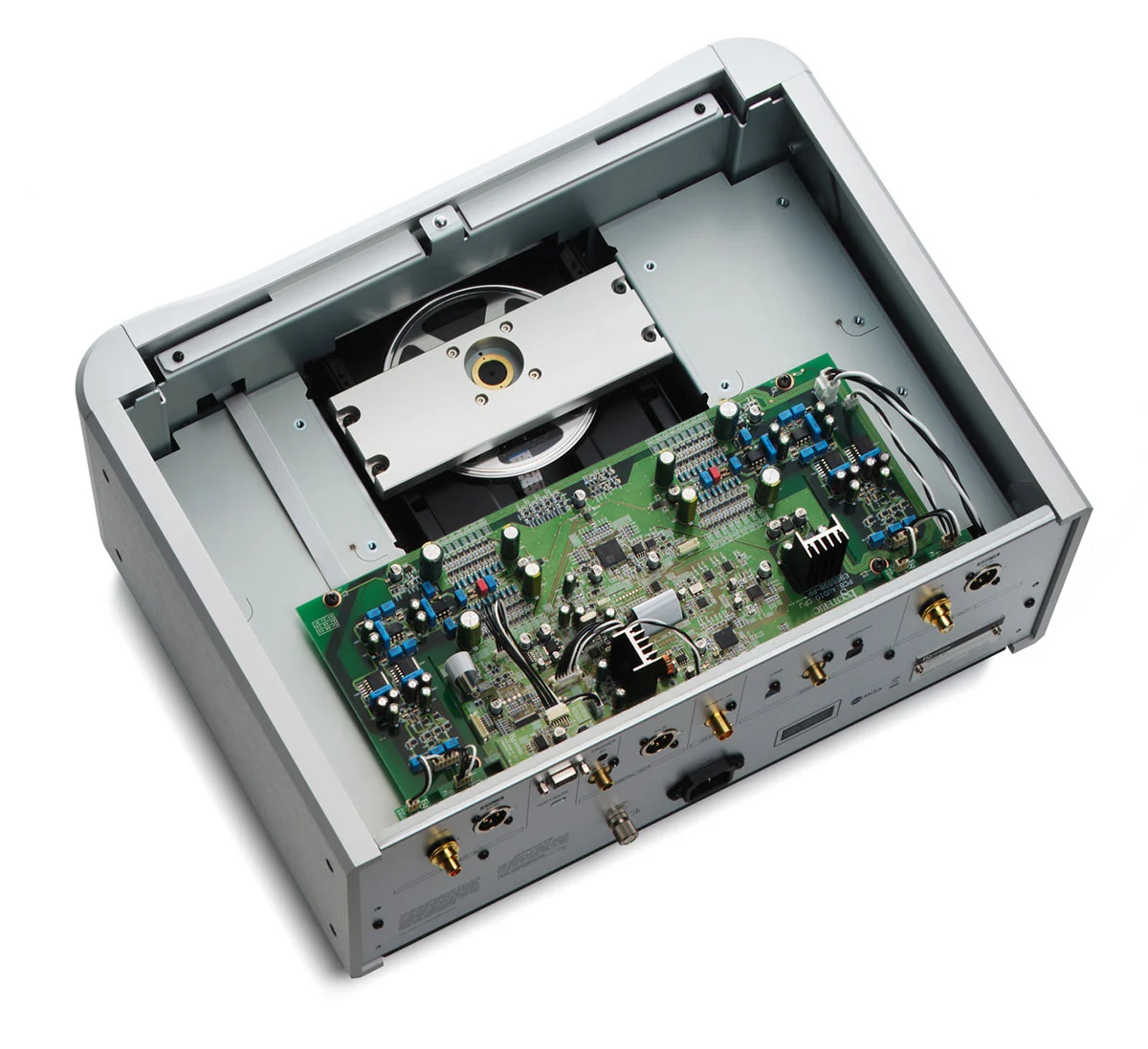
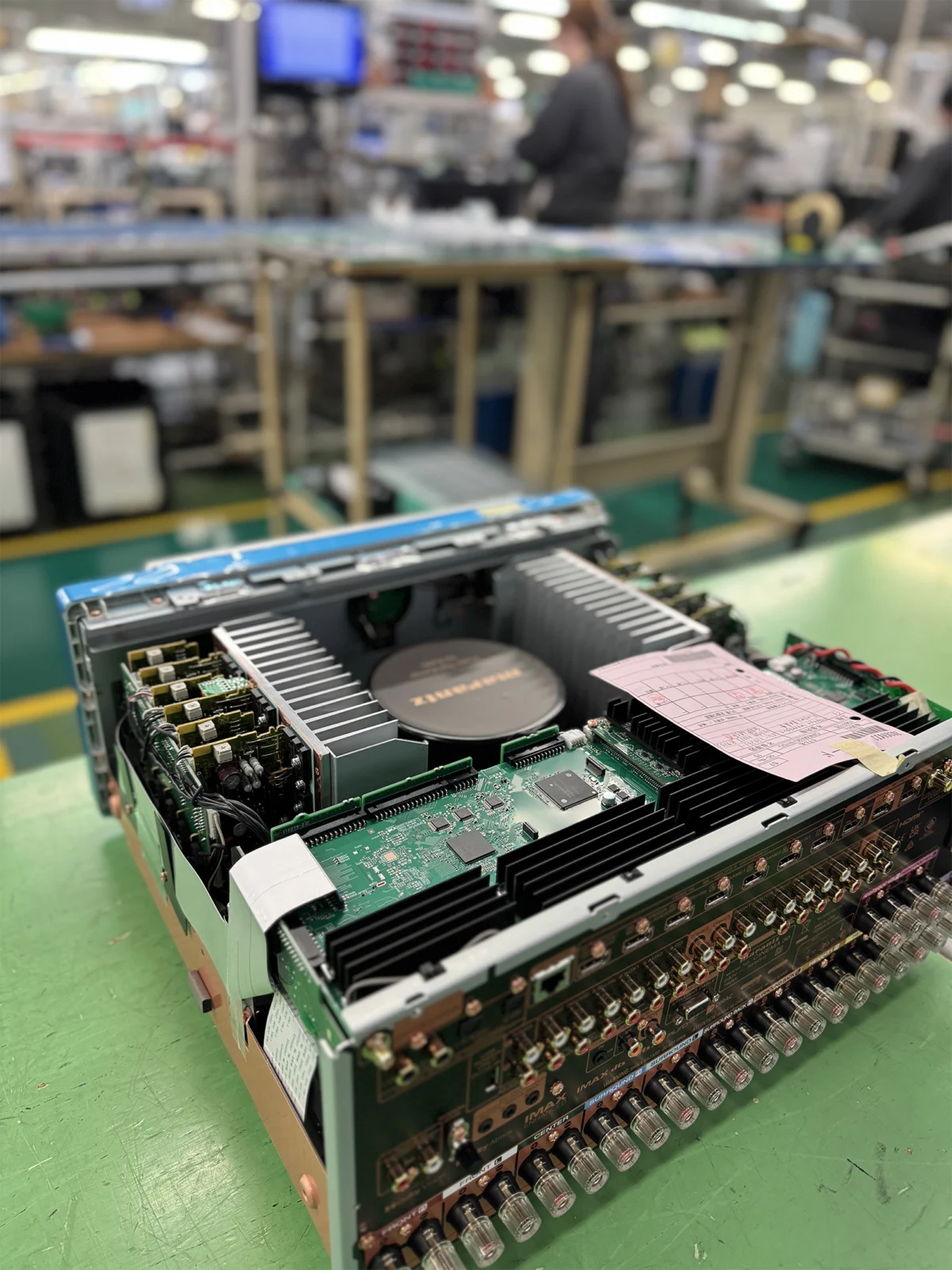
If Kawasaki is the brain, the Shirakawa Audio Works is the soul. Located in a region known for its pristine environmental conditions, this facility is dedicated to the final assembly and quality control of flagship components. The tour allowed us to witness the assembly of high-end amplifiers and SACD players—devices that retail for the price of a small car. The level of human intervention is staggering. Every solder point is inspected, and every chassis is checked for the micro-vibrations that could potentially color the sound.
Supporting Data: The Anatomy of Quality
To understand why Japanese manufacturing continues to command a premium, one must look at the data points of production.

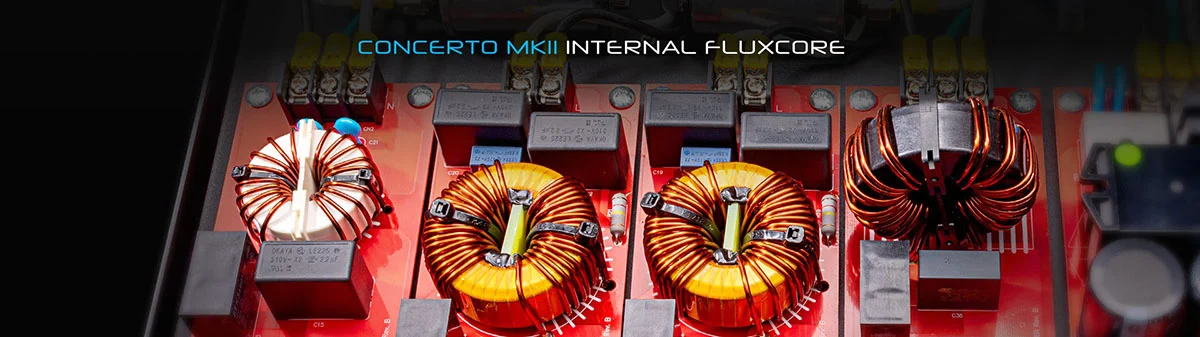
- Component Selection: At the Shirakawa facility, engineers do not simply source off-the-shelf capacitors. They collaborate with suppliers to create proprietary, custom-spec components that are tested for their unique sonic signatures.
- The Sound Master Calibration: Every high-end product undergoes a "Golden Ear" test. The Sound Master—a title reserved for the most experienced acoustic engineers—listens to the prototype under controlled conditions. This calibration process can take months, with minor tweaks made to the internal circuitry to achieve the desired tonal balance.
- Longevity and Sustainability: A key factor in the Japanese hi-fi market is the "serviceability" index. These products are designed to last decades, not years. The use of high-grade, durable materials ensures that the internal components do not degrade under thermal stress, a direct result of Japan’s rigorous heat-dissipation testing protocols.
Official Perspectives: The Philosophy of the Sound Masters
During our interviews with the key engineering staff, a common theme emerged: the pursuit of "truth" in audio. The Sound Masters of Denon and Marantz expressed that their goal is to provide a "transparent window" into the recording studio.
One senior engineer noted, "When we build a piece of equipment, we are not just building a machine to amplify a signal. We are building a conduit for an artist’s intent. If the circuit introduces even a hint of artificial coloration, we have failed. The Japanese spirit of manufacturing is not about showing off the tech; it is about the tech disappearing entirely."
This philosophy explains the design language of their flagship gear: minimalist, robust, and functional. It is a stark contrast to the trend of over-engineered, flashy aesthetic choices seen in many other regions.
Implications for the Global Hi-Fi Market
The implications of this dedication to "Made in Japan" are significant for the future of the industry. As the world moves toward streaming and software-defined audio, the physical hardware is being forced to justify its existence.

The Preservation of Analog Excellence
By maintaining production in Japan, these companies are preserving a workforce of highly skilled technicians who understand the nuances of analog circuit design. This expertise is being passed down to a younger generation, ensuring that the "art of the circuit" does not die out.
The "Premiumization" of Consumer Choice
The market has reached a bifurcation point. On one hand, mass-market audio is becoming increasingly commoditized and disposable. On the other, the "Made in Japan" label is becoming a symbol of sustainable luxury. Audiophiles are increasingly willing to pay a premium not just for the specs, but for the assurance that the product was crafted with a level of oversight that is simply not feasible in high-volume, low-cost assembly lines.
A Beacon for Quality Control
The Shirakawa facility serves as a benchmark for the rest of the industry. When competitors see the success of Denon and Marantz’s "Master-tuned" approach, it forces a broader rise in quality standards across the board. The Japanese commitment to excellence is essentially raising the floor for high-end audio globally.
Conclusion: A Living Legacy
My return to Japan two years after my last visit confirmed a long-held suspicion: the "Made in Japan" label is evolving into a mark of artisanal integrity. In a world of fleeting trends, the Japanese approach to high-fidelity audio remains a bastion of patience and precision.

The video documenting our visit to the Shirakawa Audio Works captures only a fraction of the intensity, but it serves as a testament to what is possible when a culture fuses its historical dedication to craft with the cutting edge of modern engineering. As long as there are ears to listen and hearts that are moved by the perfect reproduction of a symphony or a guitar riff, the workshops of Japan will continue to be the heartbeat of the hi-fi world.
The spirit of "Made in Japan" is not just alive; it is thriving, refined, and more relevant than it has ever been.