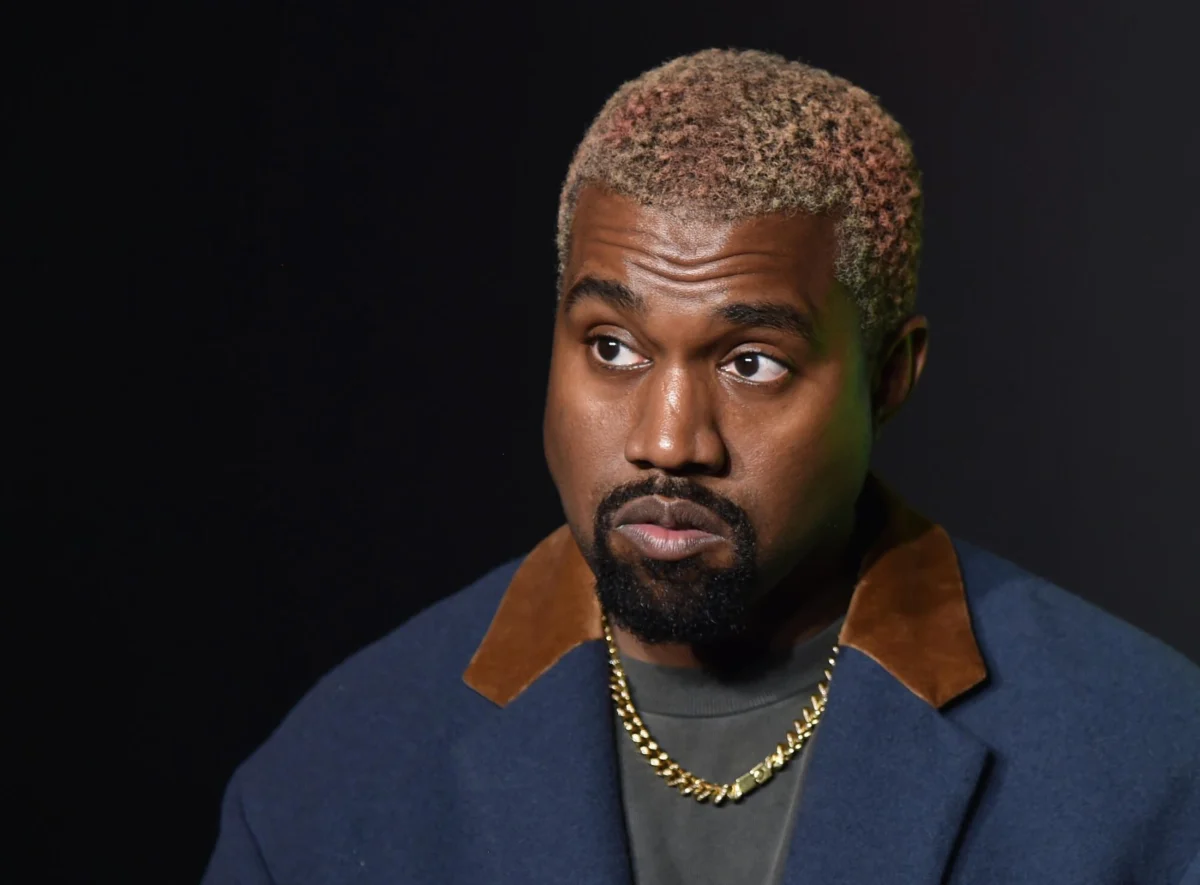
The London music landscape was left reeling earlier this year when the flagship event of the summer, Wireless Festival, was forced into an indefinite hiatus following a storm of controversy surrounding its headline booking. The decision to tap Ye, the artist formerly known as Kanye West, for a three-night residency served as a flashpoint for a larger societal debate regarding artistic platforming, corporate social responsibility, and the boundaries of forgiveness in the modern age.
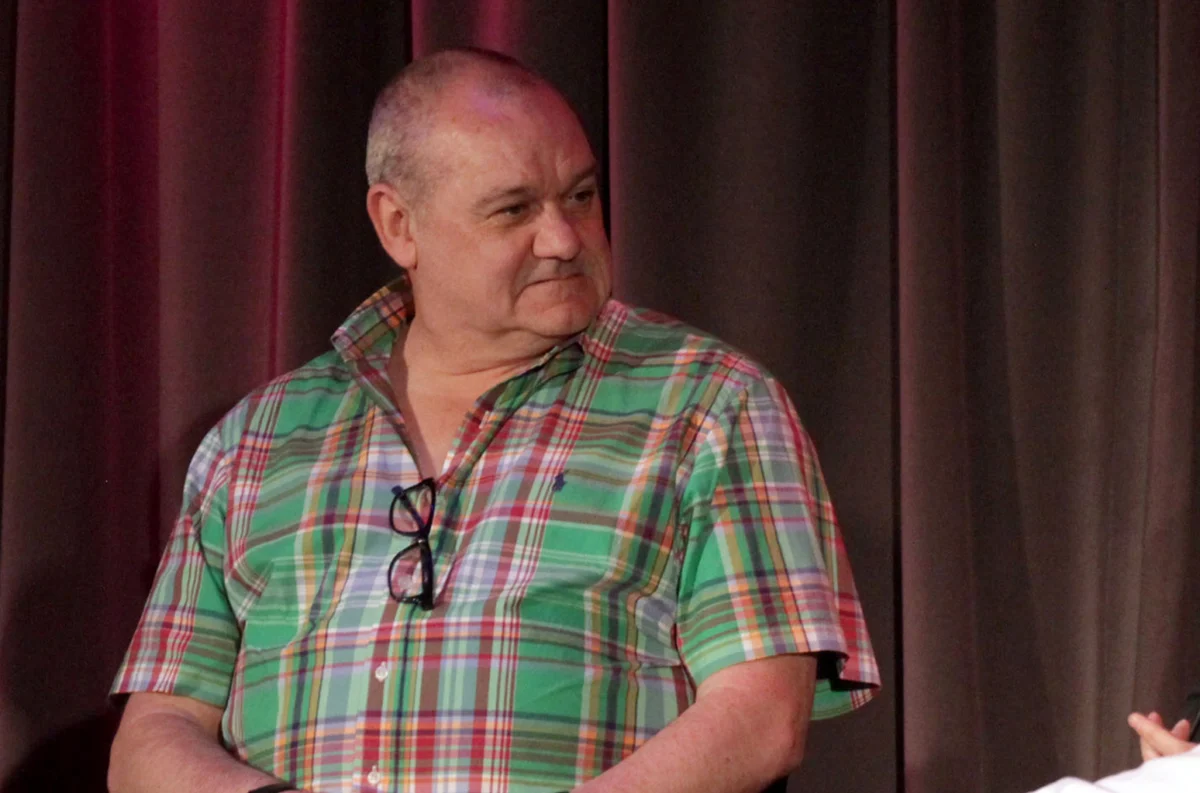
Melvin Benn, the veteran managing director of Festival Republic, has finally broken his silence on the ordeal. In a candid interview published this week, Benn navigated the wreckage of a project that was once slated to be the highlight of the British festival season, offering insights into the logistical, ethical, and reputational lessons learned from the collapse.
The Chronology of a Failed Booking
The sequence of events that led to the cancellation of Wireless Festival 2026 was rapid and relentless, reflecting the high-stakes environment of international touring and festival management.
- March 2026: Festival Republic announces Ye as the exclusive headline act for all three nights of the London-based Wireless Festival, scheduled for July 10–12.
- Late March 2026: The announcement triggers an immediate and intense public outcry. Jewish advocacy groups and London Mayor Sadiq Khan publicly condemn the booking, citing Ye’s history of documented antisemitic rhetoric.
- Early April 2026: A corporate exodus begins. Major sponsors—including Pepsi, Rockstar Energy, Diageo, and PayPal—withdraw their financial backing, citing misalignment with their corporate values.
- April 7, 2026: The British government intervenes. The Home Office officially denies Ye entry into the United Kingdom, citing his past comments as not "conducive to the public good."
- Mid-April 2026: Facing the loss of its headline act, the withdrawal of its primary sponsors, and insurmountable logistical hurdles, Festival Republic officially cancels the 2026 edition of Wireless.
The Ethical Dilemma: Accountability vs. Forgiveness
At the heart of the controversy was Melvin Benn’s philosophical defense of the booking. Long before the cancellation, Benn had argued that the music industry should act as a space for redemption. In an April statement that polarized public opinion, he urged critics to consider the "lost virtue" of forgiveness.
"Forgiveness and giving people a second chance are becoming a lost virtue in this ever-increasing divisive world," Benn stated at the time. "I would ask people to reflect on their instant comments of disgust… and offer some forgiveness and hope to him as I have decided to do."
However, in his recent interview with NME, Benn’s tone shifted from philosophical defense to pragmatic reflection. While he maintained that his personal belief in human redemption remains intact, he conceded that the "timing" of the booking was a critical miscalculation. He acknowledged that while he remains a proponent of giving individuals a path back to public grace, he underestimated the speed and intensity with which stakeholders would respond to the association.
Supporting Data: The Cost of Controversy
The cancellation of Wireless 2026 was not merely a loss of a concert; it was a significant financial and cultural blow to the London events sector. Wireless Festival is traditionally a major economic driver for the city, attracting tens of thousands of international tourists and generating substantial revenue for local transport, hospitality, and retail sectors.
The withdrawal of sponsors like Pepsi and PayPal highlights the increasing influence of "brand safety" in the music industry. In the past, festival organizers were afforded a degree of autonomy regarding their lineups. Today, the interconnected nature of global capital means that a single controversial booking can trigger a domino effect, resulting in the withdrawal of essential funding.
Furthermore, the government’s involvement marked a rare and stringent use of immigration policy to influence cultural programming. By invoking the "public good" clause to deny an Electronic Travel Authorization (ETA), the Home Office set a precedent that high-profile artists with histories of hate speech may find their global touring capabilities severely restricted, regardless of their artistic stature.

Official Responses and Stakeholder Fallout
One of the most damaging aspects of the scandal was the revelation regarding internal consultation. Benn claimed that he had consulted with multiple stakeholders prior to the announcement of the lineup, asserting that "no concerns had been raised at the time." This claim suggests a disconnect between the decision-makers at Festival Republic and the broader cultural pulse of the U.K. public.
Jewish organizations, including the Campaign Against Antisemitism, had been vocal in their opposition from the moment the rumors of the booking began. Their stance was clear: platforming an artist who has repeatedly engaged in antisemitic tropes—even after a purported apology—normalizes hate speech under the guise of "artistic expression."
For his part, Ye has remained characteristically erratic in his public responses. Following a January apology published in The Wall Street Journal—in which he attributed his behavior to a brain injury—he pivoted to the release of his album Bully. The album’s commercial success, peaking at No. 2 on the Billboard 200, and his sold-out shows in Los Angeles suggest that his core fanbase remains unmoved by the controversies that derailed his European tour.
The Future of Wireless Festival
Despite the severity of the 2026 collapse, Melvin Benn remains resolute about the future of the brand. When asked if the festival would return, his response was unequivocal: "Wireless will return. We’re very confident about that."
The path forward for Wireless, however, will likely be defined by a more rigorous vetting process. The "lesson of timing" that Benn referenced is interpreted by industry analysts as a signal that festival organizers will be significantly more cautious about booking artists with recent, high-profile histories of inflammatory speech. The era of "shock value" headliners appears to be waning as festivals prioritize long-term sustainability and brand alignment over the short-term ticket sales generated by polarizing figures.
Implications for the Live Music Industry
The Wireless Festival saga serves as a case study for the evolving relationship between art and accountability. The music industry is currently grappling with a fundamental question: Should a promoter’s job be limited to providing entertainment, or do they hold a moral responsibility to curate the values of the artists they platform?
As the industry moves toward 2027 and beyond, the implications of this incident are clear:
- Vetting and Due Diligence: Promoters are increasingly utilizing external consultants to assess the reputational risk associated with major acts.
- Sponsorship Clauses: Future festival contracts will likely include "morality clauses" that allow sponsors to pull funding if an artist’s public behavior deviates from agreed-upon standards.
- The Role of Government: The Home Office’s intervention signals that the U.K. is increasingly willing to use visa regulations as a tool of soft power, effectively policing the cultural content entering the country.
Melvin Benn’s reflection that "forgiveness is an important part of being a decent human being" provides a poignant conclusion to the debacle. It highlights the tension between the idealistic desire for human growth and the cold, hard realities of the modern media landscape. While the music industry continues to debate where the line should be drawn, the silence left by the absence of Wireless Festival this summer serves as a sobering reminder that actions—both the artist’s and the promoter’s—carry profound consequences in an increasingly connected and critical world.
As the industry turns its attention to the next cycle of festival bookings, the legacy of the "Ye controversy" will surely remain a shadow over the decision-making process. The hope for many is that the return of Wireless will be marked by a renewed commitment to the inclusive, vibrant, and celebratory spirit that originally made it one of London’s most anticipated events.