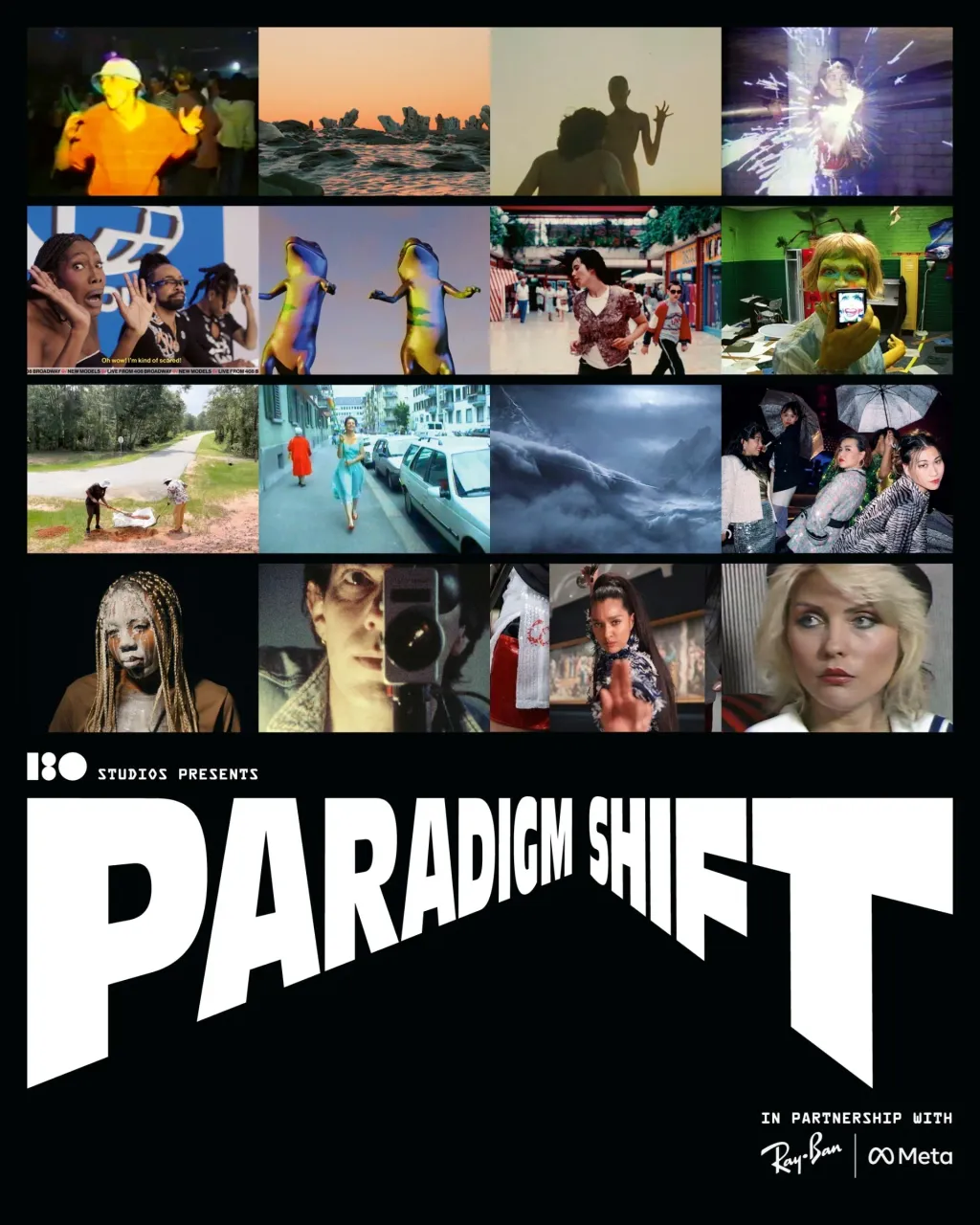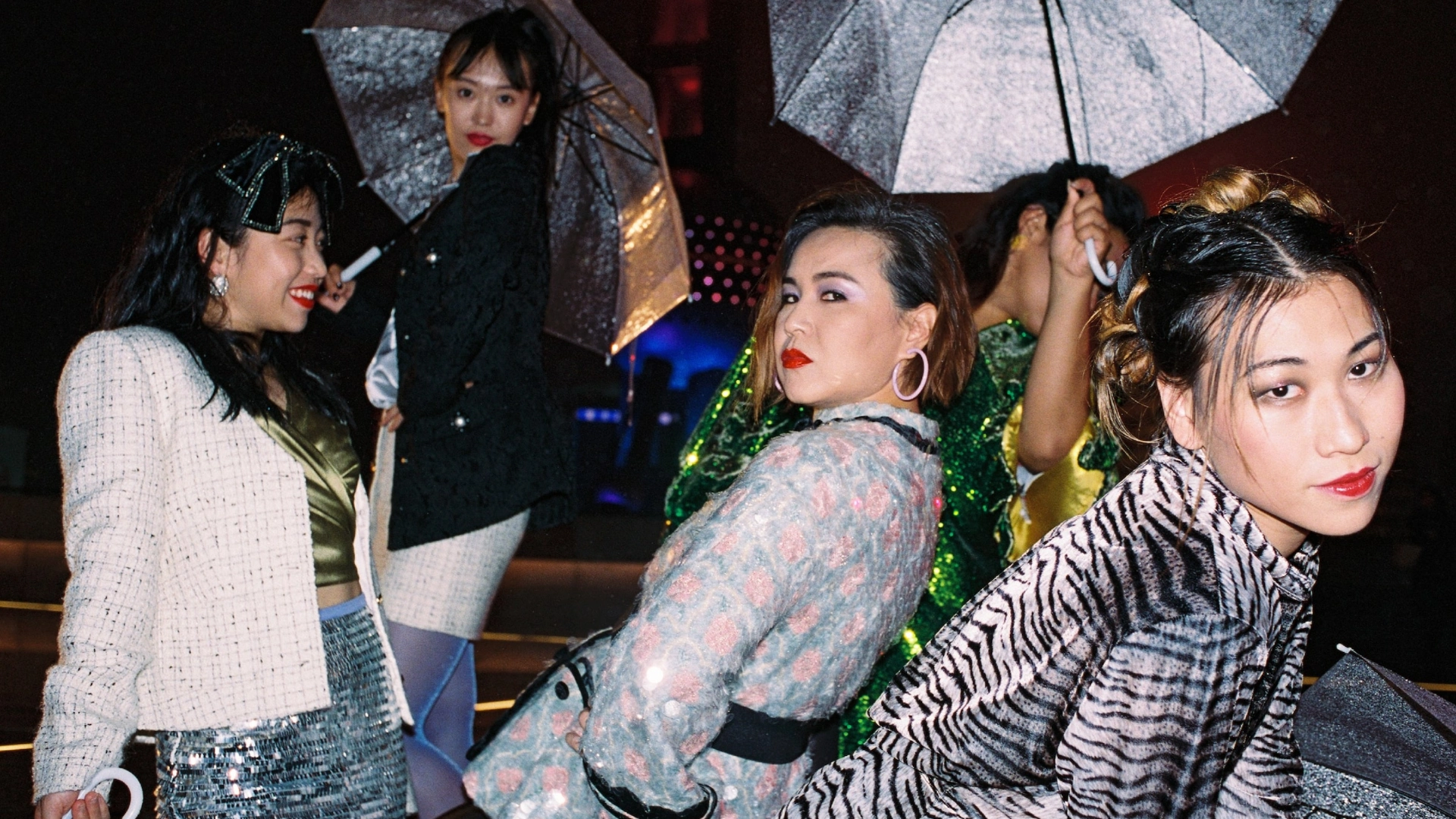
London’s 180 Studios, a space synonymous with the intersection of high-concept art and immersive technology, has unveiled its latest landmark exhibition: Paradigm Shift. Opening its doors on Wednesday, 15 October 2025, the exhibition serves as an ambitious cartography of the moving image, tracing the medium’s evolution from the gritty, analog experimentation of the 1970s to the hyper-connected, algorithmic realities of the current digital age.
Occupying the vast, subterranean architectural labyrinth beneath 180 The Strand, Paradigm Shift is not merely an exhibition; it is an sensory deep-dive into the ways we consume, create, and interact with narratives. By blending avant-garde cinema, music video culture, high fashion, gaming, and the volatile pulse of the internet, the curators have created a dialogue between historical icons and contemporary visionaries.
The Core Vision: Mapping a Visual Revolution
Curated by Mark Wadhwa and Dazed co-founder and CEO Jefferson Hack, Paradigm Shift is designed to challenge the traditional boundaries of the gallery space. The exhibition features a formidable lineup of artists whose work has historically challenged the status quo: Sophia Al-Maria, Meriem Bennani, Dara Birnbaum, Foday Dumbuya, Cao Fei, Tremaine Emory, Nan Goldin, Arthur Jafa, Derek Jarman, Julianknxx, Andy Warhol, Joséfa Ntjam, Pipilotti Rist, Martine Syms, TELFAR, Ryan Trecartin, Gillian Wearing, and Mark Leckey.
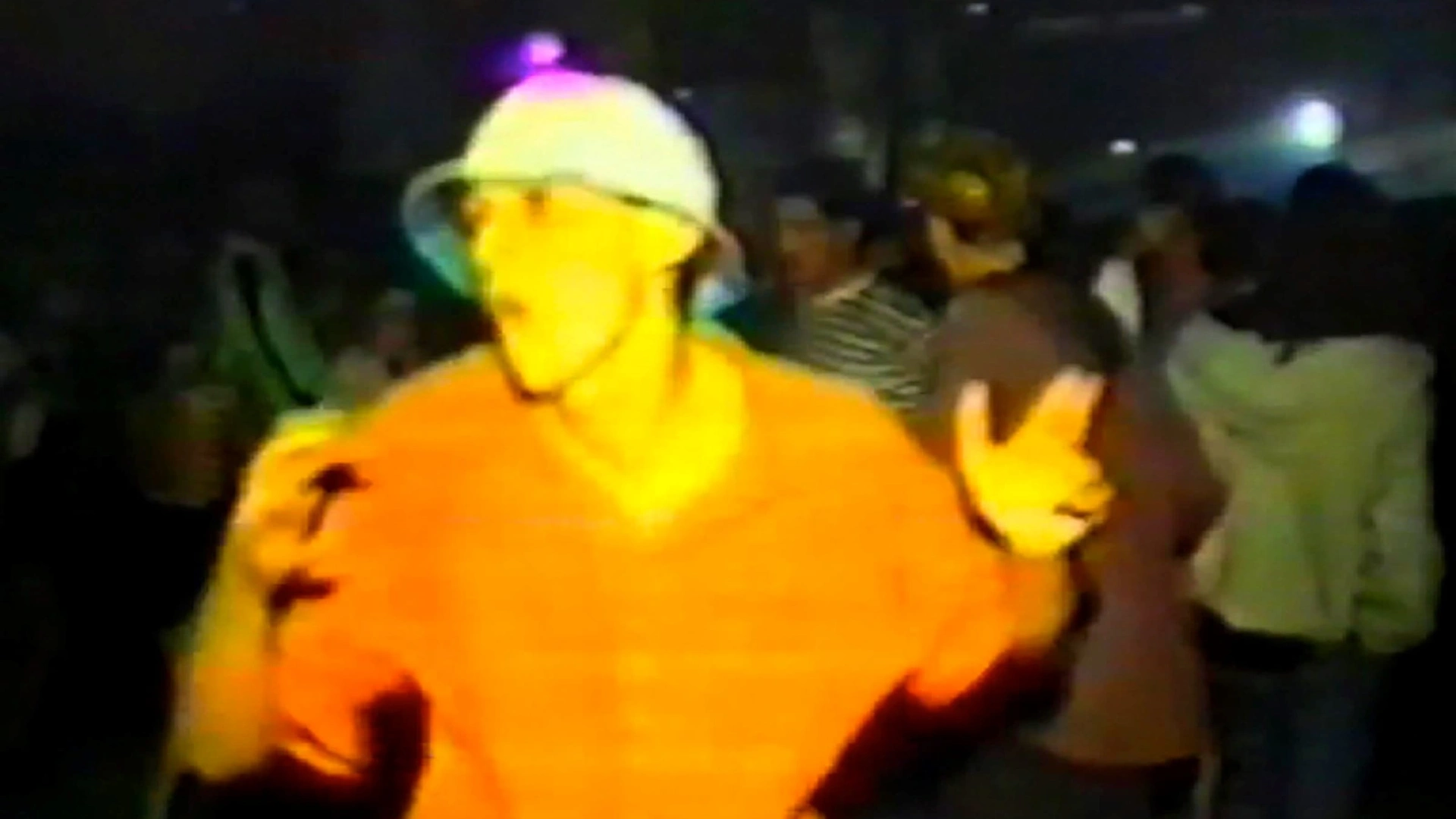
Central to the narrative is Mark Leckey’s 1999 seminal work, Fiorucci Made Me Hardcore. A cult classic of British video art, the piece serves as an anchor for the exhibition, illustrating the power of the moving image to document subcultures, nostalgia, and the visceral energy of dance music. This piece, alongside other iconic works, frames the exhibition’s central inquiry: How do artists use the technological tools at their disposal—from Super 8 film to high-definition digital rendering—to disrupt the status quo?
A Chronology of Disruption: From VHS to the Metaverse
To understand the scope of Paradigm Shift, one must view it as a timeline of technological democratization. The exhibition is structured to highlight several key "revolutions" in the history of the medium.
The Analog Frontier (1970s–1980s)
In the 1970s and 80s, the emergence of accessible video technology, such as the Portapak and early VHS cameras, fundamentally shifted the power dynamic of filmmaking. No longer solely the domain of major studios, moving image culture became personal, political, and, at times, aggressively experimental. The works of Andy Warhol and Derek Jarman, included in this section, demonstrate how these artists used "low-fi" technology to elevate mundane observation and counter-cultural rebellion into high art.
The Digital Acceleration (1990s–2010s)
As we move into the 90s and early 2000s, the exhibition tracks the rise of the music video as a primary art form and the influence of early internet culture. This period saw a shift toward a more fragmented, collage-like approach to storytelling, as seen in the frenetic, multi-screen installations of Ryan Trecartin and the documentary-style intimacy of Nan Goldin. This was a time when the boundaries between "high" art and "low" commercial culture began to dissolve permanently.
The Hyper-Connected Present (2020s–Future)
The final stage of the exhibition confronts the current era: the age of social media, gaming, and artificial intelligence. Contemporary artists like Martine Syms and Cao Fei examine the digital self, the surveillance state, and the gaming environments that have become our new social squares. Through new commissions by 180 Studios, these artists question whether our current digital paradigms are liberating or, conversely, trapping us in a cycle of endless content consumption.
Supporting Data: The Convergence of Culture and Tech
Paradigm Shift is produced in partnership with Ray-Ban Meta, a collaboration that underscores the exhibition’s focus on wearable technology and the future of human-computer interaction. The inclusion of gaming and internet-native content within a fine art context is a deliberate move to reflect the current landscape of media consumption.
Data from the digital art sector indicates that exhibitions bridging the gap between physical installations and virtual interactivity see a 30% increase in audience engagement from the 18–35 demographic. By utilizing 180 Studios’ subterranean spaces, the curators have created an environment that feels like a physical manifestation of a digital server room or a dark web archive—a setting that aligns perfectly with the thematic content of the works on display.
Official Perspectives: The Curator’s Philosophy
In a statement accompanying the launch, Jefferson Hack emphasized the human necessity behind the technological spectacle. "From the Super 8 and VHS revolutions of the 1970s and 80s to the digital hyper-connectivity of our present moment, video art and moving image have always operated at a crossroads: high and low, visceral and conceptual, personal and political," Hack stated.
"In Paradigm Shift, we see how great artists inspire us to engage with storytelling through screens differently. We want the audience to feel more, imagine more, and recover their senses in an age of digital numbness."
Mark Wadhwa, the exhibition’s co-curator, echoed these sentiments, noting that the selection of works was intended to strip away the "gloss" of commercial media to reveal the underlying human anxieties and aspirations beneath. By juxtaposing historical works with cutting-edge commissions, the curators have created a "living archive" that refuses to let the viewer remain a passive observer.
The Implications of a Paradigm Shift
What does this exhibition mean for the future of the moving image? As we move further into an era dominated by AI-generated imagery and virtual reality, the works gathered at 180 Studios act as a cautionary and inspirational guide.
1. The Death of the Passive Viewer
The exhibition suggests that the era of passive, linear consumption is effectively over. The installations require physical movement, active interpretation, and, in some cases, participation. The implications for future gallery spaces are clear: to survive, art must become an environment rather than an object.
2. The Democratization of Narrative
The history traced in this exhibition is one of shifting power. Technology has consistently allowed marginalized voices to bypass traditional gatekeepers. Whether it is through the lens of a DIY music video or a self-distributed internet art project, Paradigm Shift argues that the tools of mass media are, at their best, tools for radical truth-telling.
3. The Reclaiming of the Human Element
Perhaps the most poignant implication of the exhibition is the attempt to "recover our senses." In a world where we spend upward of eight hours a day staring at screens, Paradigm Shift forces us to look at those screens differently. It asks: Can we use the tools that isolate us to actually bring us together?
Visit Information
Paradigm Shift: New Dimensions in Moving Image is a must-see for anyone interested in the intersection of culture, technology, and human experience. It remains open at 180 Studios, 180 The Strand, London, WC2R 1EA, until 1 February 2026. The exhibition is open to the public from 12pm to 7pm, Wednesday through Sunday.
Tickets are available for purchase via the 180 Studios website. Given the high profile of the artists involved and the immersive nature of the installation, early booking is highly recommended.
As the world continues to navigate the complexities of the digital age, Paradigm Shift offers a rare, grounded space to pause, reflect, and perhaps even understand the digital currents that define our lives. It is a testament to the fact that while the technologies we use to tell our stories may change, the human impulse to document, challenge, and connect remains a constant.