As the 2024 holiday shopping season reaches its crescendo on Cyber Monday, consumers are presented with a prime opportunity to overhaul their home entertainment setups. Whether you are looking to breathe new life into an aging television or consolidate your smart home controls, the current slate of discounts on streaming media players offers unprecedented value.
While the retail landscape has shifted significantly over the last decade—moving from the frantic, in-person doorbusters of Black Friday to the streamlined, digital-first convenience of Cyber Monday—the core motivation remains the same: securing high-end technology at a fraction of the MSRP. As of December 2, 2024, manufacturers like Amazon and Roku have slashed prices on their latest hardware, making this the most cost-effective time of the year to invest in high-definition and 4K streaming ecosystems.
Main Facts: The Current Streaming Landscape
The market for streaming devices has matured into a battle of ecosystems. Currently, the most aggressive pricing is coming from Amazon and Roku, two companies that have dominated the living room through vastly different approaches.
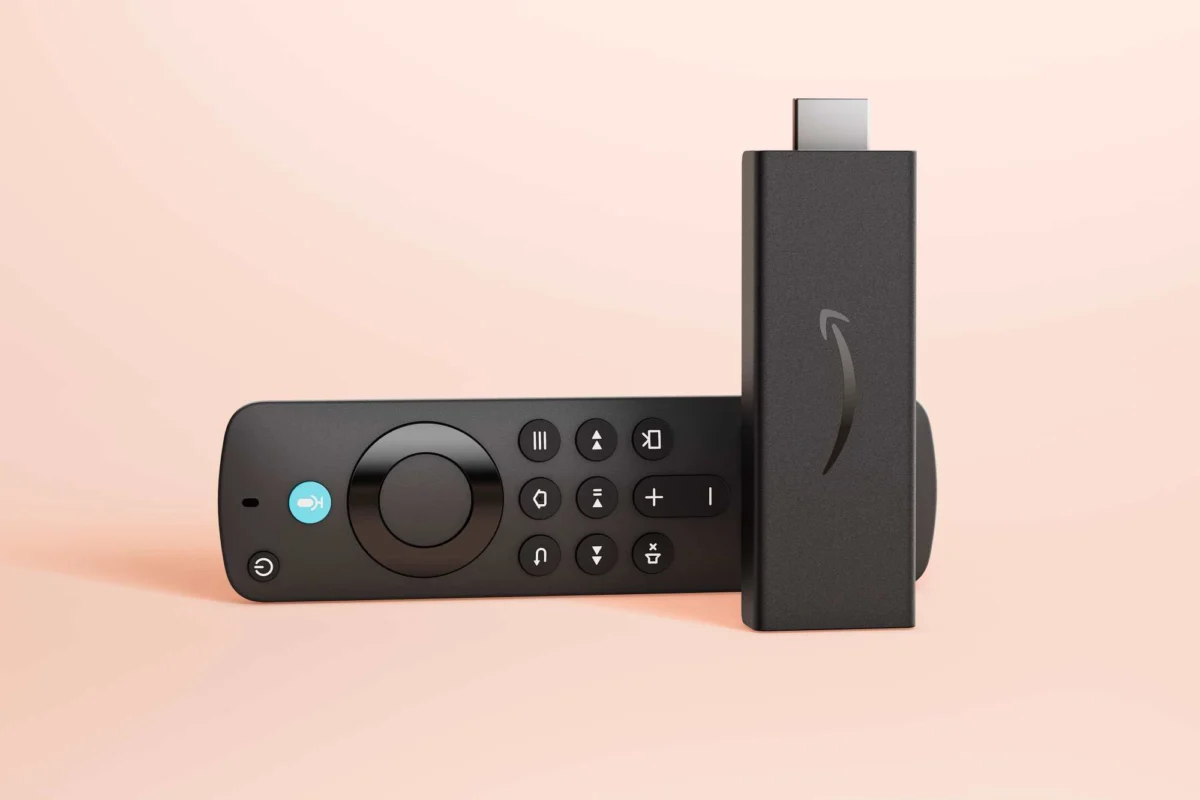
Amazon’s strategy remains deeply rooted in the "Fire TV" ecosystem, which serves as a gateway to the broader Amazon Prime infrastructure. Their latest hardware, including the recently launched Fire TV Stick HD and the more robust Fire TV Stick 4K, are seeing significant price corrections. These devices are designed to integrate seamlessly with Alexa, allowing for voice-controlled navigation of cable boxes, smart home cameras, and, of course, a vast library of streaming content.
Conversely, Roku continues to hold its ground by offering a platform-agnostic, user-friendly interface that prioritizes simplicity. For consumers who prefer a "neutral" OS that doesn’t push a specific retailer’s content storefront as aggressively as Amazon, Roku remains the gold standard. Their current deals include deep discounts on the Streaming Stick 4K and the Express 4K+, providing high-end features like Dolby Vision and HDR10+ at price points that were unthinkable just a few years ago.
Chronology: The Evolution of the 2024 Sales Window
To understand the current state of these deals, it is essential to view them through the lens of the 2024 retail calendar.
- Early November: Retailers began "leaking" their holiday strategies, with many opting to initiate "Early Black Friday" events to capture consumer interest before the traditional Thanksgiving rush.
- Thanksgiving Week: Discounts expanded significantly, with most major retailers—including Best Buy, Target, and Walmart—matching the prices set by Amazon and Roku.
- Black Friday (November 29, 2024): The peak of the physical and digital retail frenzy. Historically the day for the deepest hardware cuts, 2024 saw a stabilization of prices rather than a "race to the bottom."
- Cyber Monday (December 2, 2024): The final push. This is the window where online-exclusive retailers and major platforms have finalized their inventory management, often resulting in the most stable and reliable pricing for consumers who may have missed the earlier, more chaotic sales.
Supporting Data and Strategic Buying
When evaluating which device to purchase, it is important to look beyond the "percent off" sticker and focus on hardware longevity.
The Amazon Fire TV Tier
The Fire TV Stick 4K, having launched only weeks before the holiday season, has seen a surprising and welcome price cut. This device offers Wi-Fi 6 support and a faster processor than the base HD model, making it a "future-proof" choice for those with 4K television sets. For users heavily invested in the Alexa smart home ecosystem, the Fire TV Cube remains the premium option. Its ability to serve as an infrared blaster for legacy cable boxes and its superior microphone array for far-field voice recognition make it a central hub rather than just a simple dongle.
The Roku Ecosystem
Roku’s lineup currently offers the best "bang for your buck." The Roku Express 4K+ is currently priced at a compelling $24, which is arguably the most efficient entry point into 4K streaming. However, those looking for a cleaner aesthetic—where the device remains hidden behind the television—should opt for the Roku Streaming Stick 4K.

It is important to note, however, that not all "deals" are created equal. As industry experts have noted, consumers should be wary of the absolute lowest-tier devices, such as the Roku LE or the standard Roku Express. While they may be priced at rock-bottom levels, their lack of 4K support and slower processors can lead to a sluggish, frustrating user experience. Spending an extra $5 to $10 on an "Express 4K+" model provides a vastly superior user experience that will last for years, rather than months.
Official Responses and Industry Trends
While Apple and Nvidia are notoriously parsimonious with discounts on their premium devices—the Apple TV 4K and the Nvidia Shield, respectively—there is evidence that the broader market is forcing a change.
In a statement to retail analysts, representatives from major consumer electronics outlets noted that "the average consumer is now looking for a unified experience." This shift is why companies like Google have introduced the "Google TV Streamer," attempting to move away from the "dongle" aesthetic and toward a more premium, stationary hub device.
The industry is currently moving toward a standard where 4K and High Dynamic Range (HDR) are expected baseline features. Consequently, the "budget" streaming devices of 2024 are significantly more powerful than the flagship devices of 2018. Manufacturers are responding to this by bundling streaming hardware with other services, such as free trials of premium streaming channels or smart home integrations, essentially turning the hardware into a loss-leader to secure recurring subscription revenue.
Implications: What This Means for Your Home
The rapid commoditization of streaming hardware has profound implications for the average household.
First, the "Smart TV" built into your television set is likely the weakest link in your home theater. Manufacturers often abandon software updates for built-in TV operating systems within two or three years. By purchasing a dedicated streaming stick during the Cyber Monday sales, you are effectively extending the life of your television. A $30 investment in a modern Roku or Fire TV stick can make a five-year-old television feel like a brand-new, high-end display.
Second, the consolidation of these deals toward online-only platforms has made shopping safer and more efficient. With free shipping incentives for Prime members and the aggressive price-matching policies at major big-box retailers, the logistical barriers to upgrading your home theater have effectively vanished.
Finally, consumers should consider the environmental and long-term value. While it is tempting to chase the lowest price, the "buy it for life" philosophy applies to technology as much as it does to home goods. Prioritizing devices with more RAM and faster processors—such as the Fire TV Stick 4K or the Roku Ultra—will save you the headache of replacing your device in eighteen months.
As the 2024 holiday season concludes, the message for the tech-conscious consumer is clear: the technology that powers your entertainment is more accessible than ever, but the best value is found in the "mid-tier" devices that bridge the gap between basic utility and premium performance. Whether you choose the voice-centric world of Amazon or the user-friendly simplicity of Roku, the current crop of Cyber Monday deals provides the perfect window to upgrade your living room experience.
Summary Checklist for Cyber Monday Shoppers:
- Prioritize 4K: Even if you don’t have a 4K TV yet, buying a 4K streamer ensures your device will remain relevant when you eventually upgrade your display.
- Check the Remote: If you use your device in a bedroom or dark theater, look for models with backlit remotes (such as the Roku Ultra).
- Skip the "Entry Level": Avoid devices labeled "LE" or "Express" (non-4K) if your budget allows for the slight increase to the 4K-capable versions.
- Check Compatibility: Ensure your chosen device supports the specific apps you use most frequently; while most support all major services, minor differences in app availability can occur.