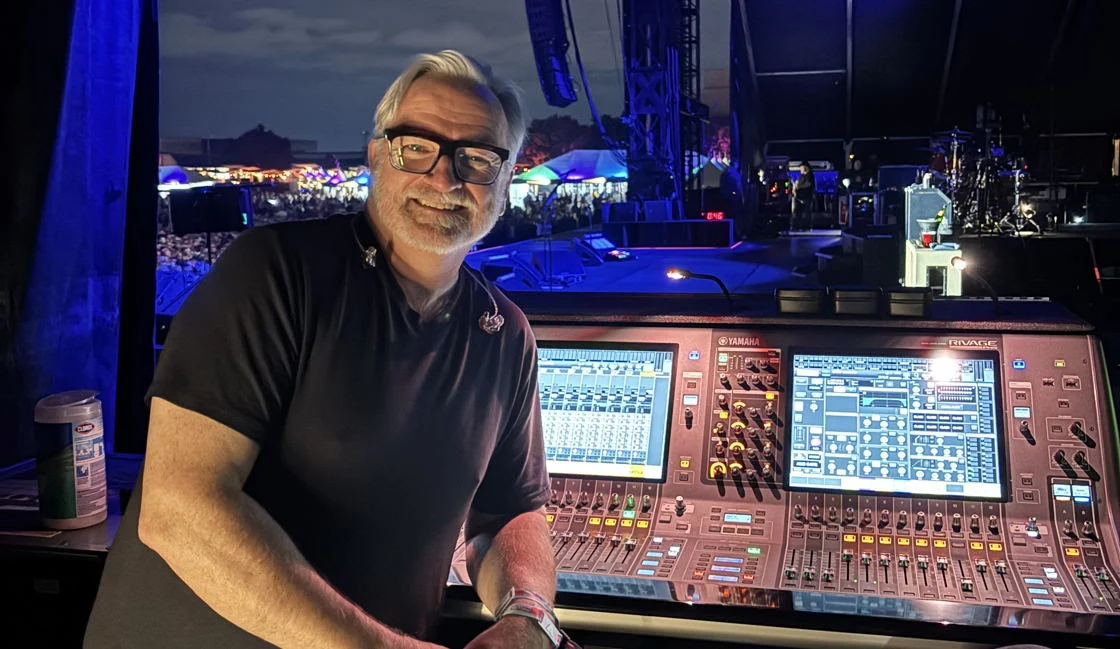
In the fast-evolving landscape of live sound, the dual challenge of mixing for a live audience while simultaneously managing high-quality feeds for remote streaming has become a standard requirement for front-of-house (FOH) engineers. As houses of worship, corporate event producers, and independent concert venues scramble to provide professional-grade broadcast audio alongside in-room reinforcement, the technical burden on engineers has reached a breaking point.
Enter veteran audio professional Michael Curtis. In Episode 329 of the Signal To Noise podcast, hosted by industry mainstays Andy Leviss and Sean Walker, Curtis—a seasoned expert known for his insightful approach to modern production workflows—sheds light on his latest venture: the upcoming "Live Stream Leveler." This piece of software, which will be available as both a standalone application and a plugin, promises to revolutionize how engineers handle the complex dynamics of streaming audio.
The Evolution of the FOH Workflow
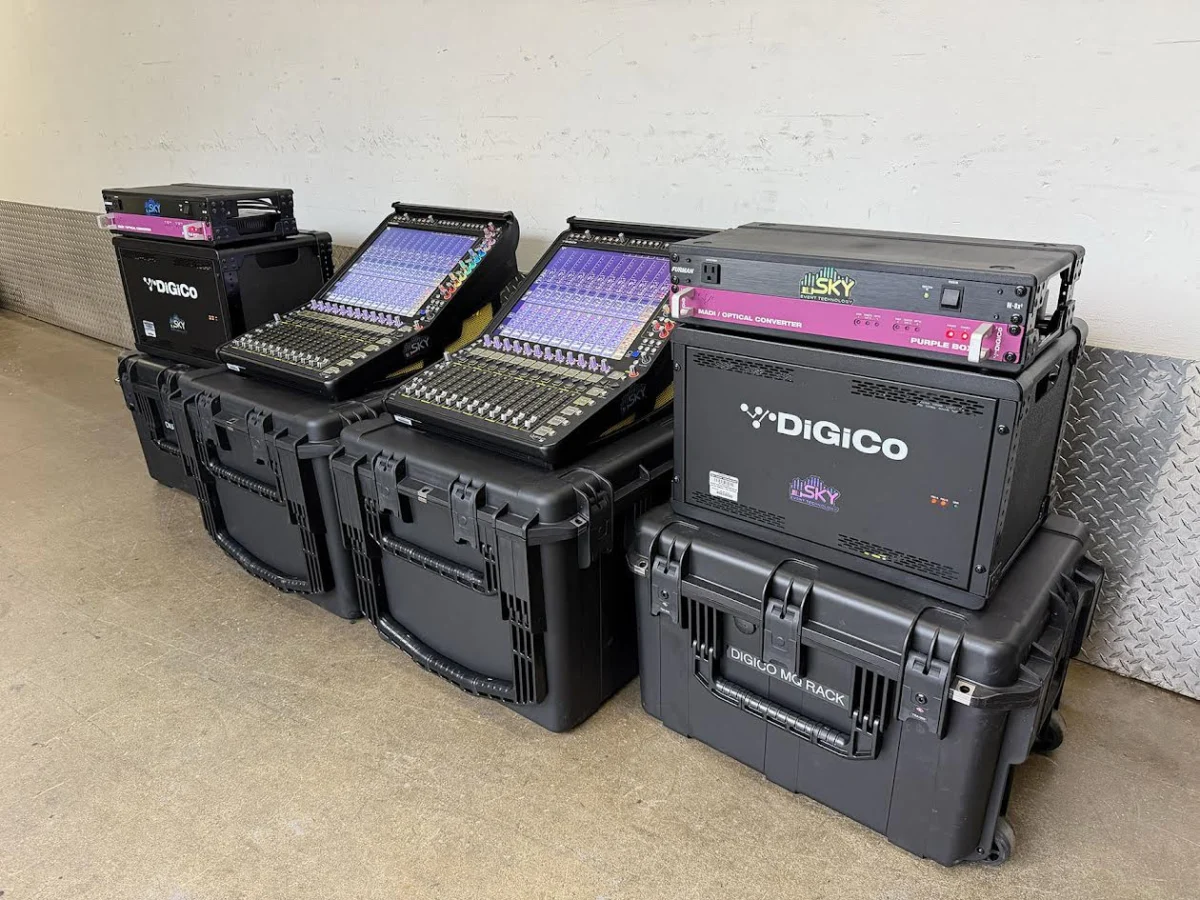
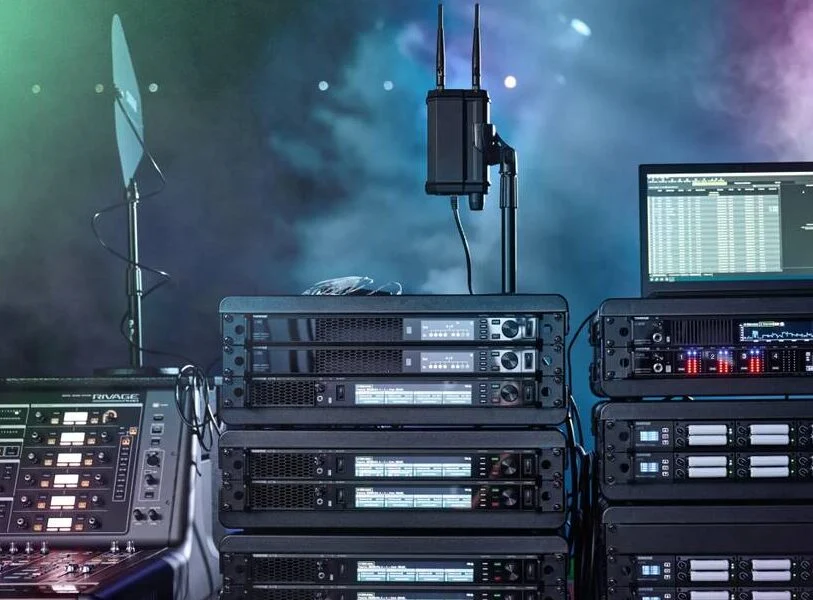
For years, the "gold standard" for live audio was simply ensuring the room sounded balanced. However, the post-2020 shift toward hybrid events has turned FOH engineers into broadcast engineers overnight. The logistical nightmare of maintaining a consistent, broadcast-ready mix while adjusting gain structures for thousands of people in a stadium or a house of worship has historically required expensive outboard gear, complex routing, and often, an additional dedicated broadcast mixer.

During his conversation with Leviss and Walker, Curtis highlighted that his motivation for developing the Live Stream Leveler stemmed from direct observation of these common struggles. "It is about efficiency and precision," Curtis noted. By providing a tool that specifically targets the needs of the live-stream feed, Curtis aims to reduce the "mental tax" on engineers who are already juggling a dozen other tasks during a show.
A Chronology of Innovation: From Education to Development
Michael Curtis has long been a fixture in the audio community, primarily recognized for his highly regarded YouTube educational channel. His tutorials, which often demystify complex signal flow and mixing theory, have served as a roadmap for aspiring engineers.
The Hiatus and the Return
Following a period of relative silence from his educational platform, fans of his work will be pleased to learn that Curtis is gearing up for a significant return to content creation. During the interview, he touched upon the necessity of his hiatus, explaining that the time away was spent not in stagnation, but in active research and development.
The transition from educator to developer represents a logical, albeit challenging, step in his career. By distilling years of teaching—identifying the exact points where students and peers fail to achieve optimal gain staging or compression—into a piece of software, Curtis is effectively "codifying" his teaching philosophy into a digital tool.
The Development of the Live Stream Leveler
The development cycle for the Live Stream Leveler has been rigorous. Unlike generic limiters or compression plugins, the Leveler is specifically designed to interpret the unique frequency curves and dynamic ranges associated with live streaming platforms, which often aggressively compress audio signals post-upload. By allowing the engineer to pre-compensate for these platform-specific quirks, the software ensures that the "in-room" vibe remains punchy and dynamic, while the "stream" remains intelligible and broadcast-compliant.
Supporting Data and Technical Implications
The necessity for such a tool is underscored by the current industry shift toward spatial audio and high-fidelity streaming. With the rise of DSPs (Digital Service Providers) that support advanced audio formats, the margin for error in a live-to-stream mix has effectively vanished.

Bridging the Gap
The Live Stream Leveler functions as a buffer between the FOH console and the streaming interface. It utilizes a proprietary algorithm that monitors the output of the console and makes real-time, transparent adjustments to level variance. This is critical in corporate settings where a keynote speaker might move away from a microphone, or in religious services where the dynamic range between a whisper and a loud band is extreme.
Industry analysts note that tools like Curtis’s are becoming essential. As event budgets tighten, the "one-man-band" approach to sound engineering is becoming the norm rather than the exception. Providing engineers with automated, intelligent assistance allows for more creative control over the mix rather than just "damage control" over the levels.
The Role of Industry Sponsors
The Signal To Noise podcast, and by extension this episode, is supported by industry titans Allen & Heath and RCF. These partnerships are not incidental; they highlight the synergy between hardware manufacturers and software developers.
Allen & Heath has long been a leader in digital mixing consoles that facilitate the very workflows Curtis is optimizing. Their platforms are frequently the backbone of the systems that will utilize the Live Stream Leveler. RCF, meanwhile, brings decades of expertise in transducer design and acoustic reinforcement, ensuring that the "in-room" experience—the other half of the equation—maintains its integrity.
Community and Culture: The Roadie Clinic and Beyond
Beyond the technical software discussion, Episode 329 delves into the human element of the audio profession. A significant portion of the conversation is dedicated to The Roadie Clinic, an organization that provides resources and services to touring professionals.
The audio industry is notoriously high-pressure, with long hours and the constant physical and mental strain of the touring lifestyle. The Signal To Noise podcast continues to use its platform to promote the message of "empower and heal," a sentiment that resonates deeply with the community. As Curtis mentioned, his own journey as an engineer has been shaped by the peers he has met along the way, many of whom are now dealing with the systemic stressors of the industry.

Future Implications: What This Means for the Industry
The release of the Live Stream Leveler is slated for the near future, and its impact is expected to be felt across several sectors:
- Corporate Events: By ensuring that video feeds are always at professional broadcast levels, companies can ensure a better virtual experience for their stakeholders.
- Houses of Worship: Many churches are struggling to balance the "experience" in the room with the quality of their online presence. This software could provide the "set-it-and-forget-it" reliability that volunteer sound teams often require.
- Live Music: Even in high-end concert touring, the ability to protect a stream from clipping while maintaining a loud, engaging room mix is a game-changer.
Furthermore, the integration of community feedback—facilitated by the Signal To Noise Facebook group and Discord server—serves as a model for how modern audio tech should be developed. By listening to the end-users (the FOH engineers), Curtis is ensuring that his software solves real problems rather than adding unnecessary complexity.
Conclusion: A New Chapter for Michael Curtis
As the podcast episode concludes, it is clear that Michael Curtis is entering a transformative phase in his professional life. By successfully balancing his role as an educator with the demands of an independent software developer, he is setting a new standard for how experts can contribute to the industry.
For those interested in following the progress of the Live Stream Leveler, or simply looking to catch up on the latest in audio engineering, the full episode and its accompanying transcript are essential listening. As the industry continues to pivot toward hybrid models, it is the visionaries like Curtis—those who understand both the board and the code—who will define the next generation of live sound.
For more information, please visit the Michael Curtis Website and keep an eye on his YouTube channel for the upcoming release of the Live Stream Leveler. Support The Roadie Clinic at theroadieclinic.com.