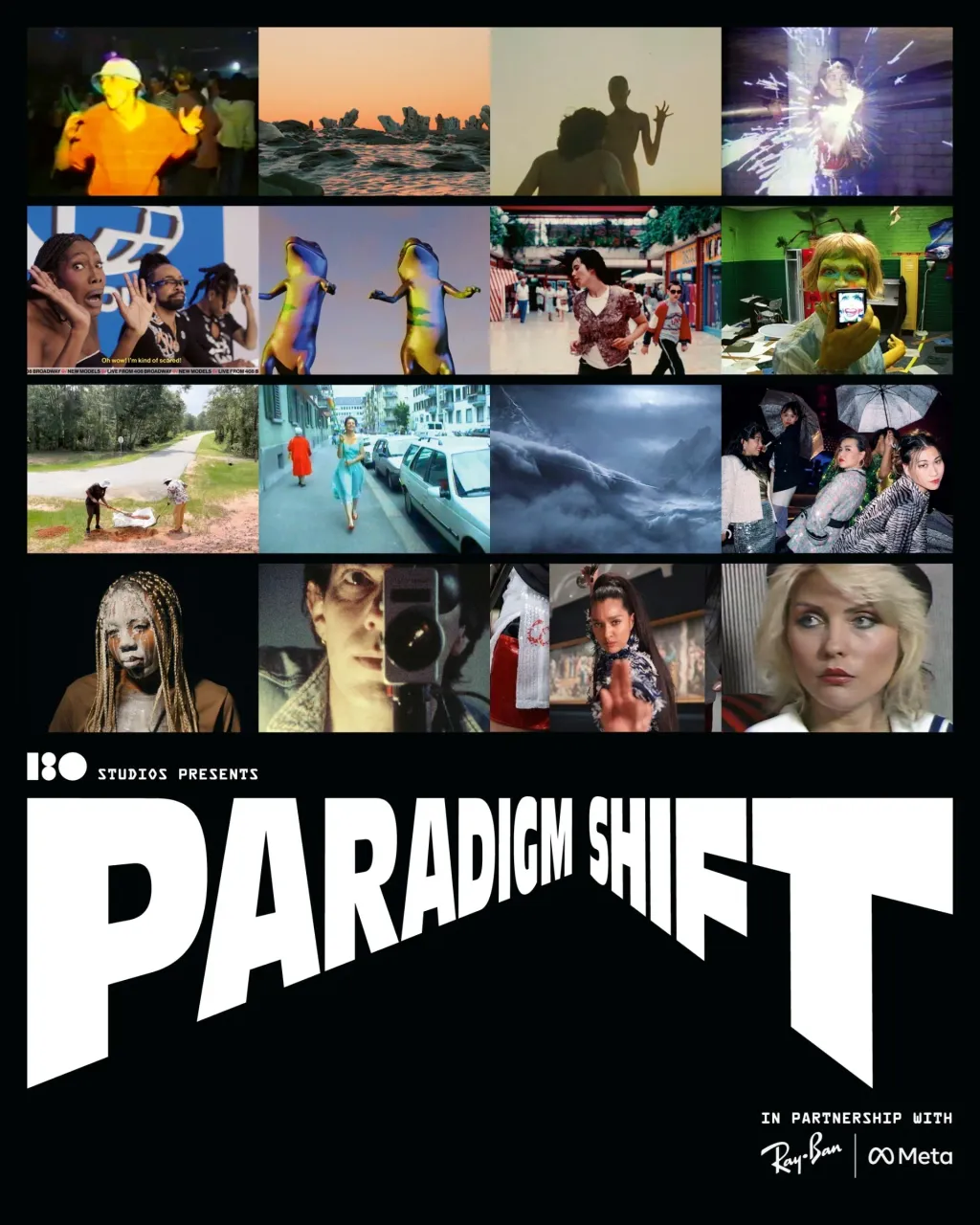
London’s cultural landscape has officially expanded with the unveiling of The Underground Cinema, a dedicated, state-of-the-art space housed within the renowned 180 Studios. Designed as a sanctuary for the moving image, the venue aims to dismantle the traditional silos between feature-length cinema, experimental video art, music documentaries, and avant-garde commissions.
The launch, scheduled for Friday, 27 February 2026, marks a pivotal moment for the capital’s art scene. To inaugurate this space, 180 Studios has secured a month-long theatrical residency for Kahlil Joseph’s BLKNWS: Terms & Conditions—a sprawling, feature-length adaptation of his celebrated, multi-channel video art installation, BLKNWS.
The Genesis of The Underground Cinema
For years, 180 Studios has operated at the intersection of sound, vision, and technology. By carving out a permanent residence for film, the institution is formalizing its commitment to a medium that has always been central to its programming. The Underground Cinema is not intended to be a conventional multiplex; rather, it is positioned as a laboratory for the senses.
The studio’s decision to launch with a work as structurally ambitious as BLKNWS: Terms & Conditions signals a clear curatorial intent: to prioritize works that challenge the conventions of narrative structure. By providing a dedicated space for these high-fidelity visual experiences, 180 Studios addresses a growing demand for immersive, gallery-adjacent cinema that invites audiences to sit with complex, non-linear storytelling.
Kahlil Joseph: A Decade of Visionary Collaboration
The choice of Kahlil Joseph to headline the inaugural residency is no coincidence. It represents the culmination of a ten-year creative partnership between the artist and 180 Studios. Joseph’s history with the institution is deep and foundational: his work was a highlight of the landmark 2016 exhibition The Infinite Mix, and he returned for the 2024 Reverb showcase. Furthermore, 180 Studios previously commissioned Joseph’s poignant 2018 film, Fly Paper.
Joseph is widely recognized as a singular voice in contemporary media, having blurred the lines between music video production, high-concept installation, and documentary filmmaking. His directorial credits include work for some of the most influential figures in music, such as Beyoncé, Kendrick Lamar, Sampha, and Flying Lotus. His ability to synthesize disparate cultural threads into a cohesive visual language has made him one of the most sought-after auteurs in the intersectional space between art and pop culture.
Anatomy of a Masterpiece: BLKNWS: Terms & Conditions
BLKNWS: Terms & Conditions is a work that defies easy categorization. Originally conceived as a two-channel video installation—a "news" feed of Black life that felt both futuristic and hyper-present—the feature-length iteration pushes these themes further.
The film operates with the cadence and elasticity of an album or a mixtape. It moves through a dream-logic sequence, layering fiction and history into an immersive, rhythmic tapestry. Within its runtime, viewers encounter fictionalized incarnations of intellectual titans W. E. B. Du Bois and Marcus Garvey, who exist alongside contemporary artists, musicians, Joseph’s own family, and raw, real-time data scraped from the chaotic discourse of Twitter. It is a bold, uncompromising vision for Black consciousness, rendered through a medium that refuses to sit still.
The Sonic Architecture
One of the most striking aspects of the project is its sound design. The film features a heavy-hitting roster of musical contributors, anchored by original music from Klein. The soundscape is further enriched by contributions from legendary electronic music producers and contemporary icons, including Robert Hood, Aphex Twin, Sampha, Kelsey Lu, and Flying Lotus.
By incorporating these specific artists, Joseph creates a "sonic texture" that informs the film’s pacing. The music is not merely a background element; it acts as a structural heartbeat, driving the narrative forward and grounding the more abstract visual elements in a visceral, rhythmic reality.
Official Commentary: Fluidity as a Process
In a statement regarding the project, Kahlil Joseph emphasized the collaborative nature of the production, noting that the "album-style" approach was central to its success.
"BLKNWS: Terms & Conditions is a film conceived with the fluidity and creativity of an album," Joseph remarked. "This approach allowed me to think beyond traditional boundaries, embracing a process that seamlessly incorporates the contributions of other directors, artists, and collaborators. Poets, writers, editors, designers, musicians, scholars, and more have all left their mark on this project, enriching its texture and expanding its scope."
This philosophy of "collective authorship" is key to understanding why the film feels so massive in its emotional scope. By opening the doors to a diverse array of creative minds, Joseph has created a work that serves as a mirror for the collective experience, rather than a single, isolated perspective.
Chronology of a Residency
The residency at The Underground Cinema is structured to allow for a deep-dive engagement with the work:
- 27 February 2026: Official opening of The Underground Cinema and the commencement of the BLKNWS: Terms & Conditions residency.
- Late February – March 2026: A month-long period of public screenings, allowing for repeat viewings and potential post-screening discussions.
- 27 March 2026: Conclusion of the inaugural residency.
This extended run provides an opportunity for the work to permeate the cultural conversation in London, moving away from the "event-based" fleeting nature of standard film premieres toward a more sustained, meditative presence.
The Implications for Contemporary Cinema
The opening of The Underground Cinema and the presentation of BLKNWS signal several broader shifts in the industry:
- The Hybridization of Form: As traditional cinema-going faces competition from home streaming, institutions are doubling down on the experience of the medium. By blending the gallery aesthetic with the theatrical environment, 180 Studios is creating a space that cannot be replicated at home.
- The Rise of the Artist-Director: Joseph represents a generation of creators who operate comfortably across music, fine art, and film. This versatility is becoming the standard for modern auteurism, as audiences increasingly look for multidisciplinary work.
- Institutional Curation as Advocacy: By dedicating a month to a singular, challenging work that explores Black consciousness, 180 Studios is positioning itself not just as a venue, but as a cultural gatekeeper that champions marginalized or complex narratives that might otherwise be overlooked by mainstream distributors.
Looking Ahead: The Future of 180 Studios
The launch of The Underground Cinema is the latest chapter in 180 Studios’ ongoing evolution. By providing a permanent home for experimental film, the studio is ensuring that the "in-between" works—those that are too long for a gallery loop but too experimental for a traditional cinema release—finally have a place to call home.
As audiences prepare for the late February opening, the buzz surrounding the venue suggests that Londoners are hungry for this kind of rigorous, thoughtful programming. Whether it is through the lens of music documentaries or the radical experimentation seen in Joseph’s work, The Underground Cinema is poised to become a vital artery in the city’s creative ecosystem.
For those looking to secure their place in this new chapter, tickets are now available via the official 180 Studios website. The residency promises to be more than just a screening; it is an invitation to witness the future of visual storytelling—one that is fluid, sonic, and undeniably essential.