Date: July 3, 2026
In an era where industrial autonomy is shifting from theoretical research to field-deployed reality, the gap between high-performance sensing and reliable computing has long been a bottleneck for engineers. Today, Ark Vision Systems and Syslogic have announced a strategic partnership to close that gap, unveiling a fully integrated, ruggedized hardware ecosystem designed specifically for Edge AI. By marrying Ark Vision Systems’ advanced GMSL2 camera technology with Syslogic’s industrial-grade embedded computers, the two firms aim to provide a "plug-and-play" foundation for developers working in the most demanding sectors, including agriculture, industrial automation, and autonomous mobility.
Main Facts: A Unified Hardware Stack
The core of this collaboration lies in the seamless interoperability between the ArkCam Velos camera series and Syslogic’s ruggedized computing units. Historically, system integrators have faced significant "integration tax"—the time and resources spent ensuring that high-speed camera data streams correctly handshake with processing modules while maintaining thermal and mechanical stability.
By standardizing this interface, the companies are offering a comprehensive platform that handles the full pipeline:
- Data Acquisition: High-fidelity imagery captured via GMSL2 (Gigabit Multimedia Serial Link 2).
- Real-time Processing: Local AI inference powered by NVIDIA Jetson modules.
- Sensor Fusion: A modular architecture capable of incorporating LiDAR, radar, and GNSS inputs to create a 360-degree environmental awareness map.
This integration is not merely a compatibility promise; it is a validated hardware stack designed to survive the "triple threat" of industrial settings: extreme temperatures, heavy mechanical shock, and persistent vibration.
Chronology: The Evolution of Industrial Edge AI
The trajectory of this partnership mirrors the rapid advancement of embedded vision technology over the last decade.
- 2018–2022: The emergence of Edge AI saw companies struggling with high-latency cloud architectures. Industrial users demanded "local" decision-making to ensure safety and privacy.
- 2023: The GMSL2 interface began to overtake traditional USB and Ethernet standards for machine vision, offering superior bandwidth and noise immunity, though integration remained complex for non-specialized firms.
- 2024: Syslogic began integrating the NVIDIA Jetson Thor platform into its RML A5AGX line, drastically increasing available FLOPS for complex deep learning models.
- Early 2025: Ark Vision Systems began prototyping the Velos series with a specific focus on GMSL2 synchronization for multi-camera arrays.
- July 2026: The official announcement of the Ark-Syslogic partnership marks the culmination of these individual technological streams, creating a unified product offering that removes the burden of custom hardware engineering from the end-user.
Supporting Data: Performance at the Edge
The technical specifications of this joint solution underscore the shift toward high-performance computing at the point of action.
Computing Power and AI Inference
At the heart of the Syslogic offering is the RML A5AGX computer. Built upon the NVIDIA Jetson Thor platform, this unit delivers up to 2,070 FP4 TFLOPS of computing performance. This level of power is significant; it allows for the simultaneous running of multiple neural networks—object detection, path planning, and anomaly detection—without the need for external server connectivity.
The GMSL2 Advantage
The choice of GMSL2 as the transmission standard is data-driven. GMSL2 enables:
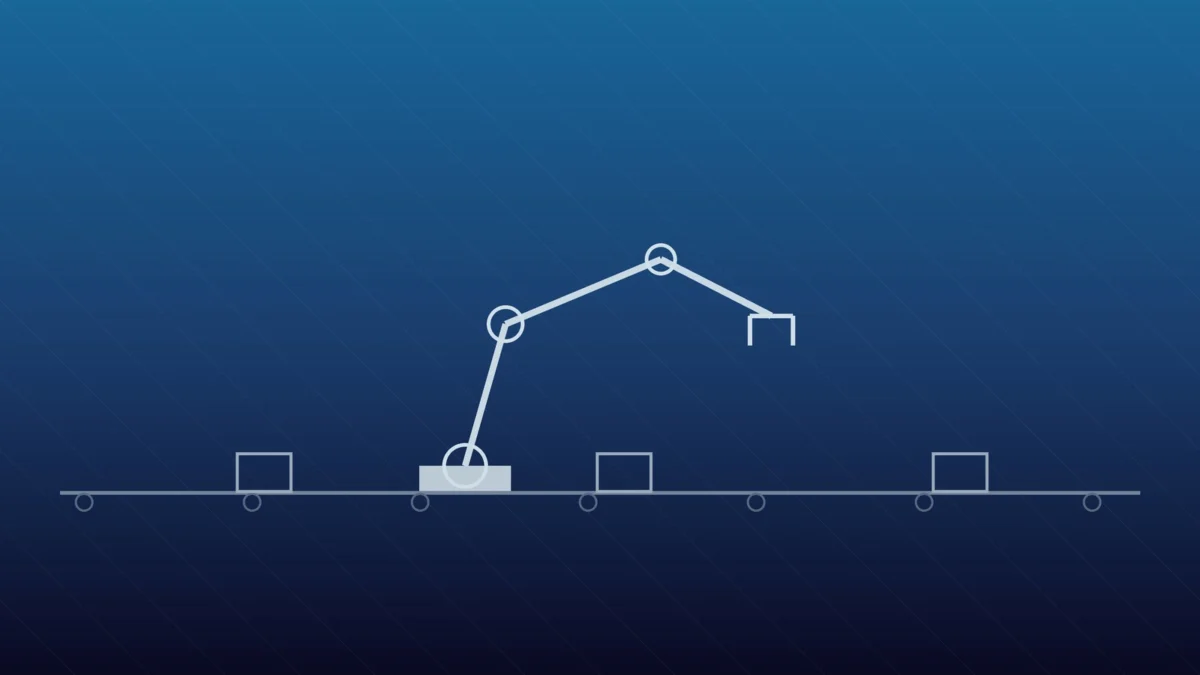
- Latency Minimization: Crucial for high-speed autonomous mobile robots (AMRs) where a millisecond delay can mean the difference between a successful maneuver and a collision.
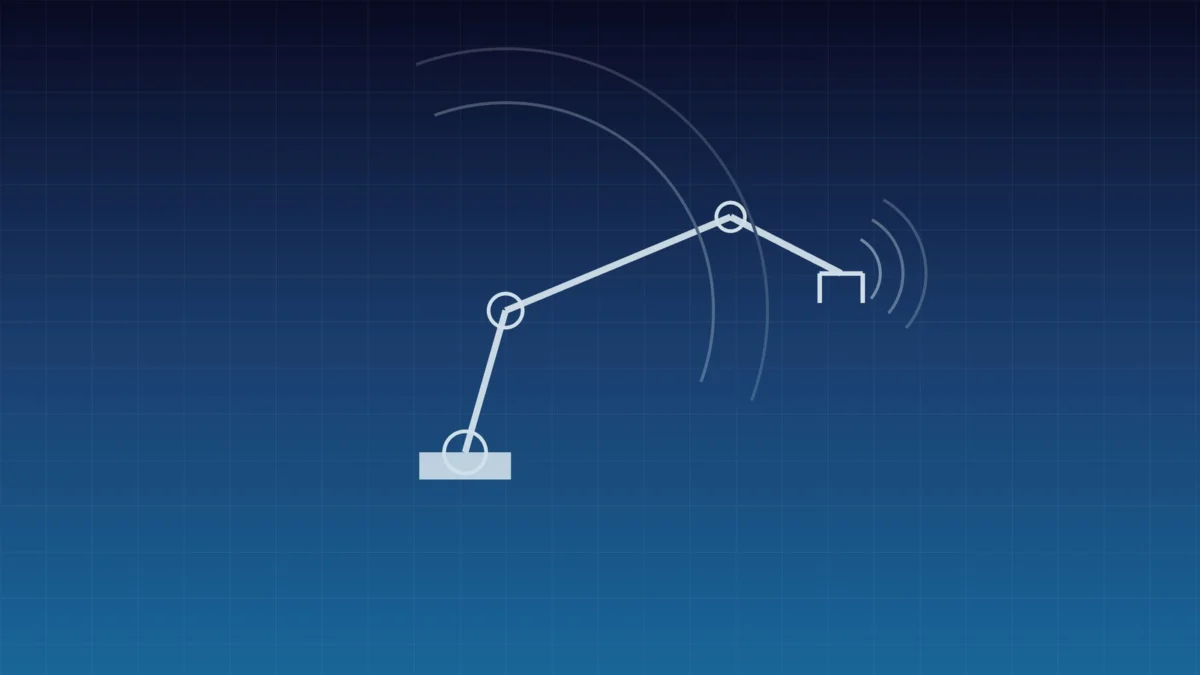
- Interference Immunity: In factory settings, electromagnetic interference (EMI) from heavy machinery often corrupts standard data cables. GMSL2 provides high-speed data transmission that is inherently resistant to these environmental factors.
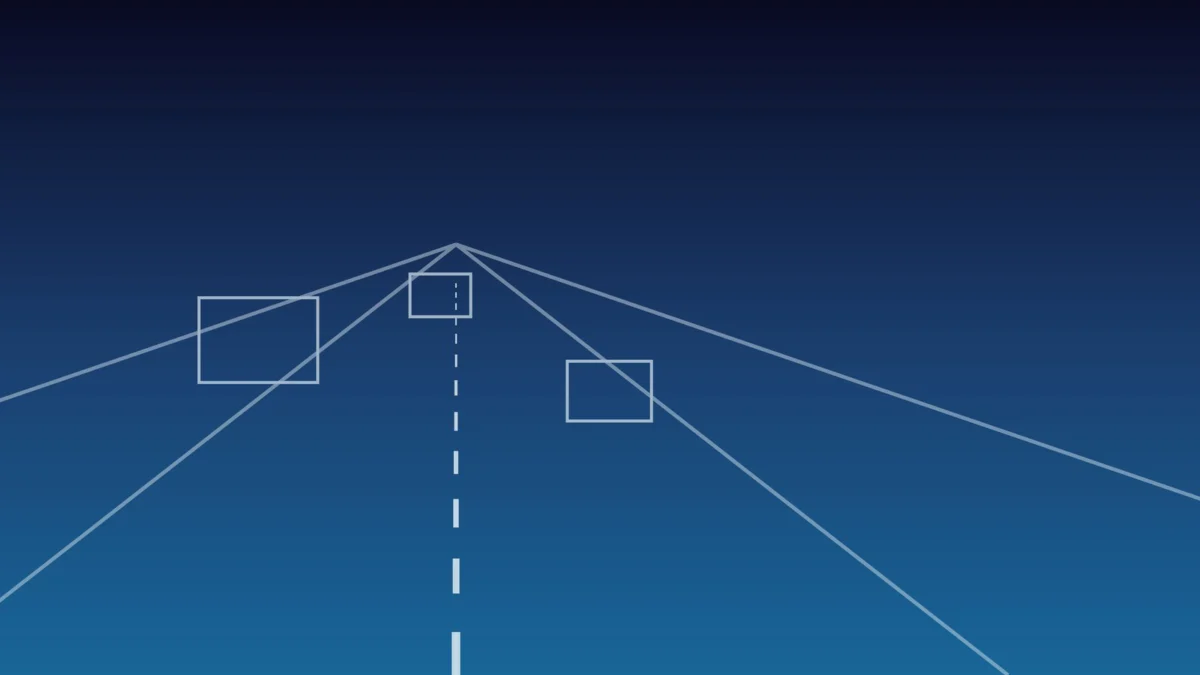
- Synchronization: The platform supports multi-stream synchronization, which is the foundational requirement for 360-degree vision and volumetric sensor fusion.
Official Responses: Aligning Vision and Execution
The partnership is framed as a response to the "time-to-market" pressure felt by modern OEMs.
Sven Kühmichel, Managing Director of Ark Vision Systems, emphasized the collaborative nature of the product. "Our cameras and Syslogic’s rugged computers complement each other perfectly," Kühmichel stated. "Customers no longer need to navigate the ‘integration minefield.’ Instead, they receive a deployment-ready platform for AI-powered machine vision and sensor fusion—from the initial acquisition of data to real-time local processing."
Michael Jung, Product Manager at Syslogic, underscored the practical utility for field engineers. "By combining high-performance sensing with a rugged AI computing platform, we provide our customers with a hardware foundation that enables them to deploy sophisticated Edge AI applications quickly and reliably. Our goal is to allow the developer to focus entirely on their application logic rather than the underlying hardware stack."
Implications: The Future of Industrial Autonomy
The release of this integrated hardware suite has profound implications for several key industries.
1. The Rise of "Smart" Mobile Machines
For agricultural machinery and construction vehicles, the barrier to entry for full autonomy has been the lack of ruggedized, reliable hardware that can handle dust, moisture, and high-impact mechanical stress. By providing a platform that is already "battle-hardened," Ark Vision Systems and Syslogic are effectively lowering the cost of entry for smart-farming and site-management robots.
2. Streamlining the Development Lifecycle
One of the most significant implications is the reduction in "engineering drift." When developers build custom sensor-to-compute bridges, they often encounter stability issues late in the development cycle. A pre-verified, integrated platform allows companies to move from a prototype in a lab to a deployed asset in the field months faster than traditional development cycles would allow.
3. Edge-Native Decision Making
The shift toward local AI processing—removing the reliance on the cloud—is not just about speed; it is about safety and continuity. In environments like deep-sea exploration, remote mining, or high-density warehouse automation, network outages are common. By ensuring the AI inference happens locally on the RML A5AGX, the system ensures that autonomous units remain safe and functional regardless of network connectivity.
4. Setting a New Standard for Reliability
Finally, this partnership sets a new benchmark for what "industrial grade" means in the age of AI. It is no longer enough to be robust; electronics must also be performant enough to handle the massive compute requirements of transformer models and deep learning inference. By combining the physical durability of Syslogic with the optical precision of Ark Vision Systems, this alliance provides a blueprint for the next generation of industrial infrastructure.
Conclusion
As the market for Edge AI continues to mature, the focus is shifting away from theoretical capability toward practical, reliable deployment. The collaboration between Ark Vision Systems and Syslogic is a definitive step in this transition. By providing a hardware foundation that is both computationally powerful and environmentally resilient, they have cleared a significant hurdle for the future of industrial automation. As of July 2026, the solution is available for evaluation, inviting developers to integrate these advanced vision and computing capabilities into their own autonomous systems.