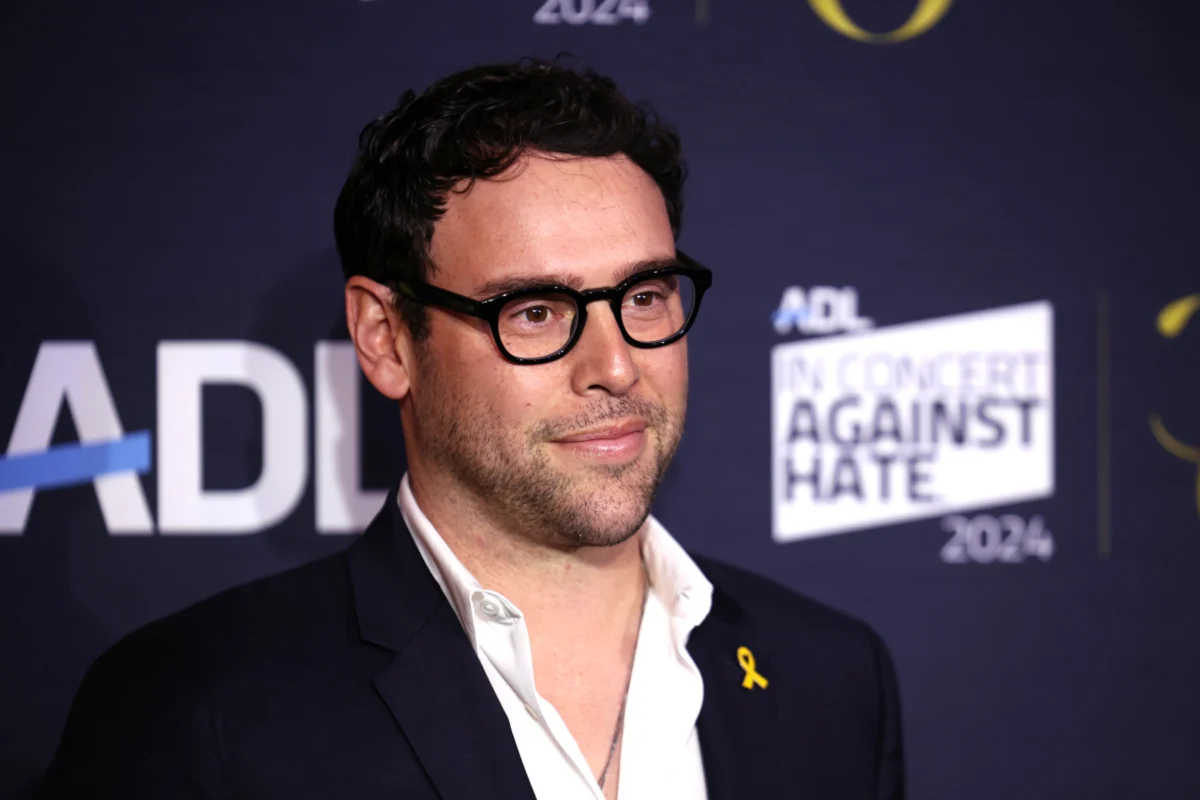
Scooter Braun, the powerhouse talent manager and entrepreneur who became a central figure in the expansion of South Korean entertainment giant HYBE, has officially stepped down from the company’s board of directors. This departure marks the latest phase in a structural transition that began last summer, signaling a shift in how the architect of Ithaca Holdings integrates with the K-pop titan. While Braun has relinquished his seat on the board, he remains firmly tethered to the company in a senior advisory capacity, continuing to offer his expertise to HYBE chairman Bang Si-Hyuk.
This move follows Braun’s resignation as CEO of HYBE America in July 2025, a role in which he was succeeded by Isaac Lee. The transition, which has unfolded over the past twelve months, reflects a strategic realignment within the firm as it pivots toward a more integrated global management model.
A Chronology of the HYBE-Braun Partnership
To understand the weight of this departure, one must look back to the transformative acquisition of 2021. In a move that sent shockwaves through the global music industry, HYBE (then Big Hit Entertainment) acquired Ithaca Holdings for a staggering $1.05 billion. This deal was not merely a transaction; it was a marriage of the world’s most successful K-pop ecosystem with the powerhouse management firm behind icons like Ariana Grande, Justin Bieber, and Demi Lovato.
- April 2021: HYBE officially acquires Ithaca Holdings. Braun is brought into the fold, aiming to bridge the gap between Western pop dominance and the rigorous, highly structured K-pop production model.
- January 2023: Braun is elevated to sole CEO of HYBE America, having previously shared the title with Lenzo Yoon. His mandate is clear: expand the firm’s footprint in the U.S. and leverage his network to turn HYBE into a truly borderless entertainment entity.
- 2024: In a significant shift, Braun announces his retirement from daily artist management. The move is framed as a strategic decision to focus exclusively on his executive duties as CEO of HYBE America.
- July 2025: Braun steps down as CEO of HYBE America, with industry veteran Isaac Lee taking the reins. At this juncture, the company confirms that Braun will remain as an executive advisor and a director on the board.
- July 2026: Braun concludes his term on the board of directors, solidifying his transition into a purely advisory role focused on long-term strategy and high-level creative projects.
The Financial and Creative Landscape
The financial synergy between Braun and HYBE was grounded in a series of aggressive acquisitions. Beyond the initial Ithaca deal, Braun oversaw the strategic growth of Big Machine Label Group, which he had acquired through Ithaca for $300 million in 2019. Furthermore, in 2023, HYBE finalized the acquisition of Quality Control Music, the hip-hop powerhouse, for an additional $300 million.
These investments were designed to diversify HYBE’s portfolio, moving it away from a singular reliance on BTS and into a multi-genre, multi-territory powerhouse.
Creatively, Braun’s influence has been most visible in the development of globalized K-pop acts. One of the most successful outcomes of this strategy is KATSEYE. A joint venture between HYBE America and Geffen Records, the group represents the "globalization of K-pop"—a training methodology imported from Seoul, refined in the U.S., and marketed to a worldwide audience. Braun has remained deeply involved in the development of such projects, as well as digital-first content, including the Alan’s Universe series on YouTube.

Official Responses and Industry Context
Neither HYBE nor representatives for Scooter Braun have provided extensive commentary on the shift beyond the confirmation of the board departure. Historically, sources close to the situation have characterized these changes as the natural expiration of contract terms and a shift in focus toward long-term advisory goals rather than daily corporate governance.
Industry analysts view this as a "soft landing" for a high-profile executive who has navigated significant turbulence in the public eye. By moving from a fiduciary role (Board of Directors) to an advisory role (Senior Advisor), Braun retains the ability to shape the company’s creative trajectory while shedding the regulatory and governance burdens associated with a board seat in a publicly traded South Korean company.
The Implications for HYBE’s Global Strategy
The departure of Braun from the board is unlikely to signal a retreat from the American market. On the contrary, HYBE’s recent activity suggests that the "Westernization" of its operational model is already complete. With Isaac Lee as CEO of HYBE America and the successful launch of multi-national groups, the company has proven that it can replicate the "HYBE system" far from its headquarters in Seoul.
1. Decentralization of Management
By moving away from a single, high-profile Western figurehead like Braun, HYBE is signaling a shift toward a more decentralized, team-based management structure. This reduces the company’s exposure to the "star executive" risk, where the brand is too closely tied to the personal reputation or career trajectory of one individual.
2. Deepening the "K-Pop 3.0" Model
The focus is now squarely on content. With the infrastructure of Big Machine and Quality Control already embedded into the HYBE ecosystem, the company is shifting its energy toward maximizing the IP (intellectual property) generated by these labels. Braun’s role as an advisor suggests he will continue to act as a bridge for specific, high-value creative opportunities rather than managing the day-to-day balance sheet.
3. Investor Stability
For shareholders, the stabilization of the executive team is a positive signal. Throughout 2025, there was significant market chatter regarding the future of the Ithaca acquisition and how much of that original $1.05 billion investment would yield long-term dividends. The transition of Braun to a purely advisory role allows the market to decouple HYBE’s stock performance from the personal headlines that often follow the manager.

Looking Ahead: The Future of the Partnership
As HYBE continues to solidify its Santa Monica headquarters, the "Scooter Braun era" is being rebranded as the "Foundational era." The company has effectively absorbed the lessons of the Western music business and integrated them into its proprietary training and production systems.
For Braun, this transition offers a path toward a different kind of industry influence. No longer tethered to the constraints of board meetings or corporate quarterly reports, he can operate as a creative consultant, leveraging his immense rolodex and institutional knowledge to guide HYBE’s next wave of growth.
Whether this transition marks a quiet phase-out or the beginning of a new, leaner iteration of the HYBE-Braun partnership remains to be seen. However, in an industry defined by rapid change, the message is clear: the company is moving forward, and its structures are evolving to ensure that the global K-pop revolution remains sustainable, regardless of which high-profile names sit in the boardroom.
As the music industry continues to watch, the focus will likely shift from corporate structure to output. The success of KATSEYE and future joint ventures will be the ultimate litmus test for whether the groundwork laid by Braun during his tenure as CEO has successfully established a permanent, self-sustaining bridge between the East and the West. For now, the transition is professional, quiet, and reflective of a company that has reached a level of maturity where it can no longer rely on, or be defined by, a single architect.