Whether you are a dedicated amateur meteorologist, a storm-chasing enthusiast, or simply a data-driven homeowner who wants to know exactly when to bring in the patio cushions, a high-quality home weather station is an essential tool. While smartphone apps provide general regional forecasts, they often rely on data from airports or distant stations that fail to account for the unique microclimates of your immediate surroundings. A backyard weather station bridges this gap, providing hyper-local, real-time data that is specific to your property.
Since 2016, our team has rigorously tested dozens of weather monitoring systems. From budget-friendly entry models to professional-grade sensors used for scientific research, we evaluate these devices based on accuracy, durability, ease of setup, and—crucially—their ability to integrate into the modern smart home ecosystem.
Main Facts: Why Your Backyard Needs Its Own Sensors
The primary limitation of public weather reports is their scale. Meteorological phenomena can fluctuate wildly over just a few miles; a rainstorm may drench your neighbor’s lawn while your garden remains bone-dry. By installing a dedicated station, you gain access to ground-truth data that reflects the reality of your specific location.

Beyond simple observation, the most sophisticated systems on the market today serve as integral components of a smart home. These devices do more than just report; they act. For instance, top-tier stations can communicate with your smart home hub to automatically dim lights when cloud cover reaches a certain threshold or trigger your smart irrigation system to pause watering cycles when the sensors detect rainfall, saving water and reducing utility bills.
Chronology of Testing and Evolution
Our testing methodology has evolved alongside the technology. When we began our reviews in 2016, most home weather stations were "dumb" devices, displaying data on a proprietary indoor console with little to no connectivity.
By 2020, the shift toward Wi-Fi-enabled sensors and cloud-based data tracking became the industry standard. This allowed users to view their local conditions from anywhere in the world via smartphone apps. Today, in late 2024 and heading into 2026, the focus has shifted toward high-fidelity sensors and seamless smart home interoperability.
We have spent thousands of hours reviewing these units, maintaining a continuous, multi-year observation period where we compare our test results against data from local National Weather Service (NWS) observation sites located within a 4-mile radius. This allows us to filter out "noise" and identify which stations provide the most reliable data under real-world stress tests.
Top Recommendations for 2026
1. Ambient Weather WS-4000 – The Best for Most People
The WS-4000 has quickly become our top recommendation for the average consumer. While it shares some design DNA with the Ecowitt Wittboy Pro, the Ambient Weather ecosystem provides a superior software interface and network stability.
- Why it wins: It offers a perfect balance of performance and price. It includes a robust indoor console that provides an instant "at-a-glance" view of your weather—a feature many newer, cloud-only systems have abandoned.
- Note on Accuracy: While its haptic rain sensors are incredibly convenient, they are slightly less precise than traditional mechanical tipping-bucket gauges. However, for 95% of users, the trade-off in maintenance-free operation is well worth it.
2. WeatherFlow Tempest – The Runner-Up
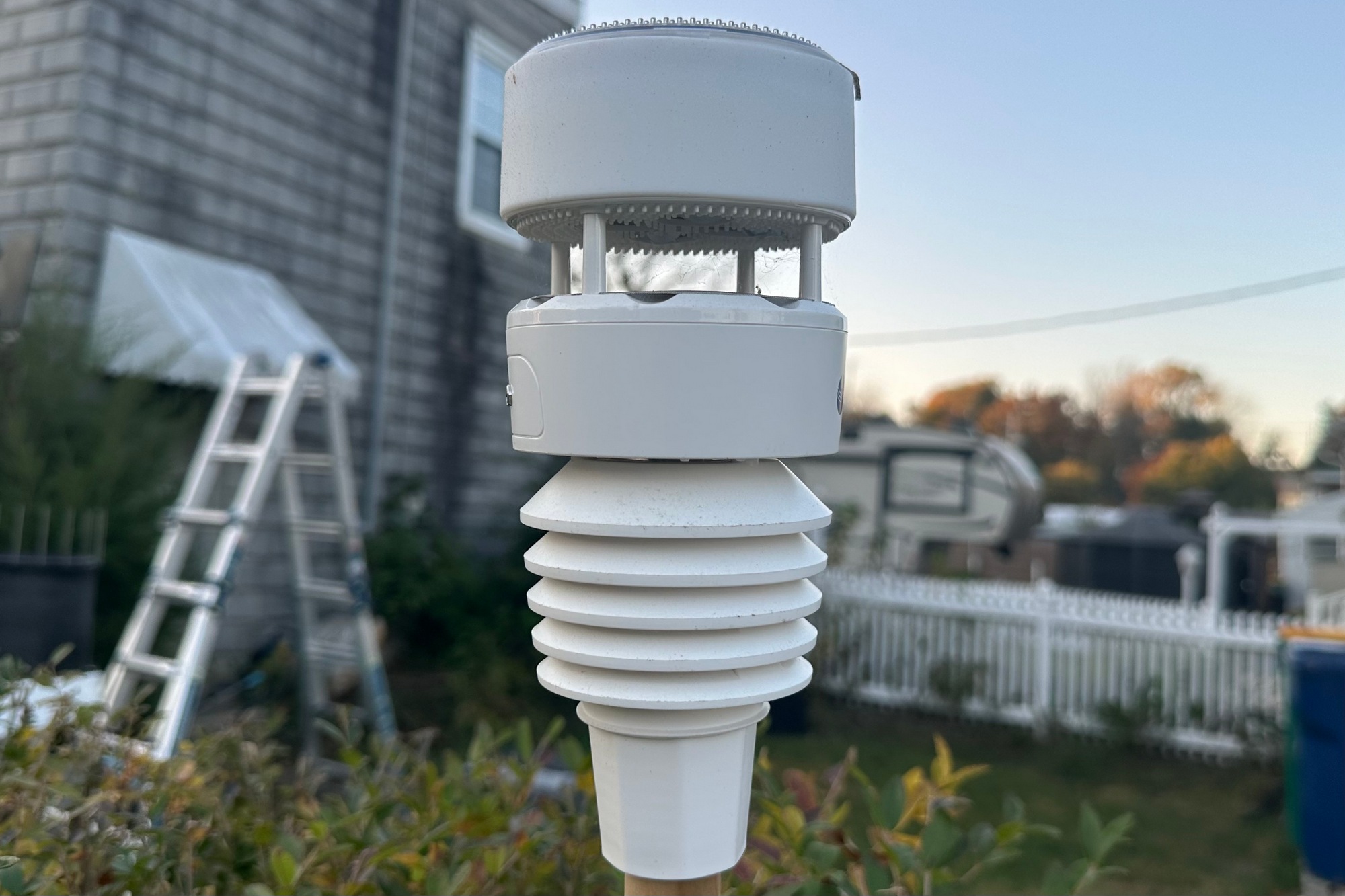
The Tempest distinguishes itself through its minimalist, all-in-one design. Every sensor—temperature, humidity, wind, and rain—is contained in a single, sleek housing.

- The Killer Feature: Its lightning detection is industry-leading. If you live in a region prone to severe electrical storms, the Tempest provides accurate, real-time alerts that can be vital for safety.
- Smart Integration: Because it relies heavily on IFTTT and cloud-to-cloud connectivity, it is a powerhouse for users who want to create complex smart-home automation chains.
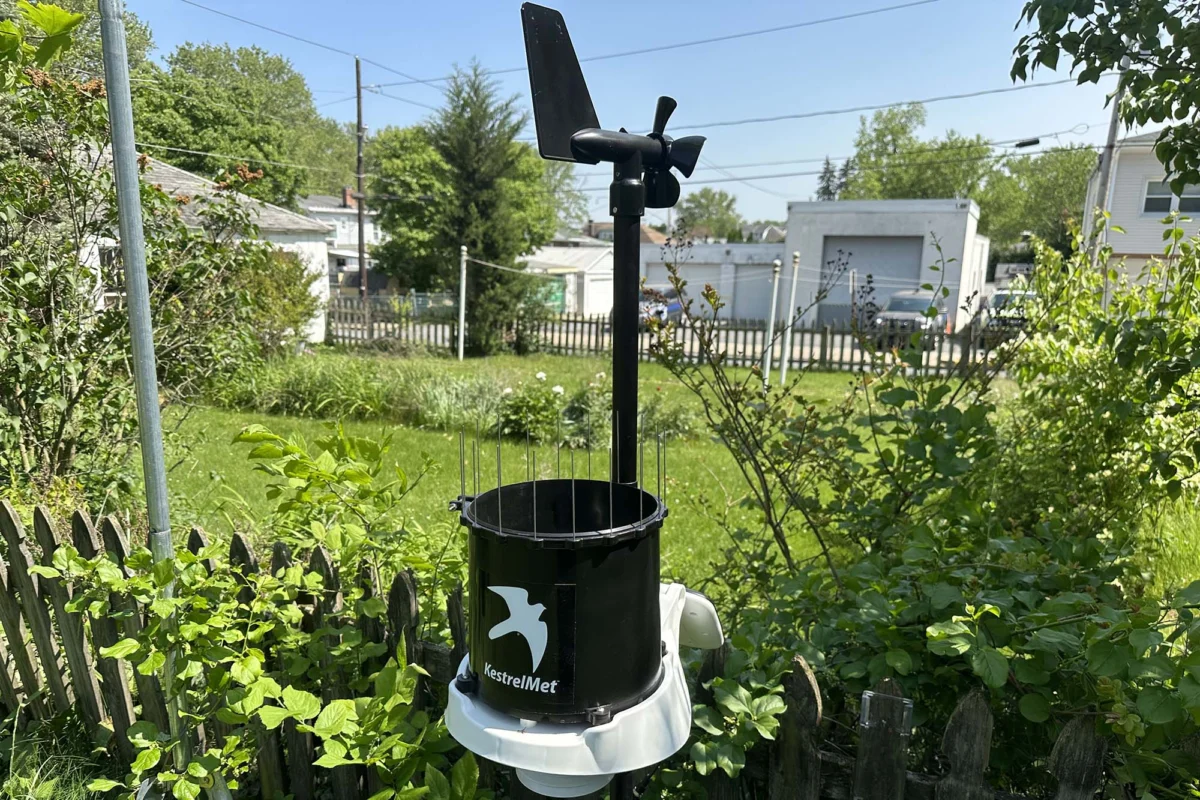
3. KestrelMet 6000 – The Gold Standard for Enthusiasts
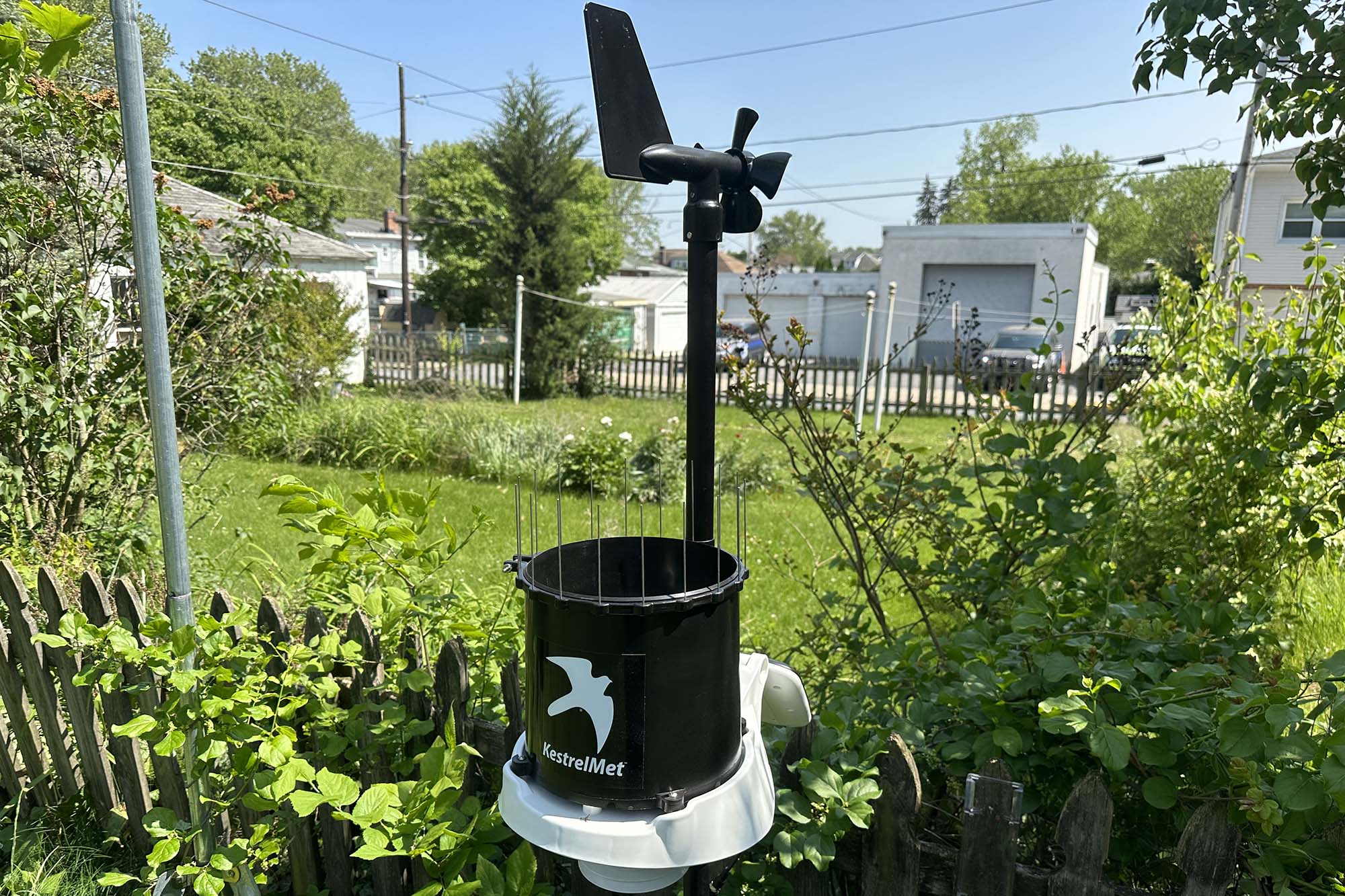
For those who refuse to compromise on accuracy, the KestrelMet 6000 is the clear choice. We have installed this unit full-time at our testing facility to serve as our "reference standard" against which all other stations are measured.
- Performance: The sensors are exceptionally durable and provide scientific-grade accuracy that is rarely found in the consumer market.
- Investment: With a price tag near $1,000, it is not for the casual hobbyist, but for those who demand precision and reliability, it is worth every penny.
Supporting Data: How We Evaluate Accuracy
Accuracy is the hardest metric to quantify because no two backyards are identical. To ensure our ratings are fair, we observe every unit for at least 30 days. We compare our readings against NWS data while accounting for local variability.
We specifically analyze:
- Temperature Variance: Inexpensive stations often struggle with solar radiation. We look for stations that utilize high-quality radiation shields to prevent "false highs" during sunny days.
- Humidity Sensitivity: Many budget models are 10–15% off at high humidity levels. We prefer models that maintain a margin of error within 5%.
- Wind and Rain Durability: We look for construction materials that can withstand UV exposure and extreme temperatures. A station that fails after one season of heavy rain is not a value, regardless of its low cost.
The Implications of Sensor Placement
Even the most expensive weather station will provide garbage data if it is installed incorrectly. Our meteorology-based guidelines for setup are non-negotiable:
- Temperature/Humidity: Place your sensors in a shaded, grassy area, roughly 4 to 6 feet above the ground. Avoid mounting near concrete or asphalt, which act as heat sinks and will artificially inflate temperature readings.
- Rain Gauge: Ensure the gauge is away from trees or buildings that might create a "rain shadow" or, conversely, create splash-back. The NWS recommends that the distance from an obstruction should be at least as great as the height of the obstruction.
- Anemometer: This is the most challenging sensor. Ideally, wind sensors should be 33 feet above the ground. While this is rarely possible for residential users, mounting them at least 10 feet above the roofline of your home is the goal to ensure unobstructed wind flow.
Conclusion: Investing in Your Home Environment
The market for home weather stations is currently flooded with "all-in-one" budget units found in hardware stores. We urge caution here: these units are typically constructed from low-grade plastic and utilize sensors that degrade within months.
When choosing your station, look for modularity. Systems that allow you to add or replace individual sensors (like a separate soil moisture probe or a dedicated UV sensor) provide far more value over the long term than sealed, disposable units.

Whether you are looking to optimize your garden’s irrigation, improve your safety during storm season, or simply satisfy a scientific curiosity about your local climate, there is a device available today that will bring the power of the National Weather Service directly to your smartphone. By focusing on quality, proper placement, and smart home compatibility, you can transform your backyard into a data-rich environment that informs your daily life in ways you never thought possible.