Overview of the Allegations
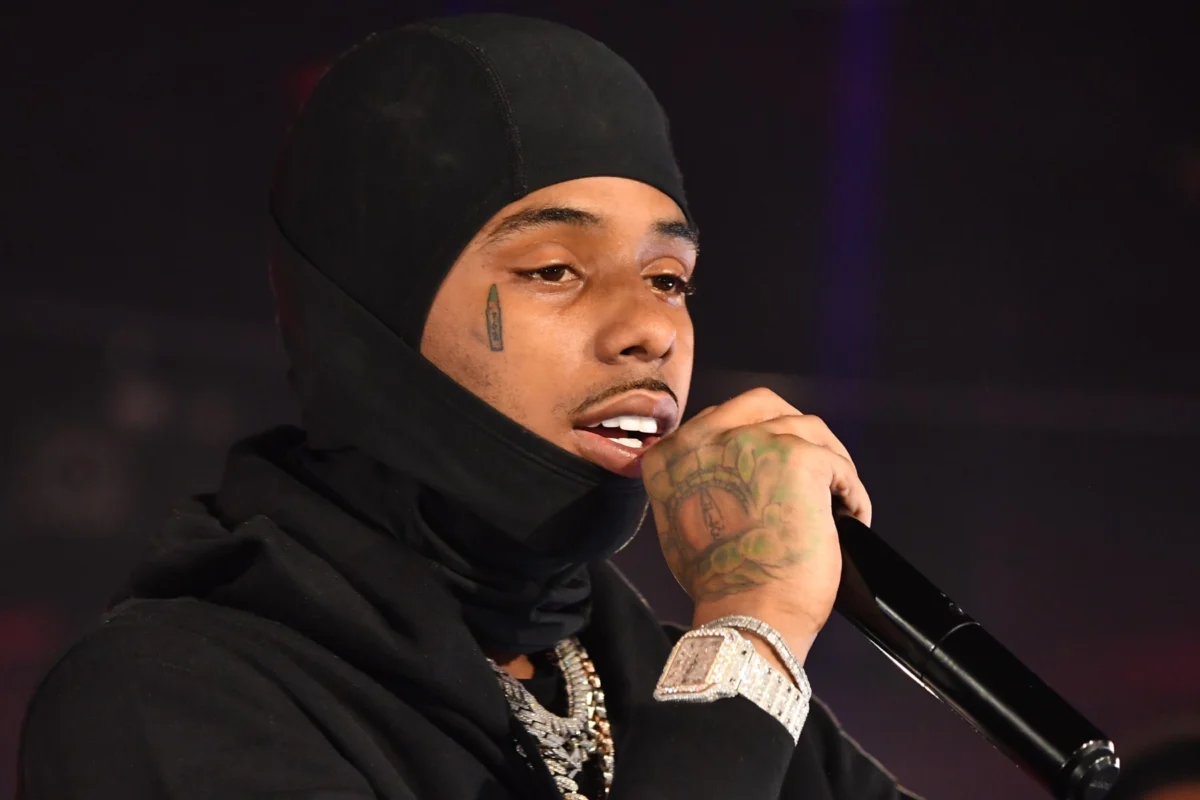
New, potentially damaging evidence has surfaced in the federal case against Memphis rapper Pooh Shiesty, born Lontrell Williams Jr. Prosecutors have submitted documentation and digital evidence to a Texas federal court, alleging that the "Back in Blood" artist orchestrated a high-stakes robbery and kidnapping involving his former mentor, Gucci Mane.
According to filings viewed by Billboard, the prosecution claims that Shiesty—while under federal home confinement—leveraged a firearm to coerce Gucci Mane into signing a "release of contract" document. This agreement was purportedly intended to terminate Shiesty’s professional ties with 1017 Records, the label that signed the artist in 2020. The emergence of this evidence marks a significant escalation in the legal battles surrounding the rapper, who remains in custody as he awaits a trial now rescheduled for February 2027.
A Chronology of the Alleged Incident
The events in question are said to have unfolded on January 10 in a Dallas recording studio. According to federal investigators, what began as a routine creative session devolved into a criminal enterprise.
- January 10: The alleged altercation occurs at a Dallas-based recording studio. Prosecutors claim that Shiesty, accompanied by his father, Lontrell Williams Sr., and fellow rapper Big30 (Rodney Lamont Wright Jr.), initiated a confrontation with Gucci Mane’s team.
- The Confrontation: The prosecution’s theory suggests that the group drew firearms and effectively barricaded Mane and his associates within the studio. Under the duress of the weapons, Mane was allegedly forced to sign paperwork legally binding his exit from the 1017 Records partnership.
- April 1: Federal authorities execute a series of arrests. Eight individuals, including Shiesty, his father, and Big30, were taken into custody in connection with the incident. The charges range from armed robbery and kidnapping to the illegal use of firearms.
- May: Shiesty’s initial request for bail is formally denied by a Texas federal judge, citing the severity of the allegations and the perceived danger to the community.
- June 24: Shiesty’s defense team files a motion to review the detention orders, hoping to secure his release. In response, federal prosecutors submit the new evidence to the court, reinforcing their position that the defendant is a flight risk and a danger to witnesses.
Supporting Data and Forensic Evidence
The prosecution’s recent filing is not merely based on witness testimony; it centers on tangible, digital evidence that they believe corroborates the accounts provided by the victims.
The Surveillance Footage
Central to the prosecution’s case is video footage purportedly captured within the recording studio during the incident. Prosecutors describe the video as showing Gucci Mane being coerced at gunpoint to sign a document formally declaring that Shiesty was "dropped" from 1017 Records. Officials state that the visual record aligns perfectly with the statements provided by those present, serving as a primary pillar for the state’s case.
The USB Drive and Digital Paperwork
In addition to the video, investigators have entered an 8GB USB drive into evidence. While the specific contents have not been fully disclosed to the public, the inclusion of the device suggests that critical metadata or secondary recordings may exist to link the defendants to the crime.
The "Release of Contract"
Prosecutors provided the court with a copy of the specific document Mane was allegedly forced to sign. The paperwork outlines a "full termination and release" of the 2020 agreement between 1017 Global Music LLC and Lontrell Williams. The legal language specifically references the original contract, seeking to dissolve all professional obligations. Prosecutors argue that the existence of this document, signed under the circumstances alleged, constitutes clear evidence of intent to commit extortion and kidnapping.
Official Responses and Legal Strategy
The legal proceedings have been characterized by a stark divide between the prosecution’s narrative and the defense’s efforts to secure pretrial release.

The Prosecution’s Stance
Federal prosecutors have maintained a firm stance, arguing that the evidence—specifically the combination of video surveillance and the signed contract—demonstrates a "strong proof of guilt." By highlighting the brazen nature of the alleged crime (conducted while the artist was already under home confinement), the government is painting a picture of an individual who has total disregard for the judicial process. They argue that the complexity of the crime, involving multiple co-conspirators and a premeditated plan to void a contract, necessitates continued detention.
The Defense’s Strategy
Pooh Shiesty’s legal team has focused on challenging the detention orders. Their motion to review the bail request emphasizes that the defendant’s constitutional rights are at stake and that the prosecution’s characterization of the event is overly inflammatory. The defense is likely looking to discredit the source of the video or argue that the events at the studio have been misinterpreted or framed to fit a specific criminal narrative. However, the introduction of the "release of contract" document complicates this strategy, as it provides a concrete motive that is difficult to dismiss as mere coincidence.
Implications: The Future of a Rising Career
The implications of these charges extend far beyond the courtroom. For Pooh Shiesty, whose meteoric rise in the rap industry was punctuated by the success of "Back in Blood," this legal crisis represents a potential career-ending trajectory.
Impact on the Music Industry
The incident highlights the volatile intersection of hip-hop business and street culture. The fact that a contractual dispute allegedly escalated to the point of armed kidnapping speaks to the intense pressures within the music industry. Labels and artists alike are watching this case closely, as it raises questions about the safety of recording environments and the enforceability of contracts signed under duress.
Long-Term Legal Consequences
With the trial date pushed back to February 22, 2027, the legal system has effectively placed Shiesty’s professional life on hold for several years. This delay serves as a reminder of the slow pace of federal litigation, particularly in complex cases involving organized groups and multi-layered charges. Should he be convicted, the sentencing guidelines for kidnapping and armed robbery—particularly given the federal nature of the case—could result in a decades-long prison term.
Public and Fan Sentiment
The public response has been polarized. While some fans remain loyal to the "Shiesty Season" aesthetic, others are deeply concerned by the nature of the allegations. The involvement of family members—specifically the inclusion of his father in the indictment—adds a tragic layer to the narrative, fueling public discourse on the influence of environment and mentorship in the rap community.
As the 2027 trial date approaches, the legal battle will likely grow more intense. With the prosecution confident in their digital evidence and the defense fighting against long-term incarceration, the case of United States v. Lontrell Williams Jr. stands as a significant case study in how digital forensics and high-stakes criminal allegations can alter the trajectory of a modern celebrity. The court will ultimately determine whether the evidence on the 8GB USB drive and the video surveillance is enough to secure a conviction, but for now, the rapper remains in custody, his future hanging in the balance of the federal justice system.