By Tech Insights Bureau
July 1, 2026
As Apple navigates a period of significant transition—both in terms of its internal leadership succession and the broader volatility of the global electronics supply chain—the company is reportedly doubling down on its core hardware portfolio. According to recent reports, Apple is currently deep into the development of a refreshed iPad Pro lineup and an ambitious new “entry-level” MacBook Pro, both slated for a market debut in the first half of 2027.
These upcoming releases arrive at a pivotal moment for the tech giant. As whispers of a potential foldable iPhone continue to circulate and the shadow of post-Tim Cook era planning looms over Cupertino, Apple’s hardware strategy is balancing the need for cutting-edge innovation with the harsh economic realities of rising production costs.
The Core Developments: What to Expect in 2027
The most significant takeaway from the recent intelligence is Apple’s aggressive push into the next generation of silicon. Sources familiar with the company’s internal roadmap suggest that Apple is readying its highly anticipated M7 processor, a chip expected to deliver substantial leaps in performance and power efficiency.
The iPad Pro Expansion
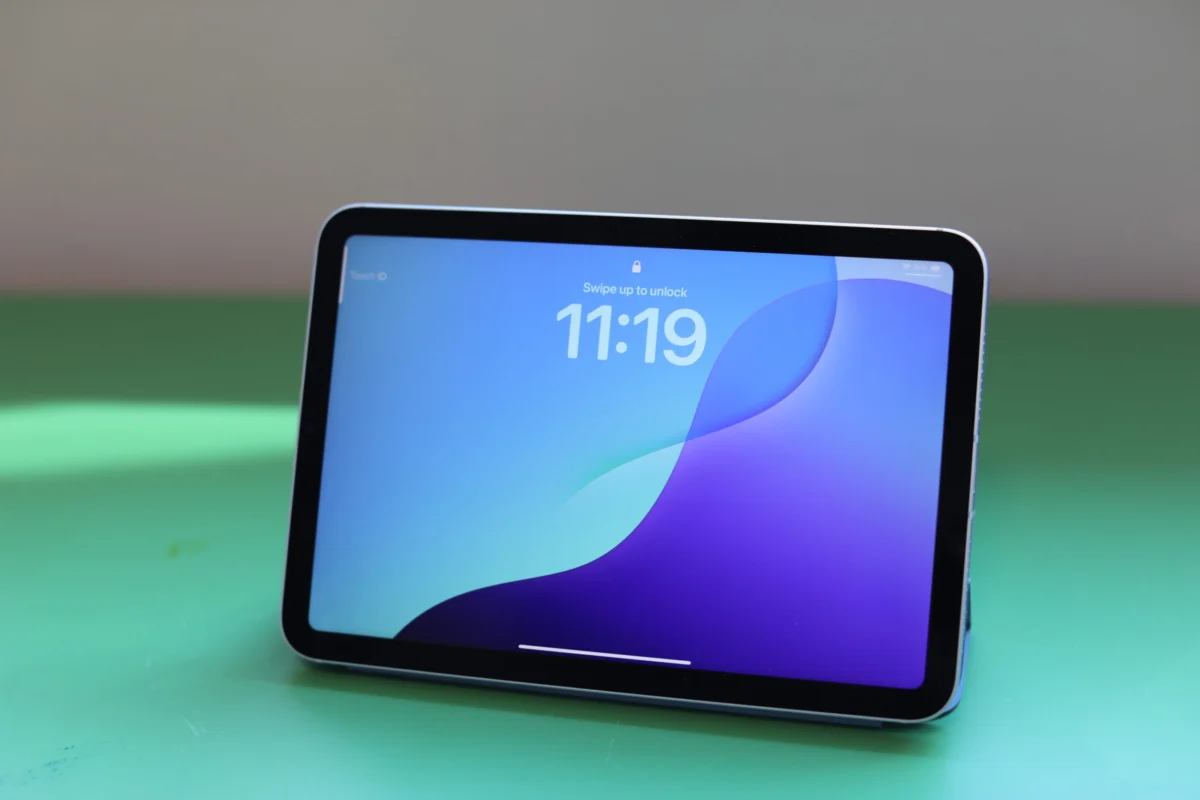
Apple is reportedly working on four distinct models of the new iPad Pro. While specific technical specifications remain under wraps, the industry expects these devices to leverage the M7 architecture to offer desktop-class performance in a tablet form factor. By diversifying the iPad Pro range, Apple aims to cater to both the creative professional who requires extreme graphical prowess and the enterprise user looking for a modular computing solution.
The Return of the "Entry-Level" MacBook Pro
Perhaps the most intriguing development is the internal project codenamed "K104." This initiative focuses on an entry-level MacBook Pro. This is a strategic pivot for Apple, which has historically maintained a clear, sometimes expensive, demarcation between its consumer-grade MacBook Air and its high-end professional laptop lines.
The introduction of an entry-level Pro model suggests that Apple is attempting to capture a larger share of the professional market—specifically developers, students, and freelancers who need the thermal headroom and port selection of a Pro machine but cannot justify the premium pricing of the current high-end M5-powered models.
A Chronology of Recent Hardware Evolution
To understand the significance of these 2027 plans, one must look at the rapid-fire release schedule Apple has maintained over the past eighteen months.
- October 2025: Apple introduces the latest iteration of the iPad Pro, featuring the powerful M5 chip, setting a new benchmark for tablet performance.
- March 2026: A busy month for Cupertino, seeing the launch of high-end MacBook Pros powered by the M5 Pro and M5 Max chips.
- March 2026 (Concurrent): The release of the "MacBook Neo." This device served as a fascinating experiment, utilizing the A18 chip—typically reserved for the flagship iPhone—in a laptop form factor. While highly praised for its repairability and design, the Neo highlighted Apple’s willingness to experiment with cross-platform silicon.
- June 2026: Supply chain pressures reach a boiling point, leading to significant price hikes across the MacBook and iPad lines, with 1TB models seeing increases of up to $300.
- July 2026 (Current Status): Development cycles for the 2027 hardware portfolio are confirmed to be in full swing, with a focus on the M7 chip and the K104 MacBook Pro.
Supporting Data: Supply Chain Constraints and Market Pricing
The primary driver behind Apple’s recent strategic shifts is the global supply chain crisis, which has forced the company to abandon some of its historical pricing stability.
The Cost of Innovation
In June 2026, the industry was shaken when Apple increased the price of its MacBook Pro models with 1TB of storage from $1,699 to $1,999. This move was a direct reflection of skyrocketing memory costs and the increased expense of procuring advanced semiconductors.

For the average consumer, these price hikes represent a barrier to entry. This is why the "entry-level" MacBook Pro is so critical. By streamlining production and potentially optimizing the thermal design to lower the cost of manufacturing, Apple could mitigate some of the pricing pressure that has alienated a segment of its core user base.
Strategic Silicon Allocation
The move to the M7 chip is not just about raw power; it is about architectural longevity. As Apple prepares to move toward a post-Tim Cook era, the company is looking to ensure that its hardware remains the gold standard for integrated software-hardware experiences. The ability to deploy the M7 across both tablets and laptops allows Apple to consolidate its software development efforts, ensuring that macOS and iPadOS remain in perfect lockstep.
Official Responses and Corporate Silence
As is standard practice, Apple declined to provide specific comments regarding its upcoming product roadmap. When reached for comment, a company spokesperson reiterated that Apple is "constantly innovating to bring the best tools to our users," but declined to elaborate on the K104 project or the specific launch windows for the 2027 lineup.
This silence is consistent with Apple’s long-standing strategy of maintaining secrecy around future hardware until the stage is set for a formal unveiling. However, the intensity of the leaks suggests that internal testing and manufacturing partner coordination have reached a stage where information is beginning to filter out through the supply chain.
Strategic Implications: A New Era for Apple
The implications of these developments extend far beyond hardware specifications.
The Post-Cook Landscape
The internal push to diversify the product lineup suggests a company that is preparing for a transition. By ensuring that the product portfolio is segmented clearly—from the entry-level MacBook Pro to the high-end iPad Pro—Apple is creating a robust structure that can withstand potential leadership changes. A diverse, high-performing product catalog is the best insurance policy against market volatility.
Balancing Innovation and Accessibility
The success of the "MacBook Neo" demonstrated that there is a massive appetite for Apple hardware that bridges the gap between premium and accessible. If the K104 project is successfully brought to market, it could signal a long-term shift in Apple’s philosophy. No longer will "Pro" necessarily mean "the most expensive device in the catalog." Instead, it may evolve into a descriptor for a specific set of professional-grade capabilities, regardless of the price point.
The Foldable Factor
While the focus of this report is on the 2027 laptop and tablet refresh, the backdrop of a potential foldable iPhone cannot be ignored. If Apple successfully integrates the M-series architecture into smaller, more flexible form factors, it could change the way we interact with mobile devices entirely. The 2027 releases will likely serve as the testing ground for the power efficiency requirements of these future form factors.
Conclusion: A Pivot to Value?
As we look toward the first half of 2027, the tech world will be watching to see if Apple can successfully navigate the tension between maintaining its high-margin status and addressing the growing demand for accessible professional tools. With the M7 chip at the heart of its strategy, the company seems poised to deliver its most comprehensive hardware refresh in years.
For the consumer, the hope is that these new products will offer more than just incremental speed improvements; they may represent a return to a more balanced pricing strategy—a necessary correction in an era where technology costs have become increasingly difficult for the average user to bear. Only time, and perhaps an Apple Special Event in early 2027, will tell.