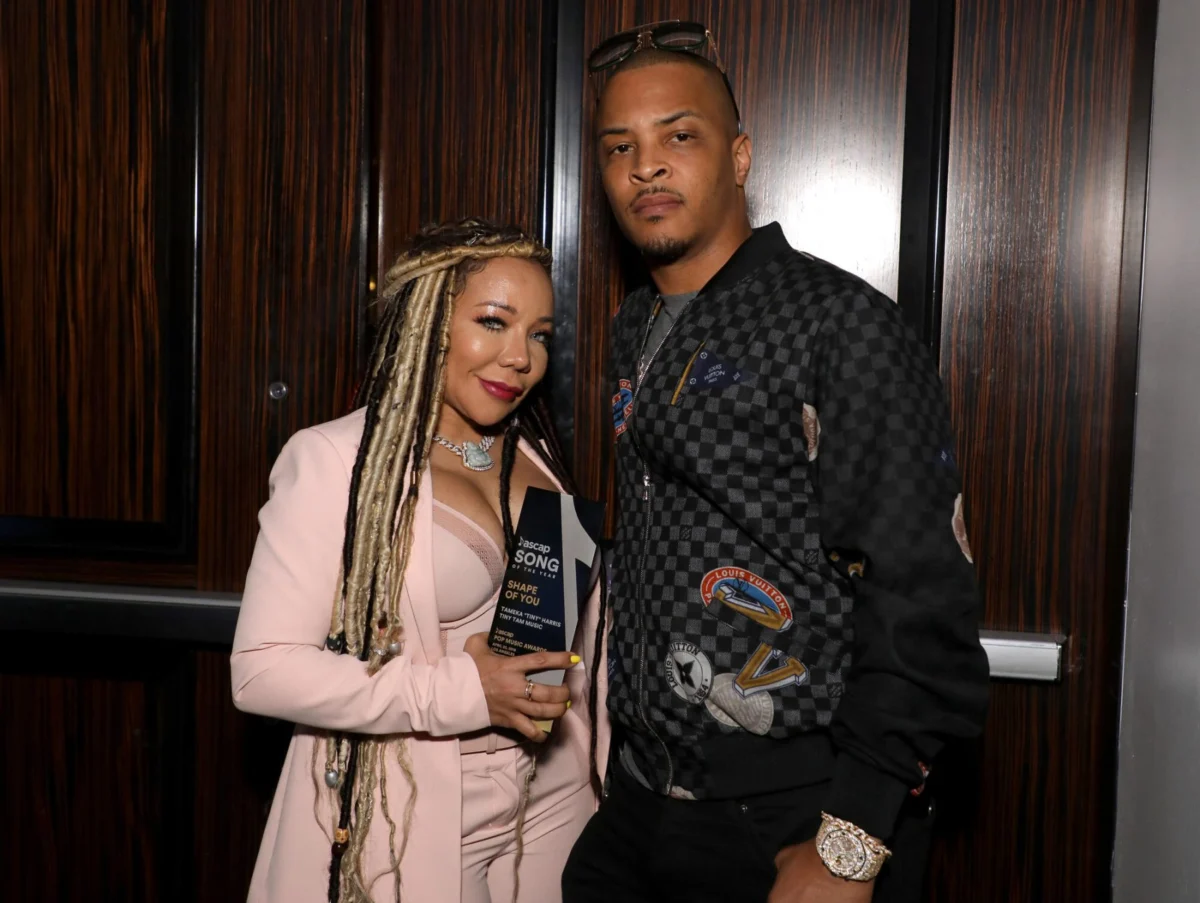
The high-stakes legal saga between music industry power couple T.I. (Clifford Harris) and Tameka “Tiny” Harris and the toy manufacturing giant MGA Entertainment has reached another pivotal, albeit frustrating, milestone. On Wednesday, July 1, a federal jury delivered a verdict that effectively concluded the fourth trial in a six-year battle over intellectual property rights. While the couple walked away with a significant $18 million judgment—a testament to their perseverance—they were denied the additional punitive damages they sought, marking a bittersweet end to their most recent attempt to hold the toy maker accountable for what they describe as a malicious appropriation of their brand.
The Core Dispute: The OMG Girlz vs. The O.M.G. Dolls
At the center of this protracted conflict is the "OMG Girlz," a teen pop group founded by the Harrises in 2009. The group, which featured their daughter Zonnique Pullins alongside members Bahja Rodriguez and Breaunna Womack, became a notable cultural touchstone, recognized for their vibrant, neon-colored hair, eclectic fashion sense, and distinct branding.
In 2020, T.I. and Tiny filed suit against MGA Entertainment, the powerhouse behind global toy phenomena like Bratz and Little Tikes. The complaint alleged that MGA’s line of “O.M.G.” dolls was a direct, unauthorized imitation of the OMG Girlz. The Harrises argued that the toy company had essentially scavenged the group’s identity—name, likeness, and aesthetic—to bolster their own product line, effectively infringing upon the couple’s intellectual property and the creative rights of the young women involved. MGA has consistently maintained its innocence, claiming the dolls were an original creation and that no infringement occurred.
A Chronology of Conflict: Six Years of Litigation
The journey to the current verdict has been defined by a series of judicial hurdles, mistrials, and evolving legal standards that have made this one of the most complex intellectual property cases in recent entertainment history.
The Initial Struggles (2020–2023)
The legal friction began in 2020 when the Harrises initiated the litigation. The first attempt to bring the case to a resolution in 2023 ended in a mistrial, marred by procedural issues and the introduction of improper testimony regarding race, which compromised the integrity of the proceedings. Shortly thereafter, a second trial took place later that same year, during which a jury found MGA free of all wrongdoing. However, the legal tide shifted when that verdict was vacated on appeal due to changing Supreme Court precedents regarding intellectual property and fair use, effectively hitting the "reset" button on the entire case.
The 2024 Breakthrough
The momentum seemed to swing firmly in favor of the Harrises in 2024. A third trial resulted in a massive victory for the plaintiffs, with a jury finding that MGA had intentionally copied the OMG Girlz. The jury awarded the couple $18 million in profits, plus an additional $53 million in punitive damages—a total of $71 million. It appeared that the Harrises had successfully proven that MGA’s actions were not just an accidental overlap, but a willful, malicious act of theft.

The Appellate Setback and the Fourth Trial
The victory was short-lived. Last summer, the presiding judge struck down the $53 million in punitive damages, ruling that the evidence presented by the Harrises did not meet the high threshold of "clear and convincing evidence of willful infringement or conscious disregard for the rights of others." This judicial intervention necessitated a fourth, limited-scope trial focused exclusively on the question of punitive damages. The jury’s decision on July 1 to deny these extra damages effectively finalized the compensation at the original $18 million figure, leaving the couple without the additional financial penalty they had hoped to impose on the toy manufacturer.
The Legal and Ethical Implications
The denial of punitive damages carries significant weight in the world of intellectual property law. Punitive damages are designed not merely to compensate the plaintiff for their losses, but to punish the defendant and deter future misconduct. By rejecting this request, the jury essentially signaled that while they agree the Harrises are owed compensation for their intellectual property, they did not find that MGA’s conduct rose to the level of malicious intent required to trigger an additional, punitive financial penalty.
This distinction highlights the difficulty plaintiffs face when taking on corporate entities with massive legal departments. Proving that a multibillion-dollar company acted with "conscious disregard" requires an immense burden of proof—one that often forces plaintiffs to endure years of litigation, high legal fees, and immense personal stress.
Official Responses and the Road Ahead
Following the verdict, the legal team representing the Harrises expressed a mix of professional gratitude and profound disappointment. In a statement to Billboard, the attorneys emphasized that while the $18 million award is a victory, the outcome regarding punitive damages suggests that current legal protections for creatives remain insufficient.
“We appreciate the jury’s time and consideration, but we are disappointed in the verdict,” the lawyers stated. They went on to articulate a broader concern about corporate accountability: “It’s clear from the evidence that MGA’s policies are inadequate to prevent this type of IP infringement and their document retention and collection procedures are equally as suspect. We will continue to fight for our clients’ rights and the rights of all creatives.”
This statement hints that the battle may not be entirely over, or at the very least, that the Harrises intend to use this platform to advocate for stricter standards in how large corporations handle the intellectual property of smaller, independent artists. As of this writing, representatives for MGA Entertainment have not provided a formal response to the latest verdict.

Implications for the Creative Industry
The T.I. and Tiny vs. MGA saga serves as a cautionary tale for the entertainment industry. It underscores the fragility of branding in the age of viral trends. When a musical act establishes a visual and cultural identity, they are essentially creating an asset that is as valuable as a trademarked logo.
For other artists and influencers, the lesson is clear: protecting one’s intellectual property is a long, expensive, and often exhausting endeavor. The Harrises’ refusal to back down over the course of six years has brought much-needed attention to the ways in which large corporations can, intentionally or unintentionally, dilute the brand equity of smaller creators. Even without the punitive damages, the fact that the couple secured an $18 million judgment against a giant like MGA is a significant feat. It establishes a precedent that artists can—and will—fight back when they believe their creative identity has been pilfered.
Furthermore, the case has highlighted potential systemic issues in how companies handle internal documents and intellectual property compliance. The Harrises’ legal team’s focus on MGA’s "suspect" document retention procedures suggests that future cases of this nature may hinge more heavily on the discovery process and the ability of companies to prove that their creative processes are independent of the artists they are accused of copying.
As the dust settles on this fourth trial, the Harrises emerge not as the winners of a massive windfall, but as survivors of a legal marathon that has reshaped the discourse around artist rights. Whether this case leads to changes in how MGA and other toy manufacturers approach product development remains to be seen. However, one thing is certain: the music industry is watching, and the bar for protecting creative identity has been raised. The Harrises may not have received the full sum they sought, but their persistence has ensured that their fight for the OMG Girlz legacy will remain a landmark case for years to come.