
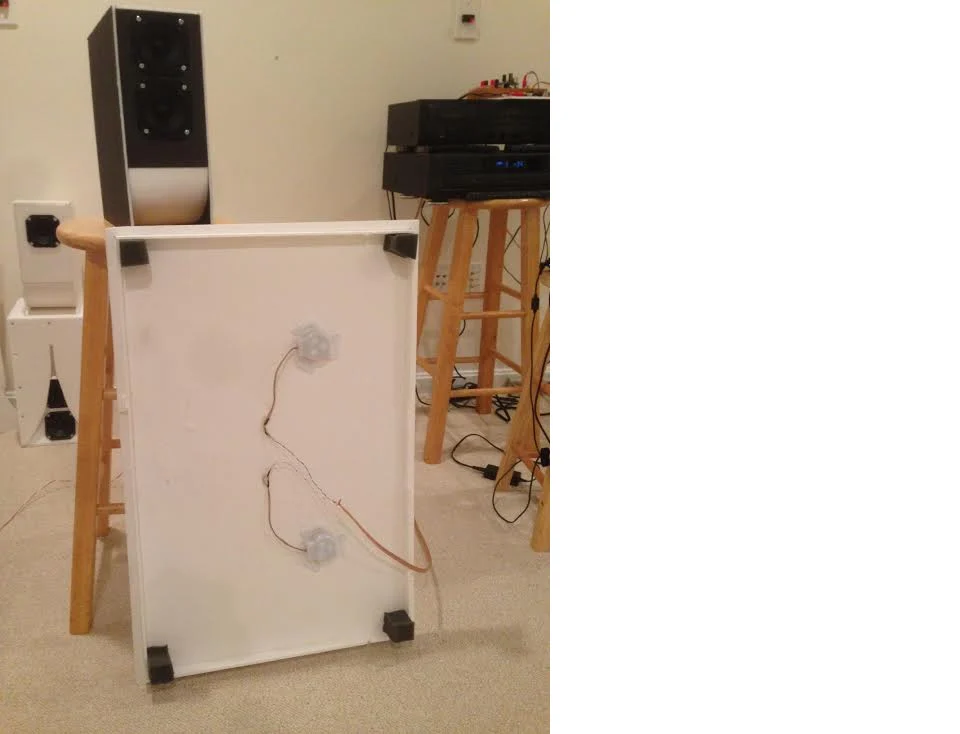
In the world of high-fidelity audio, the pursuit of the "perfect" speaker has historically been defined by the movement of heavy, conical diaphragms within rigid, sealed, or ported boxes. However, a quiet revolution has been brewing among DIY enthusiasts and acoustic engineers alike: the Distributed Mode Loudspeaker (DML). By abandoning the traditional piston-driven cone in favor of a vibrating panel, DML technology promises a sonic experience that is as unconventional as it is compelling—offering deep bass, snappy transients, and an open, omnidirectional soundstage from a device as humble as a piece of foam core board.
Main Facts: Redefining Acoustic Transduction
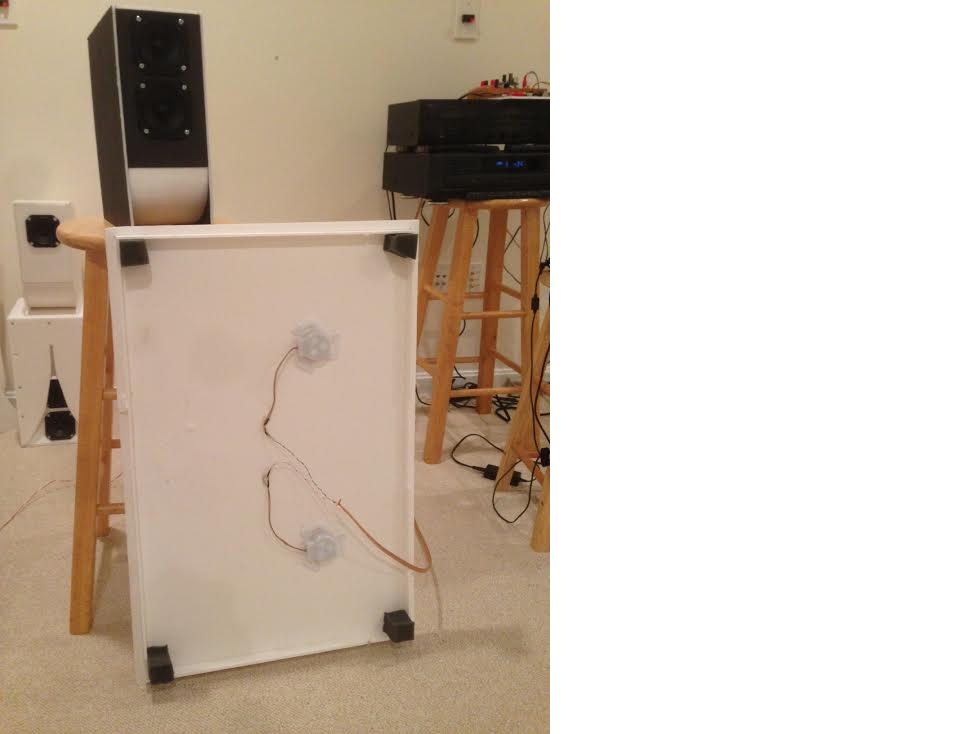
At its core, a Distributed Mode Loudspeaker operates on principles fundamentally different from conventional dynamic drivers. While a standard speaker acts like a piston—pushing air through forward and backward motion—a DML relies on bending waves. When an "exciter" (a small voice coil mechanism) is attached to a flat, rigid panel, it induces vibrations that propagate across the surface. These vibrations create a complex, multi-modal sound field.
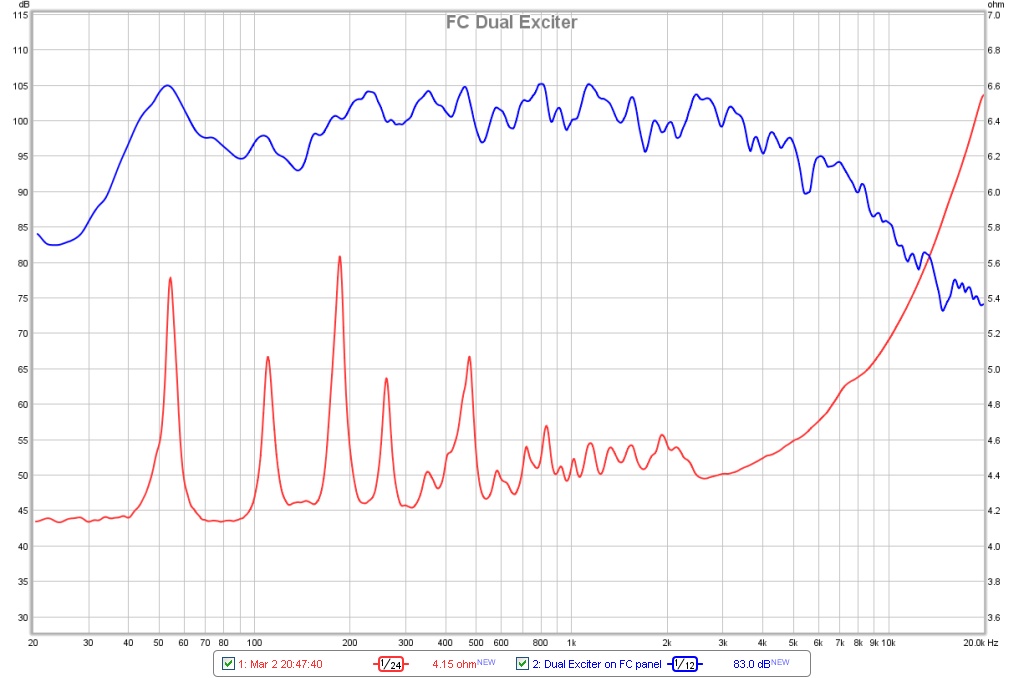
The most striking characteristic of the DML is its efficiency and frequency range relative to its size. Unlike traditional speakers, which require massive enclosures to manage back-pressure and bass rolloff, DMLs function without a traditional baffle. Remarkably, they can produce frequency responses reaching down to 40Hz to 50Hz, challenging the long-held belief that only large, enclosed woofers can achieve deep bass. Furthermore, because they operate through complex modes rather than a single piston stroke, they offer an exceptionally "flat" impedance load, making them remarkably easy for amplifiers to drive.
Chronology of the DML DIY Movement
The journey toward perfecting the DML as a full-range solution has been a collaborative, multi-year endeavor documented extensively on community forums like diyAudio.
Early Experiments (2013–2015)
The early phase of the DML movement was characterized by "proof of concept" builds. Enthusiasts began utilizing cheap exciters salvaged from broken drivers or purchased from hobbyist suppliers like Parts Express. The discovery that standard dollar-store foam core could serve as a high-fidelity diaphragm was a turning point. Early testing revealed that a 20×30 inch panel could produce surprisingly full-bodied sound, with transients—the "snap" of a drum or the pluck of a guitar string—that rivaled much more expensive commercial speakers.
The Era of Refinement (2019–2022)
As the community grew, the focus shifted from simple experimentation to engineering optimization. Key contributors like "BurntCoil" and "homeswinghome" emerged, providing rigorous analysis on how to maximize performance.
- 2019: Technical discussions centered on mounting techniques and mass-loading, proving that the boundary conditions (how the panel is held) and the strategic addition of weight could tame unruly resonant spikes.
- 2021: A centralized repository of DML research was compiled, gathering decades of academic and industrial patents and papers to assist new builders.
- 2022: The integration of Python scripting and computational modeling allowed for a more mathematical approach to material selection, moving beyond trial-and-error to predictive design.
Supporting Data: The Science of Mass and Mode
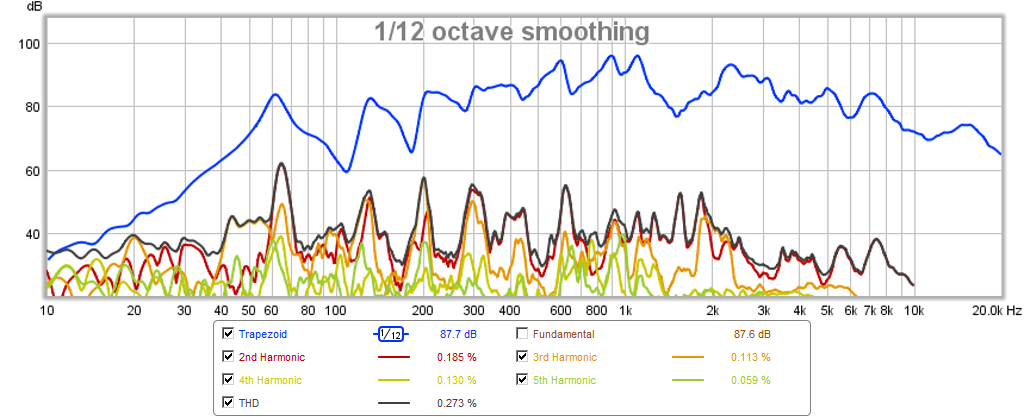
The beauty of the DML lies in the "tunability" of the panel. During testing, researchers discovered that the geometry of the panel significantly dictates the sound signature. Symmetric shapes, such as perfect rectangles, tend to suffer from "drum-head" eigenmodes—nasty resonance spikes that can ruin the audio experience. By moving to asymmetric, irregular shapes—such as trapezoids or complex pentagons—builders can "smear" these resonances, leading to a much smoother frequency response.
Mass Loading: The Equalizer of the Future
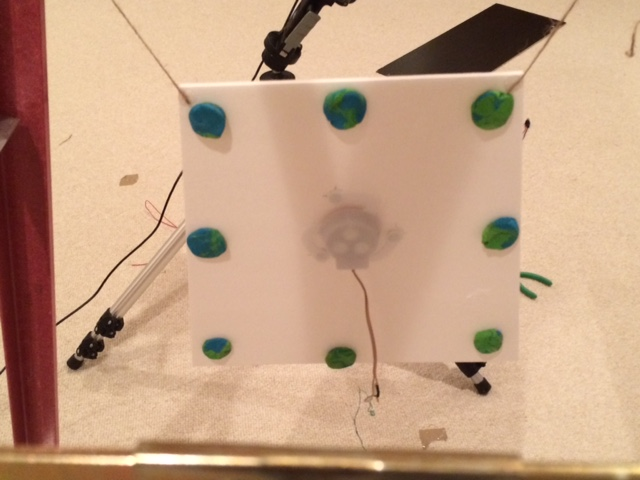
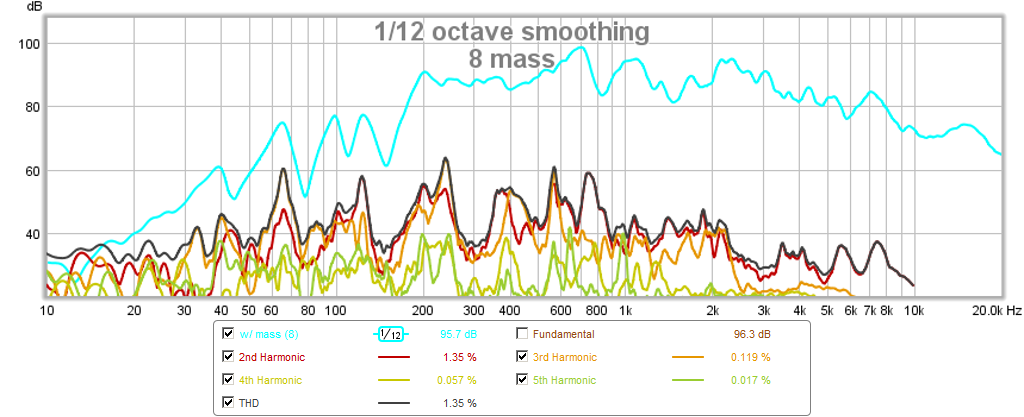
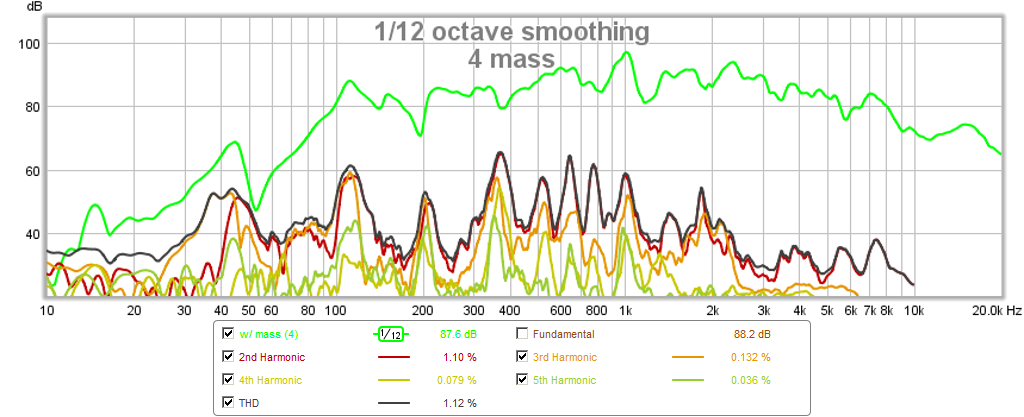
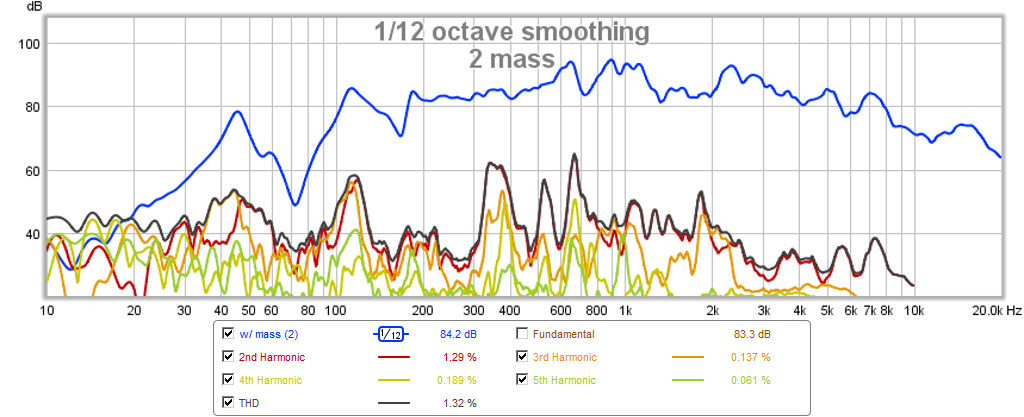
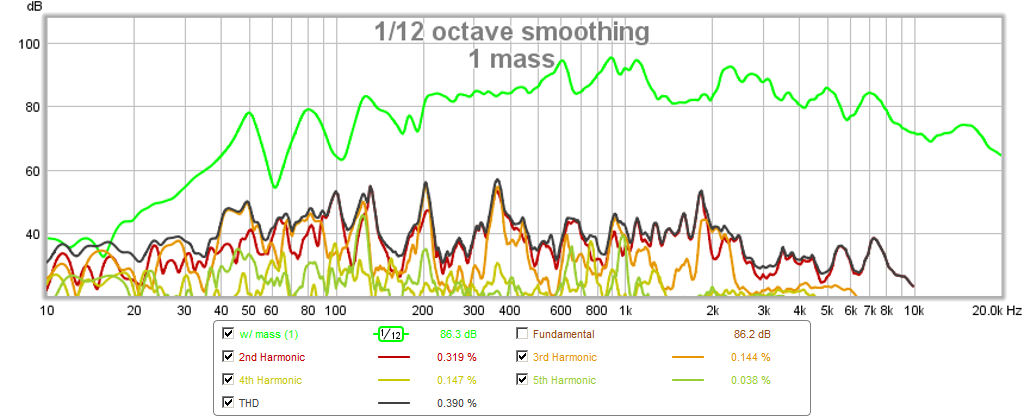
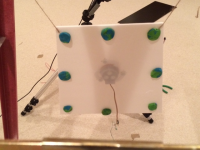
Perhaps the most fascinating experimental data comes from the application of "mass loading." By placing small blobs of modeling clay on specific areas of the panel, researchers have been able to "voice" their speakers in real-time.
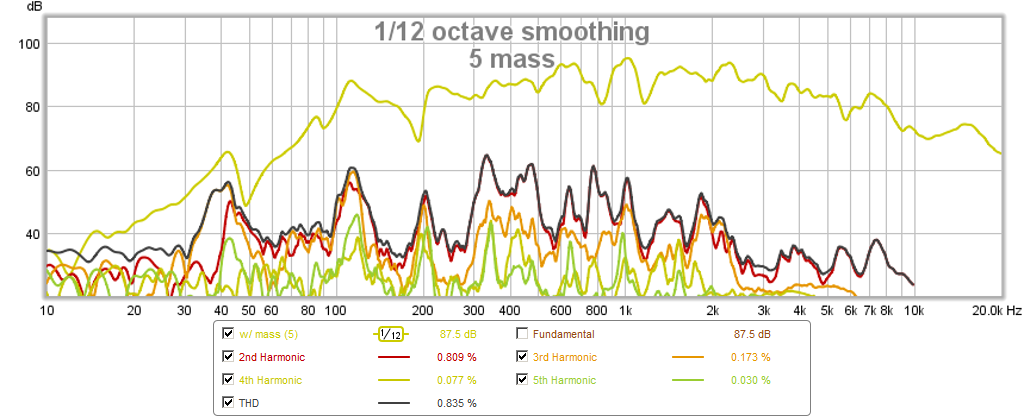
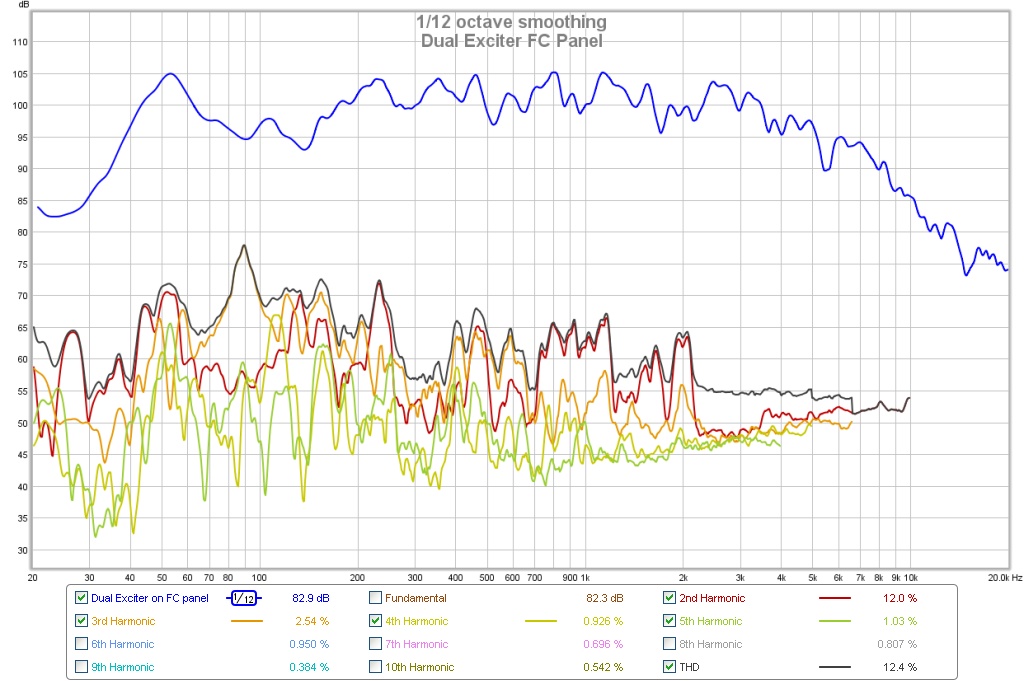
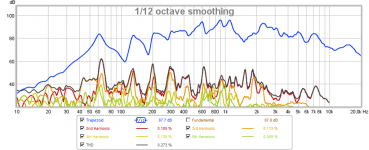
- Frequency Response: Data shows that adding mass effectively shifts the panel’s resonant frequency. A panel with no mass might exhibit a peaky, uneven response, while a carefully weighted panel (using 1 to 5 pieces of clay) flattens the curve significantly.
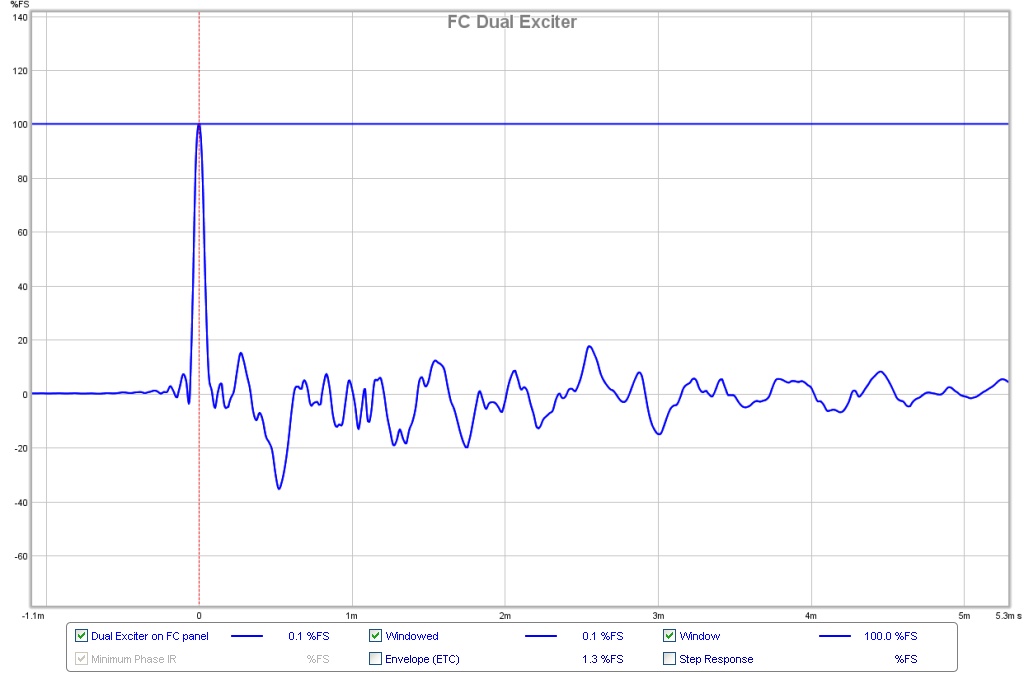
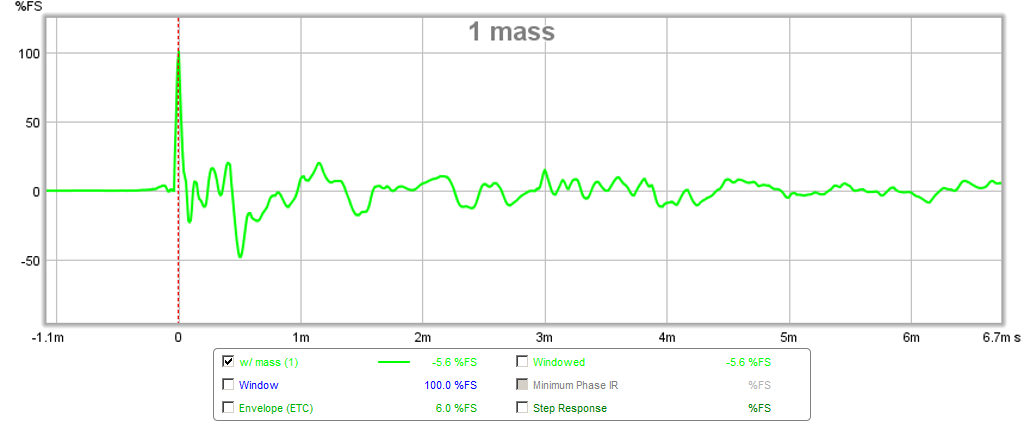
- Impulse Response: Testing confirms that when the panel is correctly mass-damped, the impulse response—the speaker’s ability to start and stop sounds instantly—is remarkably clean, with minimal "after-pulse" or ringing.
- Efficiency: Despite using small, low-power exciters, these panels achieve sensitivity levels around 85dB, comparable to many high-end bookshelf speakers, proving that large surface area can compensate for the lack of long-throw piston displacement.
Official and Community Perspectives
Within the audiophile community, the DML is viewed as a "hidden gem" of acoustic engineering. While major manufacturers have flirted with NXT (New Transducer) technology—the commercial progenitor of the DML—the DIY community argues that the potential is far greater than what has been marketed to the public.
Professional acoustic engineers, while often skeptical of the uncontrolled nature of panel resonances, have increasingly acknowledged that the DML approach offers a solution to the "box colorations" that plague traditional speakers. By removing the cabinet, one removes the internal standing waves and port resonances that color the sound. The consensus among the community experts is clear: the DML is not merely a "cheap" alternative to high-end audio; it is a different kind of audio, one that trades the "pressurized" sound of a box for the "diffuse" and "natural" sound of a panel.
Implications for the Future of High-Fidelity Audio
The implications of this ongoing research are profound for both the home hobbyist and the broader audio industry.
The Accessibility Factor
DML technology represents one of the most accessible entry points into high-end audio design. With components costing as little as $3 to $20, and materials like foam core and cardboard readily available, the barrier to entry is virtually non-existent. The ability to perform CAD and FEA (Finite Element Analysis) modeling in software like SolidWorks allows even the average user to simulate how different materials, thicknesses, and clamp conditions will alter the sound before cutting a single piece of board.
Beyond the "Full Range"
The evolution of the DML has led to the development of "FAST" (Full-range And Subwoofer Technology) systems. By pairing a large, optimized DML panel (covering the midrange and treble) with a dedicated subwoofer, builders are achieving performance that rivals $10,000+ planar-magnetic systems.
The Path Forward
The future of DML, according to the leading voices in the community, lies in sophisticated material science. Moving beyond foam core to carbon fiber, honeycomb laminates, and even high-tech polymers could unlock the final frontier of panel speaker performance: ultra-low distortion and perfect linearity.
In conclusion, the Distributed Mode Loudspeaker is a testament to the power of community-driven engineering. What started as an obscure curiosity on a hobbyist forum has blossomed into a rigorous field of study. As we move toward a future where audio equipment is expected to be as unobtrusive as it is accurate, the "invisible speaker" might just be the most important innovation in the listener’s living room. By embracing the complexity of modal vibration rather than fighting it, the DML community has proven that sometimes, the best way to move the air is to let the panel do the talking.


