LOS ANGELES, CA — In the high-stakes world of modern music production, where the barrier between home-recorded demos and chart-topping hits has become increasingly porous, the role of the producer has shifted from mere technician to a psychological and sonic architect. Two-time Grammy-nominated producer and mix engineer Eric Emery, whose portfolio includes heavyweights such as Blink-182, Yellowcard, Sevendust, and Alice Cooper, is at the forefront of this evolution.
Central to his current studio workflow is a paradigm-shifting technology from Slate Digital: the ML-1A modeling microphone and the Virtual Microphone System (VMS) library. This combination is not merely a tool for convenience; it represents a fundamental change in how the "perfect" vocal take is captured, auditioned, and refined in an era where speed and inspiration are the industry’s most valuable currencies.
Main Facts: Redefining the Vocal Booth
The traditional recording process has long been defined by a physical limitation: the "mic shootout." Historically, a producer and artist would spend hours, if not days, cycling through a locker of vintage microphones—some worth tens of thousands of dollars—to find the specific frequency response and harmonic character that complemented the singer’s unique timbre.
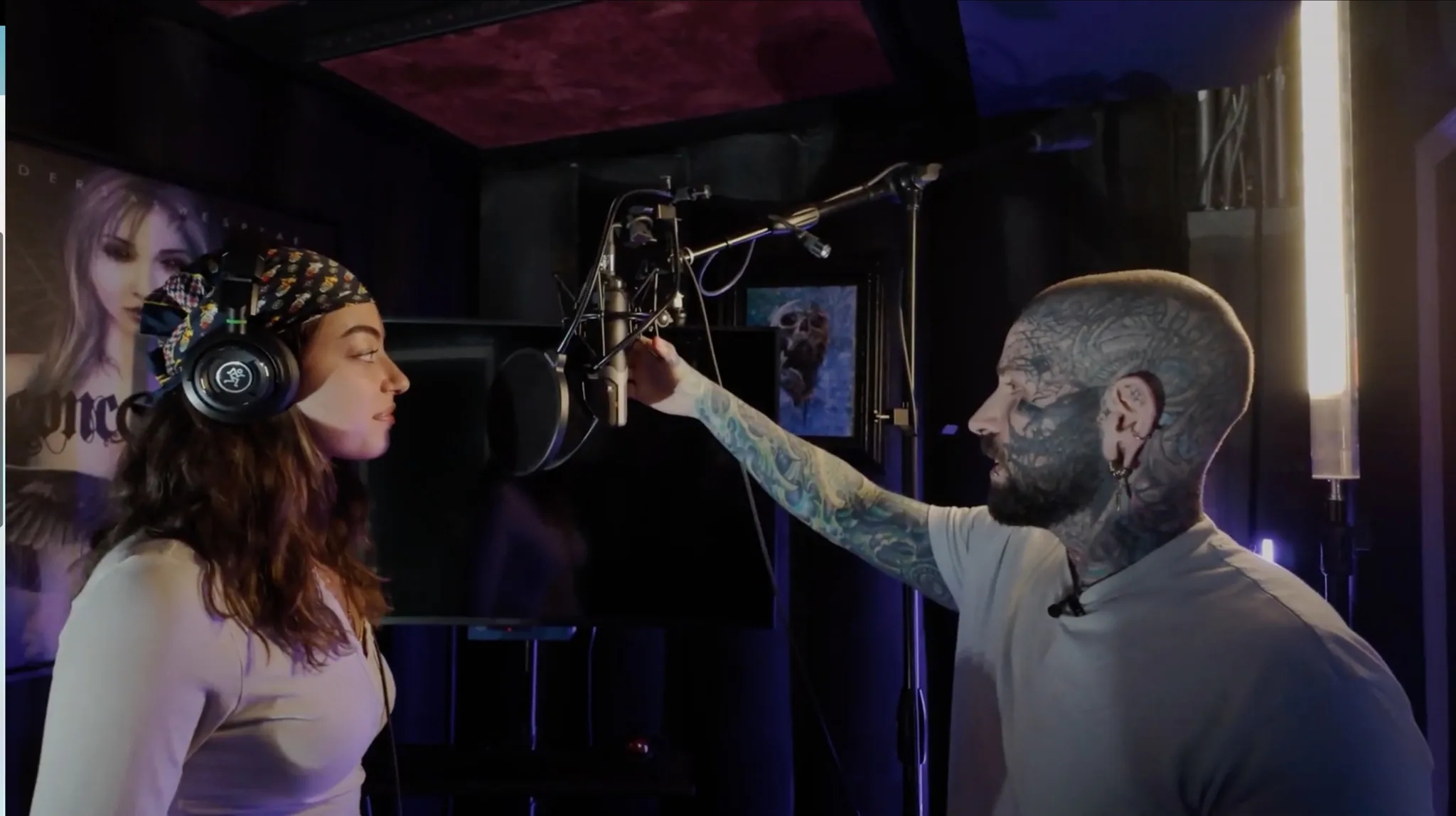
Eric Emery has streamlined this process by integrating the Slate ML-1A, an ultra-linear, large-diaphragm condenser microphone designed to capture a "blank slate" audio signal. This signal is then processed through the VMS software, which utilizes sophisticated algorithms to emulate the sonic characteristics of the world’s most iconic vintage microphones.
The primary advantages of this system, as utilized by Emery, include:
- Instant Auditioning: The ability to cycle through dozens of classic microphone models in real-time without the artist ever leaving the booth.
- Post-Recording Flexibility: The unprecedented capability to change the microphone model after the performance has been recorded, allowing for adjustments during the mixing phase.
- Psychological Momentum: Maintaining the creative "flow" of a session by removing the technical hurdles and physical labor of swapping hardware.
- Bridging the Gap: Providing home-recorded artists with a high-end, "aspirational" sound that matches professional studio standards.
Chronology: From Analog Lockers to Digital Libraries
To understand the significance of Emery’s adoption of the ML-1A, one must look at the trajectory of recording history. For over half a century, the "Golden Age" microphones—the Neumann U47, the AKG C12, and the Sony C800G—have been the gatekeepers of professional sound. Access to these tools was limited to those with the budgets to book world-class facilities.
The Early 2000s: The Digital Revolution
As Digital Audio Workstations (DAWs) like Pro Tools began to dominate, the industry saw the first wave of "in-the-box" processing. However, the physical input—the microphone—remained an analog bottleneck. If a track was recorded with a muddy microphone, no amount of digital EQ could fully restore the lost transients or harmonic richness of a high-end vintage unit.
The 2010s: The Rise of the Home Studio
The democratization of recording gear allowed artists to track vocals in bedrooms and basements. As Emery notes, this created a generation of performers who understood the process of recording but often lacked exposure to the fidelity of a world-class signal chain.
2024–2026: The Era of Physical Modeling
Slate Digital’s entry into modeling technology marked a turning point. By pairing a hardware microphone designed for maximum transparency with software designed for maximum character, they effectively decoupled the "sound" of a microphone from its physical chassis. Eric Emery’s current reliance on the ML-1A in 2026 is the culmination of this trend, where the software library has become as essential as the microphone itself.
Supporting Data: The Science of the Slate ML-1A and VMS
The efficacy of the Slate Digital system is rooted in its technical specifications. The ML-1A is engineered with a shock-mounted, gold-sputtered, 6-micron capsule. Unlike traditional microphones that are prized for their "color" (the specific way they distort or emphasize certain frequencies), the ML-1A is designed to be sonically neutral.
The Virtual Microphone System (VMS)
The VMS software acts as the "brain" of the operation. It doesn’t just apply a simple EQ curve; it models the complex interactions of:
- Proximity Effect: How the low-end response changes as a singer moves closer to the capsule.
- Harmonic Distortion: The subtle saturation produced by the tubes and transformers in vintage hardware.
- Transient Response: How quickly the microphone reacts to the "attack" of a sound.
By capturing a high-resolution, neutral signal, the VMS allows Emery to apply these models with surgical precision. Data from studio usage indicates that the time spent on "mic setups" can be reduced by up to 80% when using modeling technology, as the physical labor of patching cables and warming up tube power supplies is eliminated.
Official Responses: Eric Emery on "Bottling Inspiration"
In reflecting on his recent projects, Emery emphasizes that the technical prowess of the Slate system is secondary to its impact on the artist’s performance.
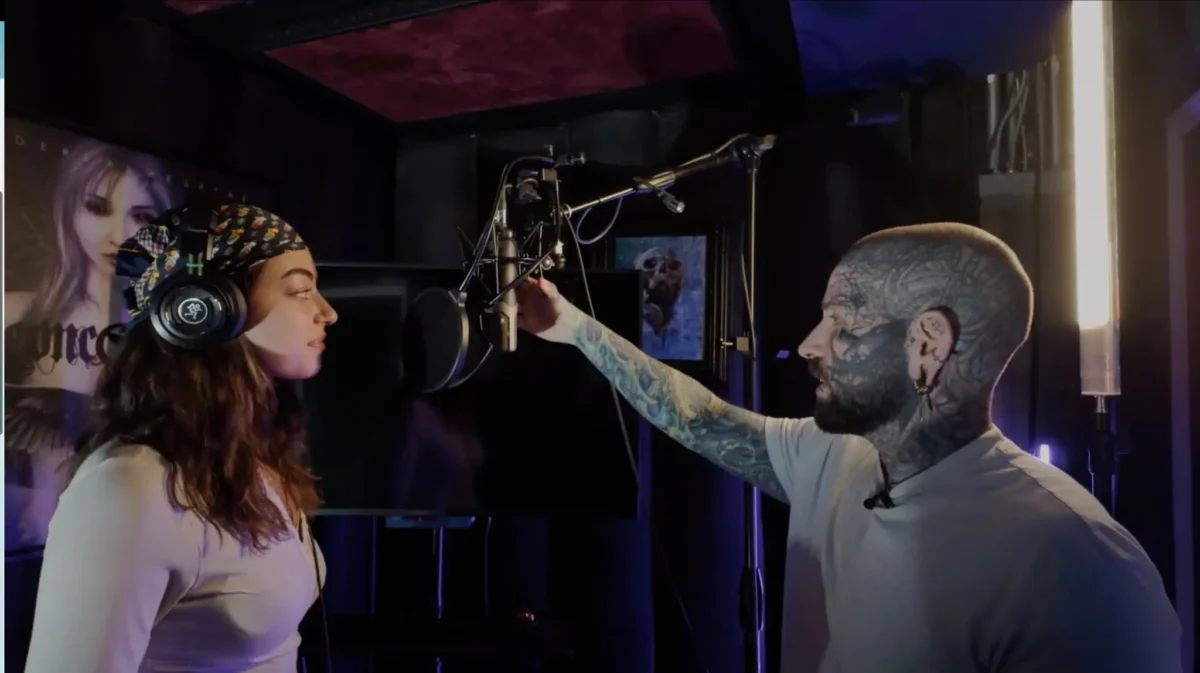
"We’re in an interesting time where so many more people have come up with home recording as their basis of understanding of what the studio can do," Emery explains. "Often they haven’t had the opportunity to hear a truly great performance through a great mic, so part of my job is to give them something aspirational to chase and give a glimpse of what they can sound like when the gear is matched correctly to our creative vision."
For Emery, the ML-1A serves as a "catalyst." It bridges the gap between the utilitarian nature of home recording and the polished, "larger-than-life" sound required for modern radio and streaming.
One of the most critical aspects of Emery’s philosophy is the preservation of the "vibe." He notes, "You want to bottle that inspiration when you can, so it’s useful to have the ability to quickly A/B things—something I normally don’t spend a lot of time doing—in the moment if you are working with a singer who needs to feel confident and is unsure what the right sound for them should be."
The ability to change the microphone model during the mixing stage is what Emery describes as "mind-blowing." This allows him to prioritize the performance in the moment, knowing that if a different sonic texture is needed later—perhaps a darker ribbon mic sound for a verse or a bright, modern condenser for a chorus—it can be swapped with a mouse click without needing the singer to return to the studio.
Implications: The Future of Music Production and Professional Standards
The adoption of the ML-1A by a producer of Emery’s caliber has several long-term implications for the music industry:
1. The Democratization of "Vibe"
As modeling technology becomes the standard in professional rooms, the gap between "indie" and "major label" sonics continues to shrink. Producers can now offer artists a "million-dollar mic locker" regardless of the studio’s physical inventory.
2. The Shift in Studio Architecture
We are seeing a move away from massive, hardware-heavy studios toward leaner, "hybrid" environments. When a single microphone can convincingly replicate the character of thirty different vintage units, the need for massive storage and expensive maintenance of aging hardware diminishes.
3. Workflow as a Creative Asset
Emery’s focus on "speed of mic selection" highlights a broader trend: the optimization of workflow. In an industry where content must be produced rapidly to satisfy streaming algorithms, the ability to work faster without sacrificing quality is a competitive necessity.
4. Educational Evolution
As Emery points out, younger artists are learning about high-end audio through these digital emulations. This is shaping a new generation of ears that may never see a physical U47 but will know exactly how its "virtual" counterpart should sound on their voice.
Conclusion
Eric Emery’s integration of the Slate Digital ML-1A and VMS library is more than a technical upgrade; it is a strategic move to prioritize the human element of music. By removing the friction of the recording process, Emery is able to focus on what truly matters: the performance. As he continues to shape the sounds of iconic bands and emerging artists alike, his workflow serves as a blueprint for the modern producer—one who balances the heritage of the past with the limitless flexibility of the digital future.