As the holiday shopping season reaches its fever pitch, savvy consumers are looking for high-impact upgrades to their home security infrastructure without breaking the bank. For those monitoring their indoor spaces, the latest Black Friday promotion from Amazon-owned Ring offers a compelling entry point. The second-generation Ring Indoor Cam, a staple in the smart home security market, is currently available for just $29.99—a 50% reduction from its standard retail price.
This price point represents one of the most aggressive discounts for a reputable security camera, making it an ideal opportunity for both newcomers looking to build an ecosystem and existing Ring users aiming to expand their surveillance coverage into overlooked corners of the home.
Main Facts: The Evolution of the Ring Indoor Cam
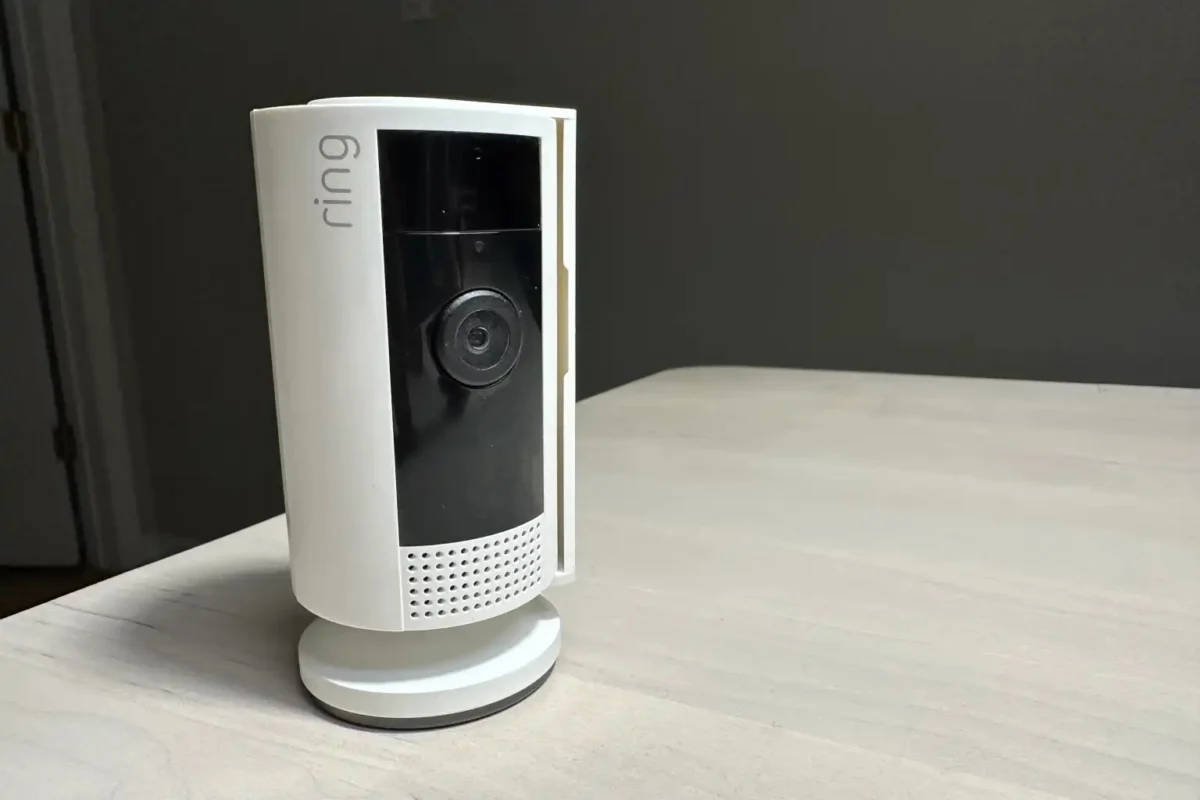
The second-generation Ring Indoor Cam is not merely a cosmetic update; it addresses the primary consumer concern regarding smart home surveillance: privacy. While the original model was praised for its ease of use and crisp 1080p video, the second-generation iteration introduces a manual privacy cover. This physical shutter slides over the lens, providing a tactile, visual confirmation that the camera is not recording audio or video.
Key technical specifications include:
- Video Quality: 1080p HD resolution with HDR capabilities.
- Field of View: A wide-angle 143-degree lens, suitable for capturing entire rooms.
- Night Vision: Integrated color night vision for low-light environments.
- Audio: Two-way talk with noise cancellation.
- Smart Integration: Compatibility with the Ring app and Amazon Alexa.
- Customization: Advanced motion detection zones and dedicated privacy zones.
The device is designed for versatility, featuring a compact footprint and a flexible mount that allows it to sit on a flat surface or be mounted to a wall or ceiling.
Chronology: From Concept to Black Friday Essential
The trajectory of the Ring Indoor Cam reflects the broader shift in consumer technology toward accessible, cloud-integrated home monitoring.
- Initial Launch: When Ring first introduced the indoor-specific camera, it was marketed as a lightweight, plug-and-play solution to complement their widely popular video doorbells. It effectively democratized home security, moving it away from expensive, professional-grade systems toward a DIY model.
- The Second-Gen Refinement: Released to address user feedback, the second generation focused heavily on "privacy-by-design." The implementation of the physical privacy shutter was a direct response to growing public discourse surrounding digital privacy and the potential for unauthorized access to indoor feeds.
- The Black Friday Event: Over the last decade, Black Friday has evolved from a retail holiday into a primary driver of smart home adoption. By slashing the price to $29.99, Amazon and Ring are utilizing a "loss-leader" strategy—the goal is to get the hardware into as many homes as possible, thereby driving long-term adoption of the subscription-based Ring Home ecosystem.
Supporting Data: Why Consumers Are Choosing Ring
The popularity of the Ring Indoor Cam is backed by market trends favoring integrated ecosystems. According to recent consumer electronics reports, the average household now manages between 10 and 15 connected devices. Security cameras remain the most requested category for "connected home" upgrades.
The Value of the Ring Home Plan
While the hardware cost is currently $29.99, the true utility of the device is unlocked through the Ring Home subscription. For a starting price of $4.99 per month, users gain access to:
- Extended Video History: Up to 180 days of cloud storage, allowing users to review events long after they occur.
- Smart Alerts: AI-driven person and package detection, which filters out false positives like swaying trees or neighborhood pets.
- Rich Notifications: Preview images sent directly to your phone, allowing for rapid assessment of potential threats without needing to open the full application.
Compared to standalone cameras that rely on local SD card storage, the Ring cloud-first model offers the benefit of off-site backup. If an intruder were to damage the camera or steal the device, the footage remains safely secured in the cloud.
Official Responses and Security Considerations
Ring has faced significant public scrutiny in recent years regarding data privacy and law enforcement partnerships. In response, the company has implemented several "Control Center" features within the app. These include end-to-end encryption for video feeds, multi-factor authentication (MFA) requirements, and granular settings that allow users to manage exactly how their data is shared or stored.

When asked about the latest iteration of their indoor camera, a representative for the company noted, "Our goal is to provide peace of mind that is both accessible and highly secure. The physical privacy cover is a testament to our commitment to ensuring our customers feel in total control of their living spaces, whether they are at home or halfway across the world."
Industry experts suggest that while the hardware is highly capable, the responsibility for security falls on the user. They recommend that all buyers immediately enable two-factor authentication and rotate their passwords to ensure that their smart home setup remains a fortress rather than a vulnerability.
Implications: The Future of Home Surveillance
The aggressive pricing of the second-gen Ring Indoor Cam has significant implications for the market at large.
1. Market Saturation and Ecosystem Lock-in
By pricing the unit at $29.99, Ring is essentially ensuring that it becomes the "default" choice for Alexa-heavy households. Once a user invests in one camera, the barrier to entry for adding a doorbell, a spotlight cam, or a smart alarm system is significantly lowered. This "ecosystem lock-in" creates a sticky user base that is less likely to switch to competitors like Google Nest or Arlo.
2. The Normalization of Indoor Monitoring
The ubiquity of affordable indoor cameras signals a permanent change in how we perceive privacy in the home. A decade ago, internal cameras were a rarity; today, they are becoming as standard as a smoke detector. This reflects a societal shift where personal security is prioritized alongside convenience.
3. Sustainability and Support
Critics of cheap hardware often point to electronic waste. However, the second-generation Ring camera is built with a level of software support that ensures it remains relevant for years. Regular firmware updates provided by Amazon ensure that the device receives new features and security patches long after the initial purchase, extending the product’s lifecycle and reducing the need for premature replacements.
Conclusion: Is It Time to Buy?
If you are looking to secure your home, the $29.99 price tag for the second-generation Ring Indoor Cam is an objective "best-in-class" value. It combines high-definition hardware with a robust, intuitive software suite and, crucially, a physical privacy shutter that addresses the modern consumer’s need for control.
As with all Black Friday deals, inventory is expected to be volatile. For those on the fence, the recommendation from technology analysts is clear: the utility provided by this device far outweighs the sub-$30 investment. Whether you are monitoring a pet, checking on children, or keeping an eye on high-traffic entryways, this deal offers the perfect entry point into the future of domestic security.
As the holiday season continues, keep an eye on bundle offers that might pair this camera with other Ring devices, as the true power of these systems is realized when they work in tandem. Secure your home, stay informed, and take advantage of these fleeting seasonal discounts while they last.