In the high-stakes environment of live sound reinforcement, the difference between a seamless, professional performance and a chaotic, error-prone disaster often comes down to a single, frequently overlooked procedure: the line check. While seasoned audio engineers acknowledge its importance, the reality of tight schedules and mounting pressure often pushes this critical task to the bottom of the priority list. However, industry veterans agree that failing to verify the signal path from the stage to the console is a gamble that rarely pays off.
Whether you are mixing a local worship service, a corporate event, or a touring rock band, the line check serves as the final, essential defense against technical failure. This article explores the methodology, the strategy, and the "geeky" innovations that turn this routine task into a masterclass in production reliability.
Main Facts: The Anatomy of a Line Check
At its core, a line check is a systematic verification process. It involves confirming that every input—microphones, direct injection (DI) boxes, and instrument cables—is correctly patched, functional, and arriving at the expected channel on the mixing console.
The primary objective is twofold:
- Signal Integrity: Ensuring that the physical cable, the transducer (mic or pickup), and the preamp are passing an undistorted, clean signal.
- Patching Accuracy: Confirming that the physical input on stage corresponds precisely to the channel strip on the console. In the digital age, where complex routing and scene-based snapshots are common, "ghost patches" or incorrect input assignments can lead to significant delays once the band begins their soundcheck.
Beyond the console, a comprehensive line check also encompasses the output side. If the production includes wired stage monitors or in-ear monitor (IEM) systems, these must be verified as part of the loop to ensure the performers can hear what they need before they even step onto the platform.
Chronology: A Standard Workflow for Two-Person Teams
Efficiency is the hallmark of a professional production team. When two engineers are available, the process should be treated as a choreographed routine.
1. Preparation and Organization
The team typically divides roles: one person remains at the Front of House (FOH) console, while the second technician moves systematically across the stage. The standard approach is to work in a logical "path," often starting with the drum kit, moving through the backline (guitars, bass, keyboards), and concluding with the vocal microphones.
2. The Drum Kit: Overcoming Gating
The drums are the most complex component of a stage setup. Because many engineers employ noise gates on drum channels to minimize bleed, simply tapping a microphone is often insufficient. A technician must produce a signal loud enough to trigger the gate threshold. This involves vocalizing directly into the mic—shouting the name of the drum or instrument—to ensure the gate opens and the signal reaches the console clearly.
3. Verification of DI Boxes
Direct boxes are generally robust, but they are not immune to failure. A common, time-saving method for verifying DI lines is to temporarily patch a known-working vocal microphone into the DI’s output cable. This confirms the entire signal path (cable, snake, console input) is functional. Once verified, the technician returns the original source to the DI.
4. The Final Pass
Once all inputs are verified, the engineer at the console performs a final "gain check," ensuring that each input is at an appropriate level for the start of the soundcheck. This eliminates the frantic scramble for gain adjustments while the artist is trying to play their first song.

Supporting Data: Why Skipping the Check Is Costly
The implications of skipping a line check are far-reaching. When an issue is discovered during a soundcheck, the pressure shifts from the technical team to the performers.
- Time Loss: A problem found during a line check can often be solved in seconds. A problem found during a soundcheck or, worse, during the show, can halt the momentum of the entire production.
- Producer/Artist Frustration: A professional environment is defined by its reliability. When a band arrives to find that the kick drum isn’t working or that the lead vocal is patched into the wrong channel, it erodes the confidence the performer has in the technical team.
- Troubleshooting Complexity: When a signal fails during a show, the technician must diagnose the fault under pressure. If the line was never checked, they are left wondering if the problem lies with the mic, the cable, the DI, the stage box, or the console settings. If the line was verified earlier, the list of potential culprits is significantly narrowed.
Official Perspectives: The "Geek" Approach to Efficiency
For solo engineers, the process of running back and forth between the FOH position and the stage is physically taxing and inefficient. In these scenarios, the "Geek Squad" approach—leveraging digital technology—becomes the gold standard.
The Modern Solo Workflow
Advanced digital consoles allow for remote control via tablets or laptops. By utilizing a wireless connection, an engineer can stand on stage while controlling the console software.
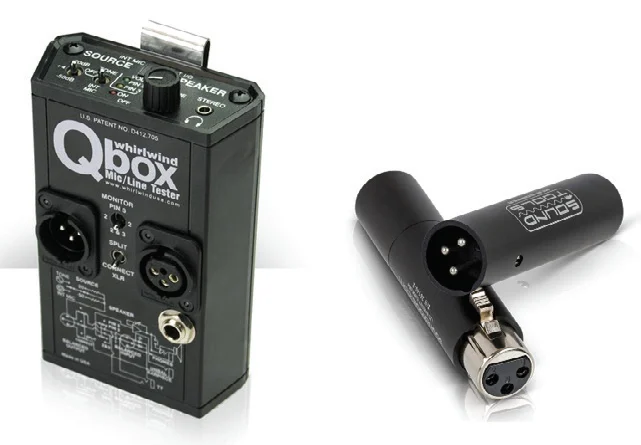
To conduct a silent check, the engineer can employ a cable tester (such as the SoundTools Sniffer/Sender). By plugging the sender into the stage end of the snake and turning on phantom power at the console, the engineer can verify the continuity and integrity of the entire cable run without producing a single decibel of sound.
This method is highly favored in environments where noise is a concern, such as during a rehearsal transition or when other tasks are occurring simultaneously. It represents the pinnacle of modern audio production: using tools to gain precision while minimizing disruption.
Implications: Building a Culture of Reliability
The culture of a production team is defined by its discipline. A team that treats the line check as an optional luxury will eventually face a high-profile failure. Conversely, a team that mandates a thorough line check for every event, regardless of size, builds a reputation for reliability.
The Psychology of the Check
Performing a line check is about more than just checking cables; it is about "pre-flighting" the system. Much like a pilot who checks the control surfaces of an aircraft before takeoff, the audio engineer is ensuring that the tools of their trade are ready for the stresses of the performance.
Investing in the Right Tools
Quality testing gear is an investment that pays for itself in labor hours saved. Tools like the Whirlwind Qbox or the SoundTools Sniffer/Sender are essential for any professional kit. They allow for rapid identification of faults, saving the technician from the "chasing a fox through a cornfield" scenario—where a bad cable causes a cascading series of troubleshooting errors.
Final Best Practices
- Don’t Rush: If you don’t have time to do it right, you won’t have time to do it twice when it fails.
- Document: For complex systems, keep an updated patch list. Know exactly where every input should be.
- Communicate: If you are working with a team, ensure the person at the console and the person on stage are in sync. Clear, concise communication prevents misunderstandings.
- Reset: Always remember to reset gates, phantom power, and channel settings after the line check is complete. Leaving a system in "test mode" is a common, avoidable mistake.
Conclusion
The line check is the unsung hero of the live audio world. It is the bridge between a collection of electronic components and a cohesive, professional performance. While it may lack the glamour of mixing a live show or designing a complex sound system, it is the fundamental procedure that ensures all that work doesn’t go to waste.
By adopting a disciplined, methodical approach—whether through the traditional two-person shouting match or the modern, digital "silent" check—engineers can ensure that when the lights go down and the band starts, the sound is exactly where it needs to be. So, the next time you are tempted to skip the line check, remember the cost of the alternative. Take the time, do the work, and ensure your next show is a success before the first note is even played.