CHICAGO, June 22, 2026 — As the manufacturing and robotics sectors push toward the goal of full autonomy, the need for machines that can perceive their environment with human-like—or even superhuman—precision has never been greater. Today, at the AUTOMATE 2026 conference in Chicago, SiLC Technologies, a pioneer in silicon photonics, unveiled the Eyeonic® Edge, a groundbreaking 4D area scanner designed to bridge the gap between high-speed conveyor belt inspection and large-scale, stationary structural measurement.
The Eyeonic Edge family, which includes the standard Edge and the high-performance Edge Ultra, represents a significant leap forward in machine vision. Capable of delivering sub-millimeter measurement accuracy at distances of up to 10 meters, the sensor is poised to transform how industries ranging from automotive manufacturing to mining approach automated quality control and preventative maintenance.
The Core Innovation: Moving Beyond Traditional 3D Vision
For years, industrial automation has relied on vision systems that struggle with ambient light, dark or reflective surfaces, and the limitations of depth. SiLC Technologies, founded in 2018, has built its reputation on silicon photonics, a technology that integrates complex optical systems onto a single silicon chip.
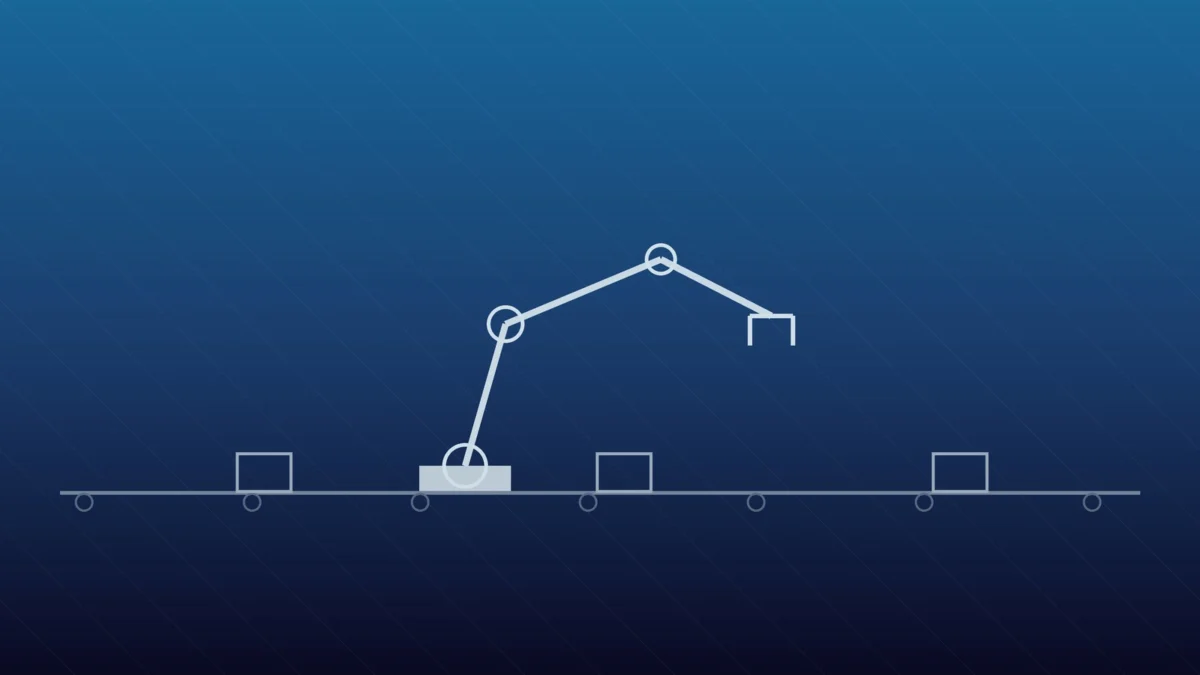
The Eyeonic Edge is the latest evolution of this platform. While the company’s previous flagship, the Eyeonic Trace, set industry benchmarks for 100-micron range precision on fast-moving conveyor belts, the Edge is purpose-built for a different challenge: the large-scale, stationary object.
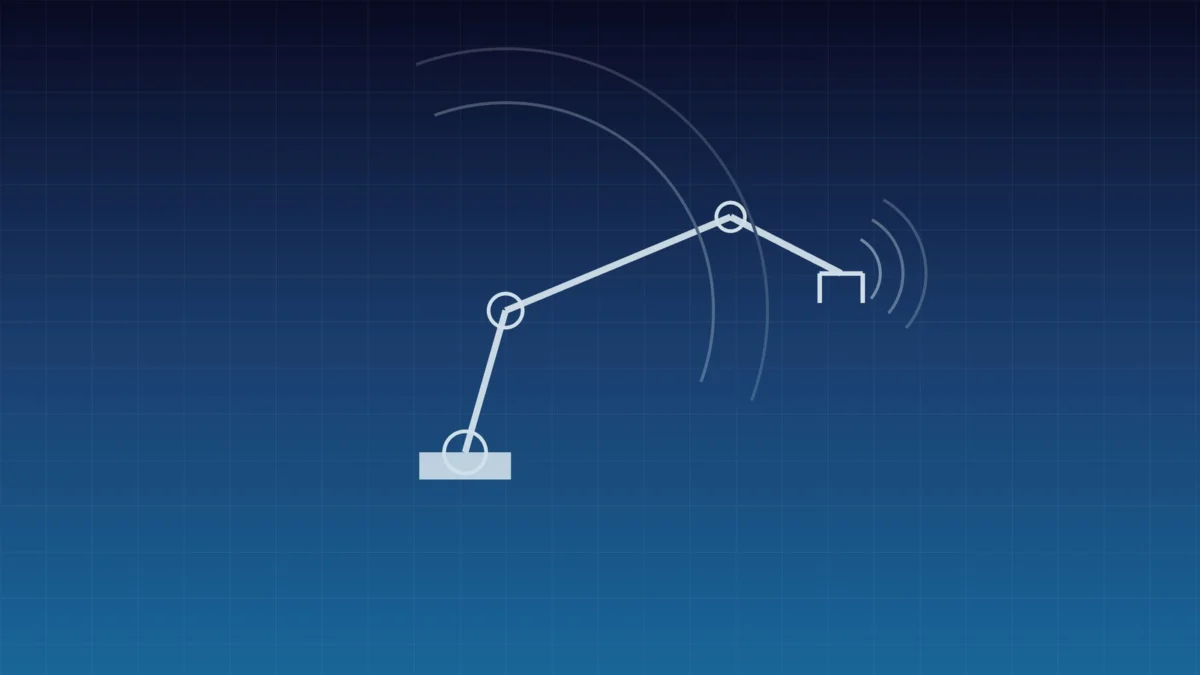
With a 40×40 degree Field of View (FOV) and real-time Region of Interest (ROI) zooming capabilities, the Edge allows robots and automated inspection systems to focus on specific structural details—such as a weld point or a panel gap—while maintaining a broad view of the entire assembly. Perhaps most impressively, the sensor maintains its precision in conditions that typically blind standard optical cameras, including dusty warehouses, dim lighting, and even direct, bright outdoor sunlight.
Chronology of Development: From Trace to Edge
The path to the Eyeonic Edge began with the foundational success of the Eyeonic Trace. By understanding the challenges inherent in high-speed, line-based scanning, SiLC’s engineering team identified a critical gap in the market for large-scale inspection.
- 2018: SiLC Technologies is established, drawing on decades of veteran experience in silicon photonics and large-scale manufacturing.
- 2023–2025: The company refines its 4D+ vision systems, focusing on the integration of velocity and motion detection into standard 3D mapping. The Eyeonic Trace receives industry acclaim for achieving unprecedented precision at 5 meters.
- Early 2026: Customer feedback highlights a growing demand for a "long-range sibling" to the Trace. Manufacturers of large assemblies (automotive, aerospace, and construction) express a need for a system capable of inspecting larger footprints without sacrificing the sub-millimeter accuracy of the Trace.
- June 22, 2026: SiLC officially launches the Eyeonic Edge and Edge Ultra at the AUTOMATE 2026 trade show, marking the next stage in the company’s roadmap toward Physical AI.
Technical Capabilities and Supporting Data
The Eyeonic Edge is not merely a camera; it is a sophisticated 4D sensor that provides depth, intensity, and velocity data simultaneously.
Key Performance Specifications:
- Operating Range: From 0.25 meters to 10 meters, providing extreme versatility for both handheld robotic arms and stationary overhead gantry mounts.
- Precision: Sub-millimeter range resolution across the entire 10-meter operating distance.
- Resilience: Designed to handle "difficult" materials—specifically dark, matte, or highly reflective/shiny surfaces that typically cause signal noise in conventional LiDAR systems.
- Environmental Robustness: Eye-safe laser operation ensures safety in collaborative human-robot workspaces, while the sensor’s design allows for consistent performance in outdoor, high-glare environments.
- Velocity Tracking: Beyond mere distance, the sensor tracks the velocity of moving targets, allowing for integrated motion-sensing and inspection in a single unit.
By integrating these features, the Edge eliminates the need for multiple sensors or expensive post-processing software, significantly reducing the complexity and cost of industrial integration.
Official Perspective: A Vision for Physical AI
Mehdi Asghari, CEO of SiLC Technologies, views the launch of the Edge as a pivotal moment for the industry. During the product unveiling at Booth #14015, Asghari emphasized that the goal is not just automation, but "Physical AI"—the ability for machines to perceive, reason, and act with human-level understanding.
"The Eyeonic Edge 4D vision sensor is a game-changer in the field of industrial automation," Asghari stated. "Building on the success of Eyeonic Trace, Eyeonic Edge extends our high-precision sensing platform to large-scale 3D inspection and measurement. Our customers are continuously looking for ways to increase throughput, improve quality, and reduce manual intervention. Together, Eyeonic Trace and Eyeonic Edge provide a complete sensing solution capable of delivering accurate measurements and inspections of moving or stationary objects in virtually any environment, from factory floors to outdoor operations."
Asghari noted that the company’s focus remains on helping manufacturers achieve "fully autonomous operations," a feat that requires the reliable, high-fidelity data that only silicon photonics can provide.
Implications for Global Industry
The introduction of a 10-meter, sub-millimeter vision sensor has immediate implications for several high-value sectors:
Automotive, Aerospace, and Shipbuilding
Quality control in these sectors often requires manual inspection of massive components. The Edge enables automated detection of panel alignment, gap-and-flush issues, and structural defects, potentially saving millions in rework costs and reducing the time-to-market for complex vehicles and aircraft.
Construction and Architectural Layouts
In the construction industry, the ability to generate highly detailed digital twins for preventative maintenance is transformative. The Edge can map the structural integrity of large equipment or site layouts, allowing for predictive maintenance that prevents costly downtime.
Rental and Asset Management
Beyond manufacturing, the sensor is being positioned for the logistics and rental sectors. For example, rental car agencies could use the Edge to automatically scan vehicles upon return, identifying microscopic dents or damage that might go unnoticed by human inspectors, thereby streamlining the return process and protecting asset value.
Mining and Heavy Industry
In the harsh, dusty environments of mining, standard vision systems fail quickly. The Edge’s resilience to environmental interference makes it an ideal candidate for monitoring heavy machinery, providing a reliable digital twin that tracks wear and tear on critical equipment in real-time.
Conclusion: Shaping the Future of Automation
As SiLC Technologies demonstrates its new sensor family at AUTOMATE 2026, the industry is taking notice. By backing their technology with the support of heavyweights like Sony Innovation Fund, Honda Xcelerator Ventures, and Dell Technologies Capital, SiLC has positioned itself as a critical player in the global move toward smarter, more autonomous industrial processes.
The Eyeonic Edge represents more than just a new product; it represents a fundamental change in the relationship between machines and their environments. As manufacturers continue to demand higher levels of precision, faster throughput, and greater reliability, sensors like the Edge will be the "eyes" that make the next generation of industrial revolution possible.
With the Edge now in the hands of early adopters, the focus shifts to real-world deployment. If the performance in testing holds true on the factory floor, the era of the fully autonomous, self-inspecting, and self-correcting factory may be closer than ever before.