In the rapidly evolving landscape of portable high-fidelity audio, iBasso Audio has carved out a unique niche with its modular Digital Audio Player (DAP) architecture. The latest addition to this ecosystem, the AMP18, represents a significant shift in philosophy for the company’s DX-series motherboards. Priced at $329, the AMP18 is not merely a hardware refresh; it is a carefully tuned instrument designed for the discerning listener who prioritizes musicality, depth, and fatigue-free long-term listening.
Main Facts: The Evolution of the Modular Concept
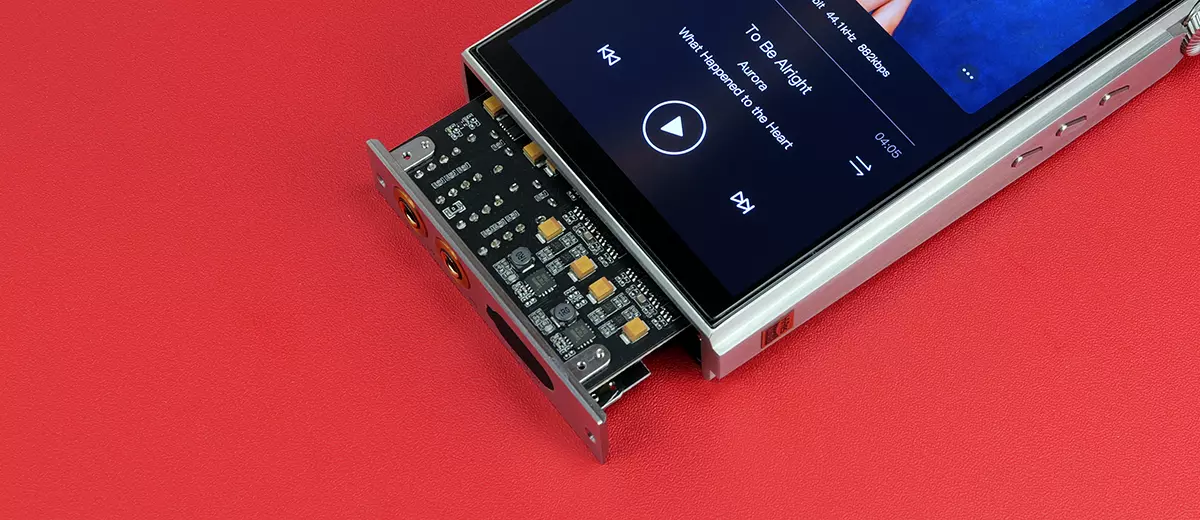
The iBasso AMP18 arrives as the fourth major release in the current generation of DX-series amplification cards. Designed specifically for the flagship DX340, it maintains the modular heritage that allows users to swap out amplifier stages to suit their specific acoustic preferences and headphone pairings.
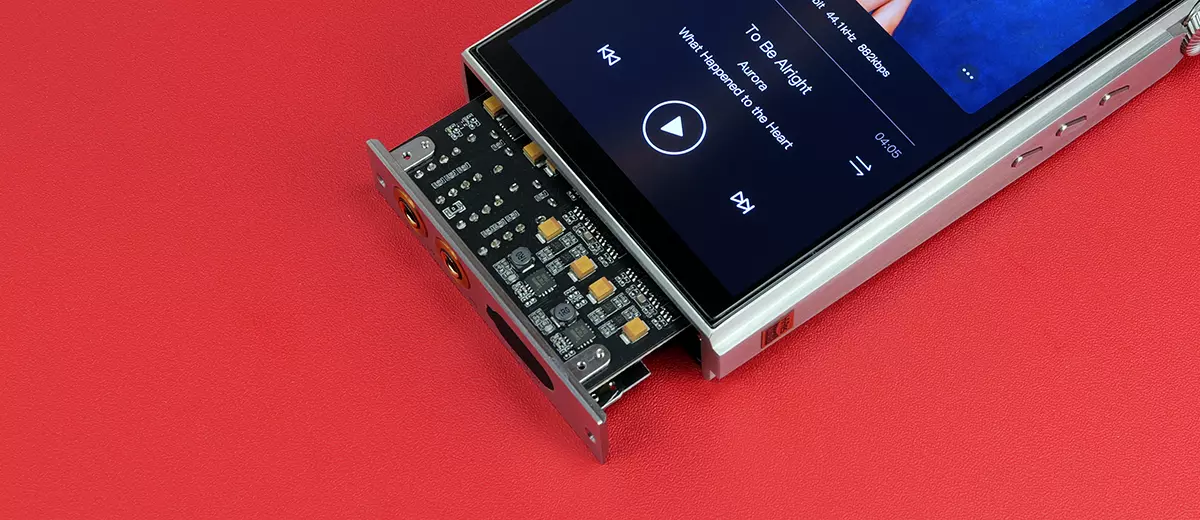
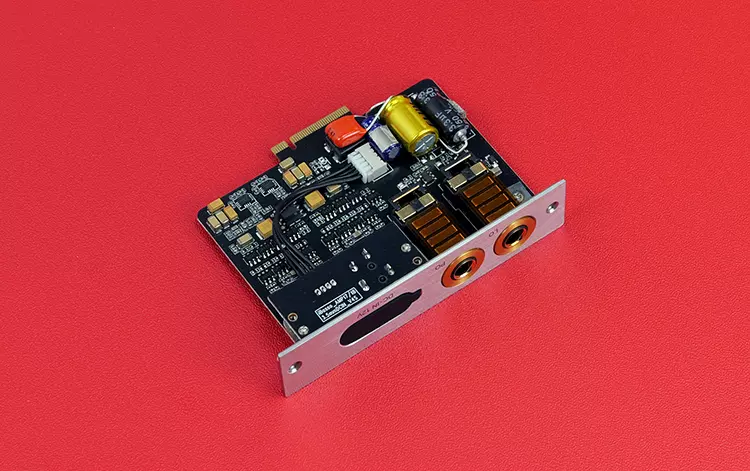
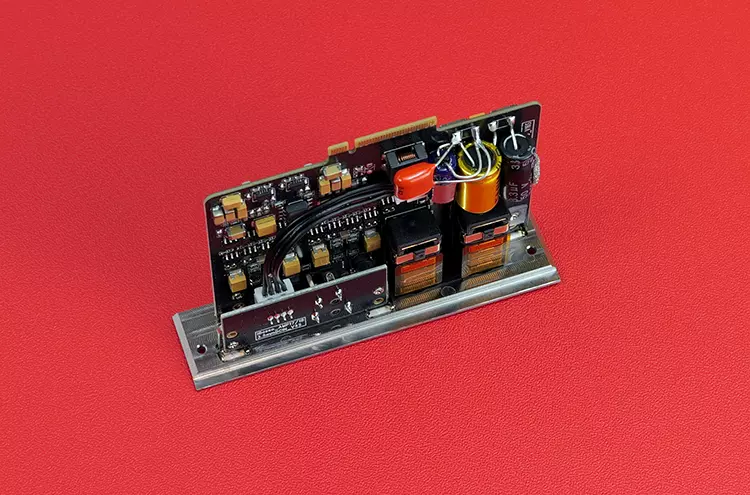
At its core, the AMP18 utilizes a sophisticated two-stage amplification architecture. Unlike its predecessor, the AMP17, which leveraged specialized Gallium Nitride (GaN) semiconductor technology, the AMP18 opts for a dense 80-transistor matrix, comprised of 40 dual transistors. This design choice is aimed at achieving a more refined, analog-like sound signature. The card features a cascaded current-feedback circuit, which works to enhance transient response and maintain the expansive dynamic range that iBasso users have come to expect.
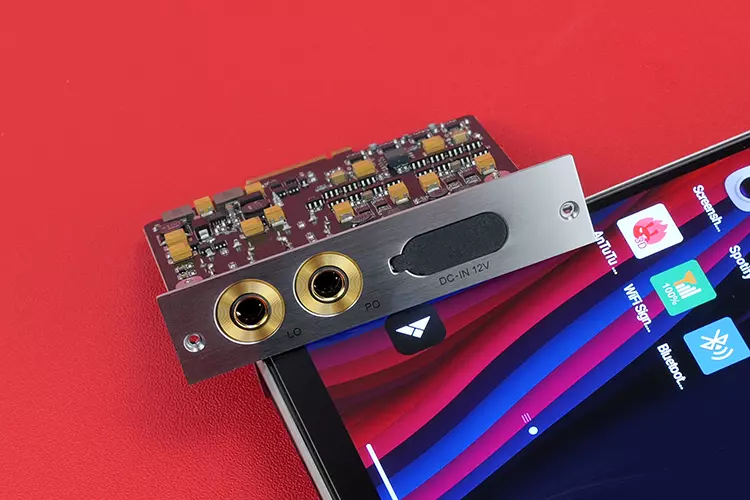
Technically, the AMP18 is a balanced-only, 4.4mm output design, signaling a move toward prioritizing signal purity over legacy connections. With a power output reaching up to 1740mW into a 32Ω load (when utilizing the 12V DC power input), it offers substantial headroom that rivals the most potent cards in the series, including the AMP17.
Chronology: From Innovation to Refinement
The journey of the iBasso modular card system has been one of constant experimentation. The release of the DX300 and DX320 established the modular framework, but the subsequent release of specific cards defined the "sound" of each generation:
- AMP15: The stock foundation for the DX340, providing a balanced, reliable performance.
- AMP16: A daring, boutique-inspired experiment featuring a NuTube implementation, bringing the warmth of vacuum tubes to a portable form factor.
- AMP17: The "energetic" contender. Released at $299, it utilized GaN technology to provide a high-contrast, fast, and neutral sound.
- AMP18: The "relaxed cousin." Priced at $329, the AMP18 was engineered to provide the technical proficiency of the AMP17 while tempering the "bombastic" energy of that card with a smoother, more organic delivery.
For owners of the older DX300 and DX320 models, the AMP18 remains accessible. Through a $29 faceplate adaptor, these legacy units can host the AMP18, effectively breathing new life into older hardware with the latest in current-mirror amplification technology.
Supporting Data: Engineering and Performance Metrics
The performance of the AMP18 is best understood through its specific engineering choices. The two-stage structure begins with a low-noise op-amp input stage, designed to preserve the integrity of the source signal. This is immediately followed by a current-mirror amplification stage with complementary outputs, which focuses on enhancing signal purity.
Power and Efficiency
The AMP18 is a power-hungry component. When operating solely on battery power, it delivers a robust 1170mW into 32Ω, which is notably higher than the 1030mW offered by the AMP17. However, this power comes at a cost to efficiency. Anecdotal testing indicates that users should expect a reduction in battery life of approximately 60 to 90 minutes compared to the AMP17.
Impedance and Noise Floor
The output impedance is officially listed at 1.2Ω. While this is a slight increase over the 1.1Ω of the AMP17, it is effectively imperceptible in terms of impedance skew. Instead, the slight increase appears to assist in the suppression of the noise floor, resulting in a "blacker" background that allows subtle, low-level details to emerge with greater clarity.
Technical Specifications Summary
- Topology: Two-stage, 80-transistor matrix (40 dual transistors).
- Output Power: 1740mW (12V DC input, 32Ω load); 1170mW (Battery, 32Ω load).
- Output Impedance: 1.2Ω.
- Interface: Dual 4.4mm Balanced Outputs (PO/LO).
- Compatibility: Native for DX340; compatible with DX300/DX320 via faceplate adapter.
Official Perspectives: The Philosophy of Sound
iBasso’s design philosophy for the AMP18 centers on the "analog" experience. In official communications and documentation, the company emphasizes the importance of note weight and decay. By focusing on longer decay times and a slightly attenuated high-frequency response, the AMP18 avoids the "digital" edge that can plague modern high-resolution audio.
The company views the AMP18 as the logical answer to the "hot" or "sibilant" upper-midrange frequencies found in some high-end In-Ear Monitors (IEMs). By smoothing out the transient response, iBasso intends for the AMP18 to act as a corrective, or "balancing" tool, allowing users to pair their DAPs with analytical, ultra-detailed transducers without the risk of listener fatigue.
Implications for the Audiophile Community
The release of the AMP18 has several implications for the portable audio market. Firstly, it reaffirms iBasso’s commitment to the modular DAP format. In a market where most manufacturers release "disposable" devices that are replaced every two years, iBasso’s approach allows for hardware longevity.

Synergy and System Matching
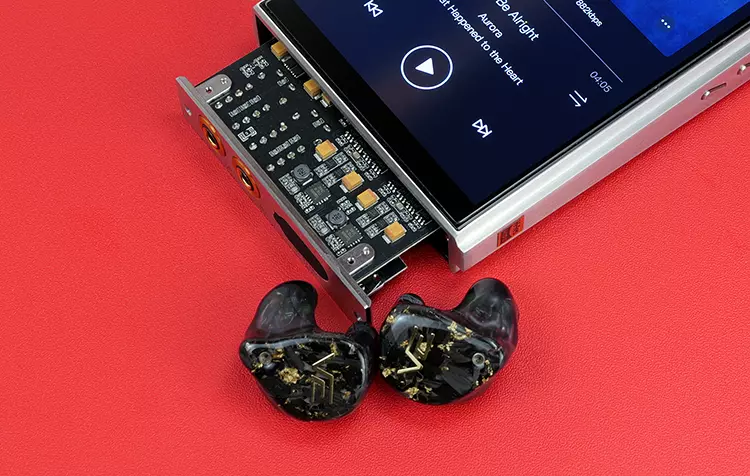
The implications for system matching are profound. For those using analytical IEMs like the PMG Audio Apx, the AMP18 acts as a vital companion. Its ability to turn a potentially "brash" sound into a natural, even-harmonic presentation is a major selling point. Conversely, for users of already warm or dark headphones—such as the Vision Ears VE ZEN or ZMF Tessidera—the AMP18 might provide "too much of a good thing," potentially sacrificing the necessary high-frequency air and contrast that make such gear sing.
The DC Input Advantage
The inclusion of a 12V DC input on these next-gen cards is a feature that should not be overlooked. When paired with a clean DC power source, the AMP18 transforms from a portable, polite performer into a powerhouse capable of driving demanding open-back planar headphones with authority. The "bloom" in the midrange and the tighter control over bass transients are particularly noticeable when the card is unshackled from the limitations of the internal battery.
Design Concerns: The "Small Screw" Issue
While the technical performance is exemplary, the physical design warrants a note of caution. The reliance on tiny, easily lost T4 Torx/HEX screws for the faceplate swap remains a point of contention for many users. While it is a minor grievance in the context of high-fidelity audio, the lack of an integral, tool-less locking system is a space where future iterations could certainly improve.
Final Verdict
The iBasso AMP18 is a masterclass in specialized tuning. It does not attempt to be the most powerful or the most energetic card in the lineup; rather, it aims for a specific, refined, and deeply musical sound signature. For the user who values a relaxed, spacious, and fatigue-free listening experience, the AMP18 is arguably the finest addition to the DX-series ecosystem to date.

It succeeds by offering a sonic profile that mimics the warmth and intimacy of a high-end desktop Class A amplifier, all within the palm of one’s hand. As a bridge between the clinical precision of modern digital audio and the timeless warmth of analog reproduction, the AMP18 is a sophisticated choice for those looking to perfect their portable chain. Whether you are seeking to tame an aggressive IEM or simply looking for the most "involving" sound signature available for your DX340, the AMP18 stands as a testament to the power of modular audio engineering.