In the heart of Cambridgeshire, England, a quiet revolution in high-fidelity audio has been unfolding for nearly three decades. AVID HiFi, a manufacturer that has steadfastly refused to bow to the industry-wide drift toward digital convenience, has carved out a global reputation for uncompromising analog excellence. From their base at the Bicton Industrial Park in Kimbolton, AVID has mastered the art of the “groove to ear” experience, turning the mechanical act of reading a vinyl record into a precise, high-stakes engineering endeavor.
Main Facts: The AVID Methodology
AVID HiFi is not merely an assembly house; it is a manufacturing powerhouse that champions vertical integration. Founded in 1995, the company’s core identity is built upon the premise that high-end audio performance is a product of mechanical integrity.
Unlike many competitors who outsource component production to third-party factories in the Far East, AVID maintains total control over its supply chain. By utilizing high-precision CNC (Computer Numerical Control) machines at their British headquarters, the team ensures that every chassis, bearing, and platter meets tolerances measured in microns. This commitment to "in-house" manufacturing allows for a level of quality control that is increasingly rare in the modern consumer electronics landscape.
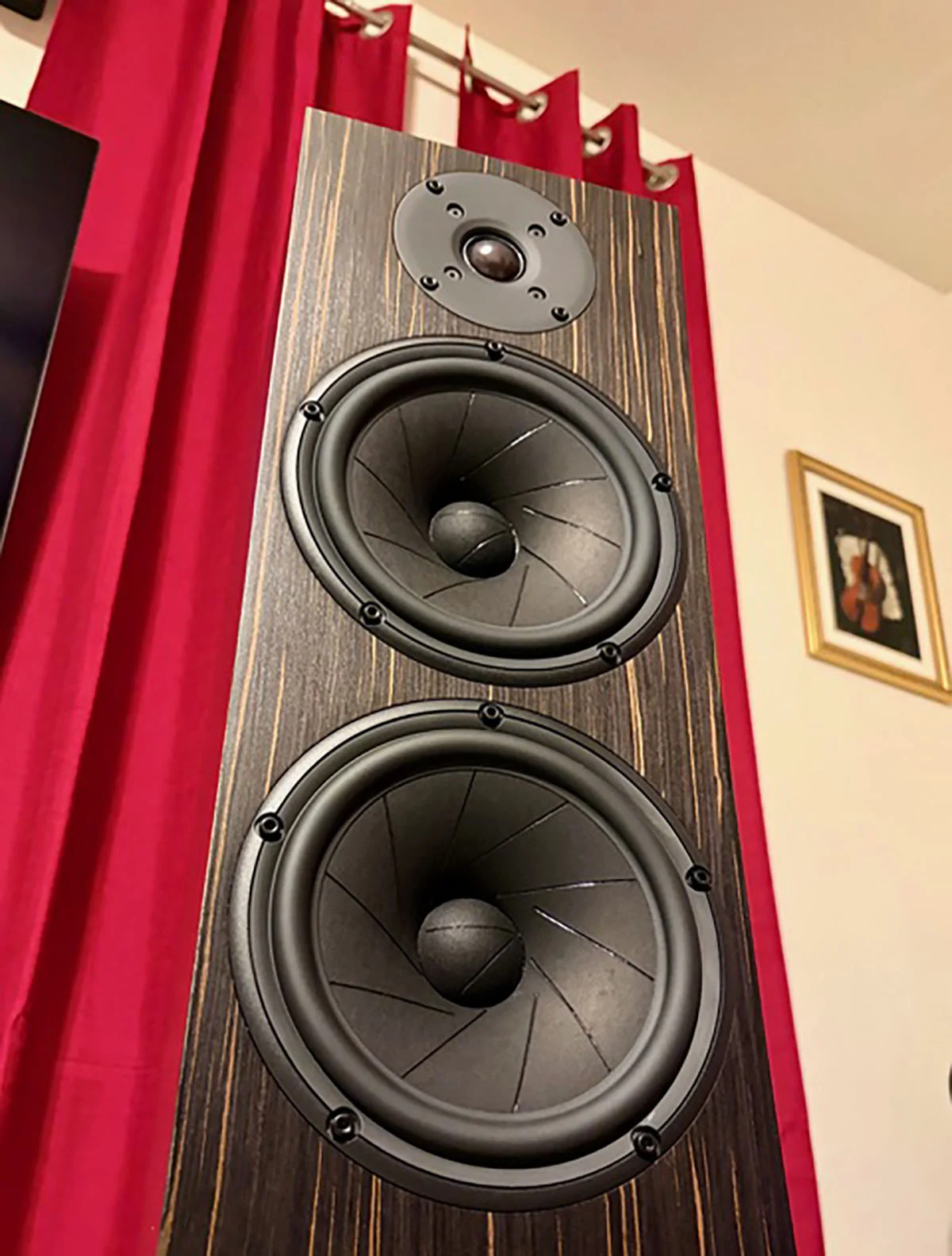
The product ecosystem is comprehensive. While AVID is most famous for its high-mass, vibration-dampening turntables—which often resemble pieces of industrial sculpture—the company has successfully expanded its portfolio to include tonearms, cartridges, phono stages, amplifiers, and even loudspeakers. By creating the entire signal chain, AVID ensures that the subtle nuances of an analog recording are preserved from the moment the diamond stylus touches the vinyl until the sound wave hits the listener’s ear.
Chronology: From Garage Ambition to Global Benchmark
The history of AVID is a testament to the vision of its founder, Conrad Mas. Established in 1995, the company emerged during a period when the audio industry was heavily distracted by the rising tide of digital audio (CDs and, later, streaming). While many manufacturers were shuttering their analog divisions, Mas saw an opportunity to re-engineer the turntable from the ground up.
- 1995: The Foundation. Conrad Mas establishes AVID with a focus on resolving the fundamental mechanical issues plaguing record players, specifically resonance and vibration control.
- Late 1990s: Establishing a Signature. AVID introduces early designs that utilize high-mass platters and sophisticated suspension systems, earning the attention of the British audiophile press.
- 2000s: The Expansion. AVID moves beyond turntables. Realizing that the signal produced by a cartridge is incredibly delicate, the company begins developing its own electronics, including pre-amplifiers and power amplifiers, to ensure the signal remains pristine.
- 2010s: Total System Design. The company completes its "groove to ear" philosophy by launching its own line of high-end loudspeakers, effectively creating a self-contained ecosystem of components designed to work in perfect synergy.
- Present Day: AVID continues to refine its legacy designs while integrating modern manufacturing technologies, cementing its status as a pillar of British engineering.
Supporting Data: The Engineering of Precision
To understand why AVID products command premium market positions, one must look at the data—specifically, the physics of vibration control. A turntable is essentially a seismograph; it is designed to pick up microscopic vibrations in the vinyl groove. The problem is that it also picks up unwanted mechanical vibrations from the motor, the floor, and the air.
AVID’s engineering approach relies on three pillars:
- Vibration Dissipation: Every AVID chassis is designed to channel unwanted energy away from the record and into a dampening system. The company’s patented suspension designs are calculated to isolate the platter from external resonance, effectively "decoupling" the music from the environment.
- Material Science: AVID utilizes aerospace-grade aluminum and specialized alloys. By selecting materials with specific resonant frequencies, they ensure that the turntable itself does not "color" the sound, allowing the true recording to shine through.
- Manufacturing Tolerances: The reliance on high-precision CNC machining means that parts fit with near-zero clearance. In the world of analog playback, a variance of a few thousandths of an inch can result in audible wow, flutter, or tracking errors. AVID’s in-house capabilities ensure that their bearings and motors operate with an almost uncanny silence.
Official Responses and Philosophy
In various interviews and technical briefings, Conrad Mas has often articulated the "AVID Philosophy." The company does not believe in "voiced" audio—the practice of tuning a component to sound warm, bright, or bass-heavy. Instead, they advocate for transparency.
"Our goal is to reproduce exactly what is on the record," a company spokesperson recently noted. "If the recording is flawed, you should hear the flaw. If the recording is a masterpiece, you should be able to hear every breath of the vocalist and the subtle movement of the bow across a cello string."
This philosophy of "truth in reproduction" is what drives their obsession with "built-for-life" construction. AVID components are designed to be heirloom-quality, with the expectation that they will be passed down through generations. By over-engineering every chassis and circuit board, AVID ensures that their products do not suffer from the planned obsolescence typical of digital-heavy consumer goods.
Implications: The Future of Analog
The implications of AVID’s success are significant for the broader hi-fi industry. As the world becomes increasingly digital, the "vinyl revival" has shifted from a nostalgic trend to a permanent, premium market segment. AVID represents the vanguard of this movement, proving that there is a viable, high-growth business model in producing tangible, high-precision mechanical objects.
Furthermore, AVID’s commitment to "Made in England" serves as a benchmark for local manufacturing. In an era of global supply chain fragility, AVID’s decision to keep its manufacturing local has proven to be a strategic advantage. It allows them to iterate designs rapidly, maintain the highest standards of quality, and offer a level of customer support that is difficult for mass-market brands to replicate.
For the listener, the implication is clear: the pursuit of analog perfection is not a dead end. It is a living, breathing field of study. As AVID continues to innovate, they challenge the notion that digital audio is the final destination for music lovers. By combining the romanticism of the spinning record with the cold, hard logic of aerospace-grade engineering, AVID has successfully bridged the gap between the past and the future.
Contact and Location Information
For those interested in experiencing the AVID difference, the company remains rooted in its Cambridgeshire home.
- Headquarters: Bicton Industrial Park, Kimbolton, Huntingdon, Cambridgeshire, PE28 0LW, England.
- Direct Inquiry: (+44) 01480 869 900.
As AVID moves forward, their message remains unchanged: the most rewarding way to experience music is through a system that respects the integrity of the original performance. Whether it is through their flagship turntables or their meticulously crafted loudspeakers, AVID HiFi stands as a testament to what is possible when precision, passion, and a commitment to quality converge in a single, British-made product. The analog revolution is not just surviving; in the workshops of AVID, it is thriving, one groove at a time.